
Antique Classical Artwork
When you search for antique classical artwork, you encounter centuries of oil paintings, engravings and watercolours rooted in mythology, portraiture and the grand tradition.
Antique Classical Artwork
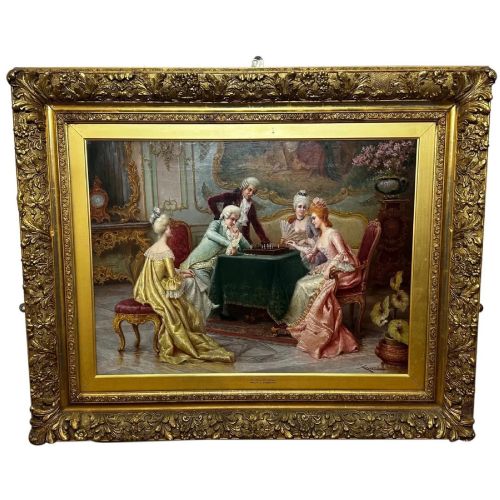
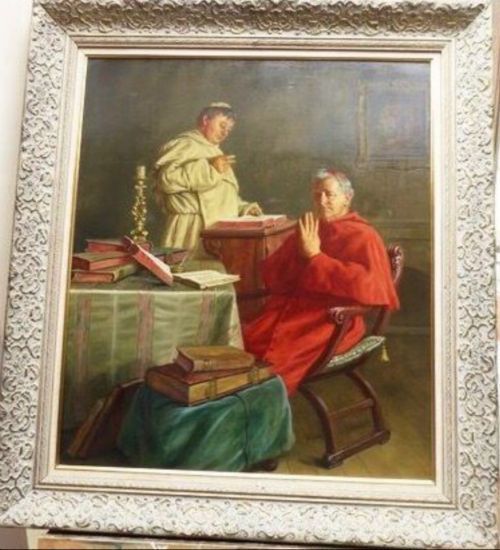
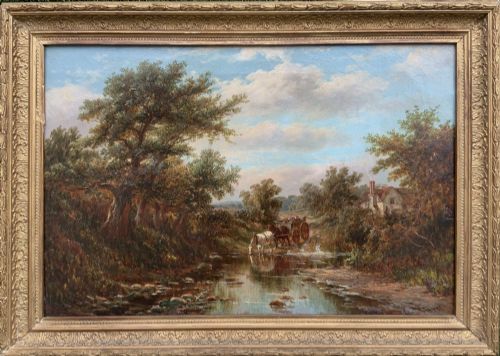
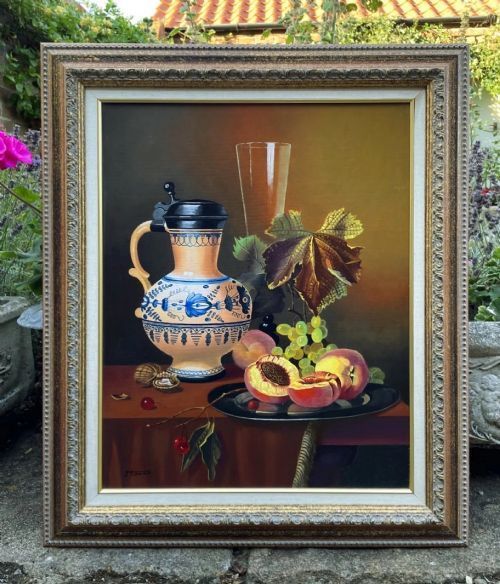
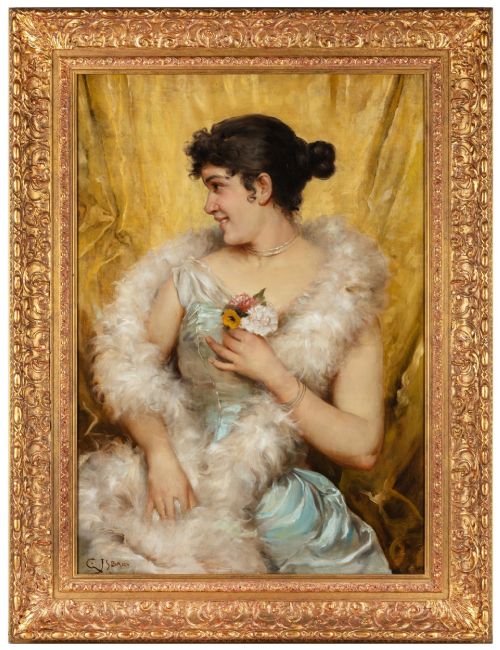
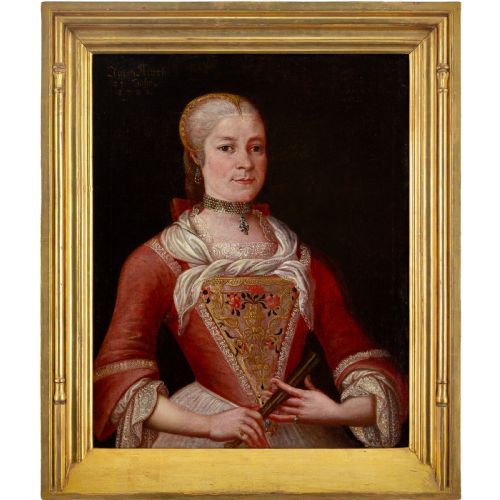
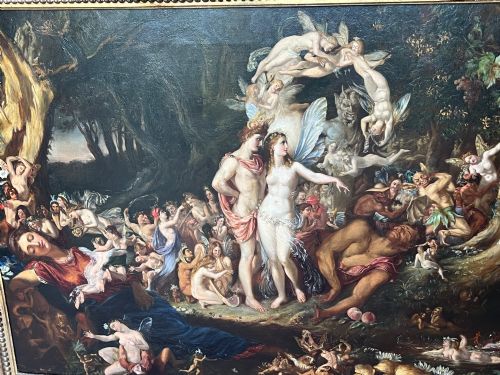
Antique classical artwork encompasses oil paintings, watercolours, mezzotints and engravings created across the seventeenth, eighteenth and nineteenth centuries, alongside later reinterpretations and studies. These works range from mythological narratives and grand portraits to delicate life drawings and floral still lifes.
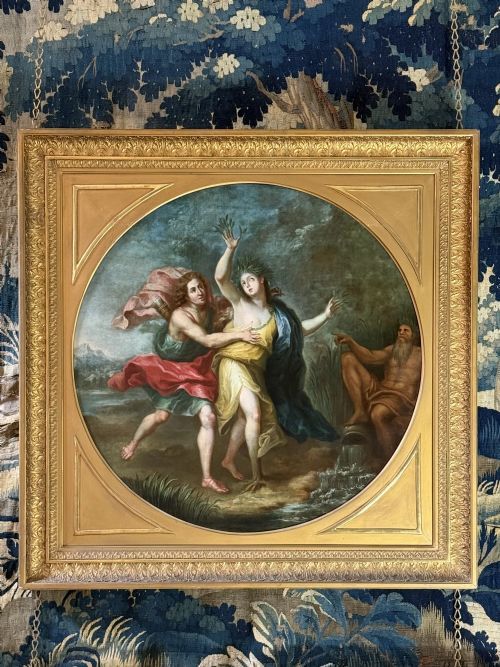
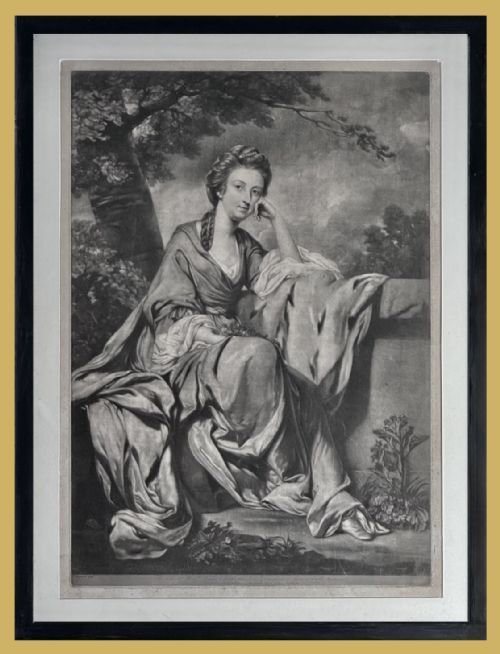
You are most likely to meet eighteenth-century portraits and classical oil paintings, often executed after renowned masters like Sir Joshua Reynolds or Francois Boucher. Works span diverse regional schools, including Dutch, Italian and Northern European traditions, frequently framed in period giltwood or gesso.
How they were made
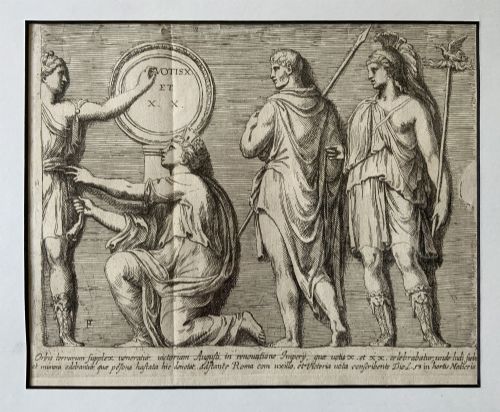
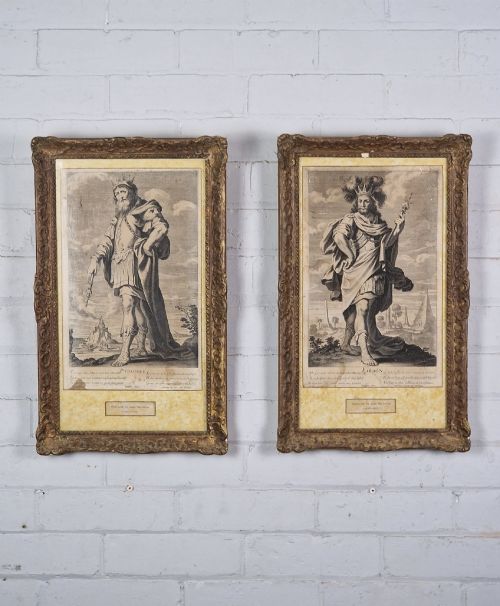
Makers utilised traditional supports such as canvas, paper, wood panels and copper plates, applying oil pigments, watercolours, ink or pastel to build depth and luminosity. Printmakers employed mezzotint and engraving techniques on paper to translate large-scale paintings into widely circulated portraits and historical scenes.
Frames form an integral part of the construction, utilising carved giltwood, gold leaf and moulded gilt gesso to house and complement the paintings and prints within.
Listings feature works spanning from the seventeenth century through to the 1960s, employing oil on canvas, paper, wood and giltwood frames.
What varies in quality
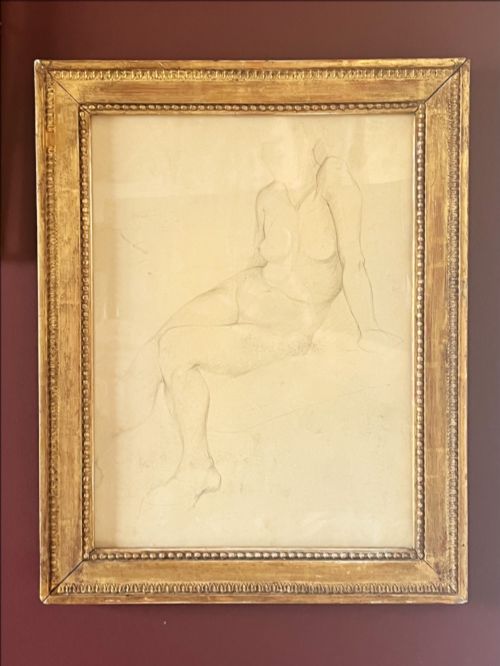
Quality rests in the precision of the draughtsmanship, the handling of light and shadow, and the expressiveness of the figures within the composition. A master's touch or a skilled contemporary studio hand produces cleaner lines, richer pigment layering and more convincing anatomical proportions.
The preservation of the original surface, pigment stability and the integrity of the period frame contribute significantly to the standing of an individual piece.
Charles Antoine Coypel·Sir Joshua Reynolds·Francois Boucher·Pieter Borsseler·Francois Perrier
The Antique Classical Artwork Glossary
- Mezzotint
- A printmaking process of the intaglio family where the plate is roughened uniformly to produce rich dark tones and subtle gradations of light. This technique allowed eighteenth-century printmakers to reproduce oil portraits with remarkable fidelity.
- Giltwood
- Wood that has been coated with a thin layer of gold leaf or powder. It provides a reflective, ornate border for traditional paintings and mirrors.
- Neoclassical
- A Western cultural movement drawing on the art and culture of classical antiquity. It prioritised proportion, restraint and heroic subject matter.
- Oil on panel
- A painting executed with pigment suspended in a drying oil applied directly to a flat wooden support. This method was widely used in Northern European schools before canvas became dominant.
- Engraving
- The practice of incising a design onto a hard, usually metal surface by cutting grooves with a burin. The resulting lines hold ink to be transferred onto paper under pressure.
Antique Classical Artwork: Frequently Asked Questions
What subjects appear in these artworks?
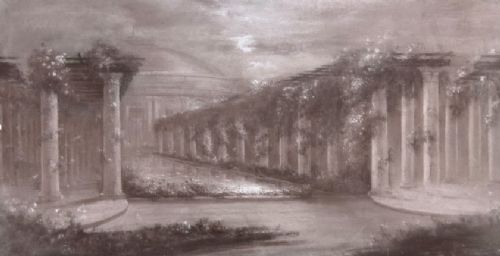
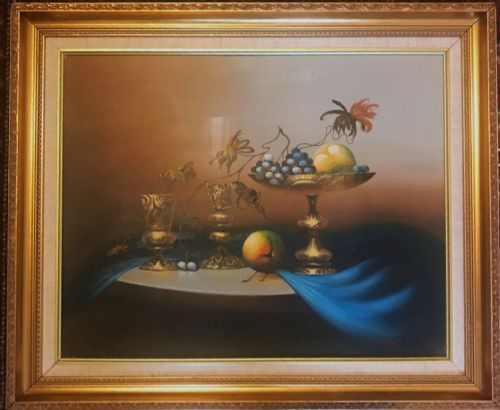
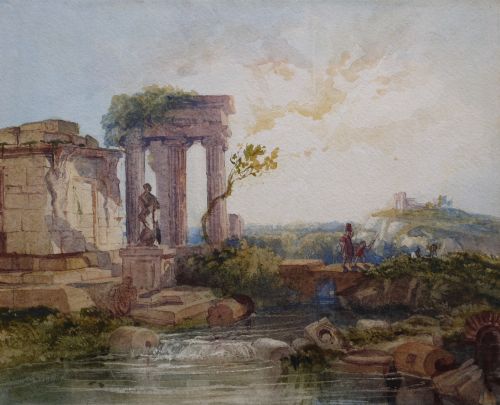
Subjects range from classical mythological scenes involving deities like Apollo, Daphne and Diana to formal portraiture of nobility and figures from literature. You also find landscapes featuring architectural ruins, floral still lifes and religious studies.
Many pieces draw directly from earlier Renaissance and Baroque masters, reflecting an enduring interest in historical and allegorical narratives.
How do I care for antique paintings?
Keep works out of direct sunlight and away from rapid temperature shifts or excessive moisture to protect the canvas, wood panel and pigments. Dust frames and glazed surfaces gently with a soft, dry cloth.
Avoid using liquid cleaners or chemical solvents on the painted surface or the gilt elements of the frame.
Are these works original or copies?
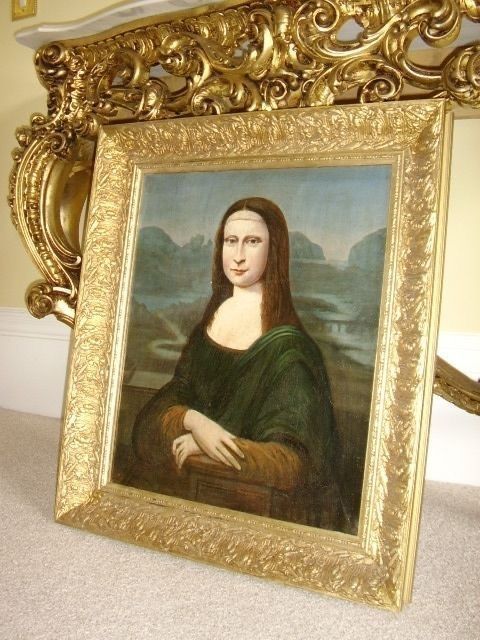
The inventory includes original period paintings, drawings and prints, alongside works produced after earlier masters. Many eighteenth and nineteenth-century artists painted deliberate studies or versions after painters such as Sir Joshua Reynolds and Leonardo Da Vinci.
Each listing specifies whether a work is an original composition, a period engraving or an accomplished study after another artist.
How are periods identified?
Periods are determined through stylistic analysis, costume, framing techniques, and signatures or inscriptions recorded on the canvas, panel or reverse. Examination of the support materials and preparatory layers also aids in dating the work.
Historical documentation and recorded provenances help confirm the era in which an artist worked.