

Antique Cigarette Box
An antique cigarette box is a personal or desk accessory designed to hold tobacco, drawing collectors through varied metals, enamels, and woods.
Antique Cigarette Box
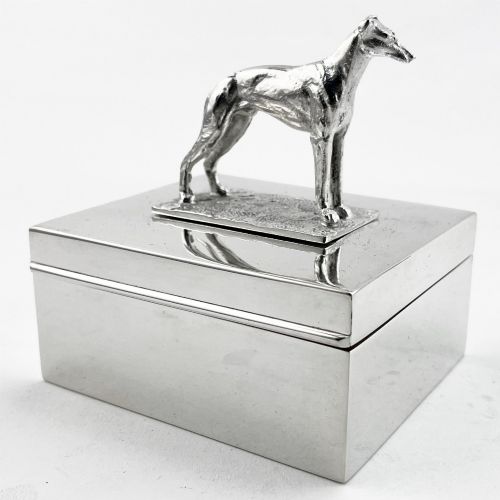
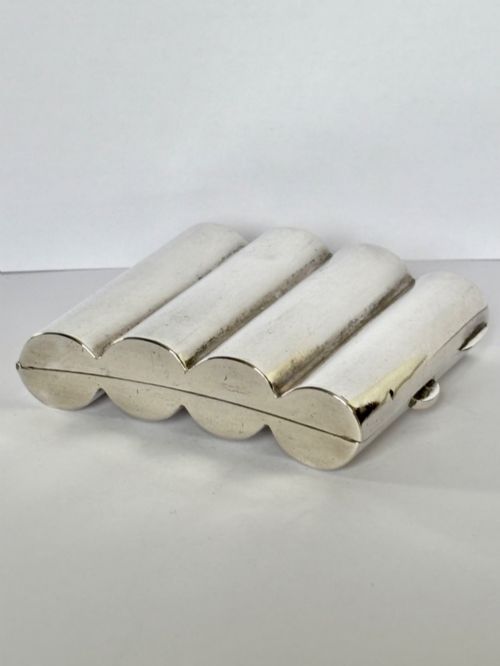
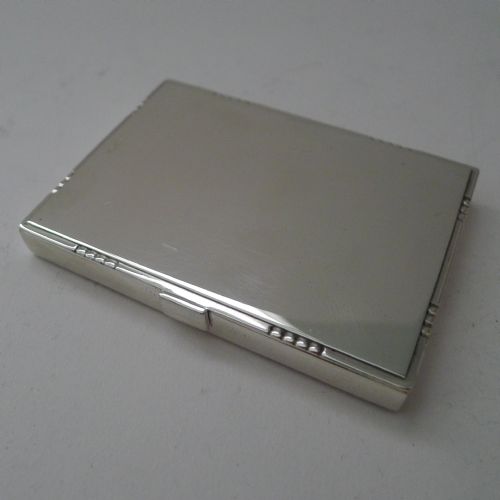
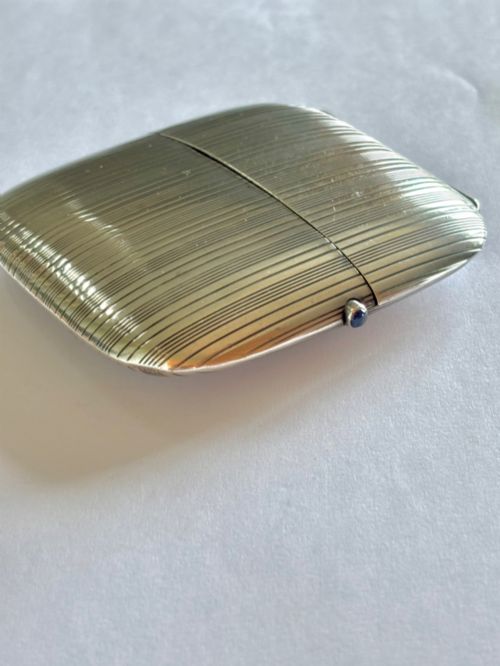
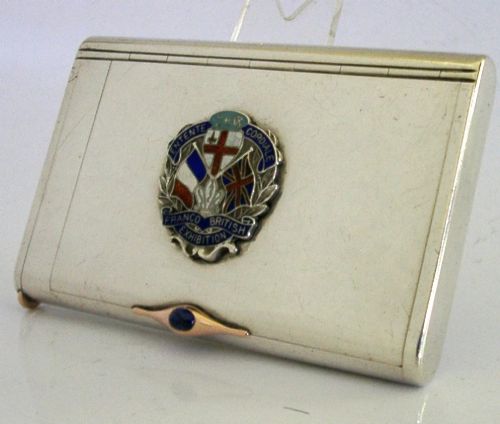
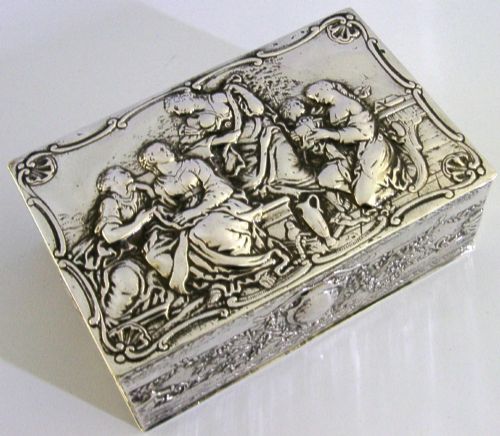
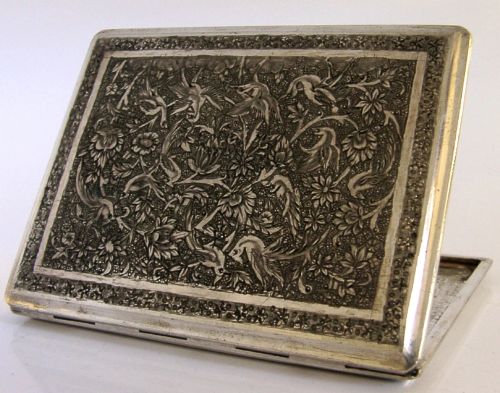
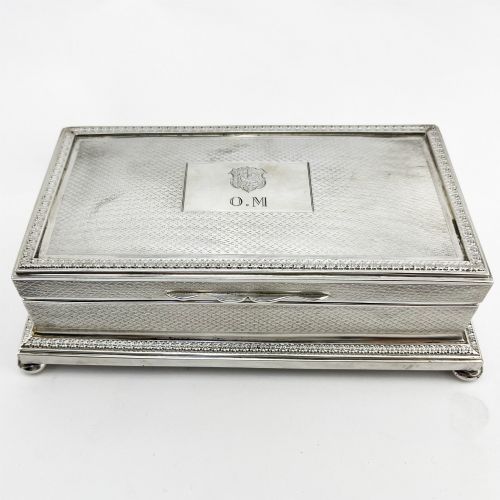
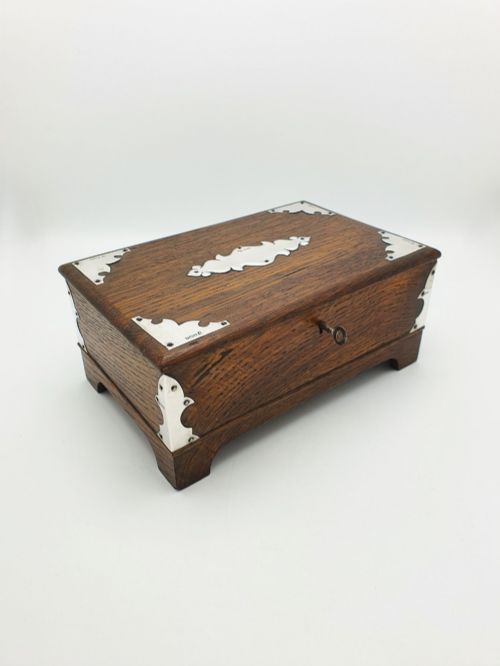
When you search for an antique cigarette box, you encounter items ranging from pocket-sized metal cases to large table boxes and humidors. The pieces on this page span the nineteenth century through the mid-twentieth century, encompassing Victorian, Edwardian, and Art Deco designs. Forms include small card and cheroot holders alongside substantial wooden and silver table caskets.
Origin and regional style vary widely, with English makers sitting alongside Continental European, Russian, Asian, and Indian colonial workshops. Materials shift from sterling silver and gold to oak, shagreen, glass, and papier-mâché. Many pieces double as trinket boxes or desk containers, reflecting their adaptation to modern interior uses.
How they were made
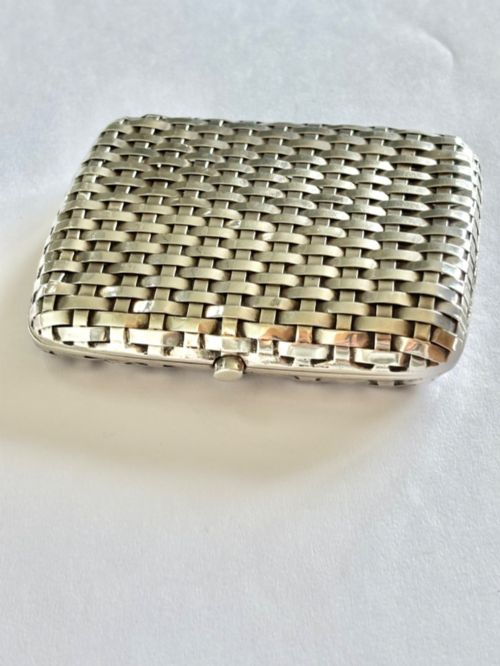
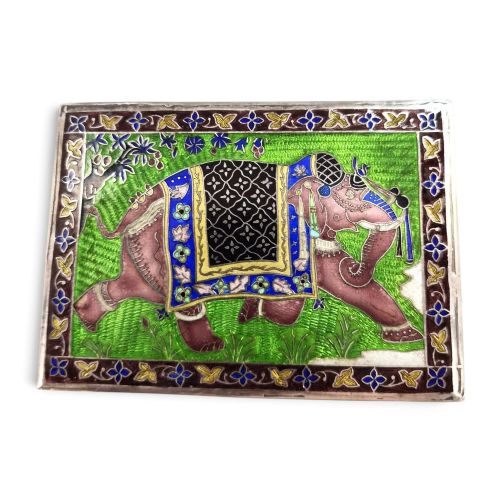
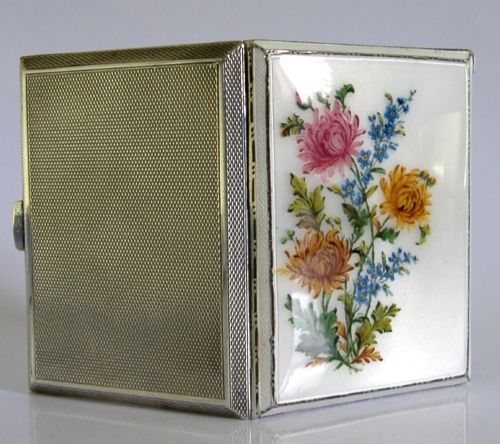
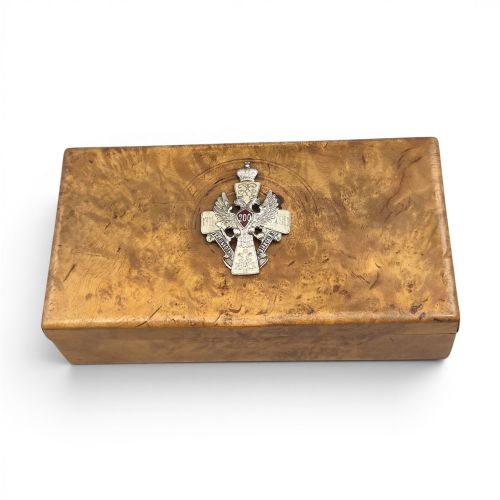
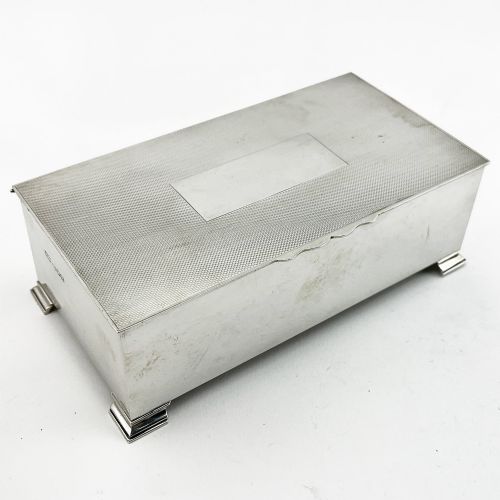
Metalsmithing techniques dominate the material record, utilising sterling silver, solid silver, silver gilt, and brass formed through casting, engraving, and basket-weave texturing. Silversmiths applied intricate niello, hand-painted enamel, and cabochon stones to enrich the metal surfaces. Wooden examples integrate oak and Karelian birch with metal mounts and hinges.
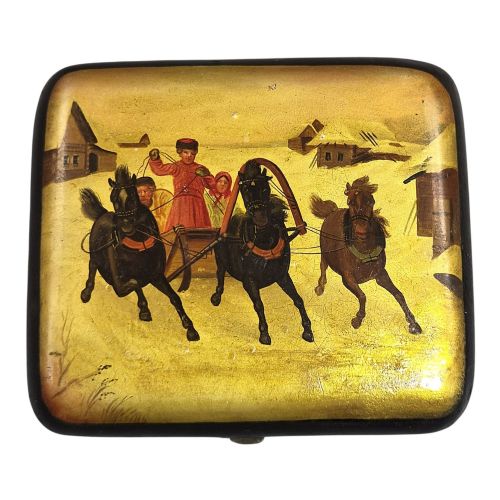
Specialised decorative methods include lacquer work on Russian papier-mâché and the application of exotic materials such as green shagreen with bone trim. Enamelling requires fusing powdered glass to metal under high heat, producing glossy polychrome finishes like the peacock designs seen on Arts and Crafts pieces.
Antique Cigarette Box Retail Price Guide 2026
Typical asking prices for cigarette box among the pieces listed under this phrase on Sellingantiques today, from the lower quarter to the upper quarter. They describe what is for sale here now, not the wider market.
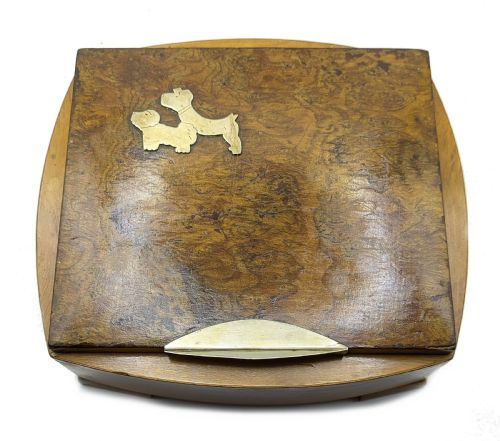
An Art Deco novelty box shaped as a Scottie dog waits to guard your cigarettes.
What varies in quality
Quality rests upon the execution of surface decoration, such as the precision of hand-painted enamel flowers or the crispness of engraved floral scrolls. The integration of contrasting elements, like malachite or white onyx on Art Deco desks boxes, demonstrates superior craftsmanship.
The reputation of the maker or workshop influences distinction, alongside the weight and purity of the silver or gold employed. Robust hinges, well-fitted lids, and undamaged lacquer or shagreen panels distinguish finer examples from standard production items.
Georg Jensen·Mappin And Webb·Sampson Mordan·Wang Hing And Co·Cartier
The Antique Cigarette Box Glossary
- Sterling silver
- A silver alloy containing 92.5 percent pure silver by mass, widely utilised by British and international silversmiths for durability and shine.
- Silver gilt
- Silver objects that have been coated with a thin layer of gold on the interior or exterior surfaces.
- Niello
- A black metallic alloy used as an inlay on engraved metal, creating sharp contrast against silver backgrounds.
- Shagreen
- Untanned skin from sharks or rays with a granular texture, popular in green or dyed finishes during the Art Deco period.
- Cabochon
- A gem or stone shaped and polished with a smooth convex top rather than faceted edges.
Antique Cigarette Box: Frequently Asked Questions
How were antique cigarette boxes used?
These boxes served to store cigarettes, cigars, or cheroots either in the pocket or displayed on a desk or table.
Table versions often stayed in smoking rooms or drawing rooms for guests, while smaller cases travelled in pockets or handbags.
Can I use an antique cigarette box for modern cigarettes?
Many older boxes accommodate modern cigarette dimensions, though historical sizes varied according to the length and gauge of past tobacco products.
Measuring internal depth and width helps determine suitability for contemporary storage.
How do I clean a silver cigarette box?
Silver surfaces require gentle wiping with a specialised microfibre cloth to remove tarnish without harming engraved details or hallmarks.
Harsh chemical dips should be avoided, particularly on pieces featuring enamel, niello, or wooden mounts.
How do I identify an Art Deco cigarette box?
Art Deco pieces display geometric lines, streamlined forms, and materials like shagreen, onyx, and enamel.
These designs typically date from the 1920s and 1930s, contrasting with the heavier floral scrolls of Victorian items.