


Antique Cigar Lighter
An antique cigar lighter brings genuine Nineteenth and Twentieth Century smoking culture to the table, offering both mechanical interest and period charm.
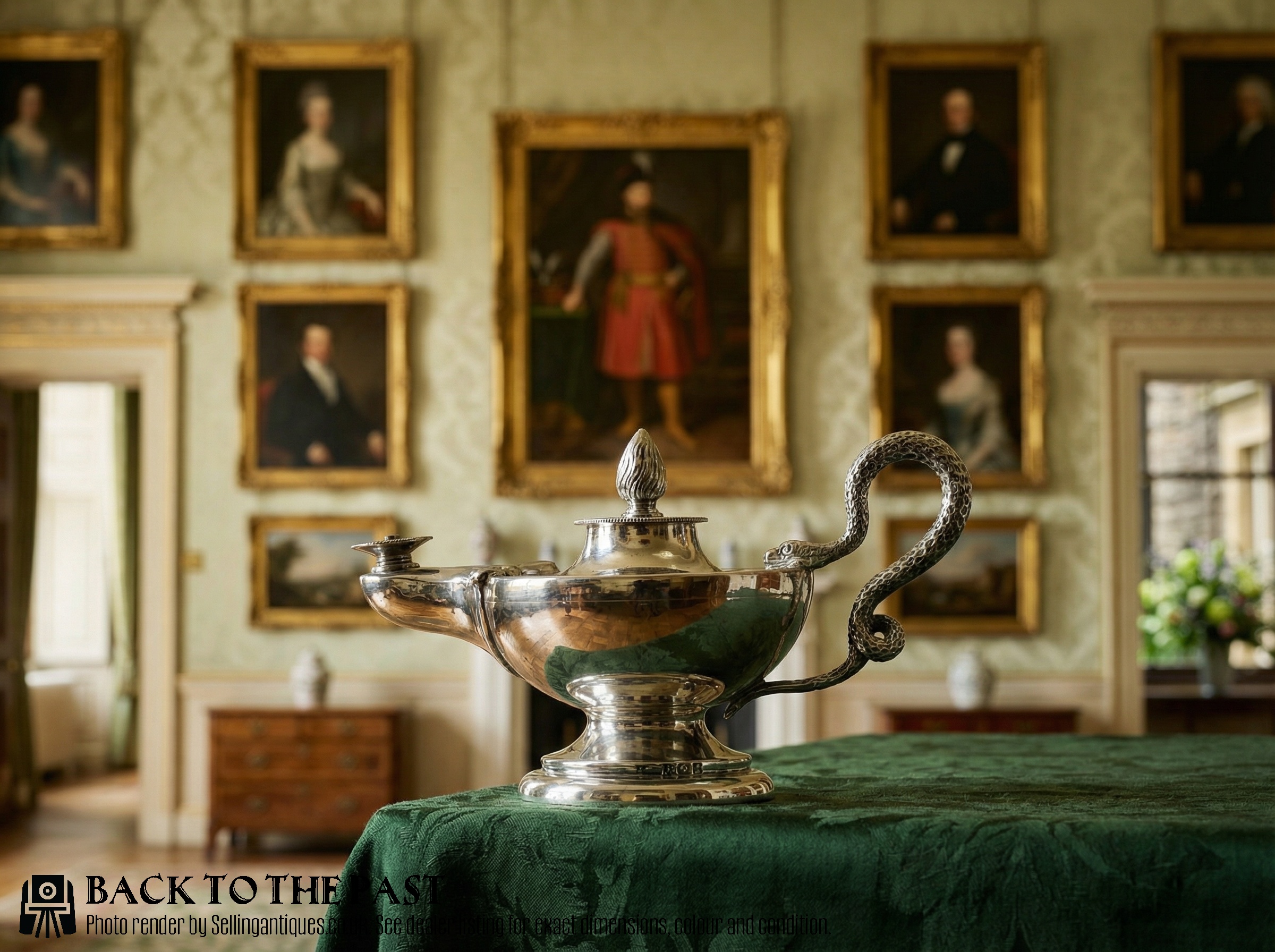
The Form and Period of Antique Cigar Lighters
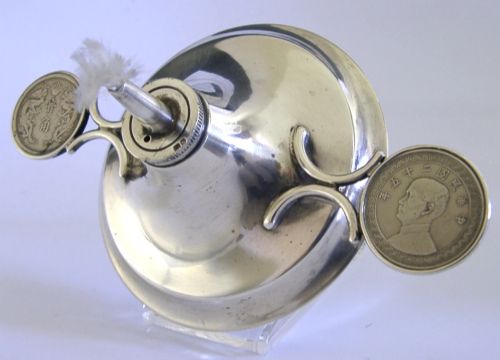
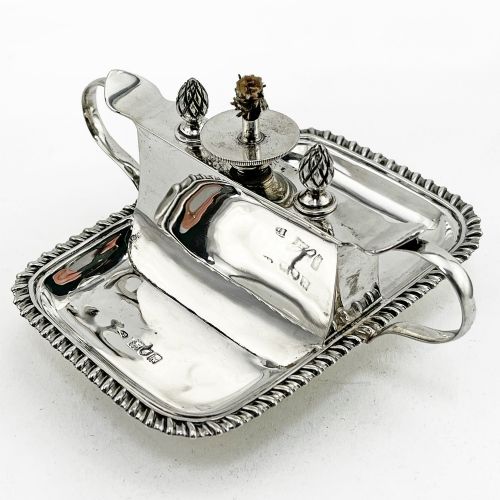
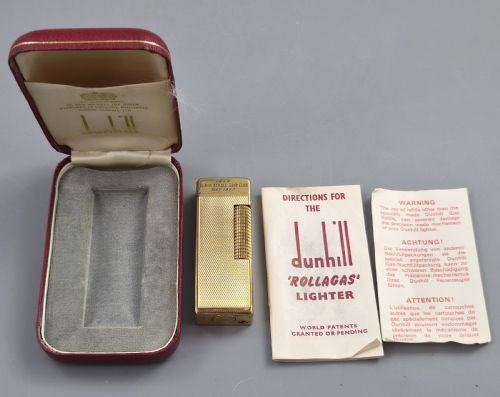
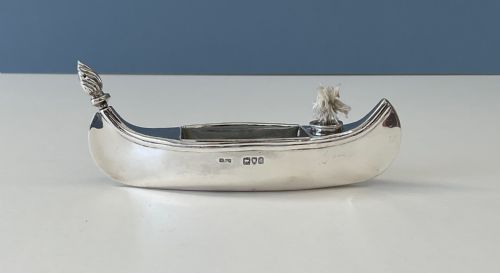
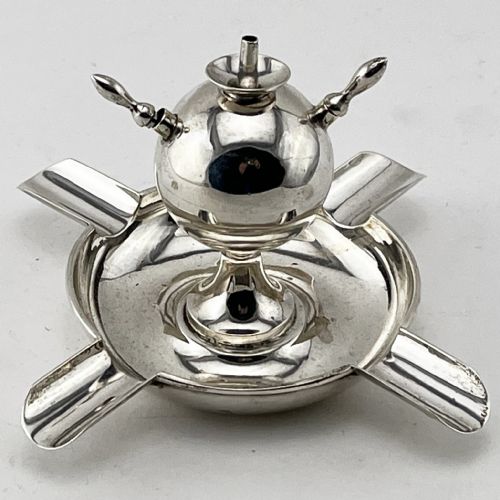
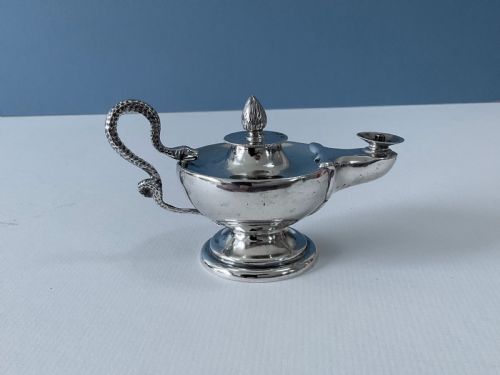
Every antique cigar lighter represents the social rituals of past smoking rooms, taking forms designed to sit upon a desk, sideboard or smoking table. The most frequent encounters on this page include table lamps, Aladdin's oil vessels and novelty animal shapes.
The periods represented span from the Victorian era through the Edwardian period and into the nineteen thirties. Materials range from solid silver and sterling silver to silver plate, brass, copper, horn and rattan.
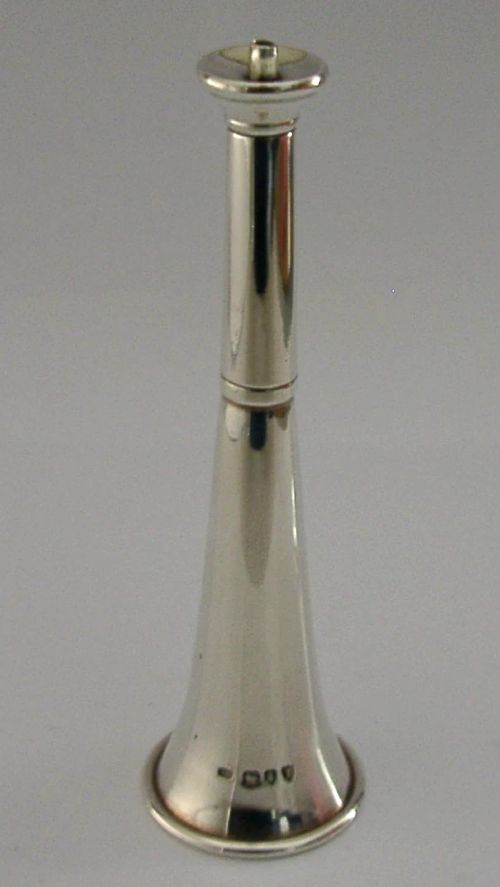
Makers and designers adopted historical motifs alongside organic shapes, producing Classical Revival lamps, Art Nouveau curves and realistic animal forms such as hunting horns and snakes. These pieces served a functional purpose in a period when cigars required dedicated flame sources.
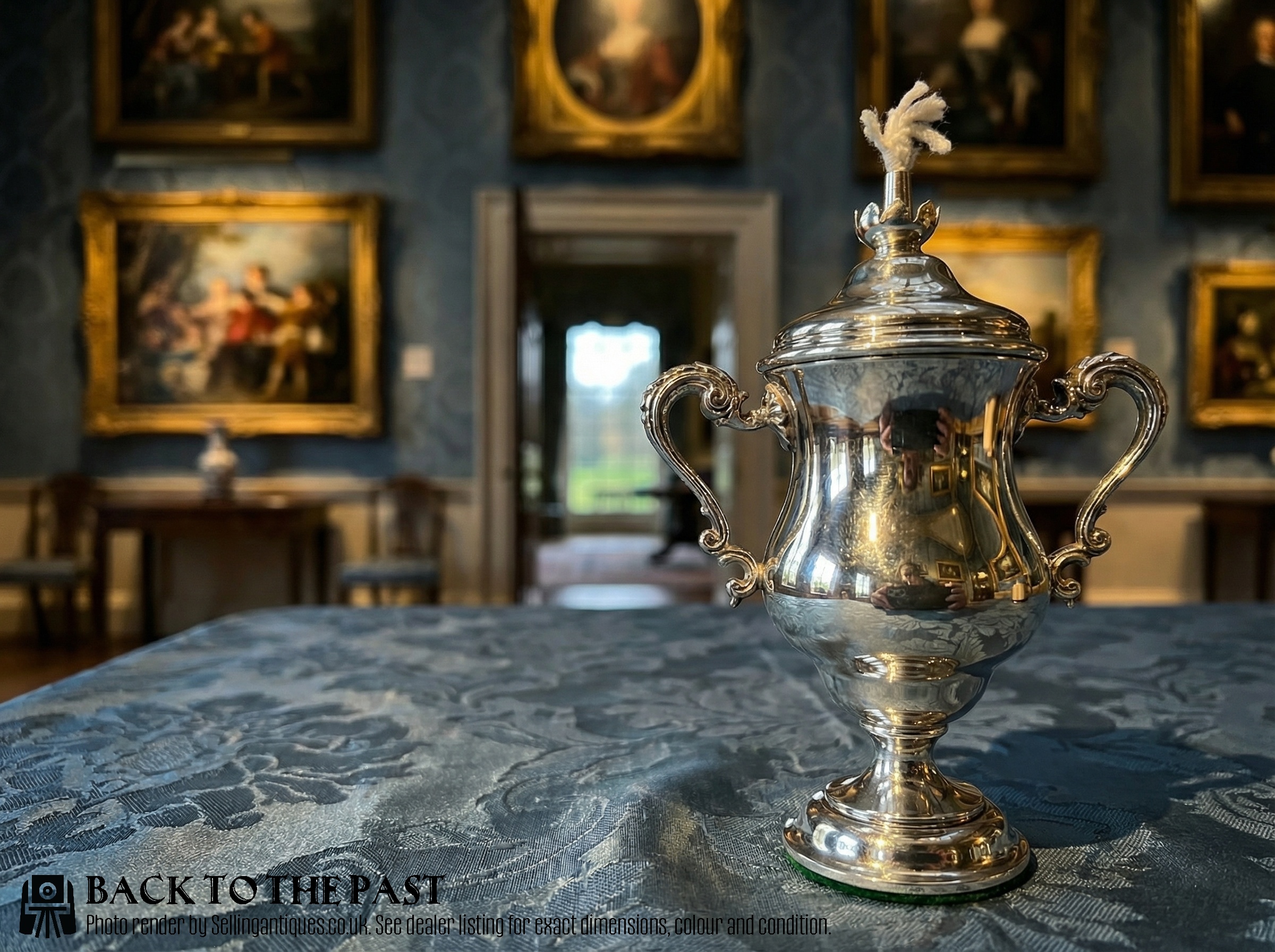
Construction and Materials
Silversmiths and metalworkers utilised traditional casting, hammering and soldering techniques to shape sterling silver, silver plate, brass and copper into complex figurative and lamp designs. Many pieces incorporate natural materials like horn and rattan for handles or decorative accents.
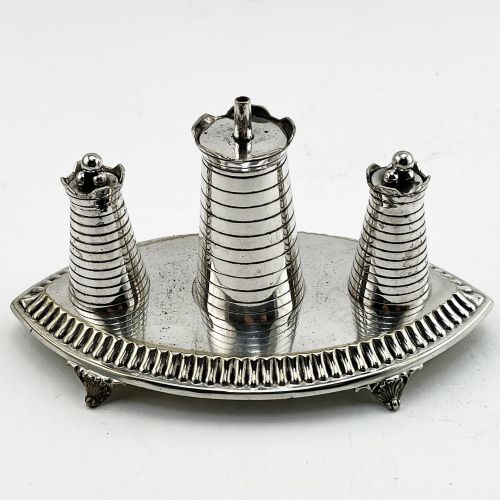
Novelty and utility pieces required intricate mechanical parts for wicks, reservoirs and burners, often integrated into animal forms such as hunting horns, lighthouses and serpents. Makers combined precious metals with internal fuel chambers to create stable table models.
Retail Price Guide 2026
Typical UK retail prices for cigar lighter, calculated from the Sellingantiques database of over a million retail prices indexed since 2003. This retail price guide relies exclusively on Sellingantiques data; no external sources or auction records are used, so the figures do not describe the wider market.
Victorian smokers could choose between lighting up from a coiled metal snake, a lighthouse, or a fox hunting horn.
Judging Quality in Metalwork and Design
Quality rests on the crispness of the casting and the fidelity of the maker's artistic vision, particularly in novelty forms like hunting horns and snakes. Sculptural precision distinguishes standard production from exceptional studio output.
The weight of the metal and the integrity of hallmarks or maker stamps indicate the standard of manufacture. Finer pieces demonstrate careful attention to functional elements such as burner caps and reservoirs, retaining their original proportions and structural balance.
Jan Eisenlöffel·WMF·Comyns·Elkington·Gorham·Asprey·Mappin & Webb
The Antique Cigar Lighter Glossary
- Sterling silver
- A silver alloy containing ninety-two point five percent pure silver by mass, standard for quality British table wares. Most listed pieces utilise this metal.
- Silver plate
- A layer of silver applied to a base metal such as copper or brass. Several historical examples employ this method.
- Table lighter
- A freestanding ignition device designed for domestic room use rather than pocket carry. These form the primary objects in this category.
- Novelty lighter
- An object shaped to resemble an animal, building or household item while functioning as a lighter. Examples include horns, lighthouses and snakes.
- Aladdin lamp
- A vessel shape resembling an ancient oil lamp, frequently utilised for table lighters during the Victorian and later periods.
Frequently Asked Questions
How do these lighters work?
These table pieces operate on oil or spirit fuel contained within a reservoir, featuring a wick that is manually lit to provide a flame for cigars.
Users would typically keep them stationary on a smoking table or desk for guests and household members to utilise.
Were they used for cigarettes?
While primarily designed for cigars, many of these table pieces served general smoking needs in gentleman's studies and drawing rooms.
Compendiums and multi-piece sets often combined lighters with cutters, vestas and humidors to accommodate various smoking preferences.
How should I date my piece?
Dating relies heavily on hallmarks stamped into the silver, which indicate the assay office, standard and year of manufacture.
Stylistic cues such as Victorian ornamentation, Edwardian refinement or Art Nouveau curves provide further chronological context when hallmarks are absent or worn.
Where were they placed originally?
Owners positioned them on smoking tables, sideboards, desks and mantelpieces where tobacco was consumed.
They formed part of the permanent furniture of a Victorian or Edwardian reception room or study.