



Antique Cigar Humidor
When considering an antique cigar humidor, you are examining desktop storage pieces designed to protect fine tobacco through the Victorian, Edwardian, and Art Deco eras.
Antique Cigar Humidor
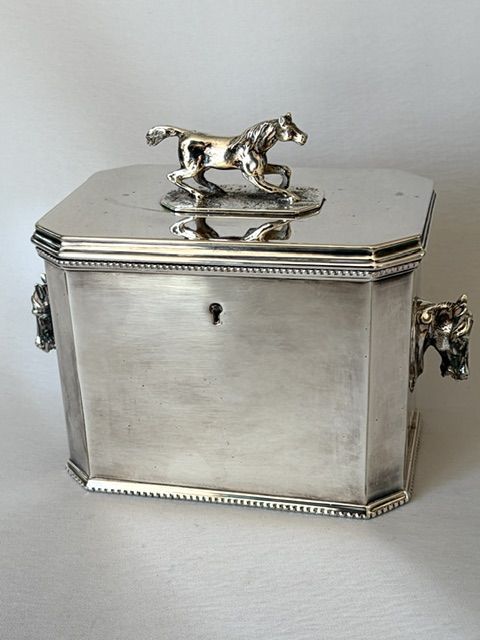
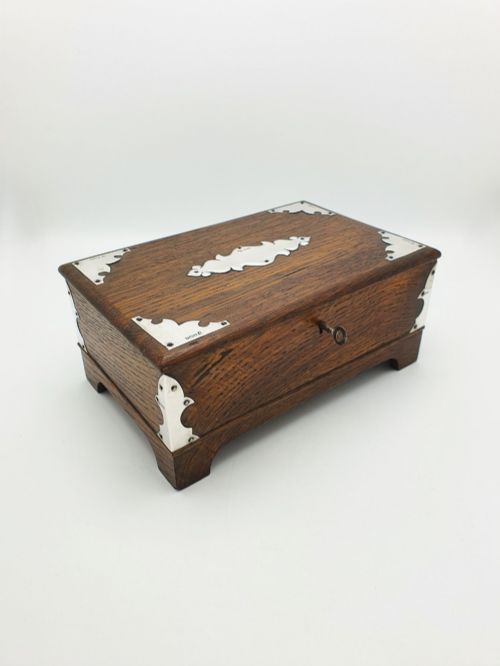
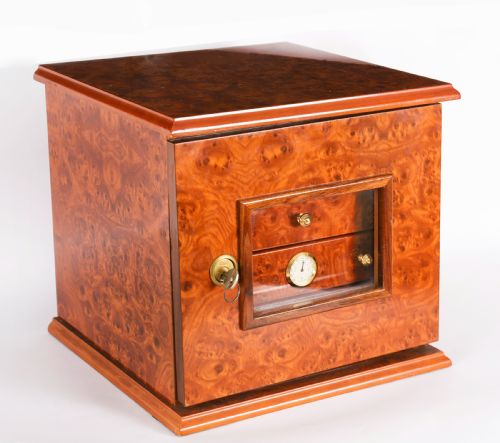
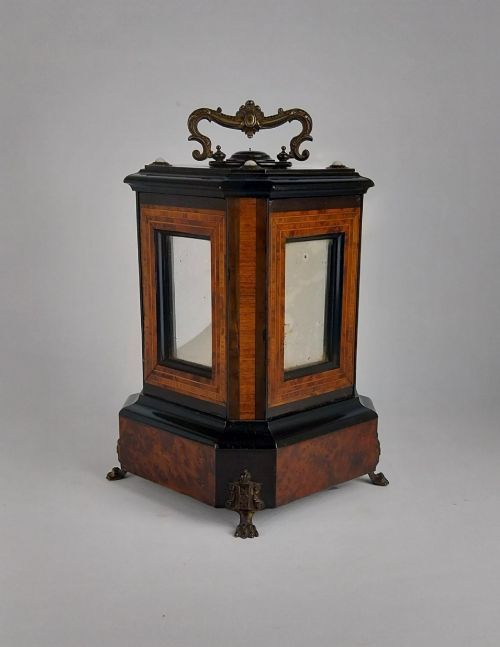
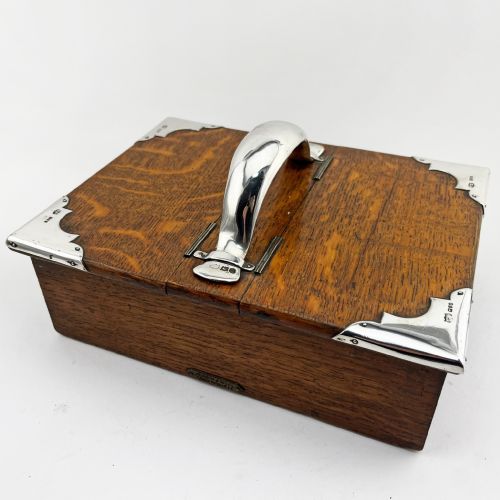
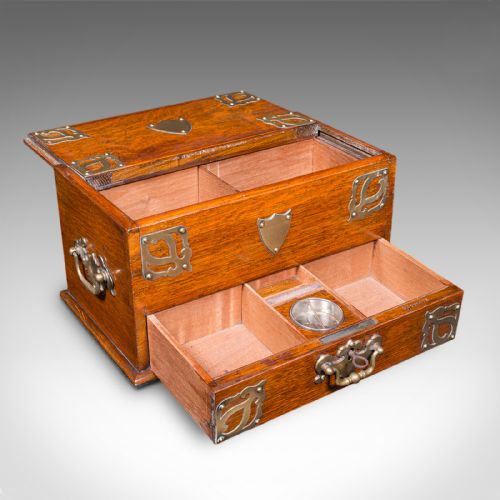
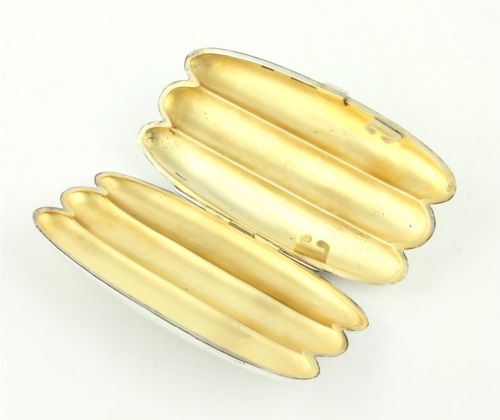
An antique cigar humidor serves as a dedicated receptacle for preserving the moisture of fine cigars, appearing frequently in sturdy oak, burr walnut, and sterling silver. These pieces range from simple tabletop boxes to elaborate cabinets with multiple drawers and internal compartments designed for the gentleman's study or smoking room.
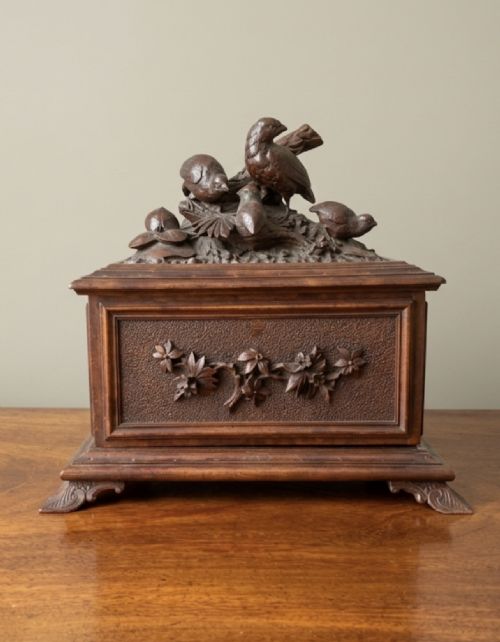
The varieties encountered span straightforward timber caskets, Black Forest carved wood animal forms, and novelty pieces shaped like railway coal wagons. Many examples incorporate brass mounts, campaign handles, or locking mechanisms suited to domestic display and secure storage.
Originating largely from British workshops alongside continental European makers, these smoking accessories reflect the changing domestic habits of the nineteenth and twentieth centuries. Buyers find functional desktop boxes alongside large floor-standing or table cabinets fitted with humidifiers and cutting tools.
How They Were Made
Cabinetmakers utilised dense hardwoods such as oak, mahogany, walnut, and exotic veneers like burr elm and amboyna for the primary carcase, often reinforcing the corners with brass banding or mounts. Lighter white woods served as interior linings, whilst specialised woods like cedar provided moisture retention for the tobacco.
Metalwork played a structural and decorative role, with sterling silver mounts, silverplate, copper, and cast brass applied to hinges, lock escutcheons, and internal fittings. Carving specialists utilised linden and other softwoods for intricate Black Forest animal figures and hunting scenes.
Antique Cigar Humidor Retail Price Guide 2026
Typical asking prices for cigar humidor among the pieces listed under this phrase on Sellingantiques today, from the lower quarter to the upper quarter. They describe what is for sale here now, not the wider market.
Listings feature oak, burr walnut, and sterling silver across Victorian and Edwardian periods.
What Varies in Quality
The standard of construction shows in the thickness of the timber veneers, the precision of the dovetail joinery, and the weight of the cast brass or silver mounts. Superior pieces utilise solid hardwood linings and functional locking systems that operate smoothly after decades of use.
Design ambition separates standard desk boxes from exceptional examples, with automated opening mechanisms, musical movements, and novelty configurations like railway wagons demanding higher execution skill. Maker attribution and documented silver hallmarks also distinguish workshop output.
Mappin And Webb·Alfred Dunhill·Wright And Davies·H Greaves·H Upmann·Zimmerman
The Antique Cigar Humidor Glossary
- Humidor
- A receptacle designed to maintain a specific relative humidity level for storing cigars. These boxes often feature cedar linings to preserve the tobacco.
- Compendium
- A multi-functional container holding various smoking or drinking accessories in one unit. They frequently combine cigar storage with cutters, lighters, and matching crystal decanters.
- Black Forest
- A nineteenth-century woodcarving style originating from the Swiss-German border region. Pieces in this style typically depict naturalistic animals such as bears and dogs.
- Escutcheon
- A protective plate surrounding a keyhole on a cabinet door or box lid. On better pieces, these are cast in brass or sterling silver.
- Tambour
- A flexible shutter door constructed from narrow strips of wood glued to a fabric backing. This mechanism allows curved cabinet fronts to slide open smoothly.
- Tantalus
- A locking beverage stand that holds decanters visible while preventing unauthorized access. They are occasionally incorporated into larger smoking cabinets alongside cigar storage.
Antique Cigar Humidor: Frequently Asked Questions
How do I maintain an antique humidor?
Modern humidification elements can be placed inside the historic wooden housing to keep humidity stable without altering the external structure.
Care should be taken to avoid excessive moisture contact with nineteenth-century veneers and interior cedar linings.
Were these boxes lined with cedar?
Many examples use Spanish cedar or similar aromatic woods internally to assist with moisture retention and flavour preservation.
Secondary woods like oak or walnut typically form the sturdy exterior carcase.
What is a novelty cigar box?
Novelty pieces take whimsical shapes such as railway coal wagons, animal kennels, or carved bears rather than standard rectangular forms.
Victorian makers produced these playful items for gentlemen's clubs and smoking rooms.
How do I identify the period of a humidor?
Silver mounts often bear hallmarks with date letters that provide an exact year of manufacture.
Cabinet styles, lock mechanisms, and timber choices also help narrow down the production era.