


Antique Cigar Cabinet Box
An antique cigar cabinet box stores fine smokes in proper style, bringing Victorian and Edwardian craftsmanship directly into the modern study.
Antique Cigar Cabinet Box
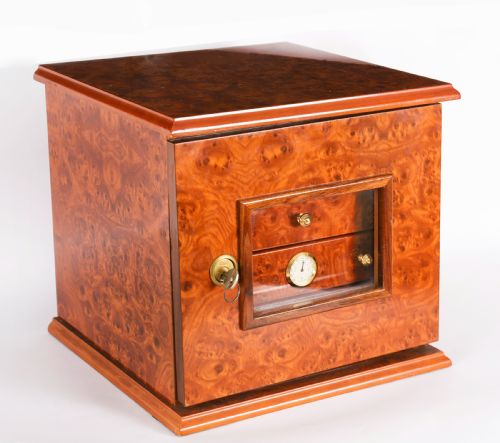
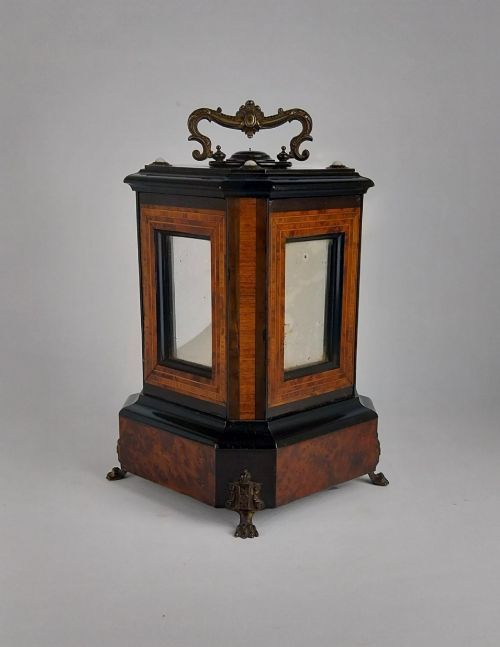
An antique cigar cabinet box is a specialised desktop or freestanding piece designed to store tobacco, cigars, and smoking accessories securely. These items appear primarily in forms such as humidors, smokers boxes, tantalus cabinets, and desktop collector cases spanning the nineteenth century through the mid twentieth century.
The pieces available most frequently originate from the Victorian and Edwardian eras, executed in substantial woods with fitted interiors. Collectors encounter diverse regional interpretations, including English designs and Anglo-Indian variants made for gentlemanly pursuits.
Functional variations include multi-drawer humidors, tambour-front cabinets, and combination pieces housing crystal decanters for a complete dry bar setup. Each configuration reflects the specific entertaining habits and domestic rituals of its period of manufacture.
Materials and construction methods
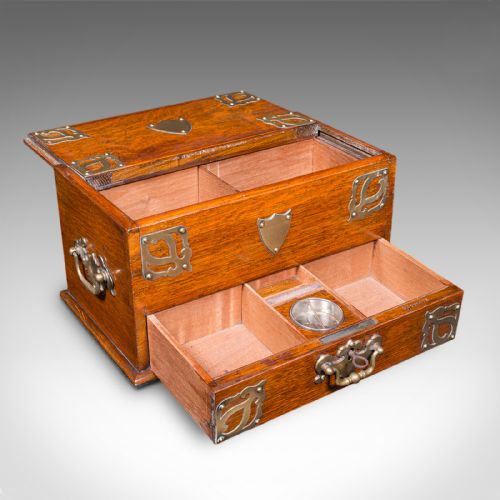
Cabinetmakers utilised rich timber veneers like burr walnut, burr elm, and pollard oak over solid wood carcases, often selecting highly figured grains for visual impact. These timber surfaces were frequently paired with robust brass mounts, hinges, locks, and military-style corner braces.
Interiors often feature fitted wooden drawers, leather linings, and specialised humidification elements designed to maintain tobacco condition. Advanced examples integrate glass panels, brass carrying handles, and intricate locking mechanisms operated by matching keys.
One exceptional Edwardian smokers cabinet takes the whimsical physical form of a GWR coal wagon.
Markers of quality and execution
Superior examples display exceptional timber selection, such as tightly figured burr walnut or meticulously matched veneers across every surface. The joinery remains tight and square, allowing doors, tambour shutters, and drawers to operate with smooth precision.
The integration of original hardware, working locks with keys, and high-grade internal fittings separates standard utility boxes from grander pieces. Makers who incorporated secondary functions like crystal decanters or musical movements demonstrated the highest tier of period craftsmanship.
Alfred Dunhill
The Antique Cigar Cabinet Box Glossary
- Humidor
- A specialised storage box designed to maintain a constant internal humidity level for preserving cigars. These interiors are typically lined with woods that retain moisture effectively.
- Tantalus
- A locking drink cabinet holding decanters visible but secured behind a wooden bar to prevent unauthorized access. They often appear combined with cigar storage compartments.
- Tambour
- A flexible shutter door constructed from narrow vertical strips of wood glued to a fabric backing. This mechanism slides smoothly along curved tracks to enclose cabinet storage.
- Burr Walnut
- A highly prized timber veneer sourced from tree growths containing distorted grain patterns. It creates intricate, swirling natural patterns across large flat surfaces.
Antique Cigar Cabinet Box: Frequently Asked Questions
How do I use an antique humidor?
Modern collectors often use these historic boxes for display or fit them with contemporary humidification elements to store actual cigars safely. Careful monitoring prevents damage to delicate internal timber linings.
Original cedar or wood linings help regulate moisture naturally, though older sponge-based humidifiers may need replacement or modern updates for active use.
What woods were used in these boxes?
Cabinetmakers relied on durable English timbers like oak alongside decorative veneers such as burr walnut, burr elm, and satinwood. Brass hardware provided structural reinforcement and visual contrast.
More exotic examples incorporate influences from Anglo-Indian trade routes, utilising regional hardwoods carved with intricate geometric or floral motifs.
How do I date a smokers cabinet?
Dating relies on architectural styles, brass hardware types, and locking mechanisms typical of Victorian, Edwardian, or later periods. Registration marks and maker stamps provide precise chronological clues.
Construction techniques, such as dovetailing methods and the presence of tambour doors or crystal decanters, help narrow down the decade of manufacture.
Can I travel with a cigar box?
Desktop boxes and cabinet forms were intended for stationary placement in studies, club lounges, or drawing rooms rather than portable travel. Their substantial weight and fitted internal glass or crystal elements require careful stationary placement.
Moving these pieces demands securing internal drawers and protecting protruding brass handles and hinges from accidental impact.