

Antique Church Stand
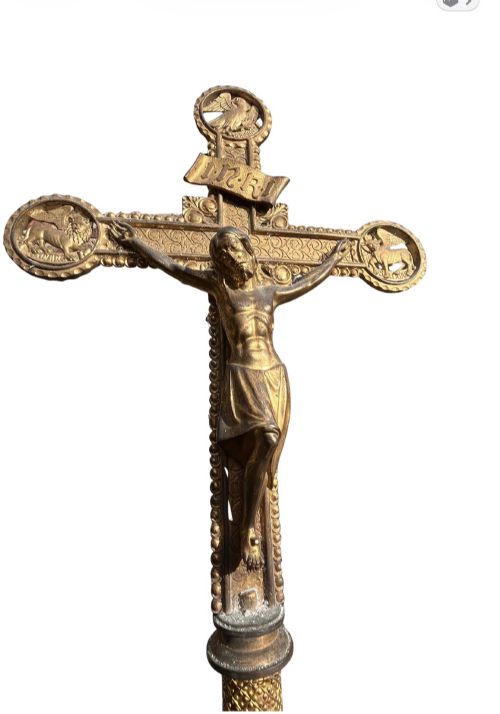
When you search for an antique church stand, you enter a field of heavy oak lecterns, towering brass prickets and wrought iron candle holders shaped by centuries of liturgy.
Antique Church Stand
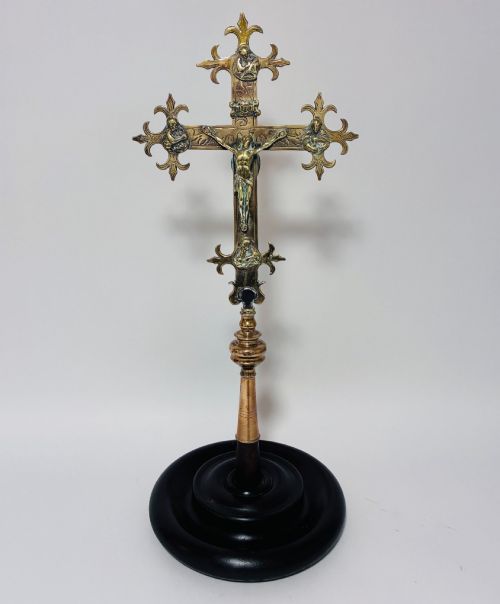
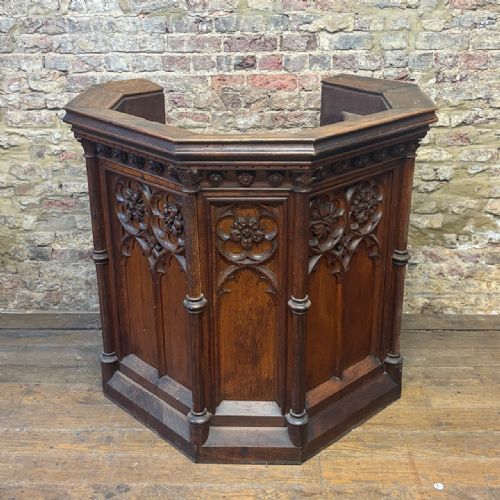
An antique church stand encompasses pieces designed for ecclesiastical spaces, primarily taking the form of lecterns, reading pods, floor candlesticks, and missal stands. The versions most commonly met on this page date from the eighteenth and nineteenth centuries, reflecting periods of fervent Gothic Revival design and heavy oak craftsmanship.
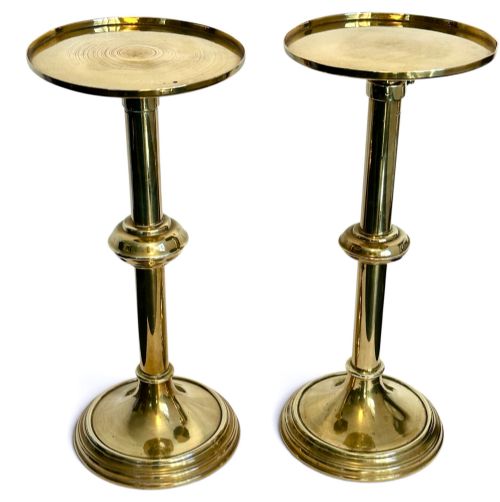
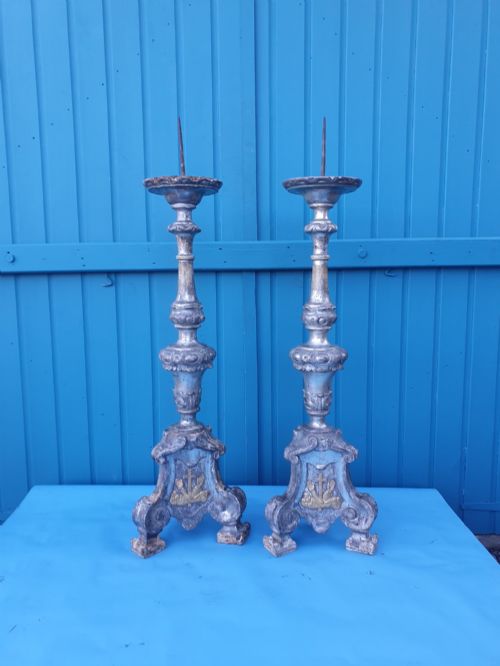
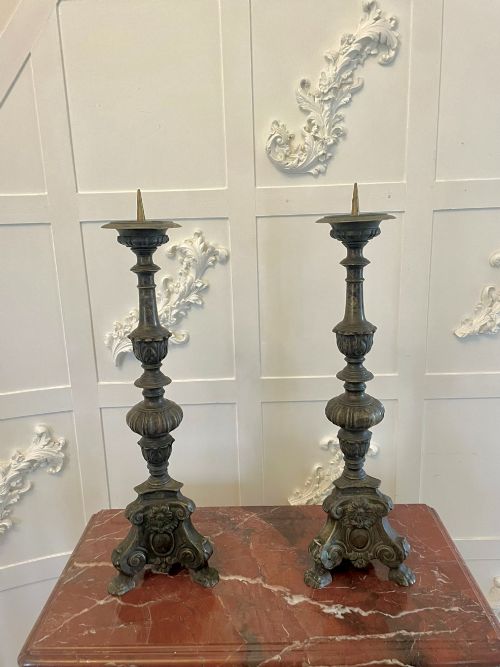
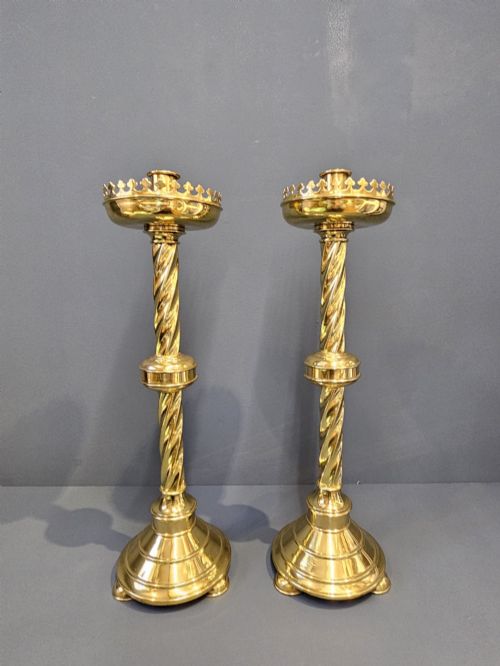
The objects serve specific liturgical functions, ranging from eagle lecterns supporting heavy folio Bibles to towering pricket candlesticks meant to flank an altar. Buyers seek these forms for their architectural presence and historical weight, adapting them for modern interiors as reading podiums or statement candle holders.
Materials span heavy carved oak, cast brass, wrought iron, and gessoed pine, often bearing the distinct stylistic markers of Victorian Gothic or Amsterdam School aesthetics. Regional variations appear across Italian, French, and English pieces, each bringing specific carpentry or metalworking traditions to the ecclesiastical form.
How They Were Made
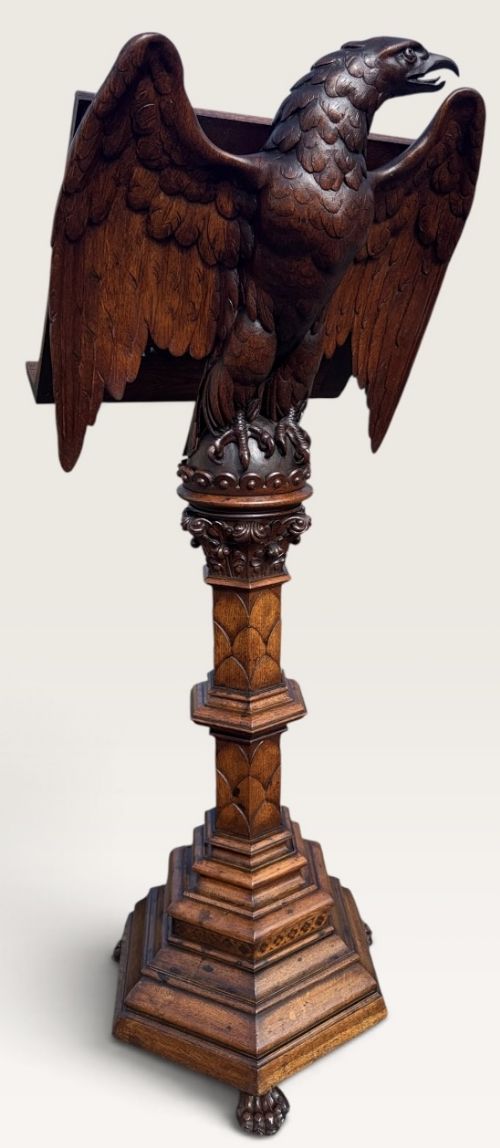
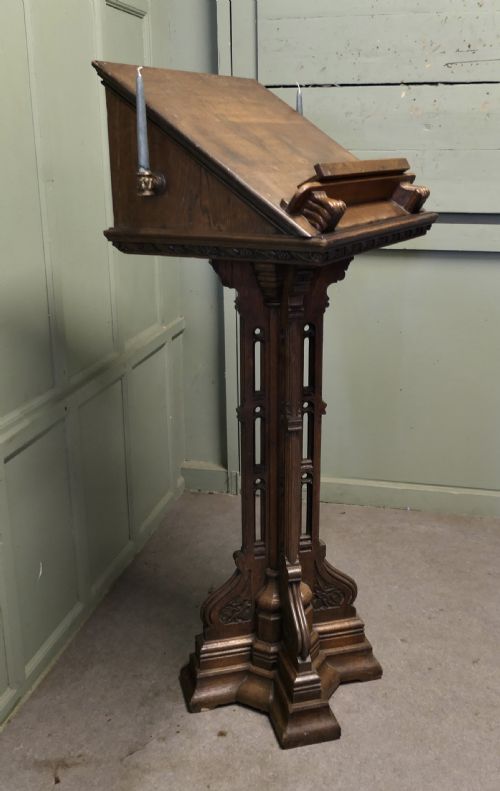
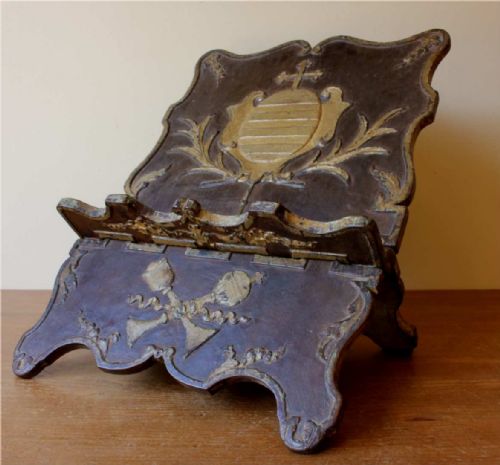
Carpenters constructed the wooden stands predominantly from solid oak and pine, utilising deep relief carving to render figures like the traditional eagle with outstretched wings or intricate Gothic tracery. Surfaces received finishes such as silver leaf, gesso, or simple waxing to protect the grain while maintaining a solemn, ecclesiastical tone.
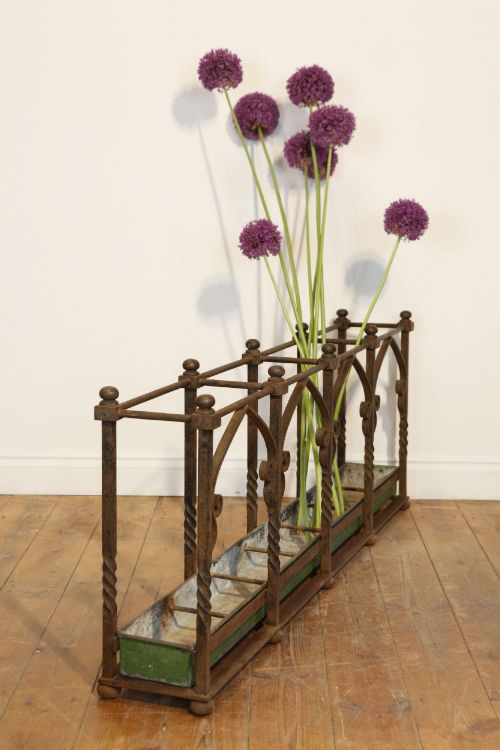
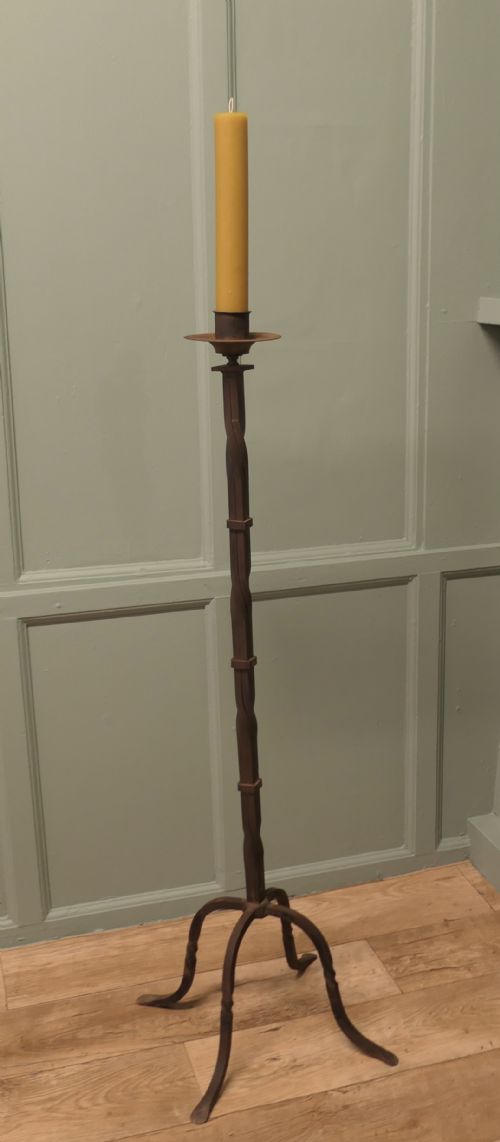
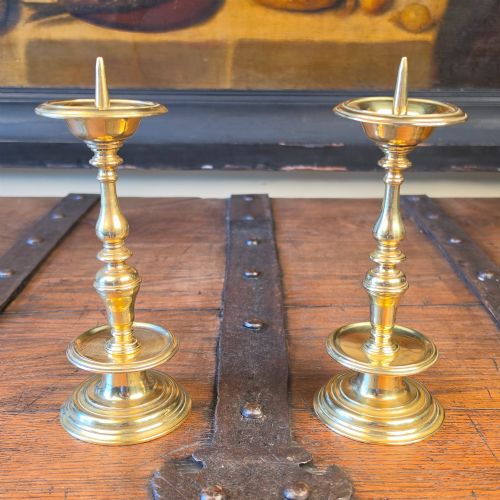
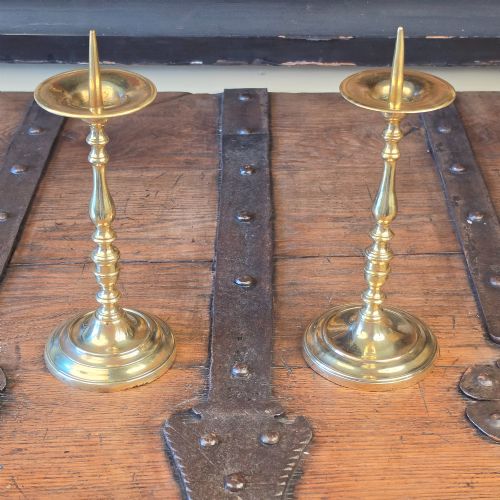
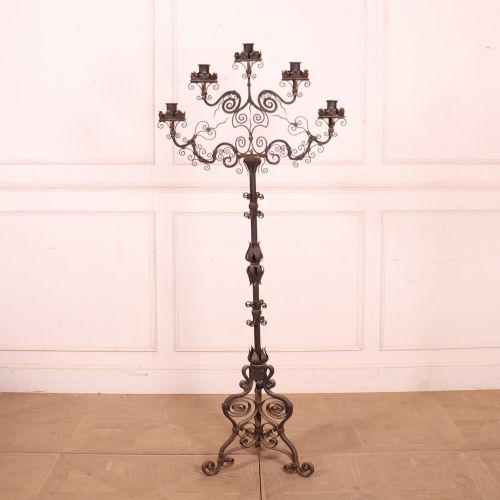
Metal stands relied on the labour of blacksmiths and foundries, casting heavy brass and bronze or hand-forging wrought iron into multi-candle floor candelabras and pricket candlesticks. Components such as side ejectors on brass sticks and articulated joints on candelabras demonstrate functional engineering embedded within decorative metalwork.
Antique Church Stand Retail Price Guide 2026
Typical asking prices for church stand among the pieces listed under this phrase on Sellingantiques today, from the lower quarter to the upper quarter. They describe what is for sale here now, not the wider market.
Listings feature items spanning the eighteenth, nineteenth, and early twentieth centuries, dominated by oak, brass, and wrought iron in Gothic Revival and Victorian styles.
What Varies in Quality
The standard of carving distinguishes routine ecclesiastical furniture from exceptional sculptural work, particularly on oak lecterns where the articulation of feathers on an eagle or the depth of Gothic panels reveals the hand of a skilled artisan. Heavy gauge brass and cast iron elements show superior heft and crispness in their mouldings compared to simpler, mass-produced ecclesiastical fittings.
Integrity of period surfaces dictates the standing of an item, distinguishing pieces that retain their original silver leaf, gilding, or patinated dark wax from those stripped or heavily restored. Proportion and architectural balance also govern quality, as taller floor stands and candelabras must maintain structural stability alongside ornamental ambition.
Osborne Garrett And Co
The Antique Church Stand Glossary
- Pricket candlestick
- A candlestick featuring a sharp metal spike on top to secure a large candle, rather than a socket. These are frequently found on heavy altar stands.
- Lectern
- A tall reading desk with a slanted top designed to hold service books for reading aloud. Wooden variants often incorporate carved eagle supports.
- Prie Dieu
- A small desk or kneeling bench designed for private prayer, featuring an upper shelf for devotional books. The form dates back centuries in domestic and ecclesiastical use.
- Tabernacle
- A fixed, ornate receptacle used to reserve the Eucharist, often featuring a domed top and decorative woodwork. These architectural pieces sit centrally on altars.
- Torchere
- A tall stand or pedestal originally intended to support a torch or large candle. In church settings, these carved wooden columns elevate candles beside liturgical focal points.
Antique Church Stand: Frequently Asked Questions
What is an eagle lectern used for?
An eagle lectern serves to support heavy service books, particularly Bibles, during church readings. The outstretched wings of the bird provide a natural, sloping desk surface.
Historically, the eagle represents the Gospel of Saint John, soaring above the other evangelists. Today, these carved wooden or brass stands function as dramatic architectural statements in large rooms.
How do I date a church candlestick?
Dating relies on examining the manufacturing technique, metal composition, and stylistic revival markers. Eighteenth-century examples often display heavy cast brass with simpler turned shafts.
Nineteenth-century Victorian pieces frequently embrace Gothic Revival ornamentation, utilising elaborate cast iron bases or multi-tiered brass construction. Makers marks and screw threads also help narrow down the production era.
Can I use a church stand at home?
These stands adapt well to domestic settings as reading podiums, menu stands, or statement candle holders. Oak lecterns find new life in studies or hallways holding open volumes.
Floor-standing pricket candlesticks and iron candelabras add vertical height and ambient lighting to living spaces. Their robust construction ensures they handle modern use without difficulty.