


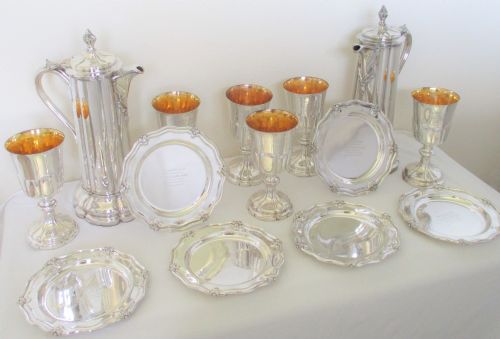


Antique Church Plate
Antique church plate brings centuries of ecclesiastical ritual into domestic settings through chalices, alms dishes, and sacred vessels crafted for worship.
Antique Church Plate
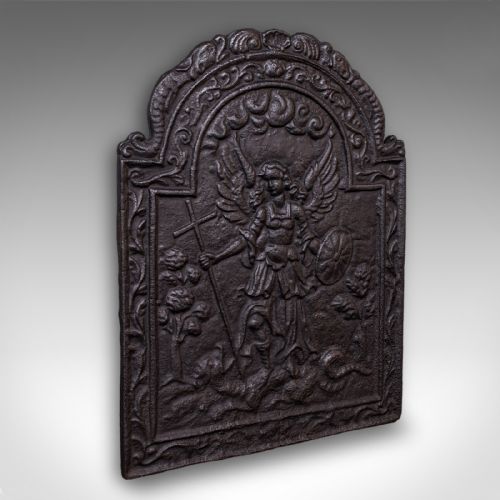
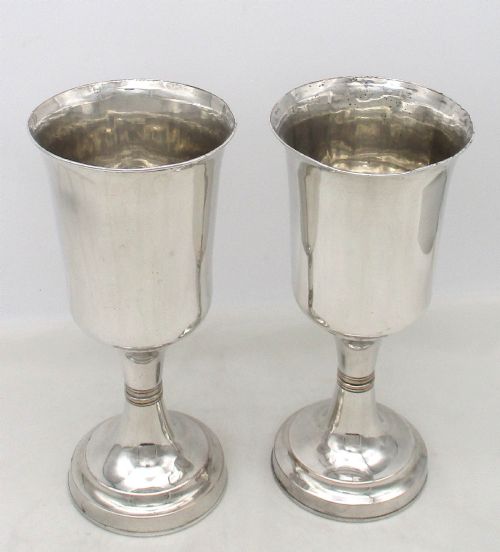
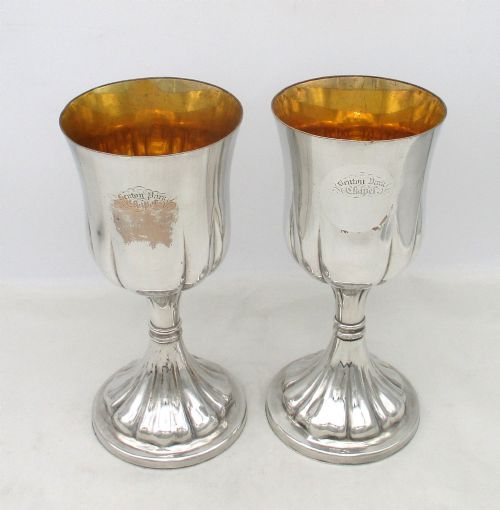
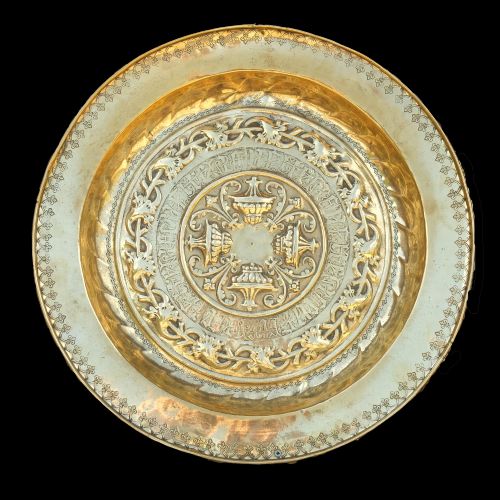
Antique church plate encompasses sacred vessels and ceremonial metalwork produced for religious services across British, European, and colonial parishes. When you search for antique church plate, you encounter objects designed for the altar and communion table, ranging from silver-plated chalices to brass alms dishes.
The pieces appearing on this page span several centuries, with the nineteenth century heavily represented through Victorian and Old Sheffield Plate manufactures. Alongside traditional communion sets and chalices, the selections include platters, dishes, and associated ecclesiastical furnishings.
How they were made
Makers utilised durable base metals like copper, brass, and iron plated with silver or finished with gold gilding to achieve the rich appearance required for liturgical use. Old Sheffield Plate appears frequently, fusing a thin layer of silver onto a heavier copper body through heat and pressure.
Silversmiths and metalworkers shaped solid silver and silver plate by hand and machine, applying hammering, chasing, and engraving to produce Gothic Revival details and Renaissance motifs.
Among the sacred metalwork, an unexpected nineteenth-century oak mirror bearing Oxford Movement associations waits to reflect your hallway.
What varies in quality
The distinction between standard ecclesiastical metalwork and exceptional pieces rests upon the weight of the metal, the crispness of the chased decoration, and the integrity of the plating. Substantial gauge silver and Old Sheffield Plate retain their form and surface detail far better through generations of handling and cleaning than lighter pressed metal alternatives.
Maker attribution also dictates standing, as pieces bearing marks from recognised silversmiths or established ecclesiastical suppliers command greater attention than unmarked vernacular items.
Elkington Mason·George Cooper·Samuel Hennell
The Antique Church Plate Glossary
- Alms dish
- A large plate or basin used to collect monetary offerings during church services. These pieces often feature engraved religious iconography or presentation inscriptions around the rim.
- Chalice
- A consecrated cup used to hold sacramental wine during the Eucharist. They typically feature a prominent stem, a knop for gripping, and a wide foot for stability.
- Old Sheffield Plate
- An early fusing technique where a sheet of silver is fused to a copper ingot before rolling into sheets. This method predates electroplating and leaves a characteristic edge where the copper core is visible.
- Paten
- A small shallow plate or dish used to hold the bread during communion. They are frequently designed to rest directly upon the matching chalice.
- Communion set
- A portable collection of vessels required for administering the sacrament outside the church building. These fitted boxes usually contain a chalice, paten, and small flagon.
Antique Church Plate: Frequently Asked Questions
What is church plate used for?
Church plate refers to the metal vessels and dishes utilised in Christian liturgical services, specifically for the celebration of the Eucharist and the collection of charitable offerings.
Today, collectors repurpose these durable and decorative metal objects as display pieces, tableware, or interior ornaments within domestic spaces.
How do I identify Old Sheffield Plate?
Old Sheffield Plate is identified by its fused construction method where a thin layer of silver coats a copper base. Closer inspection often reveals subtle traces of the underlying copper peeking through high points or cut edges.
Unlike nineteenth-century electroplated wares, genuine Old Sheffield pieces exhibit a warm, deep lustre unique to the fusion process.
Are these pieces made of solid silver?
The majority of items listed under this category are constructed from base metals finished with silver plate, Old Sheffield Plate, or gold gilding. Solid silver examples do occur, usually accompanied by traditional hallmarks indicating town and maker.
Examining the weight, hallmarks, and surface wear helps determine whether an object is solid precious metal or plated.
How should I clean antique metal vessels?
Antique silver plate and brass require gentle cleaning using non-abrasive cloths and specialised metal polishes formulated for historic surfaces. Aggressive scrubbing removes the remaining silver plating and destroys patination built up over centuries.
Storing pieces in dry environments prevents active tarnish and protects vulnerable gilding from flaking.