





Antique Church Glass
Antique church glass brings the quiet depth of ecclesiastical spaces into domestic rooms, capturing centuries of craftsmanship in lead and colour.
Antique Church Glass
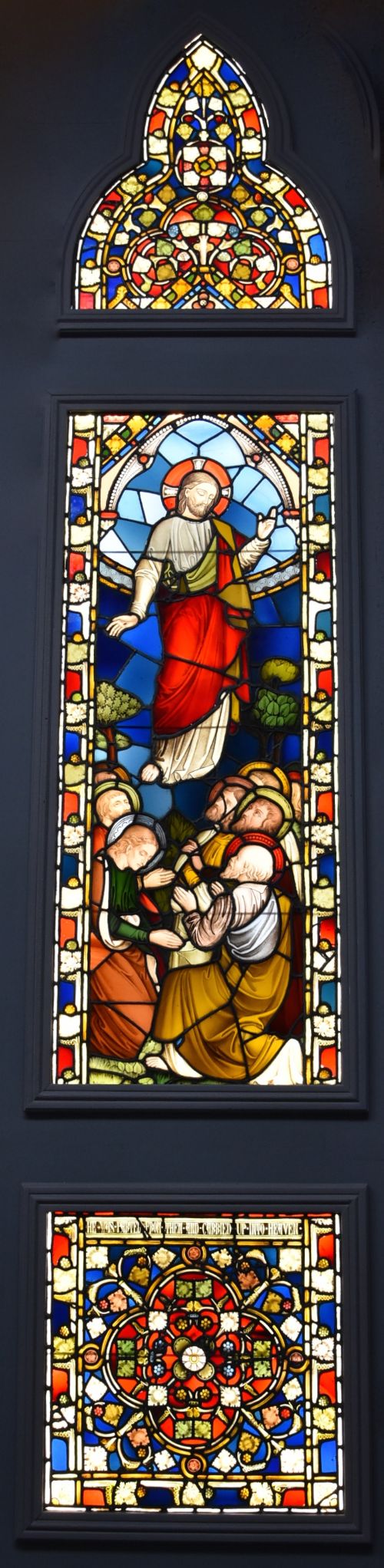
When you search for antique church glass, you look at panels, windows, and decorative vessels originating from ecclesiastical settings across the nineteenth and early twentieth centuries. These pieces span Gothic revival designs, Victorian arch top church windows with diamond or square panes, and hand painted country farmhouse scenes.
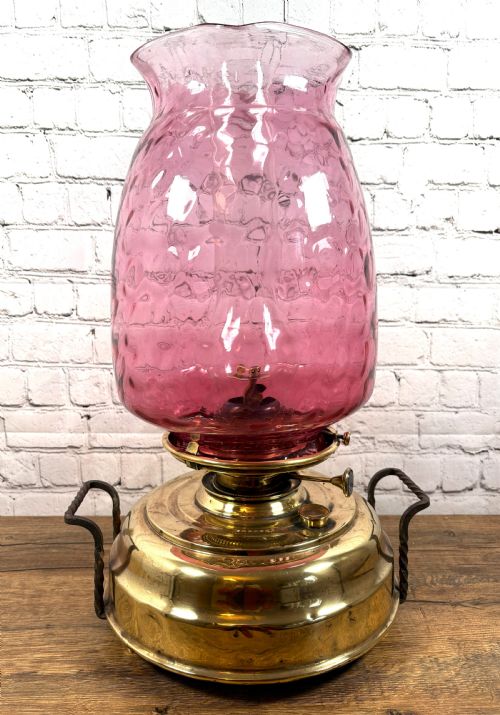
You are most likely to meet Victorian and later nineteenth-century stained glass panels and windows on this page, alongside architectural salvage and processional brass and glass lamps. The selection ranges from large-scale mid nineteenth-century triptychs to painted religious windows dated around eighteen-ninety.
How they were made
The construction relies on glass held together by lead cames, forming rigid panels designed to withstand natural elements while diffusing daylight. Craftsmen utilised hand painted techniques to render figurative religious scenes and countryside landscapes directly onto the glass surface before firing.
Metalwork frames in brass, bronze, and iron provide structural support for hanging lamps, mirrors, and windows. Oak and other timbers appear in architectural salvage surrounds and mirror frames, complementing the heavy lead and glass compositions.
Antique Church Glass Retail Price Guide 2026
Typical asking prices for church glass among the pieces listed under this phrase on Sellingantiques today, from the lower quarter to the upper quarter. They describe what is for sale here now, not the wider market.
Listings feature nineteenth-century and early twentieth-century pieces, spanning the Victorian and Edwardian periods alongside Arts and Crafts designs.
What varies in quality
Quality rests in the depth of pigment and the precision of the hand painted detail found on the glass surface. Superior examples display complex figurative work, balanced composition, and robust lead cames that maintain the structural integrity of the panel.
The integration of materials determines the overall standard of the piece, particularly where glass meets bronze, brass, or carved oak frames. Finer specimens show careful adaptation from ecclesiastical settings into domestic display pieces without compromising the original character.
Hardman & Co.
The Antique Church Glass Glossary
- Came
- A slender grooved strip of lead used to hold pieces of glass together in a window or panel. These flexible strips are soldered at the joints to form a rigid matrix.
- Gothic Revival
- An architectural and decorative style drawing inspiration from medieval forms, prevalent across nineteenth-century ecclesiastical design. This aesthetic defines the pointed arches and religious motifs seen in many windows and mirrors.
- Triptych
- A picture or relief carving on three panels, hinged together or standing side by side as a single unit. In ecclesiastical contexts, these often display narrative religious scenes.
- Arch Top
- A structural shape featuring a curved upper edge, commonly seen in Victorian church windows designed to fit beneath stone vaulting or masonry openings. This profile softens the geometry of large glass panels.
Antique Church Glass: Frequently Asked Questions
How do I hang a heavy church window?
Heavy windows require professional framing and structural wall fixings to bear the combined weight of the glass and lead cames safely. Steel brackets or custom iron mounts distribute the load evenly across the wall studs.
Position the panel where natural light can pass directly through the glass to reveal the painted details and colour variations. Avoid relying on decorative chains alone for large architectural pieces.
Are these windows safe for homes?
Most antique panels utilise traditional lead cames that provide adequate stability for indoor display but require careful handling during installation. Placing them in front of an existing interior wall with backlighting offers a secure alternative to exterior window placement.
Ensure that children and pets cannot push against unsupported glass panels mounted within living spaces. Secondary glazing or protective acrylic sheets can be added externally if placed near drafty openings.
What is an Oxford Movement mirror?
The Oxford Movement influenced nineteenth-century design by reviving high church aesthetics and traditional craftsmanship within domestic furnishings. Mirrors from this tradition often incorporate ecclesiastical motifs, oak frames, and architectural proportions.
These pieces reflect the theological and artistic debates of eighteen-eighty, bridging church decoration and domestic interior design. They bring a distinct historical gravity to hallway or living room walls.