
Antique Church Carving
These antique church carving pieces bring centuries of sacred craftsmanship directly into domestic spaces.
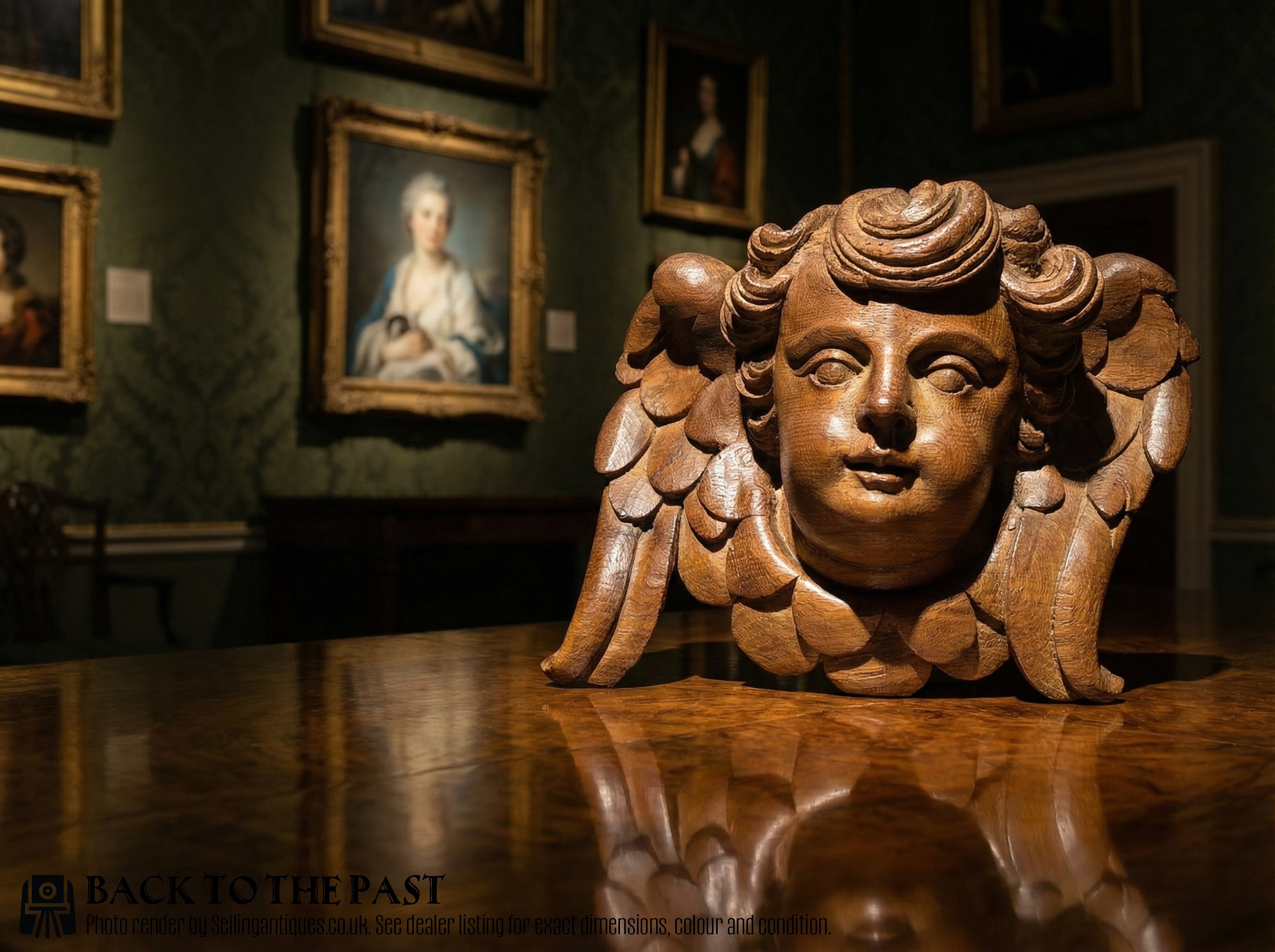
Antique Church Carving
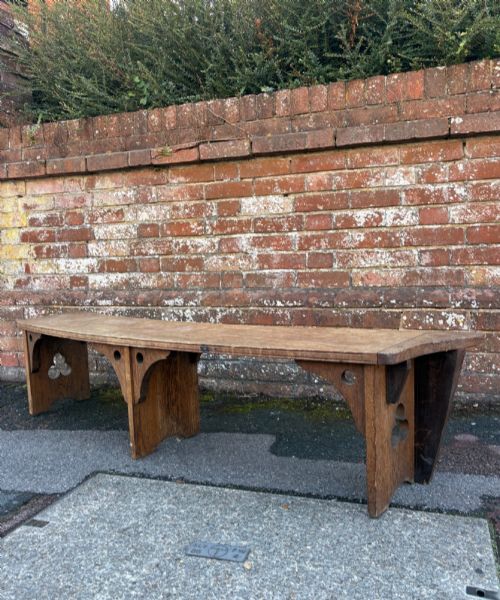
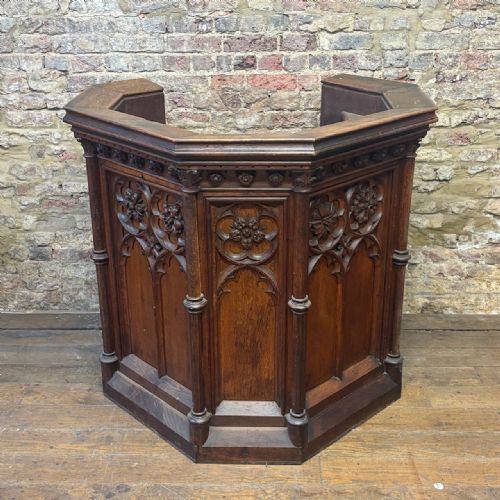
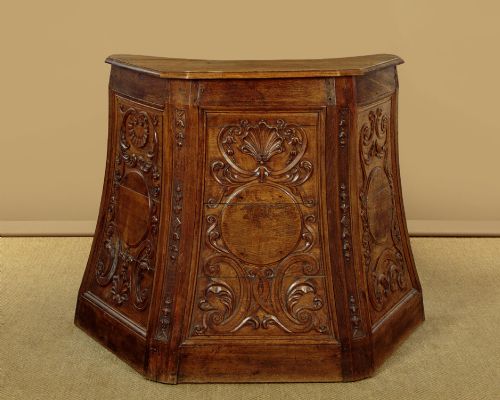
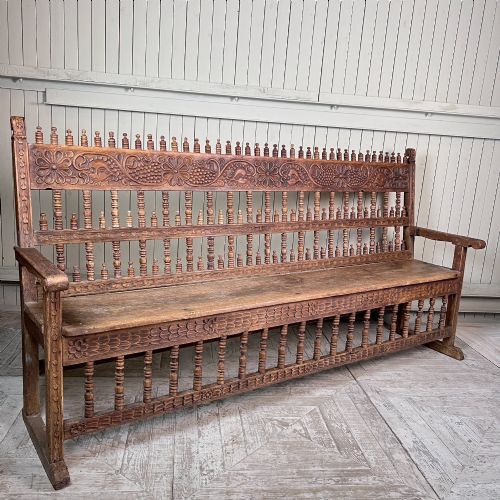
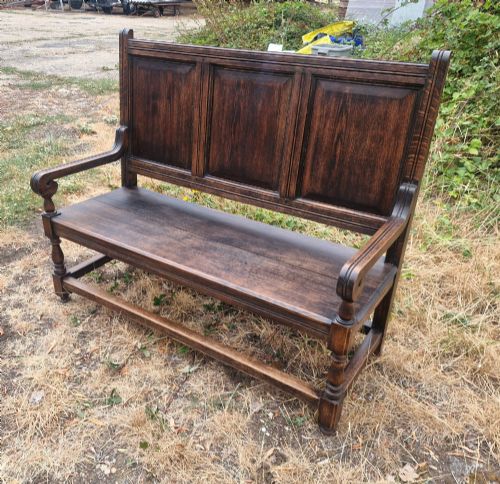
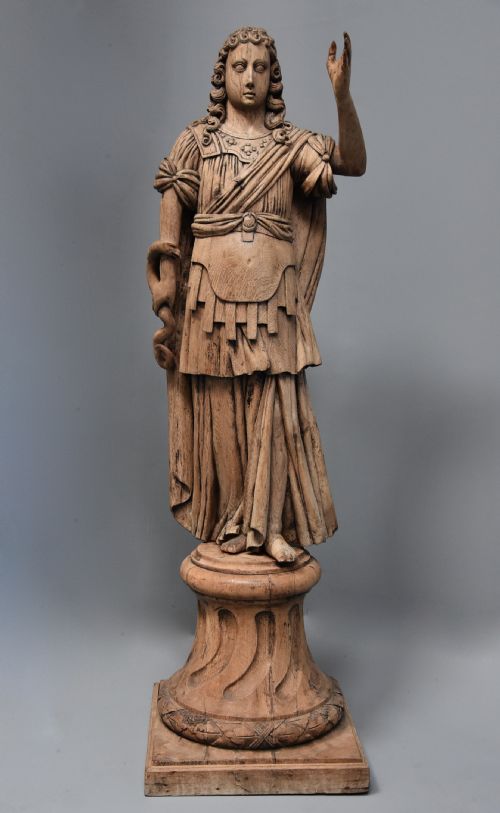
An antique church carving encompasses architectural elements, seating, and devotional objects originating from religious settings, spanning from pre-sixteenth century fragments to the Edwardian era. Buyers seeking these items will find a dominant selection of oak benches, pews, pulpits, lecterns, and figurative sculptures shaped by centuries of liturgical use.
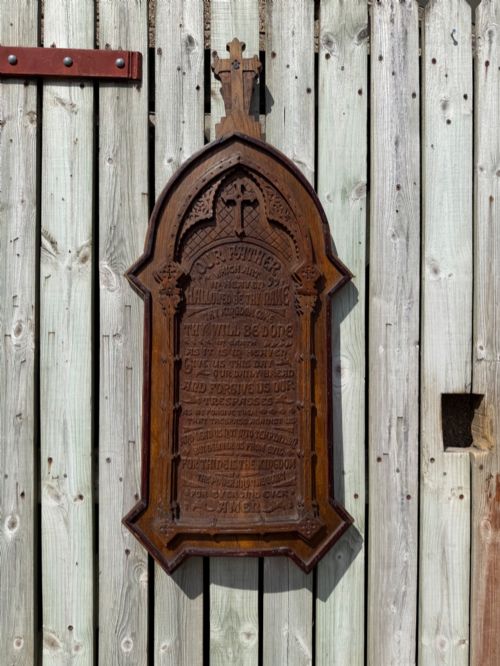
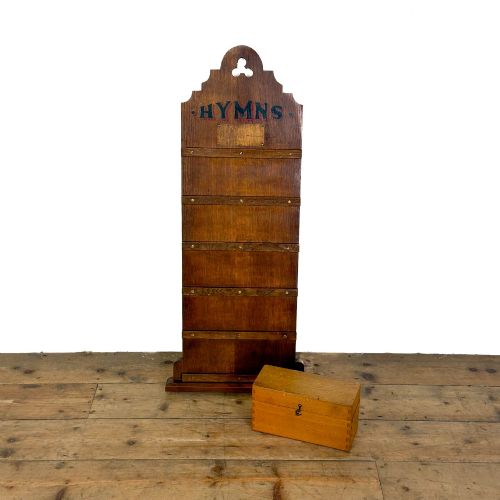
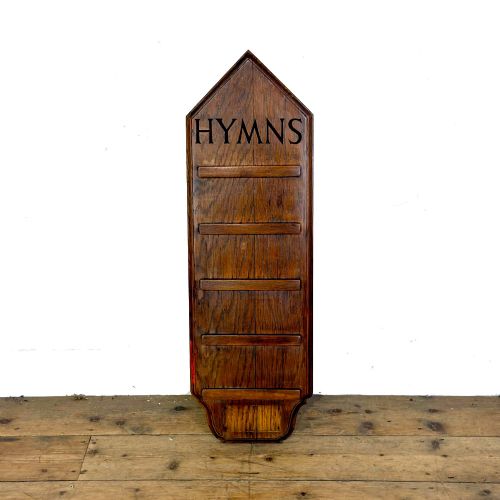
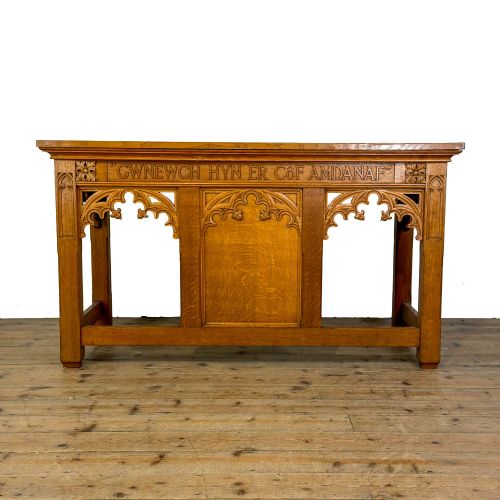
The material record on this page points heavily toward substantial structural forms like oak pules, prayer desks, and hymn boards alongside decorative components such as corbels and panels. Continental and English workshops produced these works across periods ranging from Spanish Baroque to Victorian Gothic Revival, reflecting distinct regional ecclesiastical traditions.
Whether sourcing a life-size saint figure, a giltwood altar candlestick, or a heavy oak bench, a collector engages with tangible remnants of sacred architecture. These pieces transition fluidly from holy spaces into private halls, libraries, and studies.
Materials and construction
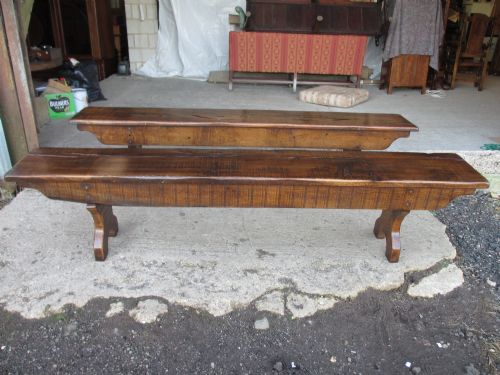
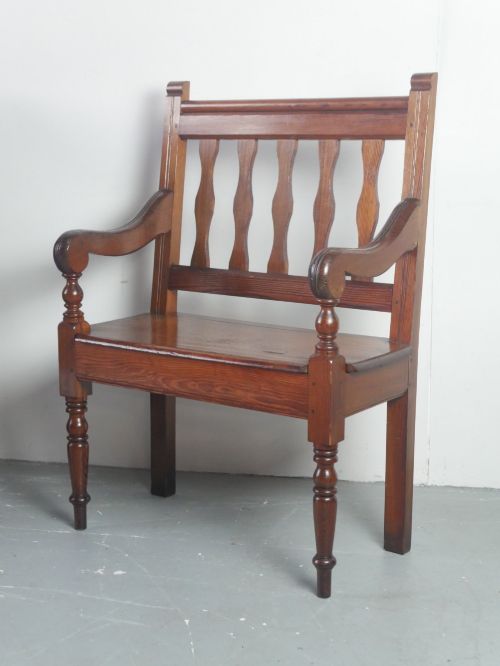
Solid oak provides the structural backbone for the vast majority of these items, utilised extensively for pews, benches, lecterns, and architectural panels. Carpenters and joiners relied on traditional framing and thick timber to endure heavy daily use within chapels and churches.
Surface ornamentation frequently incorporates applied gesso, gold leaf, and polychrome paint, particularly on Italian and continental figures, busts, and angel wings. Master carvers shaped these pieces from hardwoods and softer woods before applying detailed colour and metallic leaf layers.
Antique Church Carving Retail Price Guide 2026
Typical asking prices for church carving among the pieces listed under this phrase on Sellingantiques today, from the lower quarter to the upper quarter. They describe what is for sale here now, not the wider market.
One remarkably niche offering is a chip-carved foot stove from Frisian origins, designed to keep toes warm during freezing sermons.
Judging quality in ecclesiastical woodwork
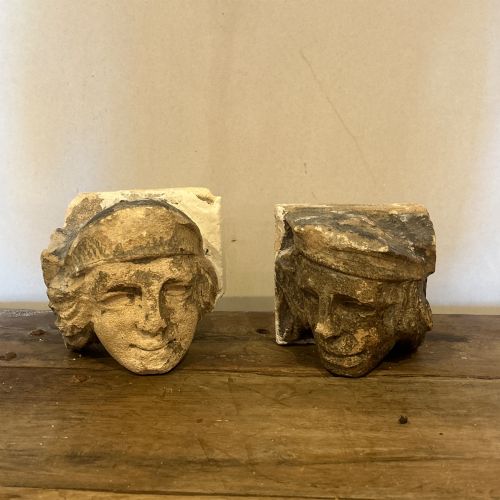
Quality rests upon the depth, crispness, and artistic ambition of the hand-carved detail, distinguishing spirited regional folk art from routine workshop production. Sculptures displaying complex iconography, such as figures standing on the half moon or life-size depictions of saints, demand superior sculptural proficiency.
The integrity of the original surface finish, whether aged polychrome paint, distressed giltwood, or patinated oak, dictates the visual power of a piece. Survival of early surface layers without modern intervention elevates historical significance considerably.
The Antique Church Carving Glossary
- Corbel
- A structural stone or wood projection supporting a weight above it. These architectural elements often feature medieval carvings.
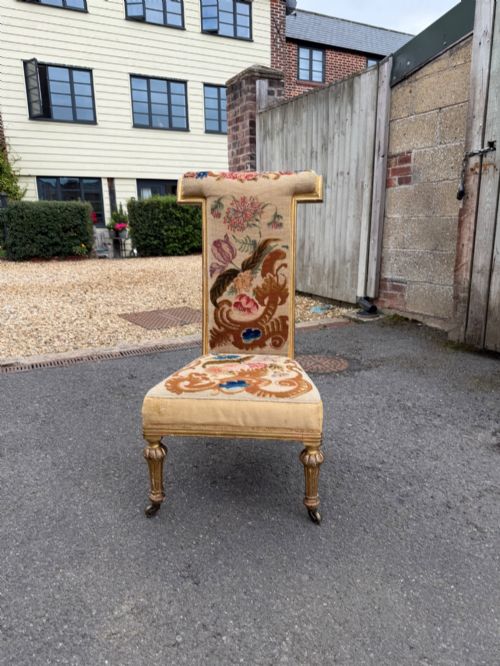
- Prie Dieu
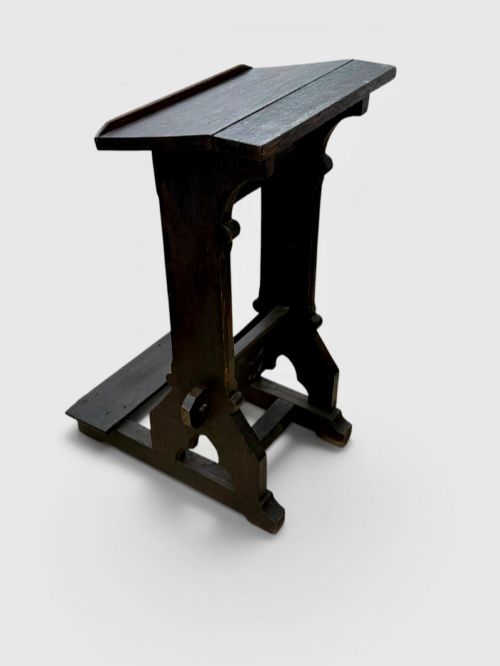
- A small devotional desk designed for kneeling during prayer, equipped with a sloping top for books. Examples frequently appear in nineteenth-century oak.
- Giltwood
- Wood carved and prepared with a thin layer of gold leaf applied over gesso. This technique defines many baroque altar candlesticks and decorative wings.
- Polychrome
- Decorated in multiple colours. This paint technique brings medieval and eighteenth-century saint figures to visual life.
- Pricket
- A sharp spike on a candlestick designed to hold a candle securely in place. These form the central mechanism of antique altar candle holders.
Antique Church Carving: Frequently Asked Questions
How were church pews and benches used?
Church pews and benches provided communal and individual seating for congregations during lengthy services, sermons, and prayers. Heavy timber construction ensured they withstood constant use within busy parish churches and chapels.
Over time, many of these sturdy oak seats transitioned into domestic hallways, dining rooms, and libraries. Their architectural lines make them natural anchor pieces for large entryways.
How do I care for antique wood and gilt surfaces?
Preserving antique wood and delicate gilt surfaces requires maintaining stable indoor humidity away from direct sunlight and heat sources. Gentle dusting with a dry, soft cloth prevents particulate buildup without harming aged finishes.
Avoid applying modern liquid polishes or aggressive cleaning agents to polychrome paint or gold leaf. Respecting the natural patina ensures the historical surface remains intact for decades.
How can I tell the period of a carved figure?
Dating a carved figure relies on examining tool marks, timber shrinkage, stylistic clothing folds, and the composition of underlying gesso layers. Earlier pieces from the sixteenth century and earlier often display distinct adze marks and medieval gothic conventions.
Later Victorian Gothic Revival works frequently reinterpret these historical motifs with nineteenth-century manufacturing methods. Comparing known regional sculpture styles helps narrow down the exact decade of creation.