


Antique Chinoiserie Bronzes
These antique chinoiserie bronzes combine European metalwork with Eastern decorative motifs, offering collectors striking items for ornamental display.
Antique Chinoiserie Bronzes
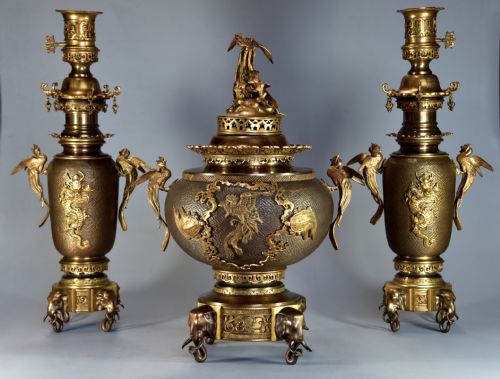
When searching for antique chinoiserie bronzes, buyers encounter decorative objects shaped by European interpretations of East Asian art. These pieces draw from eighteenth, nineteenth and early twentieth century periods, reflecting diverse stylistic influences including French Rococo and Japonisme.
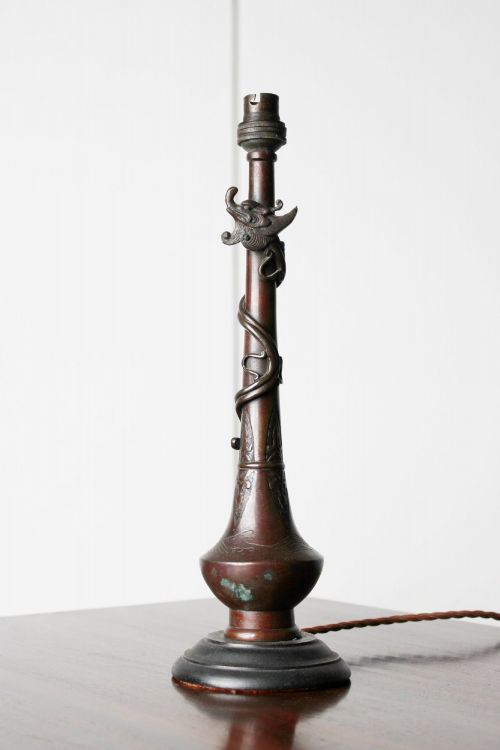
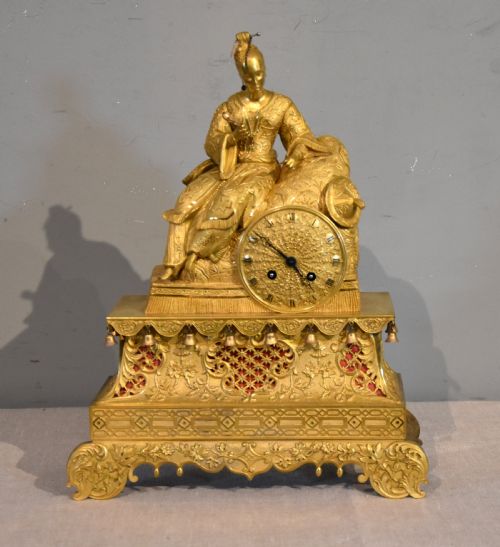
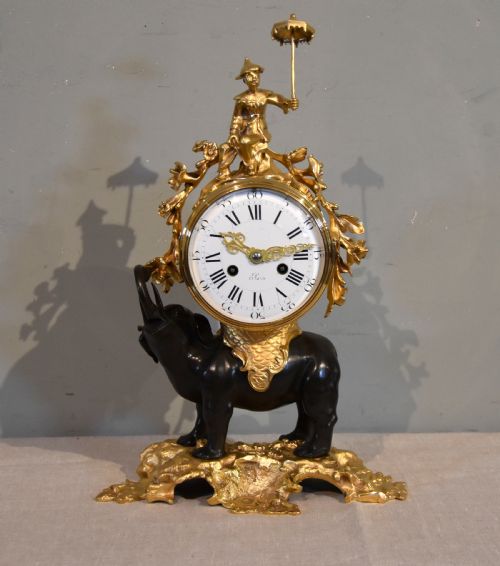
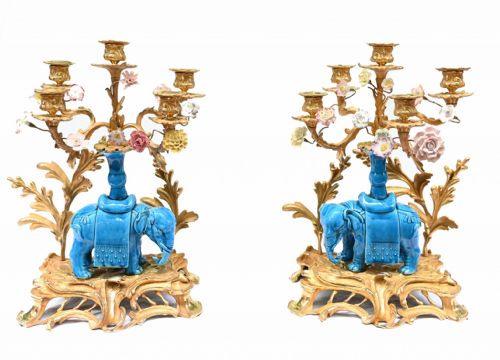
The selection centres heavily on functional and decorative forms mounted in gilt metal. Table lamps adapted from porcelain vases, figural mantel clocks, and candelabras appear frequently alongside occasional tables and desks.
Many items incorporate porcelain components such as Rose Medallion, Famille Verte and Canton wares set within metal mounts. Others utilise patinated bronze or white metal cast into specific figurative shapes like elephants and Chinese figures.
How antique chinoiserie bronzes were made
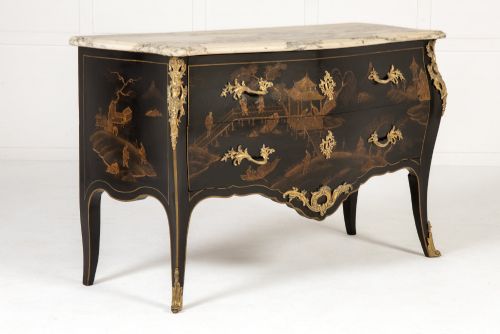
Craftsmen produced these works using cast bronze, brass and ormolu for the structural mounts and decorative frames. Gilt and patinated finishes provided varied surface textures, often paired with cloisonné enamel or japanned lacquer.
Ceramic bodies including porcelain and earthenware were frequently drilled and fitted with metal mounts to serve as lamps or inkwells. Wood surfaces received red lacquer or japanned decoration to complete the East Asian aesthetic.
Materials recorded across the inventory cover gilt bronze, ormolu, brass, porcelain, enamel, fabric, and wood.
What varies in quality in antique chinoiserie bronzes
Quality separates through the crispness of the bronze casting and the depth of the gilding or ormolu work. Finer examples display meticulous hand-chiselling on the metal mounts rather than smooth, factory-cast surfaces.
The integration between the ceramic body and the metal mounts indicates superior construction. Pieces showing thoughtful adaptation of porcelain vases into lamps retain their original balance and proportion.
Gabriel Viardot·Mercier Frères·Moser
The Antique Chinoiserie Bronzes Glossary
- Chinoiserie
- European artistic style reflecting Chinese motifs and decorative techniques. This aesthetic influenced furniture, metalwork and ceramics throughout the eighteenth and nineteenth centuries.
- Ormolu
- Gilded bronze used extensively for decorative mounts on furniture, clocks and porcelain. The technique involves applying a mercury and gold amalgam to the bronze base.
- Japonisme
- European fascination with Japanese art that influenced design during the late nineteenth century. It appears alongside chinoiserie in decorative metalwork and furniture.
- Japanned
- European imitation of East Asian lacquerwork applied to wood furniture and objects. The process involves building up layers of varnish and polishing the surface.
- Famille Verte
- Chinese porcelain palette dominated by green enamels, produced during the Qing dynasty. These vases frequently appear mounted as lamps in nineteenth century collections.
Antique Chinoiserie Bronzes: Frequently Asked Questions
What periods do these pieces date from?
The selection spans from the eighteenth century through the nineteenth century and into the Edwardian era and nineteen-thirties.
Most items originate from the nineteenth century, reflecting periods of intense European interest in East Asian design.
How were these metal mounts used originally?
Many mounts served as decorative frames for clocks, candelabras, and desk accessories like inkwells.
Others were added later to imported porcelain vases to transform them into functional table lamps.
What materials appear alongside the bronze?
Makers combined gilt bronze and ormolu with porcelain, cloisonné enamel, and fabric.
Wood appears in commodes, desks, and occasional tables featuring red lacquer and japanned finishes.
How do I identify japanned lacquer?
Japanned surfaces display layered varnishes imitating Asian lacquerwork on wooden furniture and occasional tables.
This technique produced glossy finishes decorated with raised motifs in gold and contrasting colours.