



Antique Chinese Trinket Box
An antique Chinese trinket box is a compact vessel for keepsakes, offering intricate carved lacquer, silver or porcelain crafted for export or domestic use.
Antique Chinese Trinket Box
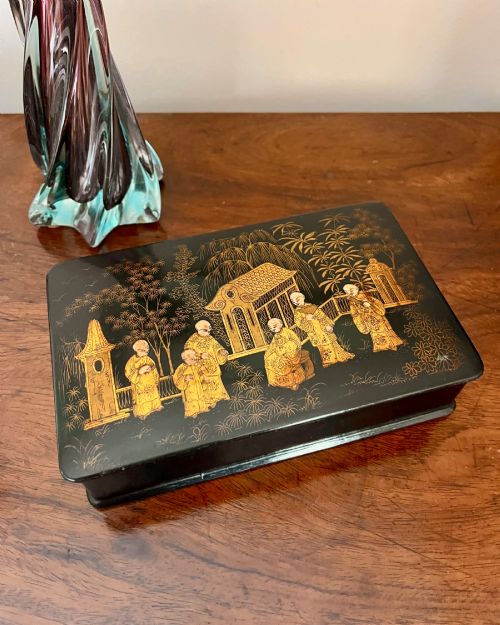
An antique Chinese trinket box encompasses small lidded containers formed from materials including cinnabar lacquer, silver, hardwood, and porcelain. These vessels served functional roles for keepsakes, snuff, cigarettes, or writing implements.
The examples found here range from the eighteenth century through the Qing Dynasty and the early twentieth century, including Chinese export and Chinoiserie styles. Buyers meet pieces shaped as small decorative cases, caskets, and lidded boxes.
The primary focus remains on small decorative storage items made for Western export markets as well as domestic Qing contexts. Each piece reflects traditional ornamentation such as dragons, lotus motifs, and enamel painting.
How they were made
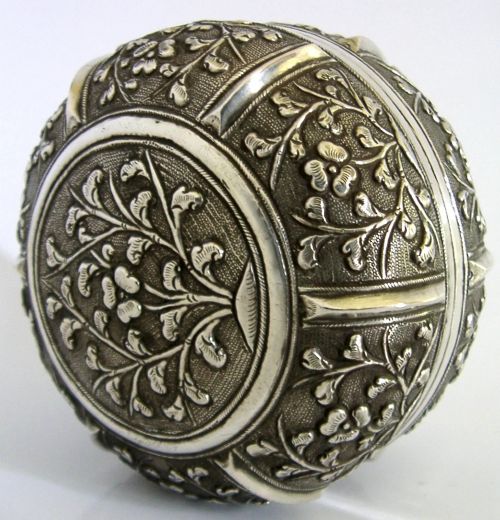
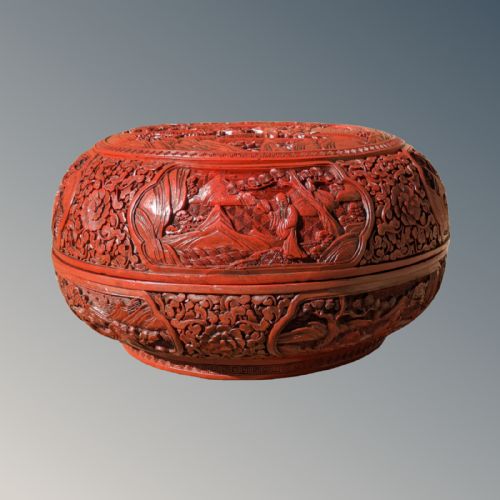
Makers applied layers of cinnabar lacquer to a core before carving detailed figurative or floral scenes into the hardened surface. Alternatively, silversmiths hammered and chased solid silver or silver plate to create high-relief dragon and bamboo motifs.
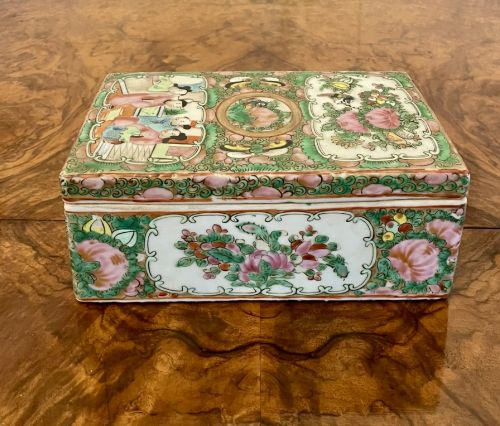
Woodworkers constructed hardwood bodies and inlaid them with mother of pearl for contrasting surface patterns. Potters shaped porcelain into pen and trinket boxes, painting them with famille rose, famille verte, or blue ground enamel.
Materials across these listings span cinnabar lacquer, sterling silver, hardwood, mother of pearl, and porcelain.
What varies in quality
The depth and precision of the carving in cinnabar lacquer or the crispness of chased detail in silver distinguish finer examples. Shallower work lacks the dimensionality seen in pieces produced during imperial periods.
The complexity of material combinations, such as hardwood paired with detailed mother of pearl inlay or multi-coloured enamel on silver, separates standard utility items from decorative works of high craftsmanship.
Wang Hing & Co·T&C
The Antique Chinese Trinket Box Glossary
- Cinnabar lacquer
- A material formed by applying numerous layers of coloured tree sap which artisans then carve deeply. It provides a heavy, tactile surface with rich red tones.
- Chinese Export
- Objects manufactured in China specifically for Western markets from the eighteenth century onwards. They often blend traditional Eastern motifs with European functional forms.
- Famille Rose
- A palette of opaque enamels dominated by pink or rose colours, introduced to Chinese porcelain during the Qing Dynasty. It allowed for nuanced shading in floral and figural designs.
- Qing Dynasty
- The final imperial dynasty of China, ruling from sixteen forty-four to nineteen twelve. Many decorative boxes originate from the later decades of this period.
Antique Chinese Trinket Box: Frequently Asked Questions
What were antique Chinese trinket boxes used for?
These small containers held personal valuables, stamps, trinkets, or specialised items like snuff and cigarettes. Their portable size made them suitable for dressing tables and desks.
Wealthy households and Western collectors utilised them for display as much as for storage, appreciating the fine craftsmanship of the exterior decoration.
How do I identify a Qing Dynasty box?
Qing Dynasty boxes often feature traditional motifs such as dragons, bats, and lotus flowers executed in cinnabar lacquer, carved hardwood, or painted enamel. Examining the base and interior materials helps confirm the period.
Stylistic markers align with eighteenth and nineteenth-century manufacturing techniques recorded across export and domestic workshops.
What is Chinese export silver?
Chinese export silver refers to items produced by Chinese silversmiths for foreign buyers during the nineteenth and early twentieth centuries. These pieces typically carry maker marks alongside traditional dragon or bamboo decoration.
Items range from small trinket boxes to cigarette cases, reflecting Western functional requirements executed through Asian artisan techniques.
How should I care for lacquer boxes?
Cinnabar lacquer benefits from stable indoor humidity and protection from direct sunlight to prevent the material from drying out. Dusting gently with a soft, dry cloth preserves the carved surface.
Avoid using liquid cleaners, polishes, or abrasive cloths on lacquer or delicate enamel surfaces to maintain the original finish.