





Antique Chinese Nephrite
These pieces of antique chinese nephrite bring centuries of master carvers' hardstone artistry straight to your cabinet.
Antique Chinese Nephrite
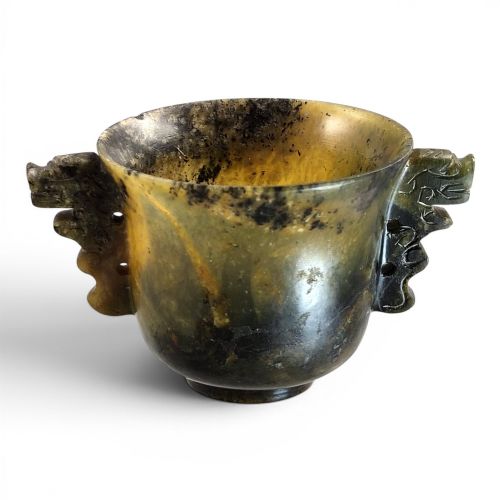
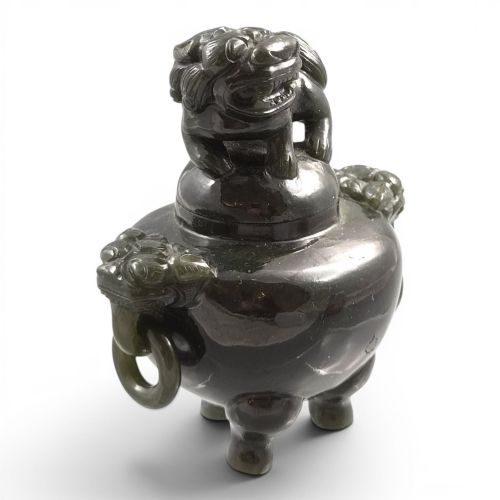
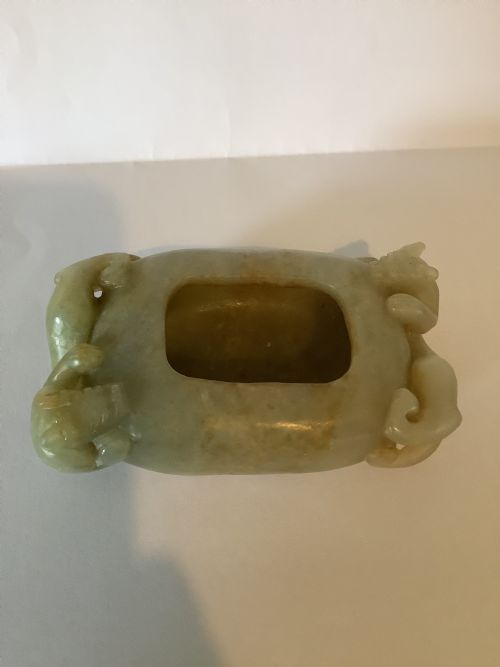
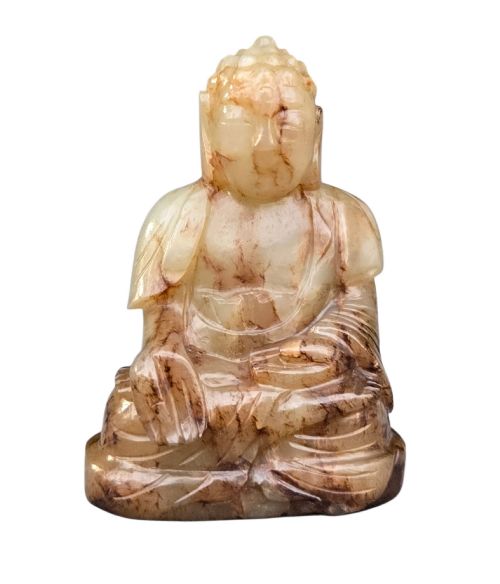
When you search for antique chinese nephrite, you encounter carved vessels, scholarly objects, and figures shaped from dense minerals across multiple dynasties and eras. The pieces span from pre-sixteenth century figures up to Republic Period pendants and nineteen-twenties carvings.
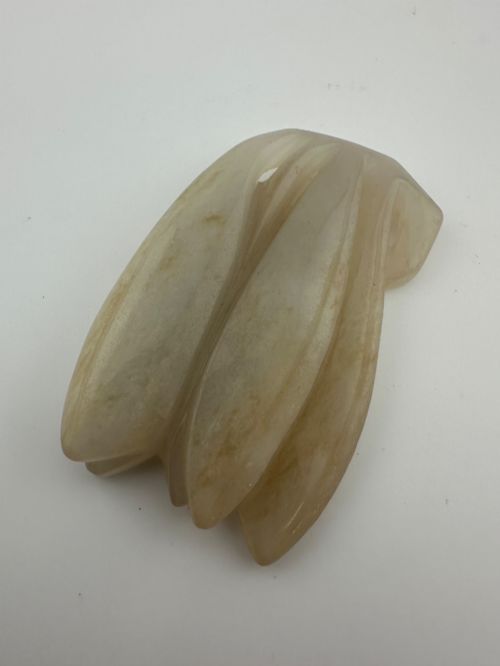
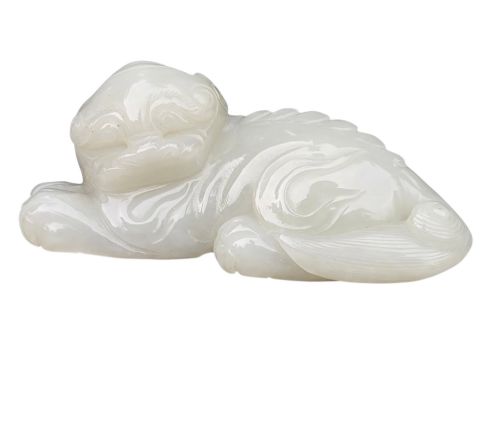
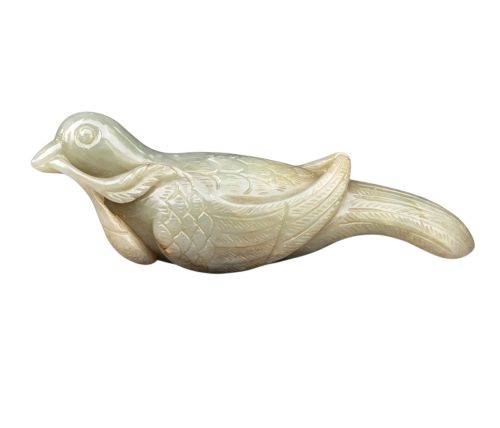
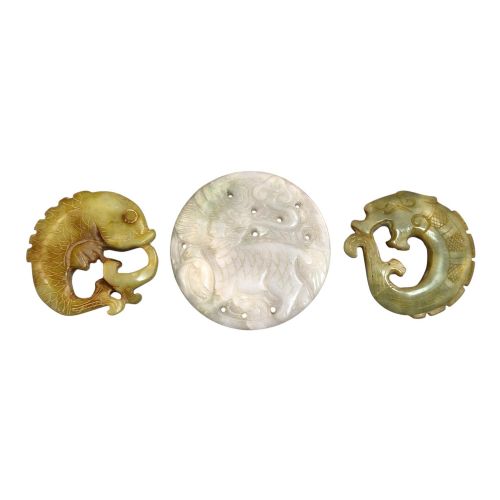
The most common forms on this page include pale celadon pendants, white jade belt buckles, lotus-form cups, and tripod censers with foo dog motifs. You also find larger landscape sculptures and detailed animal carvings representing horses, mythical beasts, and fish.
These items originate from distinct periods such as the Qing Dynasty and the Chinese Republic Period, reflecting traditional and archaistic design themes. Each item bridges utilitarian function and spiritual symbolism within historical Chinese material culture.
How they were made
Carvers shaped these dense materials using abrasive sand and water alongside spinning drills, slowly wearing away the stone rather than cutting it directly. This laborious technique required immense patience due to the toughness of nephrite and jadeite.
Listings feature items from the 18th Century Qianlong Period through to the 1930s, utilising white jade, celadon jade, and hardstone.
What varies in quality
Quality depends upon the purity and translucency of the stone, alongside the finesse and depth of the carving work. Superior examples display controlled undercutting and confident relief that respects the natural contours of the raw mineral.
The relationship between the natural material and the sculpted subject dictates the success of a piece. Finer items integrate natural russet inclusions into the composition rather than treating them as flaws to hide.
The Antique Chinese Nephrite Glossary
- Nephrite
- A compact, amphibole mineral possessing an interlocking fibrous structure that makes it extremely tough and resistant to fracture. This material forms the primary substance for traditional Chinese carved vessels and scholarly items.
- Celadon
- A pale green or grey-green tone found in natural jade and applied to ceramic glazes. It remains one of the most sought-after colour variations in historical carvings.
- Archaistic
- A design style that deliberately emulates the shapes, motifs, and patination of ancient bronzes from earlier dynasties. Carvers adopted these motifs to connect modern pieces with historical prestige.
- Bi
- A flat circular jade disc with a circular hole in the centre, often associated with ritual functions in early Chinese history. Later periods revived the form as an amulet or decorative item.
Antique Chinese Nephrite: Frequently Asked Questions
How do I care for jade?
Nephrite is physically tough and resists scratching from most household objects, but it still benefits from gentle handling. Clean pieces using warm water and a soft cloth, avoiding harsh chemical detergents that might dull the polish.
Keep carved items away from sudden temperature extremes and store them on stable surfaces or dedicated wooden stands. Regular inspection of mounts and cords ensures that pendants and mounted sculptures remain secure.
What is the difference between nephrite and jadeite?
Nephrite and jadeite are chemically distinct minerals that share a similar appearance and historical designation in Chinese art. Nephrite is an amphibole silicate with an interlocking fibrous matrix, while jadeite is a pyroxene mineral that often displays brighter apple-green tones.
Historical Chinese carvings rely almost exclusively on nephrite due to local availability and traditional preferences. Jadeite gained wider popularity during the later Qing Dynasty through trade with Burma.
How can I tell the period?
Dating relies on stylistic clues, tool marks, and the specific iconography associated with particular reigns and dynasties. Archaistic pieces from the early twentieth century often reinterpret ancient bronze patterns with different finishing techniques than actual early artefacts.
Examining the depth of the carving, the polish inside recessed areas, and any accompanying stands helps establish the historical context. Comparing the material colour against established period palettes provides additional confirmation.
What were brush washers used for?
Brush washers functioned as essential desk accessories for scholars and literati who practiced traditional Chinese calligraphy and ink painting. These shallow vessels held the water needed to clean ink brushes or dilute pigment during composition.
Carved from nephrite or hardstone, these objects served as decorative desk art that reflected the owner's refinement. Their intricate forms often incorporated naturalistic motifs like lotus leaves or swimming fish.