

Antique Chinese Chippendale
These antique Chinese Chippendale pieces bring together eighteenth-century geometric fretwork and oriental motifs for interiors that demand formal character.
Antique Chinese Chippendale
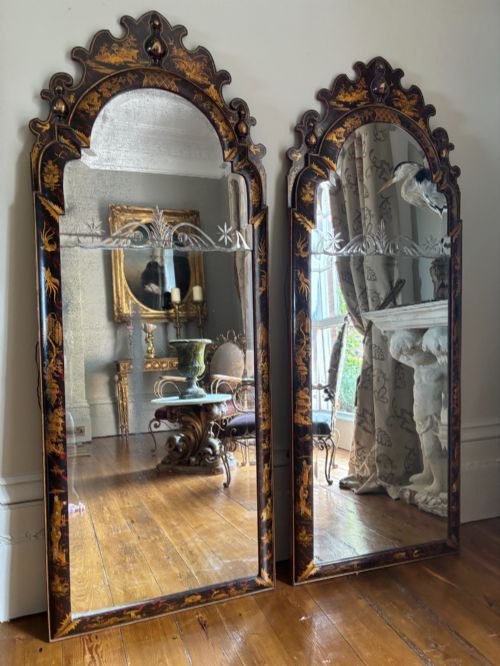
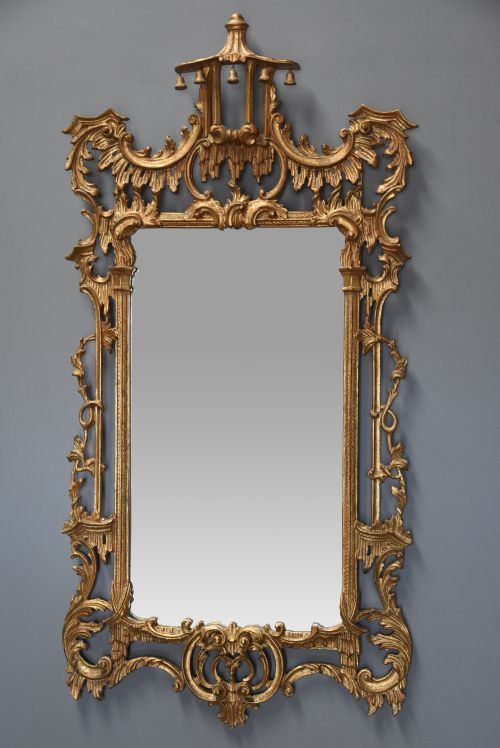
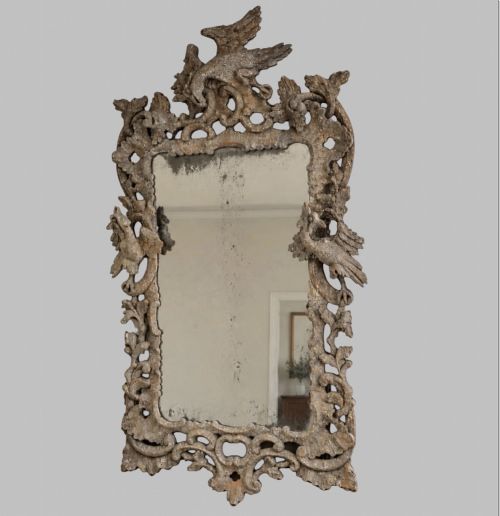
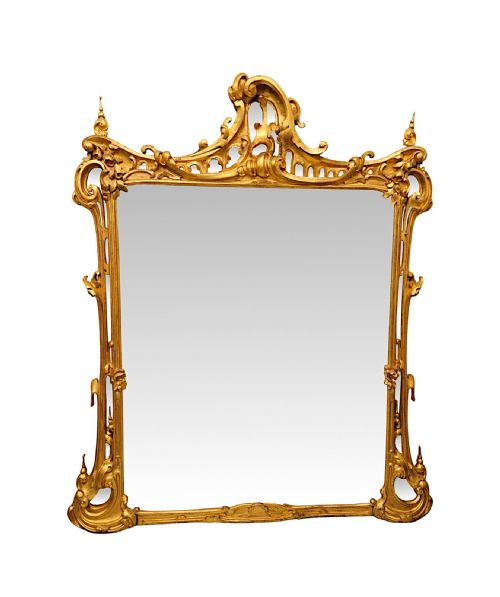
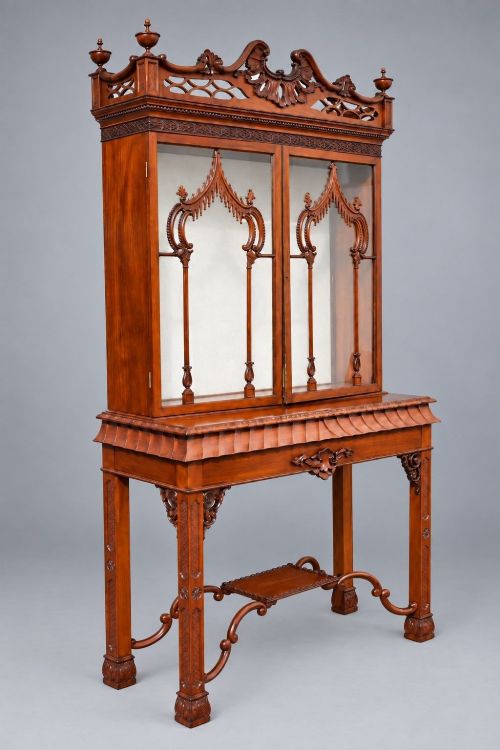
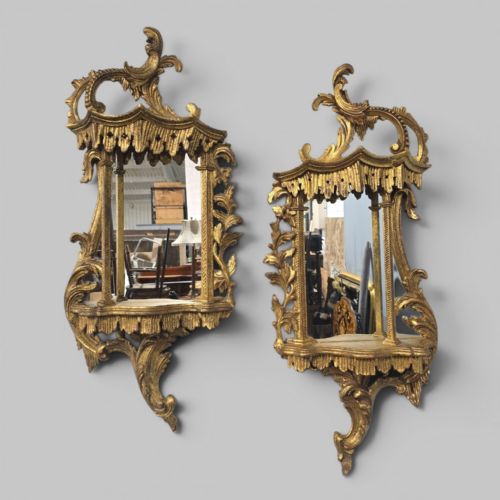
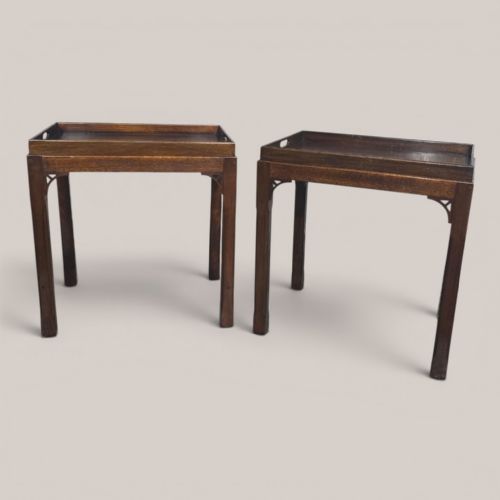
Buyers seeking antique Chinese Chippendale pieces encounter forms ranging from display cabinets and library chairs to side tables, wall mirrors, and folding screens. The design vocabulary merges rococo framework with straight, lattice-work fretwork, pagoda silhouettes, and oriental motifs.
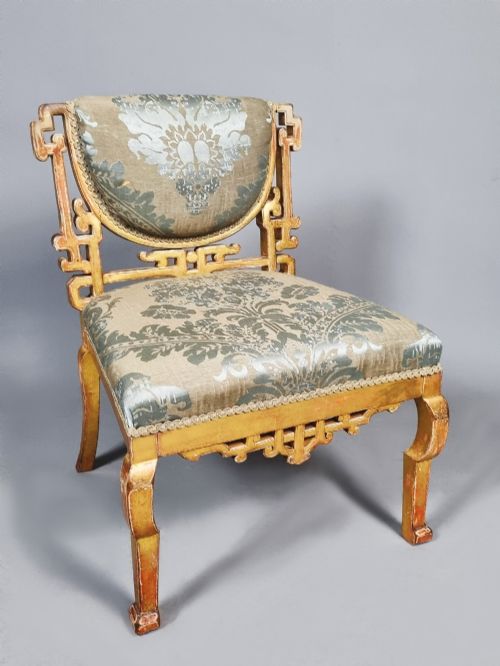
The inventory on this page spans the eighteenth century through the Edwardian era and the twentieth century, encompassing both period originals and later revival pieces. Mahogany and giltwood predominate, supplemented by coromandel, brass, glass, and fabric upholstery.
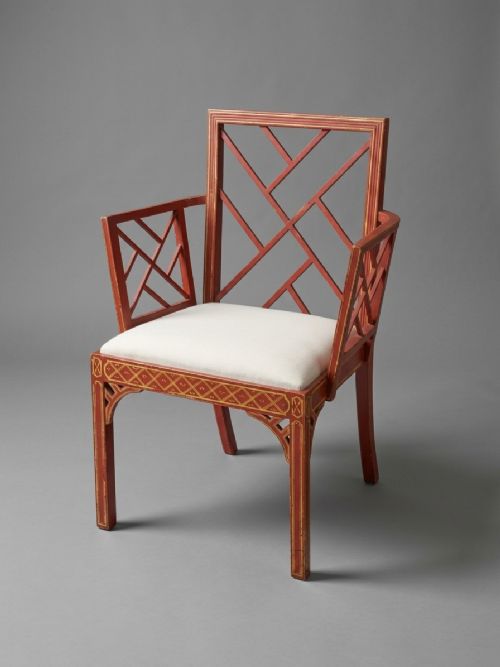
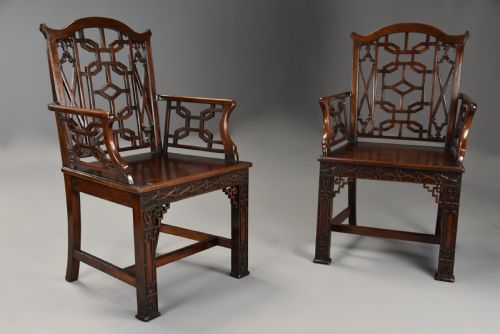
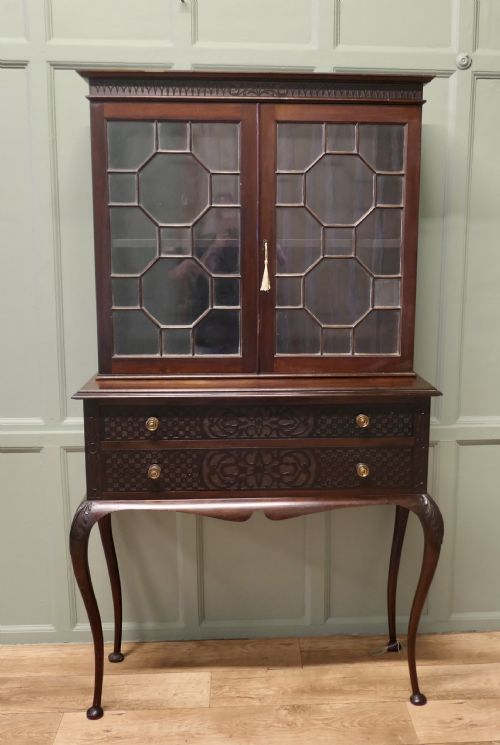
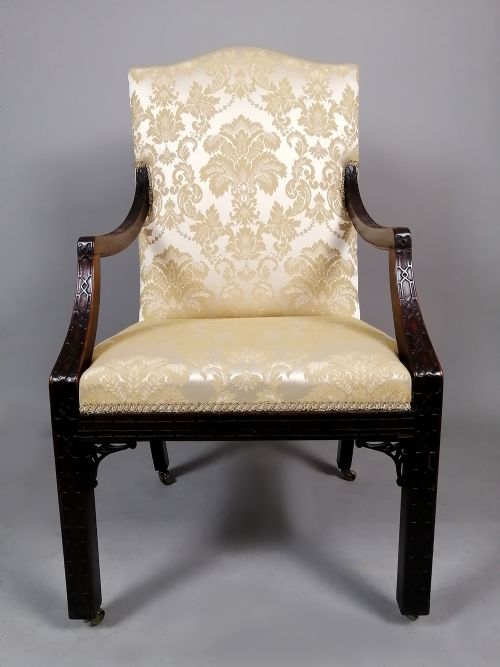
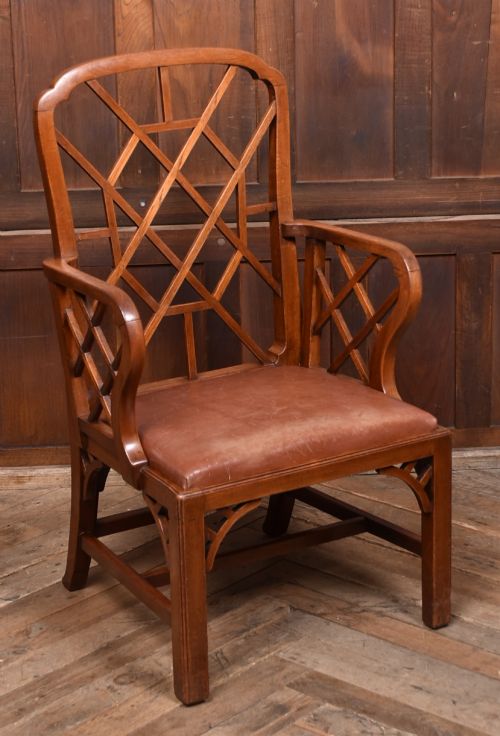
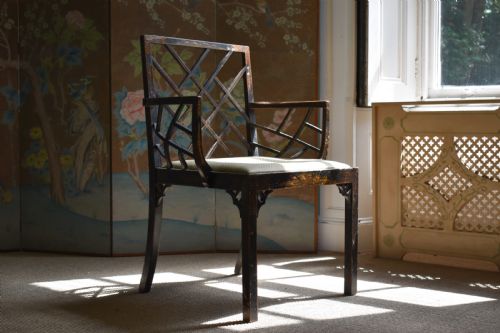
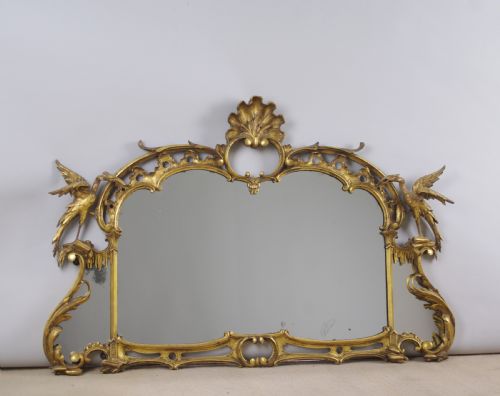
Seating forms include armchairs, side chairs, and cockpen chairs with open geometric lattice backs, alongside large case pieces such as cabinets on stands and overmantel mirrors. These objects reflect successive waves of British enthusiasm for Chinoiserie design across multiple centuries.
Factors of distinction
The refinement of the carved fretwork and the depth of the relief work dictate the visual success of each piece, distinguishing ambitious workshops from standard production. Crispness in the execution of pagoda tops, blind fret detailing, and glazing bars marks superior examples.
Material selection and the preservation of original gilt or polished mahogany surfaces govern the standing of individual items. Cohesiveness between the structural frame and applied decorative elements determines how successfully a piece embodies the style.
Antique Chinese Chippendale Retail Price Guide 2026
Typical asking prices for chinese chippendale among the pieces listed under this phrase on Sellingantiques today, from the lower quarter to the upper quarter. They describe what is for sale here now, not the wider market.
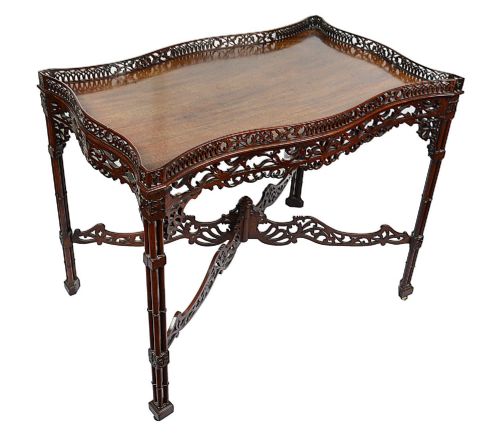
Several makers could not resist adding pagoda tops to tea tables, ensuring every cup of afternoon tea felt like an audience with the Emperor.
Thomas Chippendale·Waugh And Son·Butler
The Antique Chinese Chippendale Glossary
- Chinoiserie
- European interpretation and imitation of Chinese artistic traditions, popular in furniture, textiles, and decorative arts. It manifests through oriental figures, landscapes, and architectural motifs.
- Cockpen chair
- A chair featuring a distinctive open lattice back composed of intersecting straight wooden bars, associated with Chinese Chippendale seating. This form gained popularity during the eighteenth century and saw renewed production in the Victorian and Edwardian periods.
- Fretwork
- Decorative woodwork cut into geometric patterns, often pierced through to create an openwork design. It forms a primary decorative feature on chair backs, table rails, and display cabinet cornices.
- Giltwood
- Timber, typically lime or pine, that has been coated with fine gold leaf over a prepared gesso ground. It appears frequently on eighteenth-century mirrors and revival display furniture.
- Astragal
- Moulding profile used to hold panes of glass within a glazed door or window. In cabinetmaking, these strips create distinctive geometric panes across display cabinet fronts.
Antique Chinese Chippendale: Frequently Asked Questions
How do I date a Chinese Chippendale piece?
Dating relies upon timber characteristics, secondary woods, construction methods, and stylistic cues that distinguish eighteenth-century originals from nineteenth-century and Edwardian revivals. Cabinet work from the Georgian period displays hand-cut joinery and specific patina progression.
Revival pieces often utilise machine-sawn components or later secondary timbers while strictly copying earlier forms. Examining the backboards, interior linings, and hardware provides further chronological indicators.
What is a cockpen chair?
A cockpen chair is a specific seating form featuring an open geometric lattice back inspired by Chinese design principles. These chairs appear in both armchair and side chair formats across the eighteenth and nineteenth centuries.
The straight-legged underframe typically incorporates stretchers, matching the architectural character of the carved lattice work above.
Where should I place a display cabinet?
Display cabinets and bookcases require interior spaces protected from direct sunlight and dramatic humidity shifts to safeguard antique mahogany and glass. Placing them against principal walls allows the architectural fretwork and glazing to function as a focal point.
Ensure adequate floor clearance and stable placement, particularly for large scale cabinets on stands or overmantel mirrors.
How do I care for giltwood mirrors?
Giltwood mirrors require gentle dusting with a soft, dry brush to prevent damage to the delicate gold leaf surface. Avoid liquid cleaners, moisture, and chemical polishes entirely when maintaining these gilded frames.
Keep them away from direct heat sources to prevent the underlying gesso and wood from drying out and cracking over time.