
Antique Chinese Ceramic Jar
When you search for an antique chinese ceramic jar, you encounter vessels shaped for storage and display across centuries of pottery traditions.
Antique Chinese Ceramic Jar
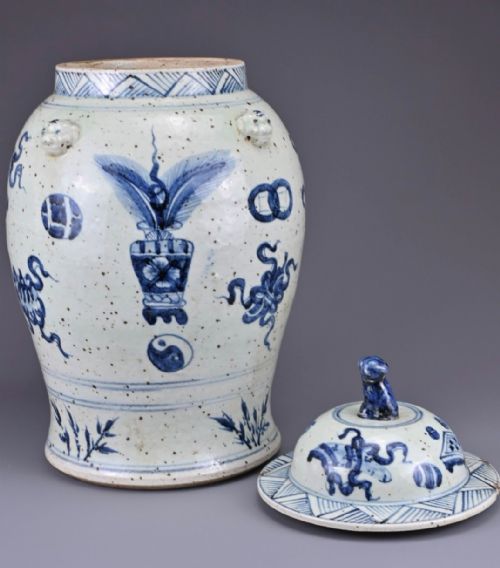
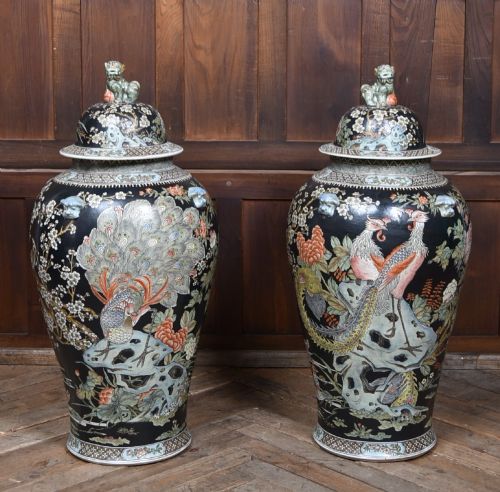
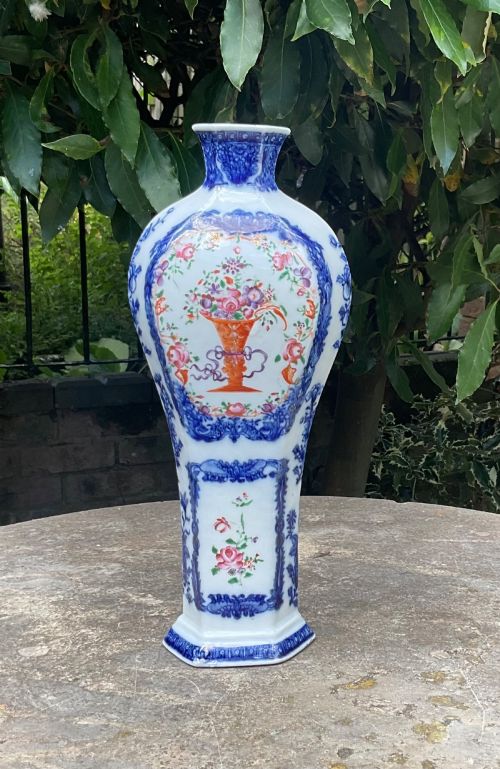
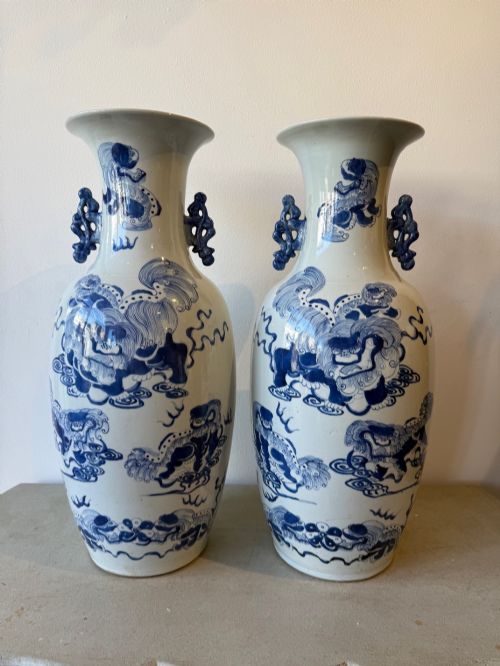
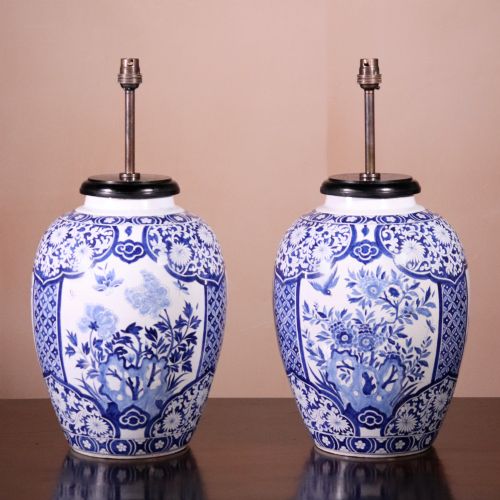
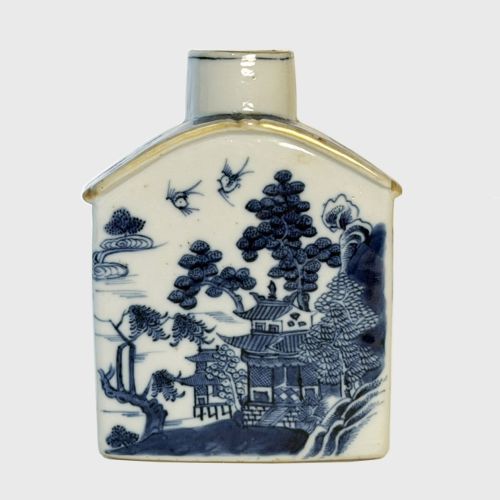
An antique chinese ceramic jar encompasses vessels formed for storage, ritual use, and display across various imperial and export periods. These pieces include ginger jars, double-gourd vases, and ginger jars fitted as table lamps.
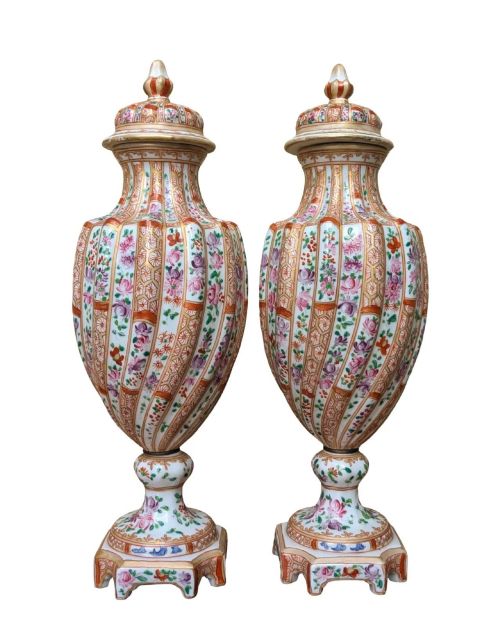
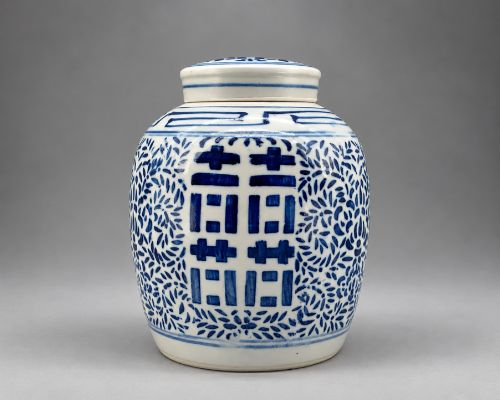
The selections span centuries of production, featuring forms from early dynasties alongside Qing Dynasty works and later revival pieces. Buyers most frequently encounter nineteenth-century blue and white porcelain jars and famille rose garnitures on this page.
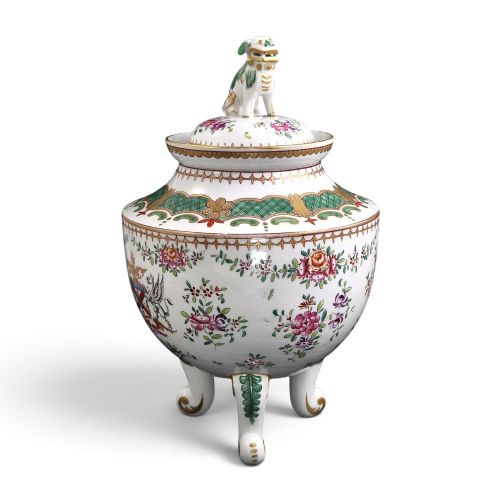
Makers shaped these containers from porcelain and earthenware, applying cobalt glaze, enamel, and celadon finishes. The assortment reflects both traditional Chinese forms and European export designs from diverse periods.
How they were made
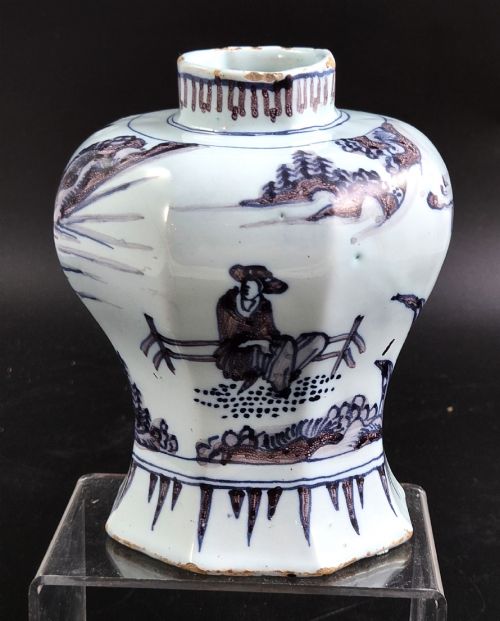
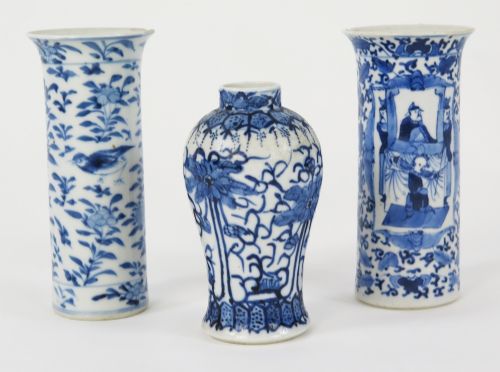
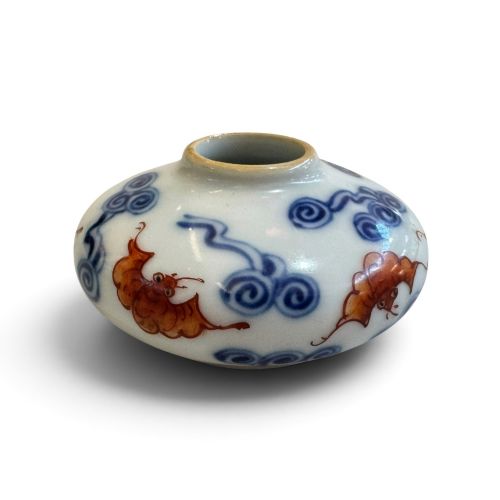
Potters shaped ceramic bodies from refined clay and porcelain, often throwing vessels on a wheel before applying detailed hand-painted motifs. Cobalt blue underglaze and polychrome enamel pigments provided the primary decoration across centuries of production.
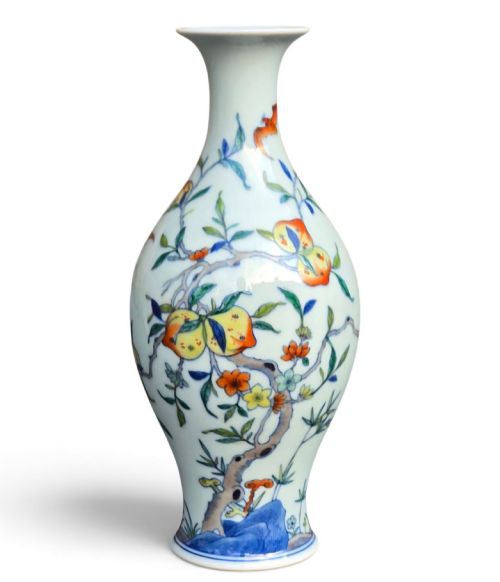
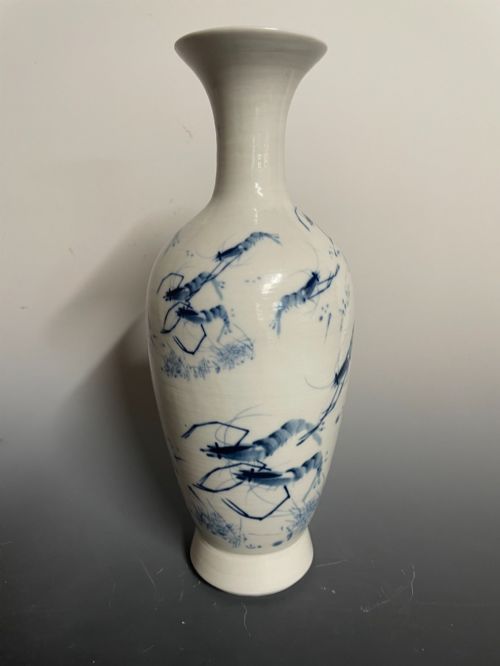
Kiln workers fired these pieces at high temperatures to achieve vitrified porcelain and durable earthenware. Glazes such as celadon, tea dust, and crackle finishes were applied to create distinctive surface textures and vitreous sheens.
Listings feature porcelain, pottery, and brass materials combined with cobalt glaze and enamel finishes across multiple centuries.
What varies in quality
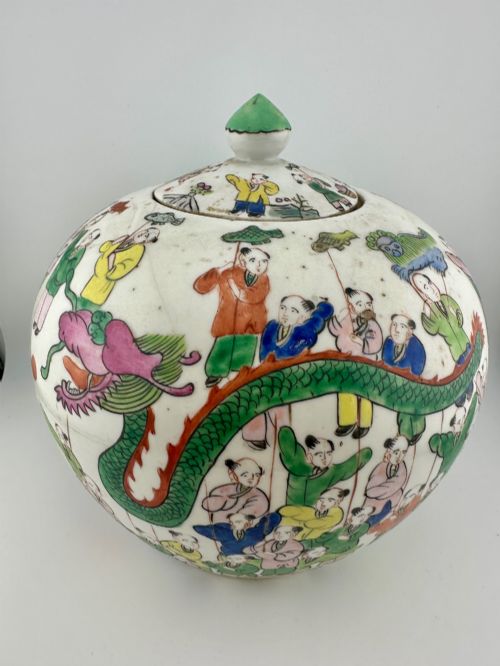
Quality rests in the precision of the hand-painted brushwork and the clarity of the underglaze pigment or enamel. Finer examples display controlled linework in complex scenes involving dragons, florals, or figurative narratives.
The purity of the ceramic body and the consistency of the glaze application distinguish superior pieces from standard production. Well-executed pieces maintain balanced proportions and crisp details across covers, bodies, and marks.
Samson Paris·Jingdezhen
The Antique Chinese Ceramic Jar Glossary
- Famille rose
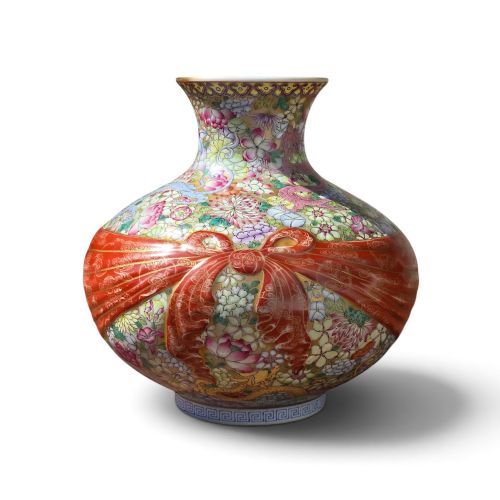
- A palette of opaque enamels dominated by pink or rose colours, introduced during the Qing Dynasty. This technique allowed for shaded floral and figurative depictions.
- Underglaze blue
- A decoration method where cobalt pigment is applied directly to the unglazed clay body before receiving a clear glaze and kiln firing. The method produces deep blue designs beneath a glassy protective layer.
- Ginger jar
- A broad-shouldered container originally designed to store spices, frequently found with a matching ceramic cover. These vessels later became decorative staples in export markets.
- Celadon
- A transparent jade-green glaze over a pale ceramic body, created through iron oxide in a reduction kiln fire. The finish mimics the appearance of carved jade.
- Double-gourd
- A vessel form consisting of two bulbous sections stacked vertically, representing prosperity and good fortune. This silhouette appears in various ceramic styles across dynasties.
Antique Chinese Ceramic Jar: Frequently Asked Questions
How do I date a blue and white jar?
Dating relies on examining the painting style, potting technique, and any base marks present on the ceramic body. Stylistic shifts between early dynasties and later Qing periods reveal distinct manufacturing practices.
Comparison with documented examples helps narrow down the period of production. Cobalt hues and glaze characteristics also provide clues to the age of the vessel.
Were all ginger jars used for spices?
While initial forms served practical storage functions for items such as salt, oil, and spices, many later pieces were made specifically for ornamental display. Export markets eagerly sought these vessels for interior decoration.
Over time, the form evolved into a standard decorative element rather than a utilitarian container. Lidded jars often remained paired with matching vases in garniture sets.
What is the difference between porcelain and pottery?
Porcelain is a specific type of high-fired ceramic made from kaolin clay that becomes white, vitrified, and translucent. It rings when struck and absorbs no moisture.
Pottery encompasses broader earthenware and stoneware categories fired at lower temperatures. These bodies remain opaque and porous unless heavily glazed.
How should I display a jar lamp?
Jar lamps require stable placement on level surfaces away from heavy traffic areas where cords might be pulled. Ensuring adequate clearance around the shade protects the ceramic body from accidental impacts.
Positioning the piece near natural light can highlight the glaze texture and underglaze painting. Regular dusting with a soft cloth preserves the finished surface.