


Antique Chinese Ceramic Figure
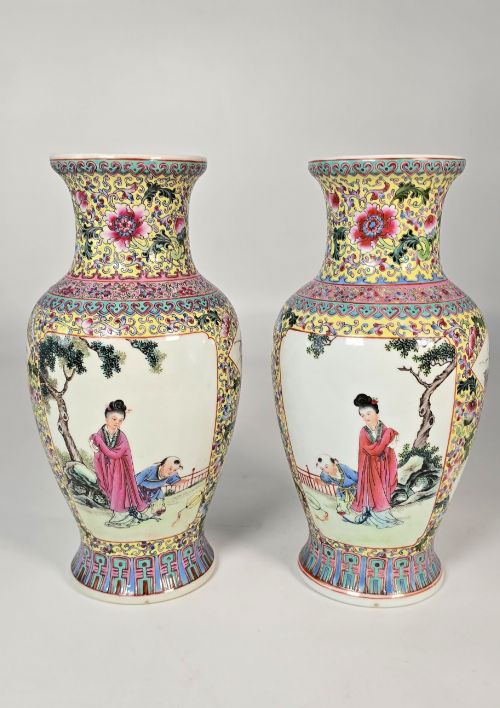
These antique chinese ceramic figure examples span centuries of kiln craft, offering collectors glazed terracotta, earthenware, and porcelain representations of deities, animals, and scholars.
Antique Chinese Ceramic Figure
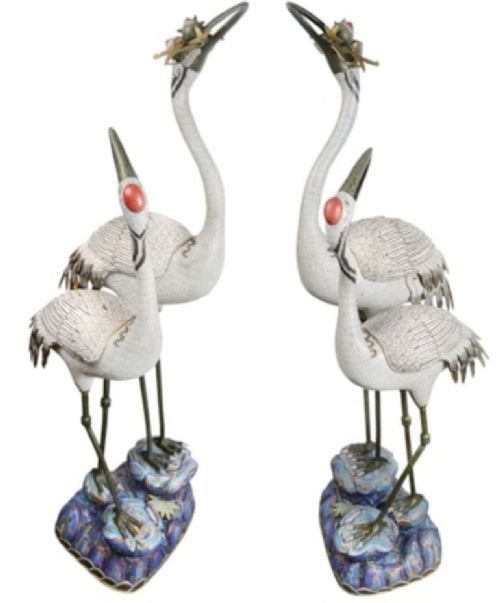
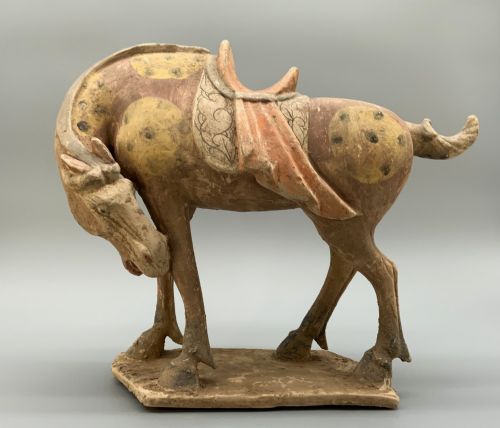
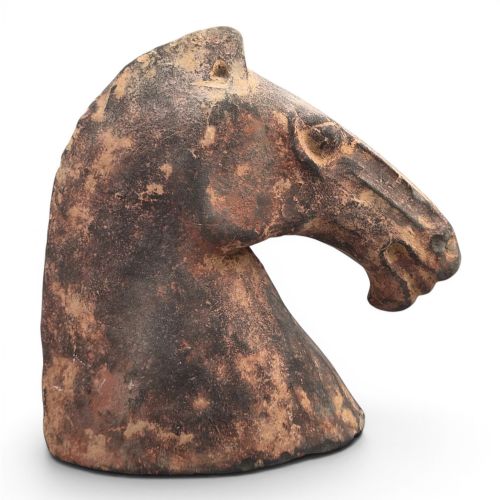
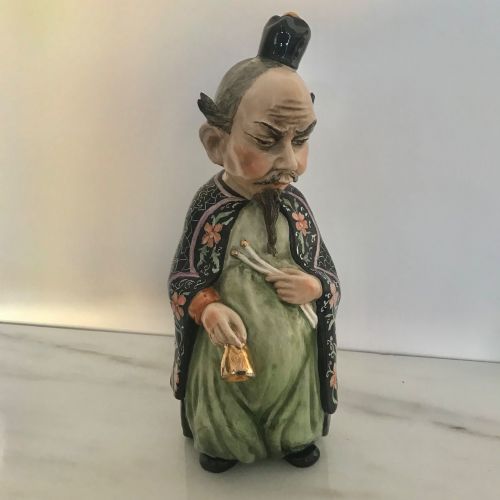
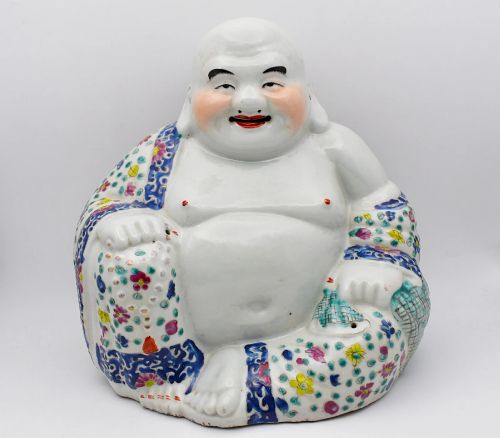
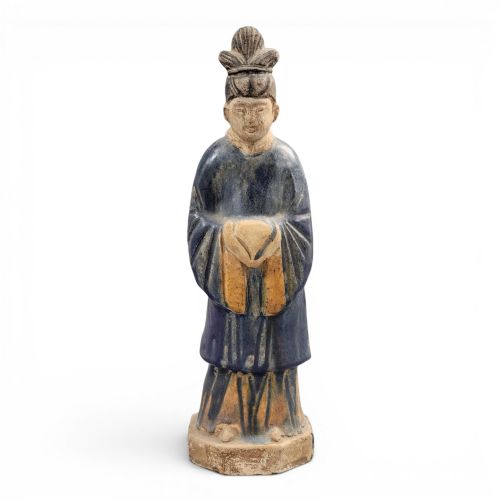
An antique chinese ceramic figure encompasses diverse forms ranging from early pottery horses and court attendants to Qing dynasty porcelain immortals and laughing buddhas. Buyers encounter figures spanning pre-16th century dynasties up through the Chinese Republic period and the early 20th century.
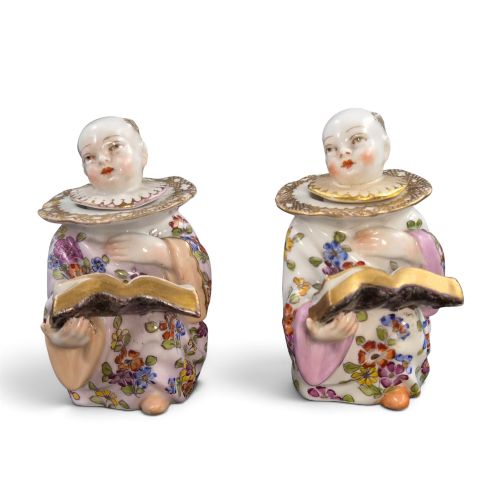
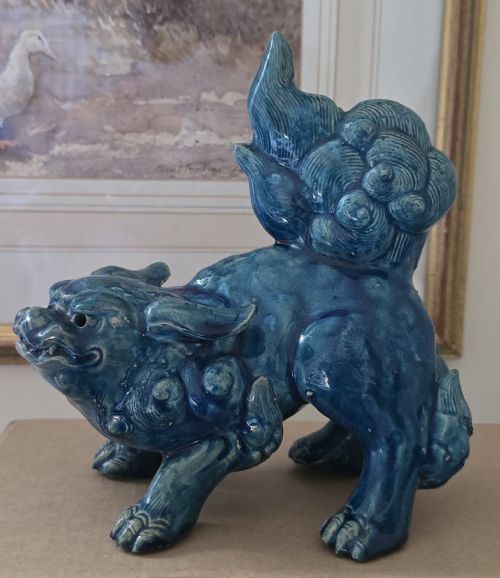
The selections include decorative figurines, funerary tomb figures, figural inkwells, snuff bottles, and brush pots depicting cultural motifs, animals such as foo dogs, and revered figures like Budai and Guanyin.
Materials and production
Potters utilised earthenware, soft-paste porcelain, and terracotta bodies shaped by hand or moulded into sculptural forms. Sancai glazes, enamel decoration, gold leaf, and turquoise or yellow glazes added colour and surface variation.
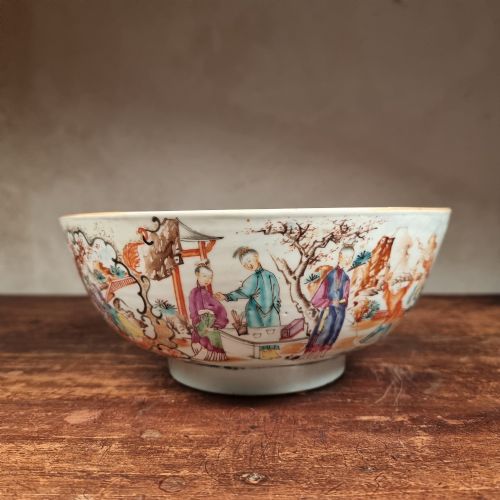
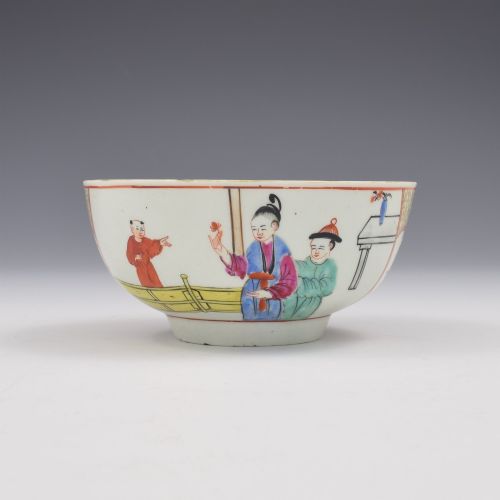
Kiln techniques evolved from early unglazed or painted low-fired burial wares to high-fired porcelain decorated with famille rose enamels and detailed underglaze pigments.
Object forms on this page include utilitarian vessels like brush pots and sauce boats alongside purely decorative figurines, laughing buddhas, and foo dogs.
Gradations in craftsmanship
Quality rests in the precision of the modelling, the vibrancy and control of the enamel or sancai glaze application, and the preservation of the ceramic body over time. Earlier pieces rely on sculptural vigour, while later porcelain items depend on refined brushwork and facial expression.
The integrity of the glaze, the clarity of mark or period style, and the crispness of moulded details distinguish standard decorative items from finer works of art.
Edmé Samson·Bow Porcelain·Zhu Mao Ji·Gao Hengsheng
The Antique Chinese Ceramic Figure Glossary
- Sancai
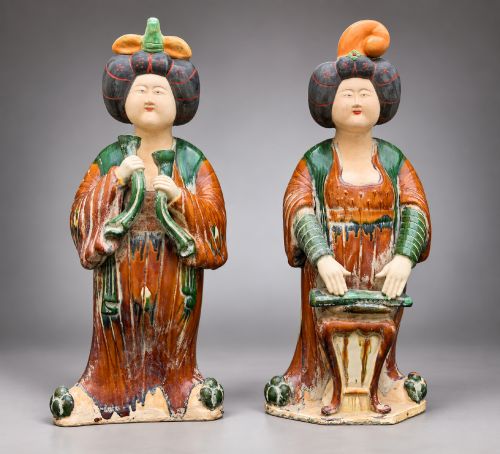
- A traditional type of lead glaze used in Chinese pottery, typically employing three colours such as amber, green, and creamy white. It appears frequently on Tang dynasty style funerary figures and horses.
- Famille Rose
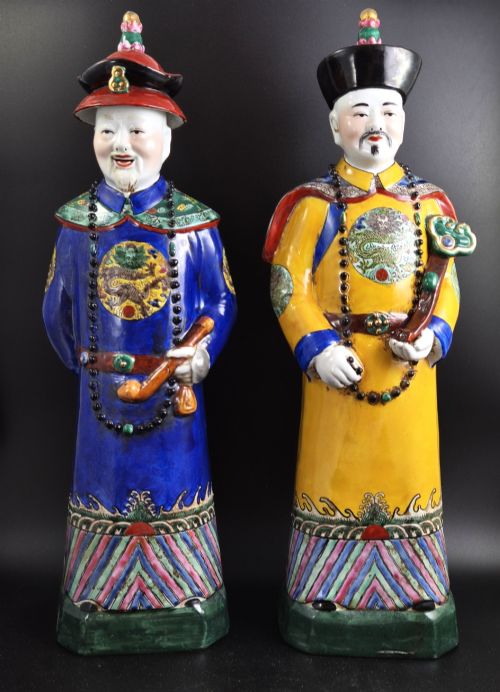
- A major palette of Chinese ceramic enamels introduced in the Qing dynasty, distinguished by opaque pink or rose colours derived from colloidal gold. This palette dominates many 18th and 19th-century figural works.
- Terracotta
- Unglazed or fired porous clay utilised extensively for early tomb figures and horse heads. It provides a tactile, matte surface texture characteristic of ancient funerary art.
- Mingqi
- Ancient Chinese spirit objects and burial items placed in tombs to accompany the deceased. These figures often include dancers, attendants, and animals intended to serve the afterlife.
Antique Chinese Ceramic Figure: Frequently Asked Questions
What are sancai glazed figures?
Sancai glazed pieces feature multi-coloured lead glazes, typically combining amber, green, and white tones. Potters applied these to pottery horses, camels, and court attendants.
This technique is most closely associated with Tang dynasty style funerary ceramics, capturing vivid surface runs across the moulded clay body.
How do I identify a Qing dynasty figure?
Qing dynasty figures often utilise famille rose enamels, turquoise glazes, or detailed porcelain modelling depicting immortals, deities, and scholars. Their decoration reflects the flourishing ceramic output of Jingdezhen.
Examining the base for reign marks, the fineness of the enamel work, and the style of the clothing helps separate Qing pieces from later reproductions.
What is the difference between tomb figures and scholar items?
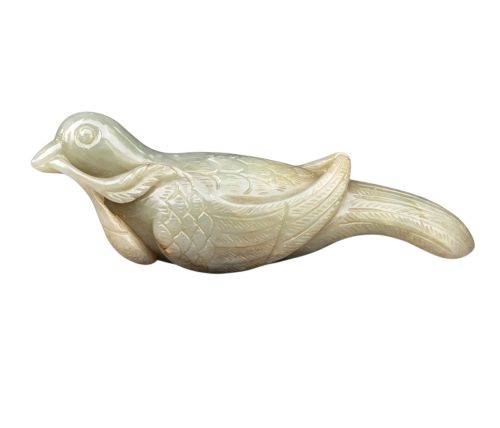
Tomb figures, or mingqi, were created for burial to serve the deceased in the afterlife, often taking the form of terracotta horses, dancers, or attendants from early dynasties. Scholar items were desk accessories like brush pots or water birds used by literati.
While tomb pieces are typically earthenware intended for subterranean placement, scholar ceramics are refined porcelain or pottery meant for display and daily scholarly use.
How should I display porcelain figures?
Porcelain and ceramic figures require stable shelving away from high-traffic areas where they might be knocked or dropped. Ambient lighting helps highlight the glaze details and enamel colours without generating excessive heat.
Keeping them indoors away from extreme temperature fluctuations protects the glaze integrity and any applied gold leaf.