


Antique China Milk Jug
An antique china milk jug brings eighteenth-century elegance and nineteenth-century colour directly to the breakfast table.
Antique China Milk Jug
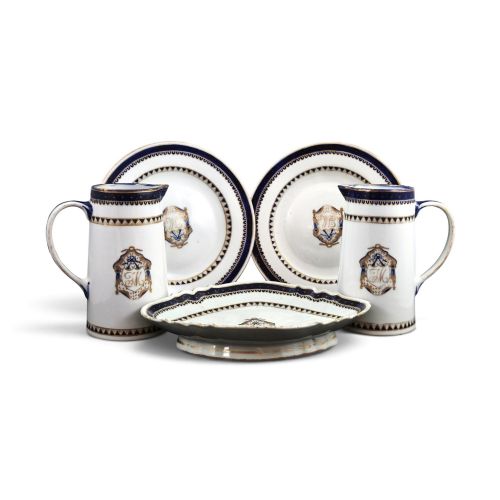
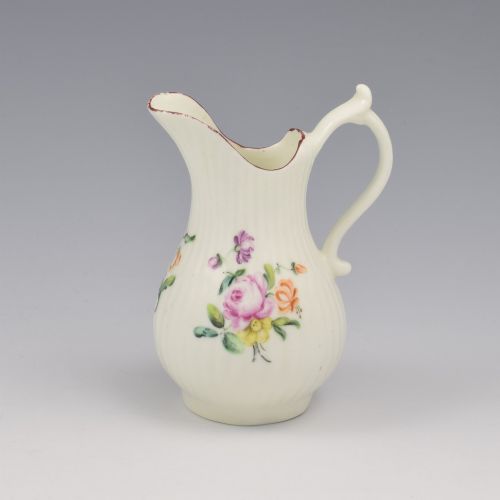
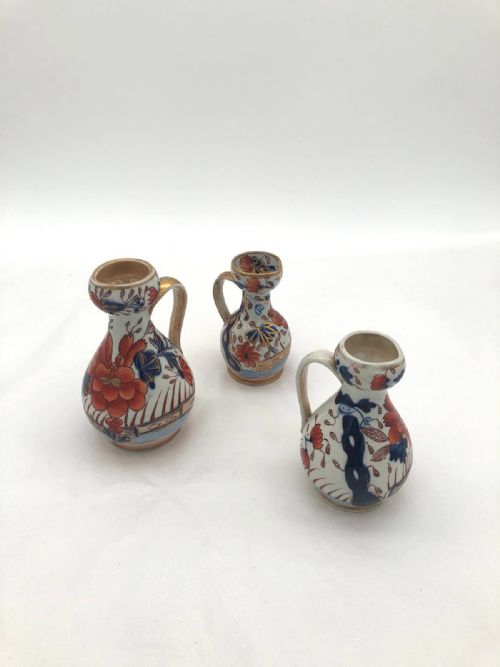
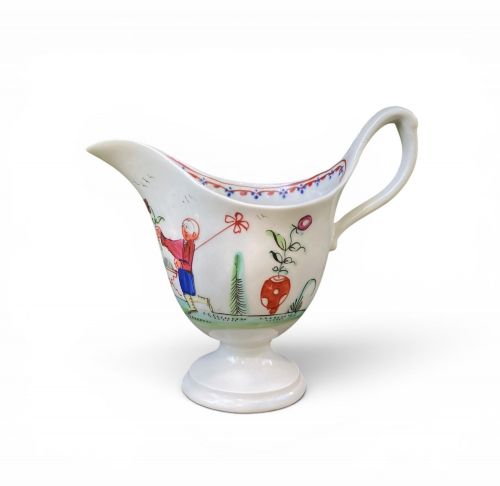
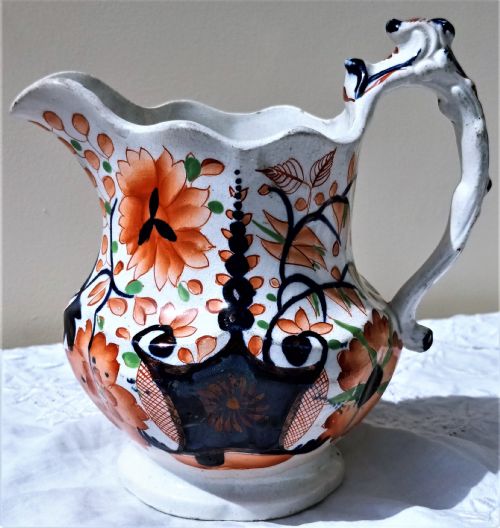
An antique china milk jug serves as a small pouring vessel designed for cream or milk during tea service. The selection spans the eighteenth and nineteenth centuries, taking forms such as sparrow beak jugs, baluster cream jugs, and pouch jugs. Buyers will frequently encounter earthenware and porcelain examples decorated with hand-painted patterns or transfer prints.
The objects originate from notable British factories and export trade routes, capturing domestic tea traditions from the Georgian and Victorian eras. Forms range from miniature vessels to robust ironstone jugs, reflecting changing household habits across several centuries.
How they were made
Potters shaped these vessels using porcelain, earthenware, and ironstone, applying liquid glazes to seal the ceramic body before firing. Artisans then hand-painted or transfer-printed floral motifs, botanical studies, and architectural scenes onto the surface.
Many examples incorporate gold leaf and gilding to highlight rims, handles, and spouts. High-temperature kilns set the colours and glaze, producing durable tableware intended for daily domestic use.
Materials across the selection include ironstone, enamel, porcelain, and gold leaf, reflecting diverse manufacturing techniques from Georgian and Victorian workshops.
What varies in quality
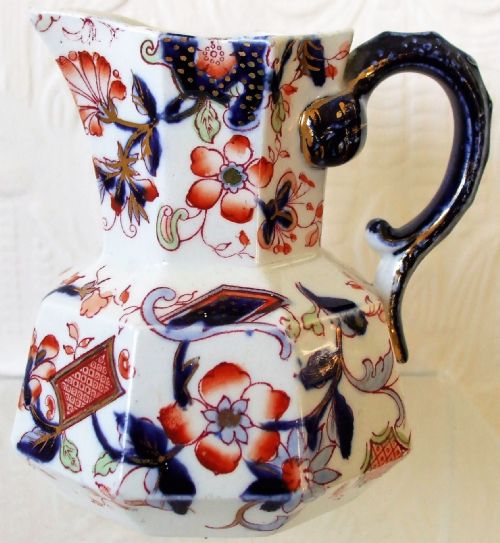
The refinement of the ceramic body and the precision of the hand-painted decoration distinguish finer examples from standard production wares. Thinner porcelain walls and crisp, well-defined moulding on shapes like hydra jugs indicate superior craftsmanship.
The crispness of the gilding and the artistic merit of painted panels, such as botanical studies or fruit motifs, elevate certain pieces. Potters who executed intricate patterns with careful brushwork created vessels of lasting visual distinction.
Mason's Ironstone·New Hall·Keeling & Co·Royal Worcester·Royal Davenport·Livesley Powell & Co·Crown Derby
The Antique China Milk Jug Glossary
- Sparrow beak jug
- A small eighteenth-century cream jug featuring a pinched spout resembling a bird's beak. These early forms are typically associated with Worcester and Chinese export porcelain.
- Ironstone
- A patented ceramic material developed in the nineteenth century for durability. It combines earthenware properties with stone china ingredients to resist chipping.
- Gilding
- The application of gold leaf or gold paint to ceramic surfaces for ornamentation. It often accents handles, rims, and painted panels on Victorian and Georgian porcelain.
- Baluster
- A bottle-like architectural shape with a rounded body tapering toward the neck. This profile frequently appears on eighteenth-century cream jugs.
- Gaudy Welsh
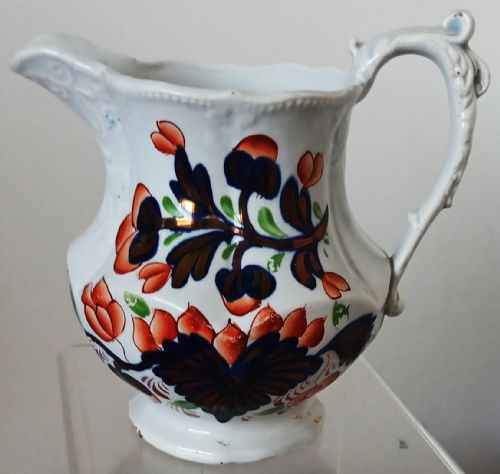
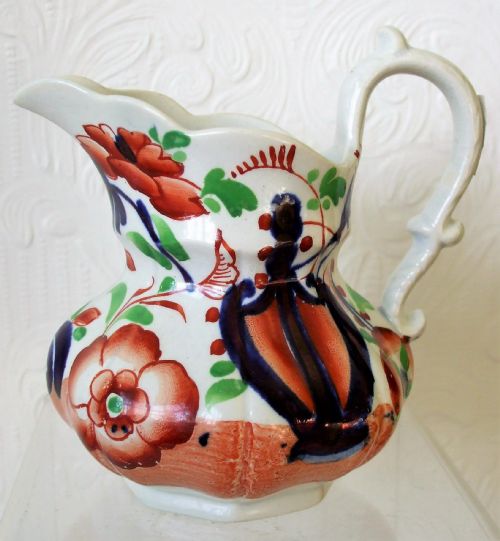
- A style of colourful pottery featuring bright cobalt blue, copper pink lustre, and iron red patterns. It gained popularity during the nineteenth century for domestic tableware.
Antique China Milk Jug: Frequently Asked Questions
How do I date an antique milk jug?
Dating relies on stylistic markers, ceramic bodies, and factory marks stamped or painted underneath. Eighteenth-century pieces often feature thin porcelain bodies and sparrow beak spouts, while nineteenth-century examples frequently utilise heavier ironstone or vibrant pottery glazes.
Examining the handle style, potting technique, and decorative motifs provides further clues to the decade of manufacture. Comparing pieces with documented factory production periods helps narrow the timeline.
What is a sparrow beak jug?
A sparrow beak jug is a small eighteenth-century cream pitcher characterised by a distinctively sharp, pinched pouring spout. These compact vessels were designed to hold cream for tea service.
They appear frequently in early porcelain wares from factories such as Worcester and Chinese export shipments. Their miniature scale makes them distinct from larger milk jugs.
Can I use an antique jug for daily service?
Most antique china and earthenware jugs remain structurally sound for serving milk or cream at the table. Hand washing is essential to preserve fragile glazes, hand-painted details, and delicate gilding.
Avoiding sudden temperature changes prevents thermal shock to older ceramic bodies. Careful handling ensures these historic vessels continue their traditional function.
What is Gaudy Welsh pottery?
Gaudy Welsh pottery is a nineteenth-century earthenware style recognised by its vibrant palette of cobalt blue, green, iron red, and copper pink lustre. It was produced primarily for domestic use in British households.
Popular patterns include floral motifs and architectural designs like the pagoda pattern. These colourful jugs bring bright decorative contrast to ceramic collections.