


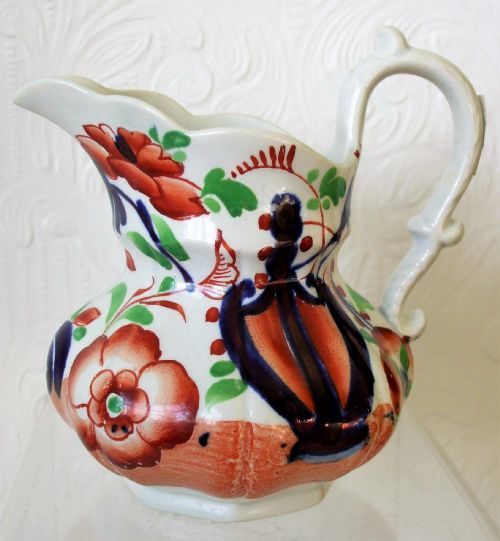


Antique China Jug
When you handle an antique china jug, you hold centuries of domestic tea tables and cabinet displays in the palm of your hand.
Antique China Jug
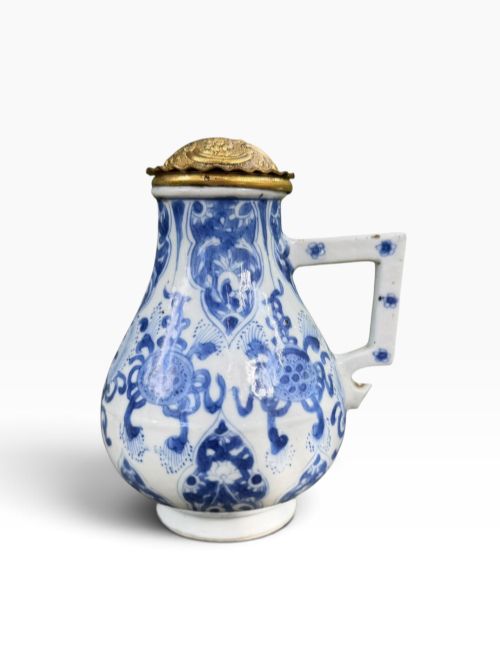
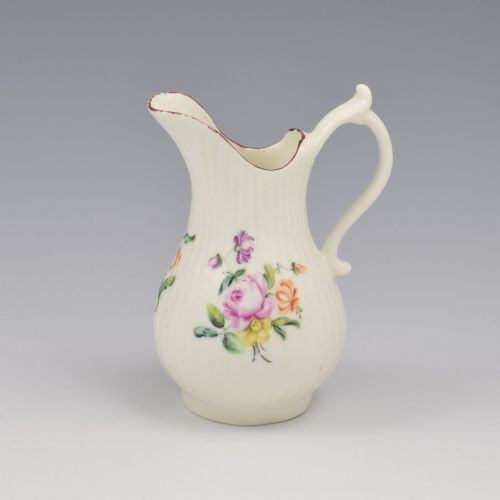
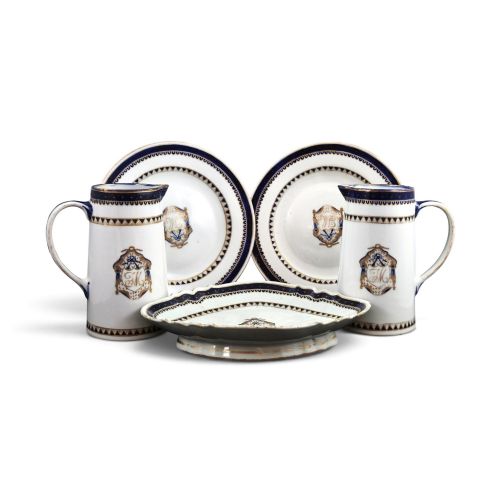
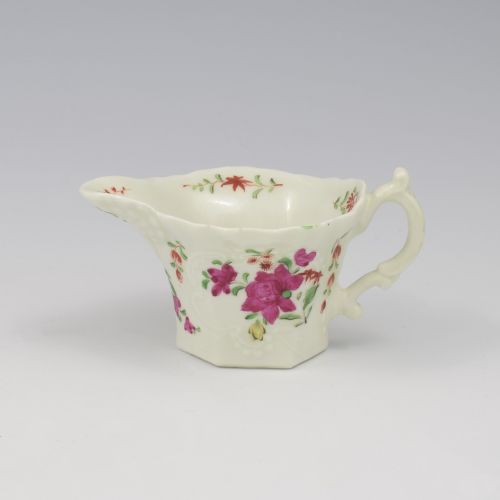
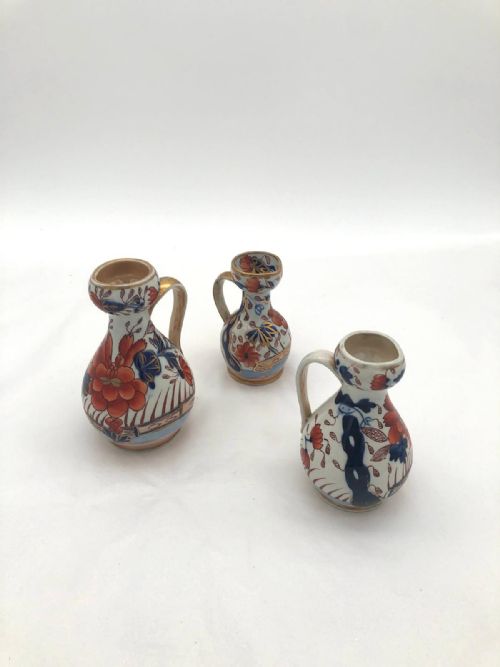
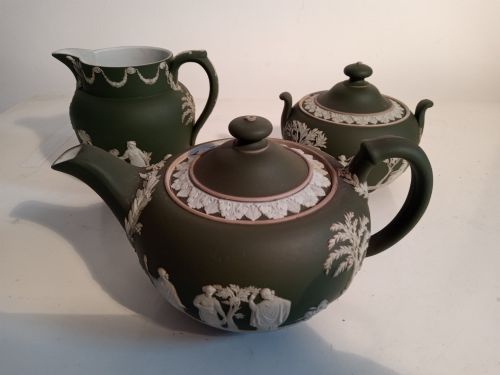
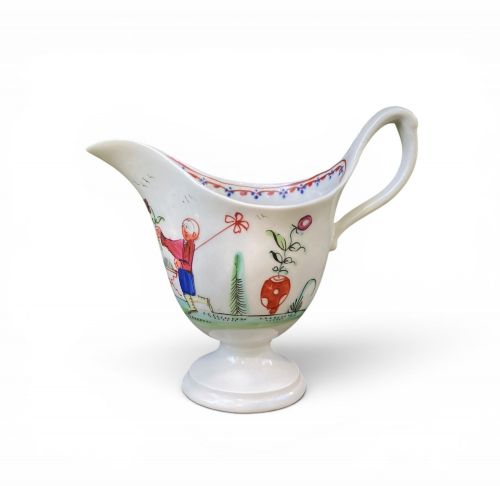
An antique china jug encompasses pouring vessels shaped for cream, milk, water, or wine, spanning periods from the eighteenth to the twentieth century. You will encounter forms ranging from small sparrow beak creamers to large ironstone basin sets.
The material origins divide broadly between domestic English potteries and Chinese export porcelain destined for Western markets. Makers utilised earthenware, ironstone, and fine porcelain to create vessels intended for daily service or decorative display.
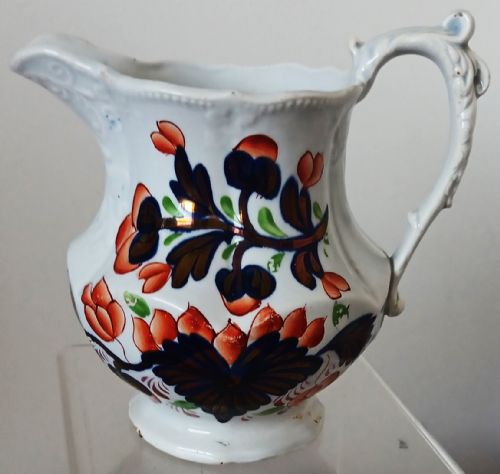
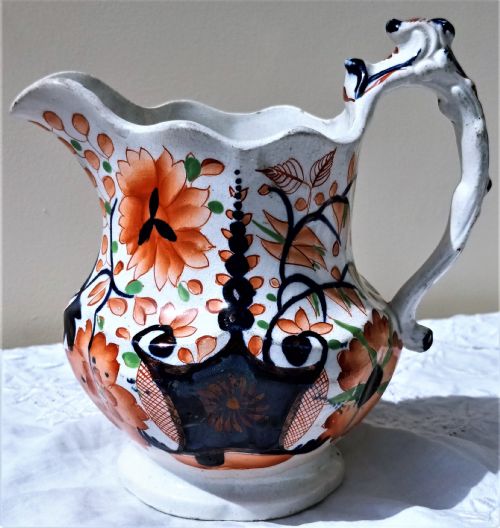
Georgian and Victorian examples dominate the selection, showing stylistic shifts from neoclassical restraint to vibrant Gaudy Welsh patterns and Chinoiserie motifs. Each vessel reflects the dining habits and interior tastes of its specific decade.
How they were made
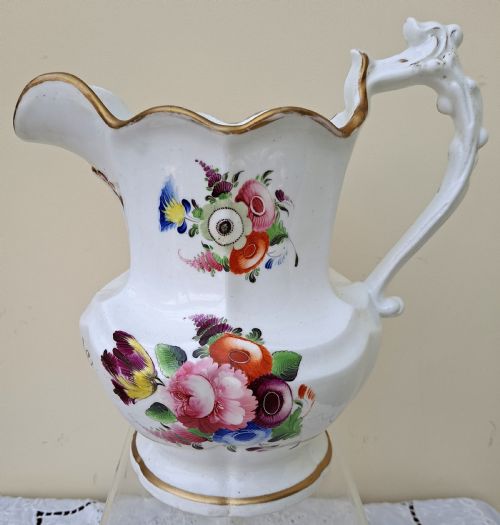
Potters shaped these vessels using traditional wheel-throwing and mould-pressing techniques, employing durable ironstone or delicate porcelain bodies depending on the intended use. Cobalt blue underglaze painting, polychrome enamels, and applied gold leaf provided the surface decoration.
Kiln firing transformed raw clay and glaze into vitrified wares, with English factories like Mason's and Royal Worcester perfecting ironstone formulations for strength. Hand-painted details and transfer-printed patterns were applied before final glazes sealed the surface.
Antique China Jug Retail Price Guide 2026
Typical asking prices for china jug among the pieces listed under this phrase on Sellingantiques today, from the lower quarter to the upper quarter. They describe what is for sale here now, not the wider market.
Listings span the eighteenth, nineteenth, and twentieth centuries, featuring porcelain, ironstone, and earthenware bodies decorated with hand painting and gilding.
What varies in quality
The crispness of the moulding and the precision of the hand-painted brushwork separate ordinary production wares from exceptional studio output. Early porcelain bodies show remarkable translucency and thinness compared to heavier nineteenth-century ironstone bodies.
The preservation of delicate gilding and bright enamel colours dictates the desirability of a piece. Finer examples retain their original painted palettes without rubbing, whilst maintaining structural integrity in handles and spouts.
Mason's Ironstone·Royal Worcester·Crown Derby·Doulton Burslem·New Hall·Rockingham
The Antique China Jug Glossary
- Ironstone
- A heavy, durable type of earthenware patented in the nineteenth century. It resists chipping and provided a sturdy alternative to porcelain for everyday service.
- Sparrow beak jug
- A small eighteenth-century cream jug featuring a distinctive pinched spout resembling a bird's beak. These pieces typically measure under four inches in height.
- Gaudy Welsh
- A style of pottery characterised by vibrant, naive hand-painted cobalt, iron red, and copper lustre decoration. It gained popularity during the Victorian era for domestic use.
- Hydra jug
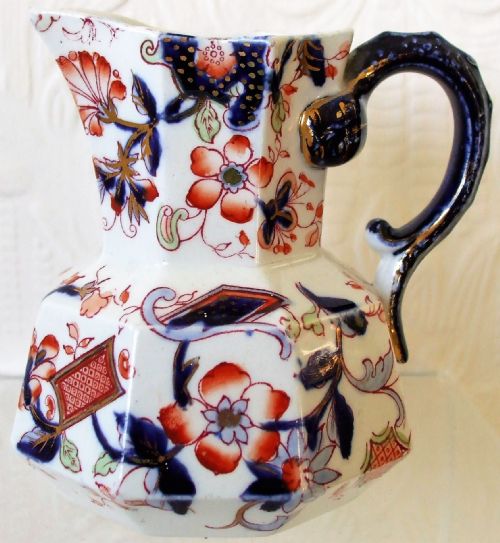
- A vessel form featuring a serpent-shaped handle attached to an octagonal or faceted body. This classical shape was favoured by English makers like Mason's.
- Ewer
- A large jug with a flared spout and an ornate handle, traditionally designed for water or wine rather than tea service. They often form part of a matching basin set.
- Famille rose
- A palette of opaque pink and rose enamels introduced to Chinese porcelain decoration during the eighteenth century. It allowed for shaded pictorial designs.
Antique China Jug: Frequently Asked Questions
What is a sparrow beak jug?
A sparrow beak jug is a small eighteenth-century creamer named for its sharply pinched pouring lip. These delicate vessels were designed to accompany tea services.
Collectors prize them for their compact proportions and fine porcelain bodies, which often feature hand-painted floral motifs.
How do I care for antique china?
Wash these pieces gently by hand using warm water and mild soap. Avoid soaking items with overglaze gilding or painted enamels to preserve the surface decoration.
Display your jugs away from direct sunlight and extreme temperature fluctuations to protect the antique ceramic bodies.
What is ironstone china?
Ironstone is a dense, durable ceramic material patented in nineteenth-century England to rival imported Chinese porcelain. It offered superior strength for heavy domestic service.
You will find that ironstone jugs feel noticeably heavier than porcelain pieces of the same size.
How do I date a Victorian jug?
Examine the base for maker's marks, registration diamonds, or impressed factory stamps. Stylistic clues such as floral transfer prints and bright enamel palettes also point to the nineteenth century.
Comparing the handle form and decorative motifs to known factory production dates helps narrow down the manufacturing decade.