
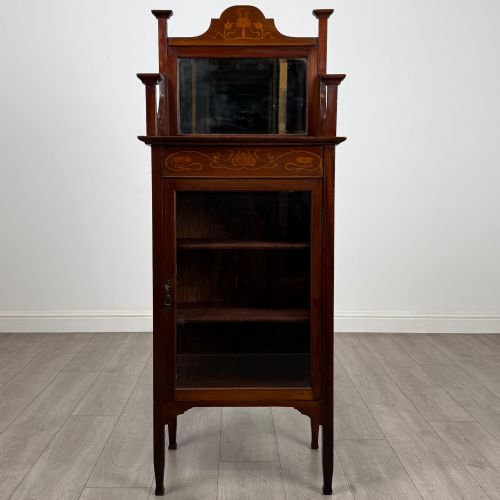
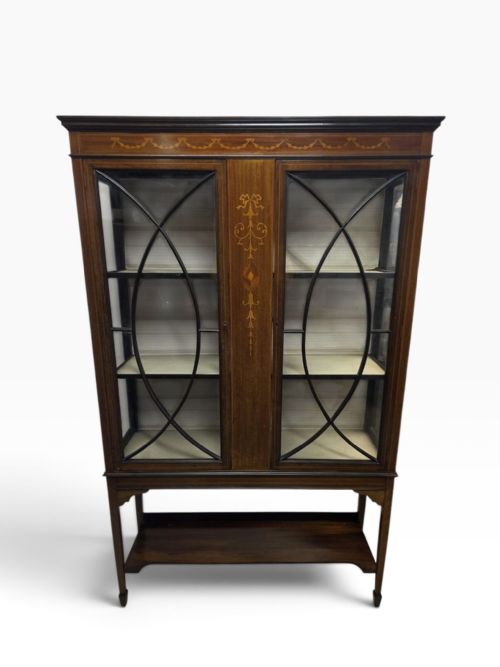
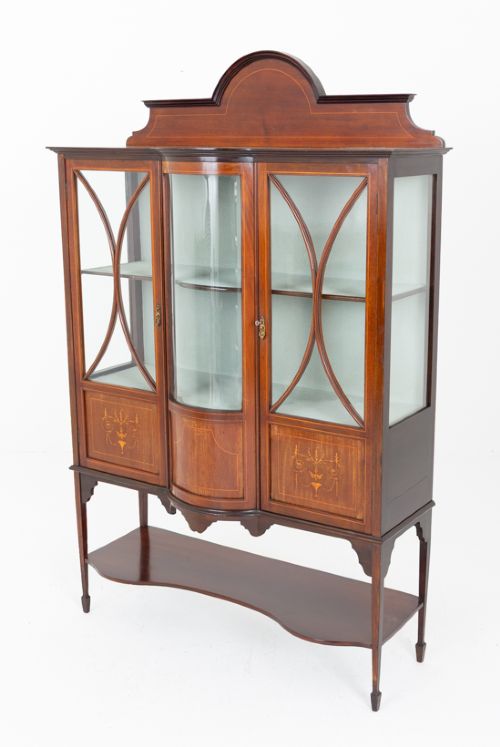
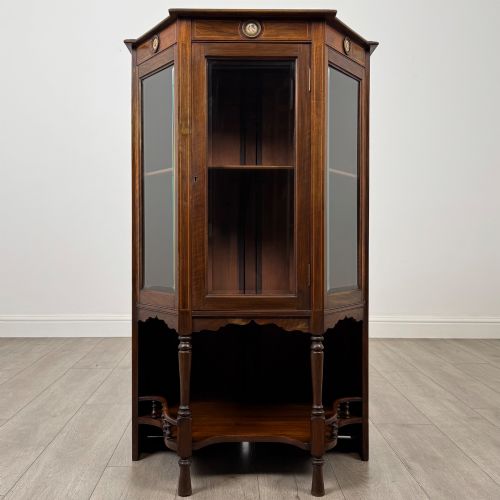
Antique China Cupboard Stand
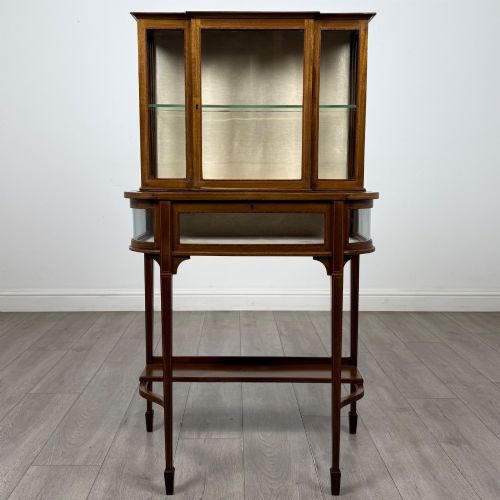
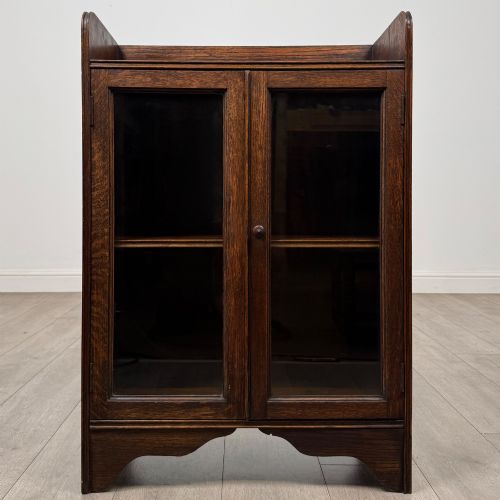
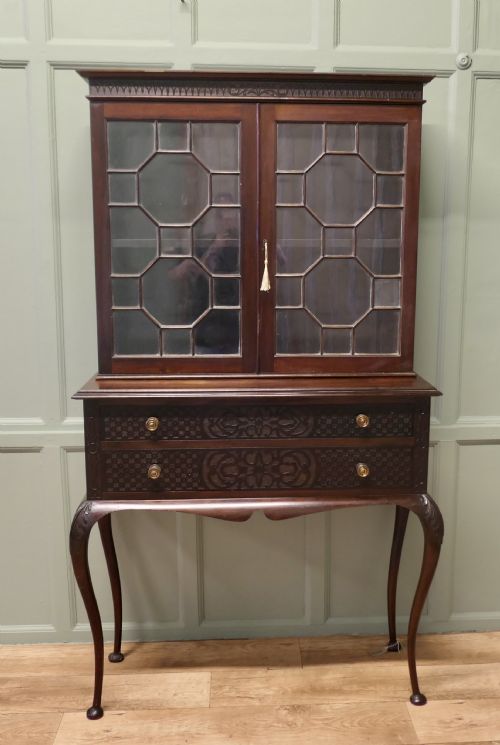
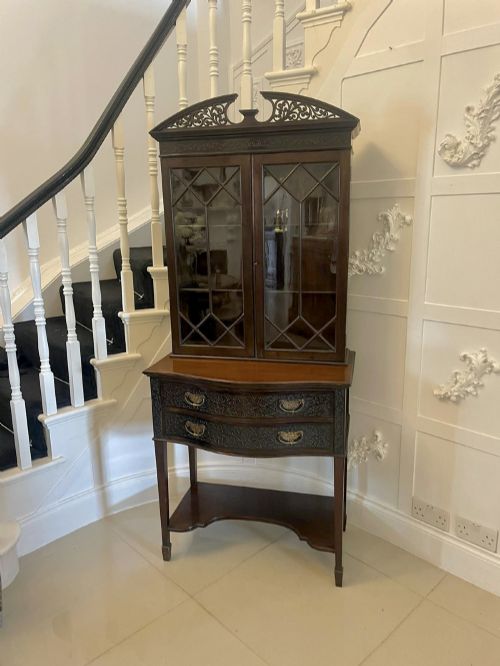
An antique china cupboard stand offers structured display and storage, bringing period timber and glass into a room to hold prized ceramics.
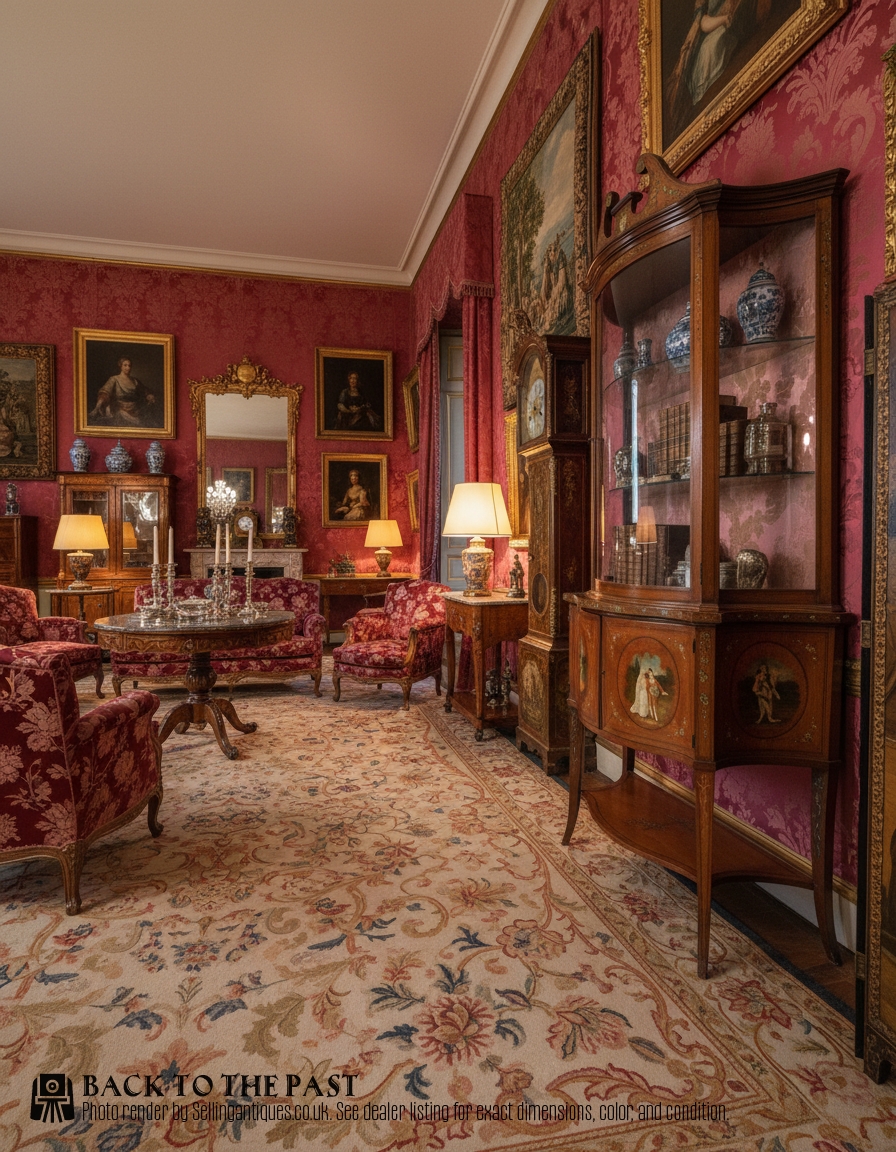
Antique China Cupboard Stand
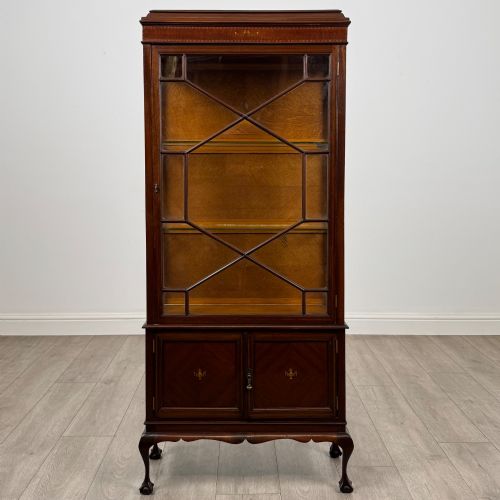
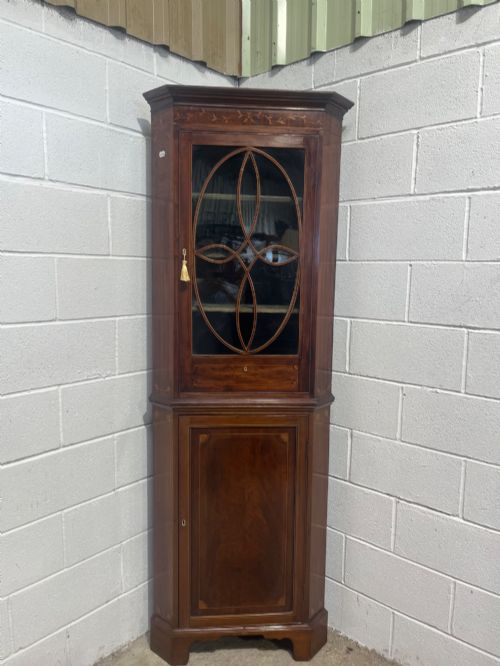
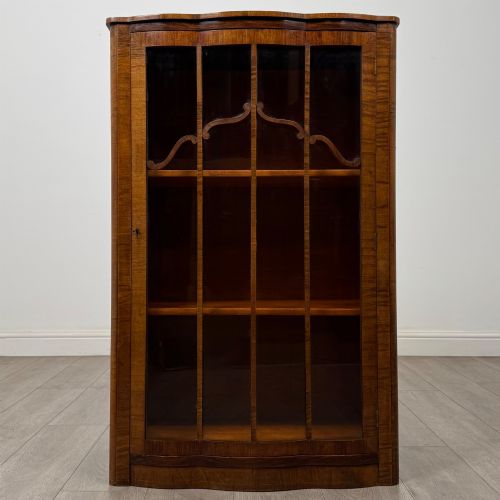
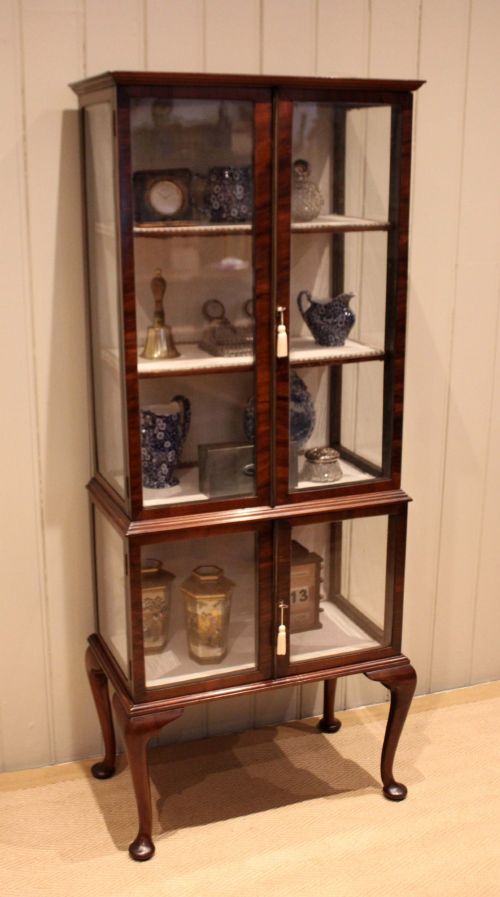
An antique china cupboard stand encompasses glazed display cabinets, floor-standing corner cupboards, and bookcases with glass doors designed to showcase ceramics and glassware. These pieces emerge predominantly from the Victorian, Edwardian, and Georgian periods, alongside examples spanning the nineteenth and twentieth centuries.
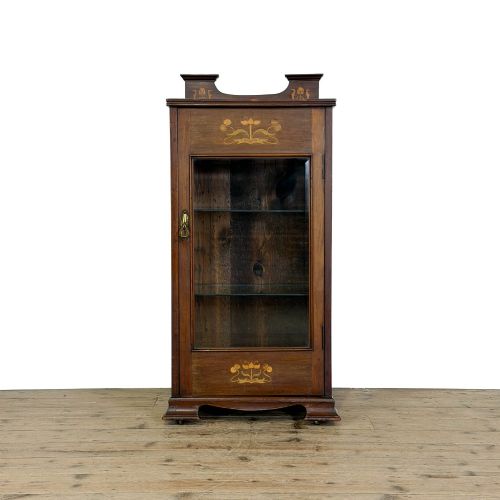
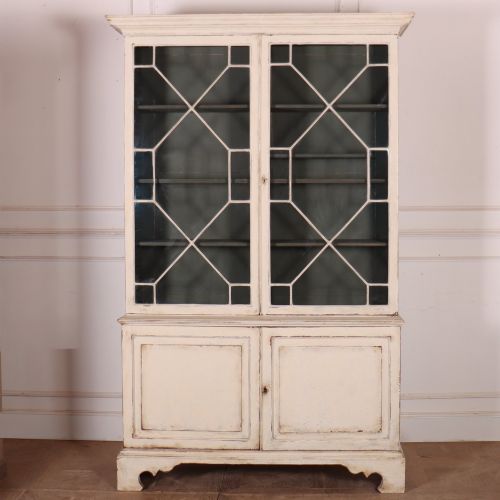
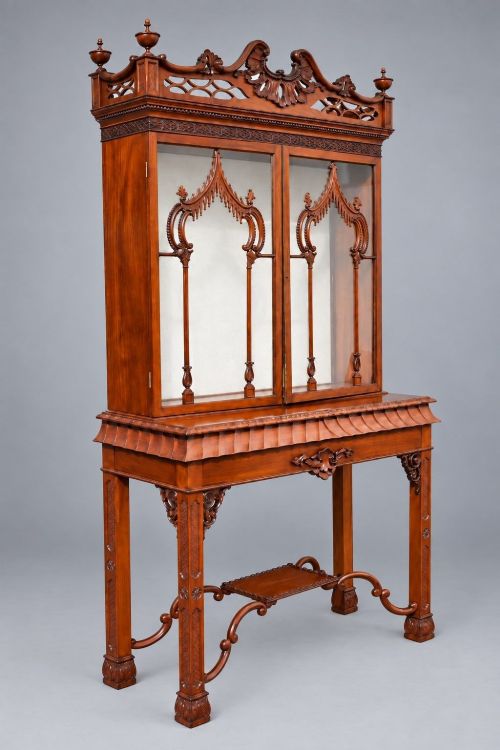
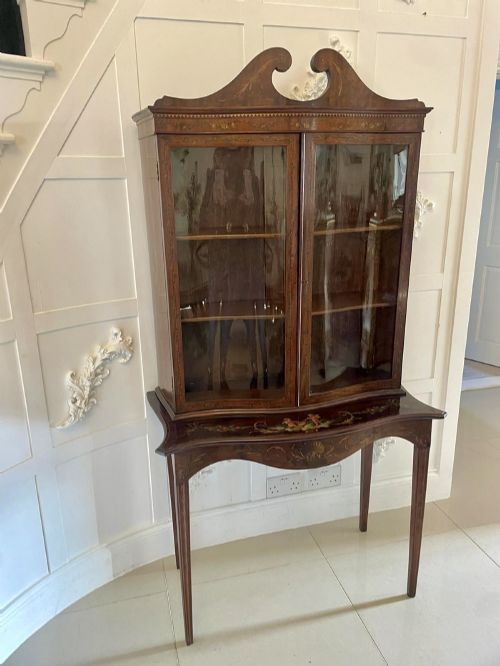
Buyers seeking an antique china cupboard stand will encounter forms ranging from large-scale Chinese Chippendale style cabinets to compact Edwardian inlaid furniture and Georgian bookcase cabinets. Mahogany, oak, walnut, and satinwood dominate the construction, often detailed with glass panels and brass hardware.
Stylistic variations across the selection include Sheraton Revival, Art Deco, Gothic, and English Country designs. Many feature intricate inlay work, carved details, and astral glazing that reflect the aesthetic preferences of their respective eras.
Evaluating craftsmanship and condition
Quality separates pieces through the precision of timber selection, such as figured walnut or finely grained mahogany, and the crispness of hand-carved ornamentation. Superior examples display balanced proportions, intact original glazing bars, and harmonious inlay work rather than heavy or hurried assembly.
The integration of decorative elements like painted decoration, brass mounts, and satinwood borders distinguishes finer workshop output from standard production. Construction integrity in the joints and the preservation of original surfaces also dictate the standing of an individual piece.
The available furniture spans Georgian, Victorian, and Edwardian periods, incorporating Sheraton Revival and Chinese Chippendale styles.
Maple & Co.·Edwards & Roberts
The Antique China Cupboard Stand Glossary
- Astral Glazed
- Refers to glass doors divided into smaller panes by wooden glazing bars, commonly seen in eighteenth and nineteenth-century bookcases and display cabinets.
- Inlay
- A decorative technique where contrasting woods or materials like satinwood are fitted into recesses within the primary timber surface to create patterns.
- Chippendale Style
- A design classification inspired by Thomas Chippendale, featuring ornate carving, fretwork, and Chinese-influenced motifs popular in revival pieces.
- Corner Cupboard
- A space-saving furniture form built with an angled back to fit neatly into the corner of a room, constructed in floor-standing or wall-hanging formats.
- Pier Display Cabinet
- A narrow cabinet designed to stand against the wall space or pier between two windows, frequently fitted with glass doors for exhibition.
Antique China Cupboard Stand: Frequently Asked Questions
What is an antique china cupboard stand?
An antique china cupboard stand is a glazed display cabinet or bookcase designed to elevate and exhibit ceramic collections while keeping them enclosed behind glass doors. These items combine functional storage with decorative woodwork from historical periods.
Such furniture serves as both a practical room feature and a focal point for interior display, housing tableware or decorative objects securely.
How do I date an antique display cabinet?
Dating relies on identifying the prevailing style, timber choices, and construction methods characteristic of periods like the Georgian era, the Victorian age, or the Edwardian years. Details such as inlay patterns and glass manufacturing techniques offer further chronological clues.
Examining secondary timbers inside the carcase and the style of hinges or brass handles helps confirm the exact era of manufacture.
Where should I place a corner cupboard?
A floor-standing corner cupboard fits directly into the internal corner of a room, making efficient use of overlooked architectural space. They work well in dining rooms or living areas to display porcelain without obstructing walkways.
Positioning these cabinets away from direct sunlight protects both the timber finish and the displayed contents from fading.
Are Edwardian cabinets made of solid wood?
Edwardian cabinets frequently combine solid hardwoods like mahogany or oak for structural frames with veneered panels of figured walnut or satinwood for decorative surfaces. This technique prevented warping while showcasing striking grain patterns.
Craftsmen applied these veneers expertly over stable secondary woods to achieve the refined finishes seen in the period.