



Antique Children Portrait Prints
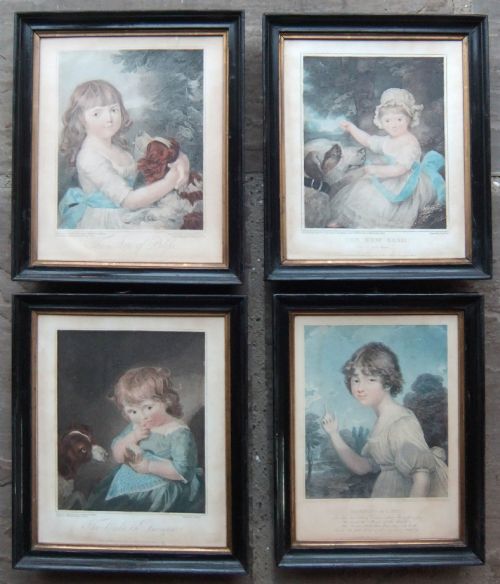
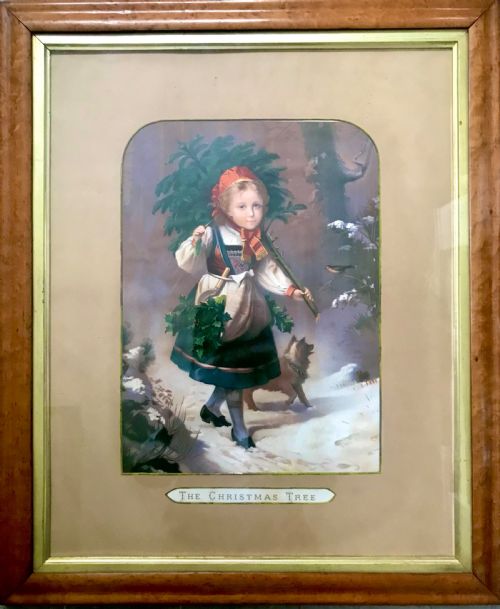
These antique children portrait prints capture past childhoods through delicate engravings, mezzotints, and framed lithographs ready to hang.
Antique Children Portrait Prints
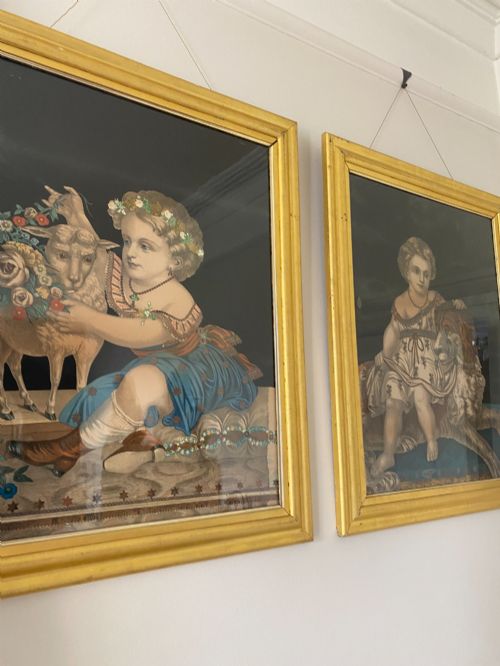
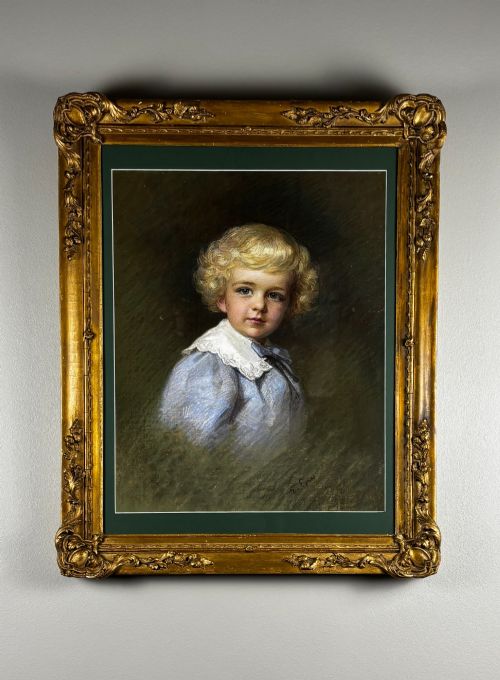
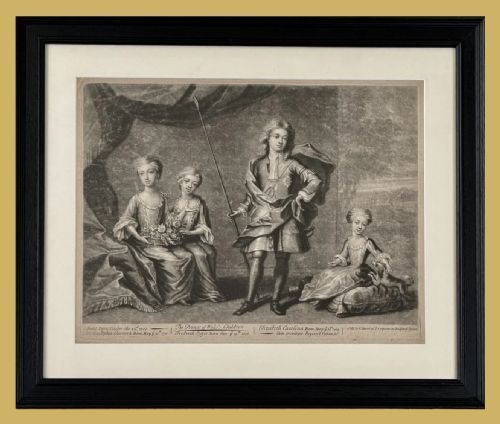
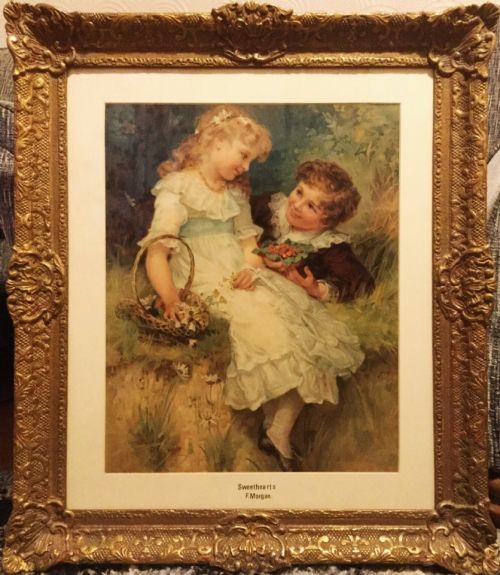
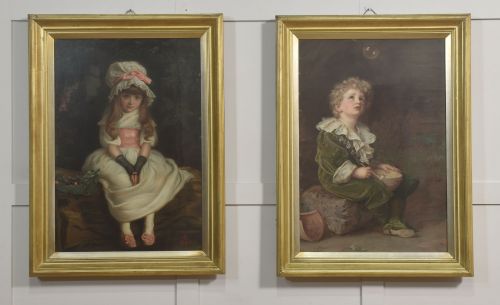
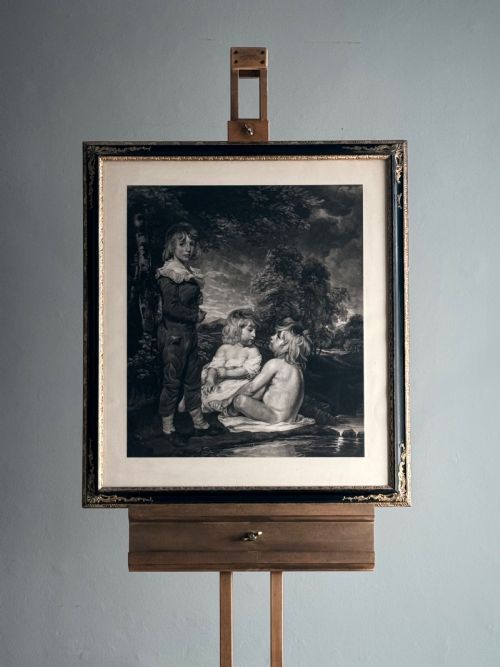
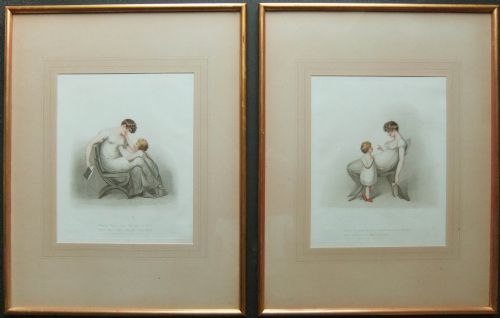
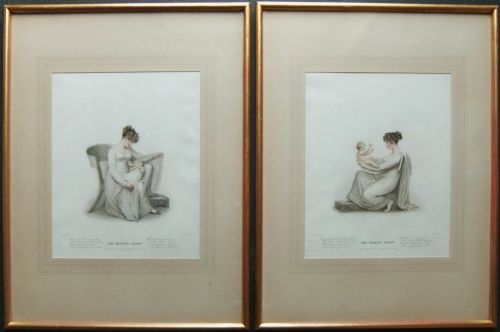
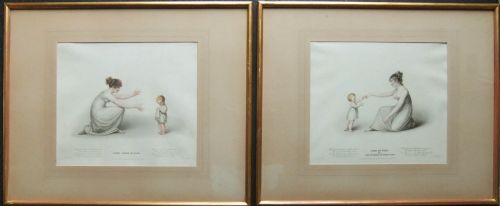
Antique children portrait prints encompass framed engravings, mezzotints, chromolithographs, and oleographs produced from the eighteenth century into the twentieth century. These works depict subjects ranging from sentimental Victorian scenes and Pears soap advertising pieces to classical portraits after painters like Sir Joshua Reynolds and Thomas Lawrence.
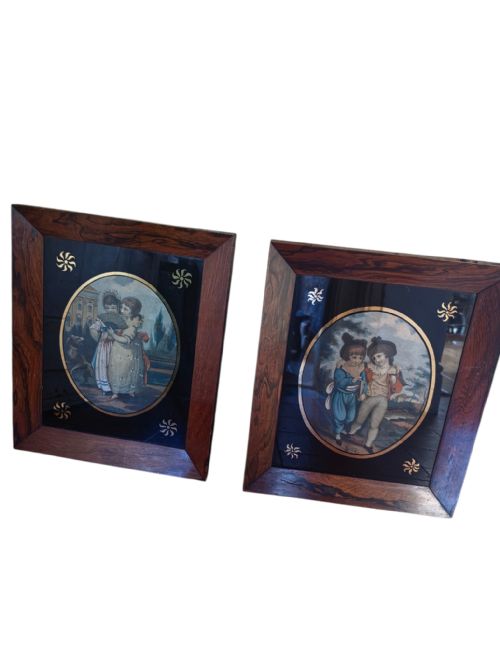
Buyers most frequently encounter pairs and individual plates dating from the nineteenth century, often housed in rosewood or giltwood frames. The selections span George III eras, Regency classicism, and early twentieth-century reproductions, reflecting changing domestic tastes in child portraiture over two centuries.
How they were made
Printmakers employed copperplate techniques such as stipple engraving and mezzotint to translate oil paintings onto paper, achieving tonal depth and fine lines. Later nineteenth and twentieth-century examples utilise chromolithography and oleography to replicate multi-coloured painted surfaces.
The resulting paper works are secured behind protective glass within timber surrounds. Frames commonly incorporate gilt wood, gilded wood, gold leaf, and solid rosewood, sometimes accented with unusual metal embellishments applied directly to the clothing depicted in the subject.
Antique Children Portrait Prints Retail Price Guide 2026
Typical asking prices for children portrait prints among the pieces listed under this phrase on Sellingantiques today, from the lower quarter to the upper quarter. They describe what is for sale here now, not the wider market.
The listings span multiple centuries of child portraiture, utilising paper, glass, wood, and giltwood frames across Georgian, Regency, and Victorian styles.
What varies in quality
The surrounding frame contributes heavily to the overall merit of the piece. Original period frames executed in carved giltwood or figured rosewood hold greater historical harmony with the paper artworks than later replacement mouldings.
Adam Buck·Sir Joshua Reynolds·Sir Thomas Lawrence·Frederick Morgans·Charles Burton Barber
The Antique Children Portrait Prints Glossary
- Mezzotint
- A printmaking process of the intaglio family where the plate is roughened uniformly to hold ink, producing rich dark tones and subtle gradations of light. This technique was widely used for translating grand oil portraits into collectible prints.
- Stipple engraving
- A method of producing prints by means of dots of various sizes and densities rather than continuous lines. It creates soft flesh tones particularly suited to intimate portraiture of children.
- Chromolithography
- A planographic colour printing process using multiple limestone blocks, one for each tint, to build up a vibrant image. It dominated popular illustrated prints during the Victorian period.
- Oleograph
- A textured lithographic print treated with varnish to simulate the surface and appearance of an oil painting on canvas. These were mounted in ornate frames to mimic original fine art.
- Giltwood
- Timber, often carved gesso-coated pine or hardwood, covered with a thin layer of gold leaf or metallic powder. It provides the bright reflective borders characteristic of formal period framing.
Antique Children Portrait Prints: Frequently Asked Questions
How should I hang antique portrait prints?
Keep framed paper prints away from direct sunlight to prevent the fading of inks and the yellowing of the paper base. Maintain stable indoor humidity levels to protect both the wooden frames and the paper.
Hang them securely using appropriate wall anchors matched to the weight of the timber and glass. Grouping pairs together helps balance wall space in traditional rooms.
What is the difference between an engraving and a chromolithography?
Engravings rely on incised lines and stippled dots pressed into paper, resulting in tonal monochrome or delicately hand-tinted images. They represent earlier artisan printmaking traditions.
Chromolithographs use multiple ink layers applied via lithographic stones to achieve full colour mechanically. They emerged later for mass-market decorative publishing.
Are original frames important for these prints?
Original period frames, such as nineteenth-century rosewood or gilded wood surrounds, preserve the historical integrity and aesthetic balance of the artwork. They indicate how the piece was displayed in a period interior.
While prints can be reframed if damaged, matched period framing enhances the overall character. Inspect the joints and gilding for signs of age-appropriate wear.
How do I identify the date of a portrait print?
Examine the paper quality, printing technique, and framing style for clues to the era of production. Engraved plates often bear publication dates or artist credits printed directly beneath the image.
Stylistic cues in the children's clothing and hair styling also point to periods like the Georgian era, Regency, or Victorian times. Compare the frame construction methods with known period joinery.