

Antique Children Portrait Painting
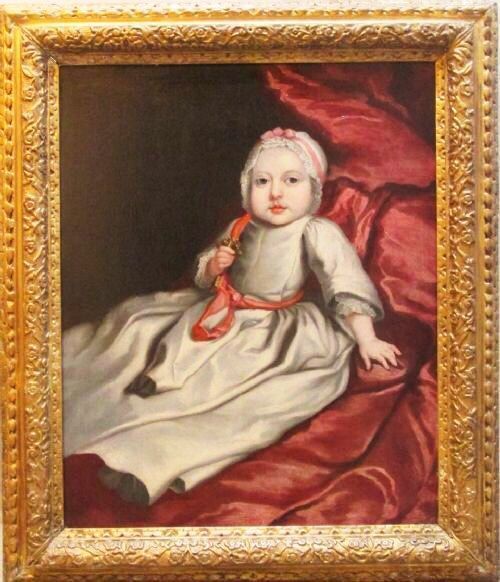
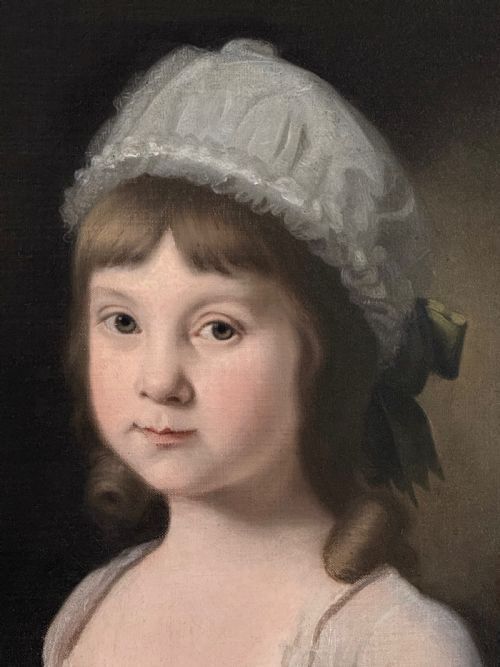
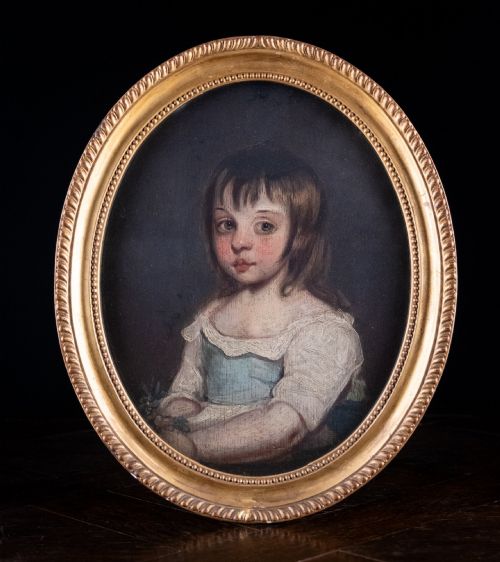
When you search for an antique children portrait painting, you find historical depictions of young subjects captured in oil, pastel, and watercolour.
Antique Children Portrait Painting
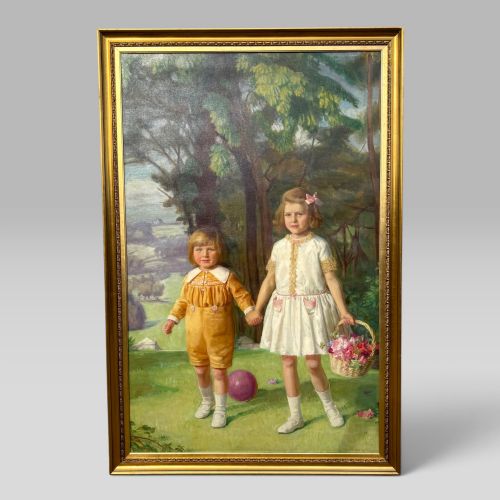
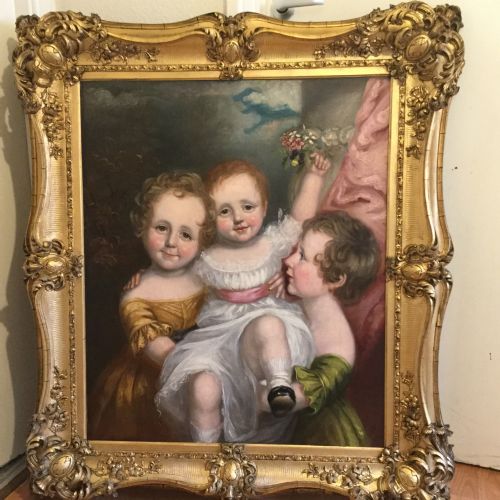
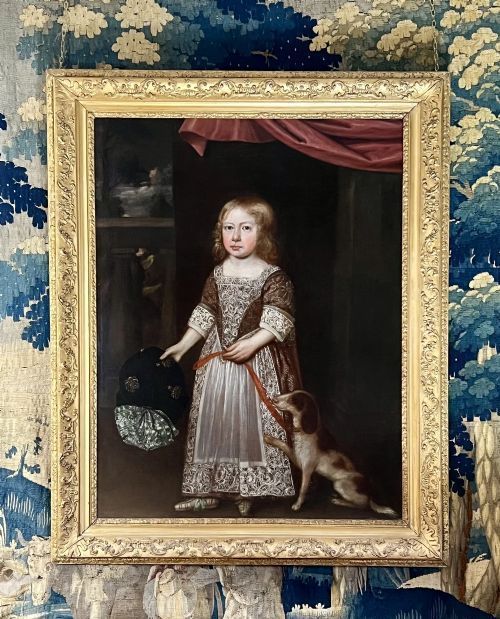
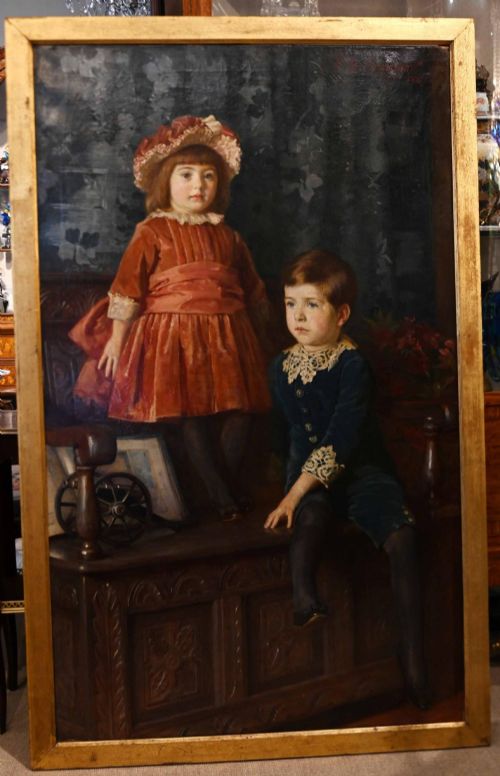
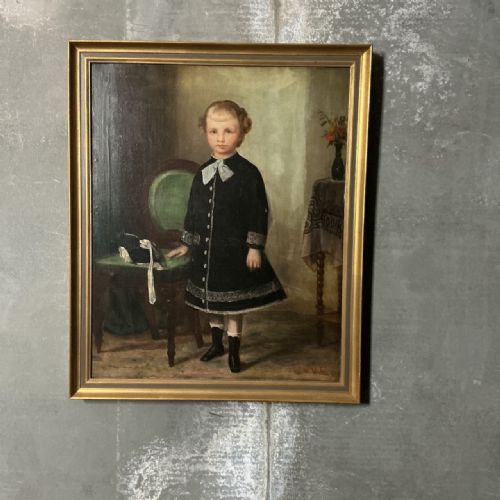
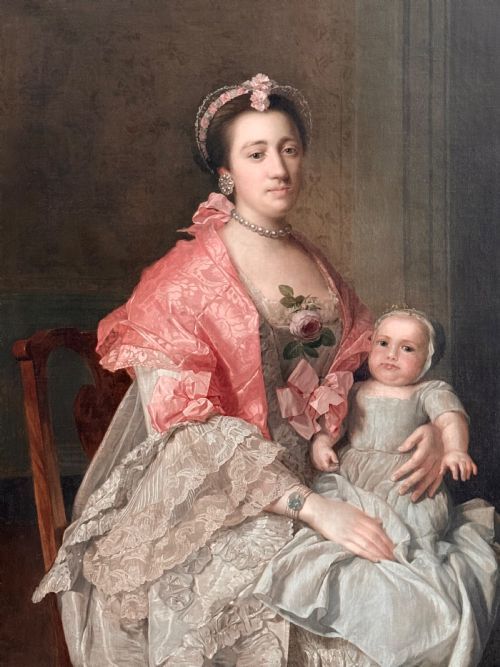
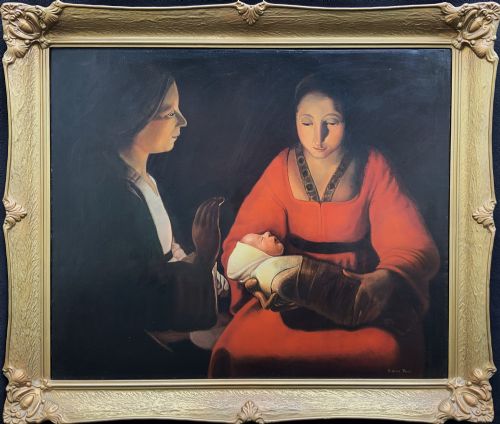
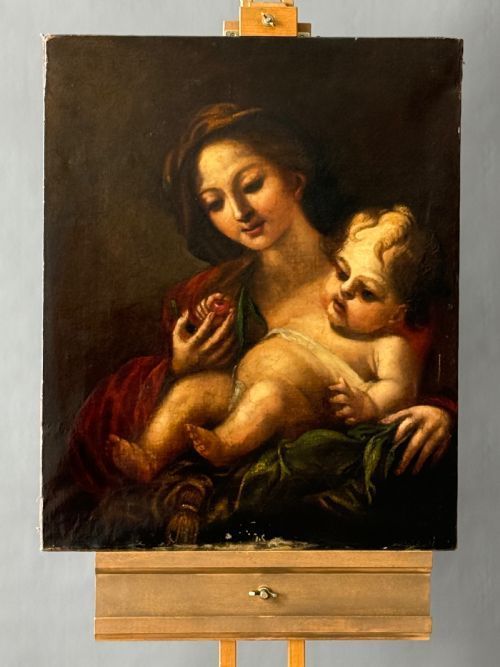
An antique children portrait painting captures young subjects across centuries, ranging from formal aristocratic commissions to naive folk art representations. The most common examples on this page date from the eighteenth and nineteenth centuries, often rendered in oil on canvas or delicate watercolour.
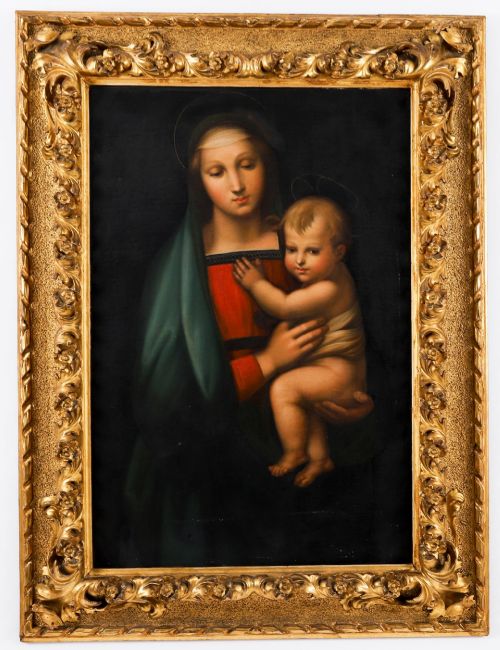
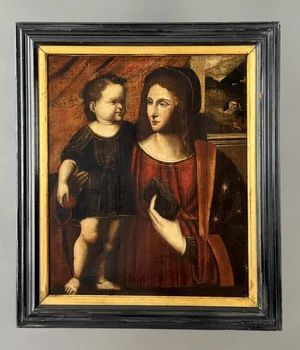
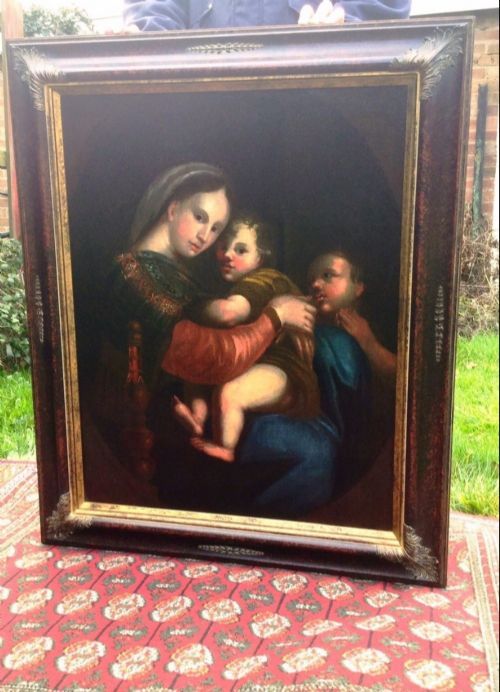
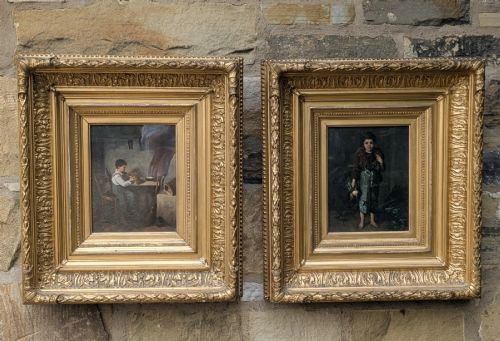
Subjects appear individually or in groups, sometimes accompanied by pets, toys, or symbolic items like fruit and books. These works span domestic family records, religious scenes such as the Madonna and child, and historical depictions of royal youths.
The selection includes both intimate miniatures set in brooches and large framed gallery canvases. Provincial folk art pieces sit alongside works originating from established European schools and named artists.
How they were made
Painters used oil on stretched canvas, paper, or panel, building up pigments to achieve depth in skin tones and fabrics. Watercolour and pastel on paper required swift, skilled handling, often protected beneath glass within timber or giltwood frames.
Artists employed preparatory sketches before applying layers of paint or chalk. Many works utilised gesso grounds on wooden panels or canvas preparations typical of their specific period.
Listings feature works spanning the sixteenth century to the mid-twentieth century, utilising oil, pastel, watercolour, and gouache.
What varies in quality
The capability of the artist determines the liveliness of the child's expression and the natural proportions of the figure. Master painters captured light in the eyes and subtle textures in hair and clothing with greater conviction than provincial limners.
Condition plays a major part in evaluation, distinguishing untouched surfaces with original stretchers and frames from those requiring extensive restoration or relining.
Georges de La Tour·Emily Eyres·Joshua Reynolds·Charles D’Agar·Allan Ramsay·Bernardino Luini·Adelaïde Salles-Wagner·Henry Windsor Fry·Michael Dahl·James Maubert·Frederick Tatham·Thomas Lawrence·Thomas Beach·Vittorio Reggianini·Leon Sprinck
The Antique Children Portrait Painting Glossary
- Oil on Canvas
- Pigment mixed with drying oil applied to a woven fabric support. This combination allowed artists to blend colours smoothly and create lasting depth.
- Watercolour
- A medium consisting of water-soluble pigments paints applied to paper. It yielded transparent washes favoured for intimate domestic scenes.
- Pastel
- A dry medium of powdered pigment and a binder formed into sticks. It produced soft, velvety textures common in portraiture.
- Giltwood
- Timber carved and coated with gold leaf or gold paint. Frames finished this way enhanced the visual weight of formal paintings.
- Miniature Painting
- A small-scale portrait executed with fine detail. These pieces were frequently mounted in lockets or brooches for personal wear.
Antique Children Portrait Painting: Frequently Asked Questions
How can I date an antique child portrait?
Examine the clothing, hairstyle, and framing materials, as these changed distinctly from the Georgian era through the Victorian period. Written inscriptions on the reverse or stretcher bars often record the subject's age and date.
Stylistic cues such as the pigments used and canvas preparation also point toward specific decades or centuries of production.
Where were these portraits displayed?
Wealthy families hung large oil portraits in formal drawing rooms, parlours, or long galleries to display lineage and status. Smaller watercolours and pastels were kept in private chambers or carried as personal tokens.
Miniature portraits set into jewellery allowed parents to keep likenesses close to them during travel.
What is folk art in child portraits?
Folk art portraits were produced by self-taught or provincial painters who worked outside academic traditions. These pieces feature flat perspectives and direct gazes that offer an honest view of children outside high society.
Such works rely on charm and unpretentious draftsmanship rather than classical rules of proportion.
How do I care for antique paintings?
Keep paintings away from direct sunlight, high humidity, and rapid temperature fluctuations that cause canvas and wood to warp. Dust frames gently with a dry, soft brush without touching the painted surface.
Professional conservators should handle any cleaning or stabilization of flaking pigment.