
Antique Children Oil Artwork
These antique children oil artwork pieces capture youthful subjects across centuries on canvas.
Antique Children Oil Artwork
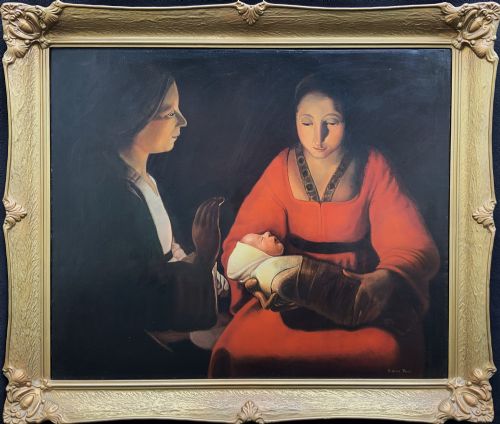
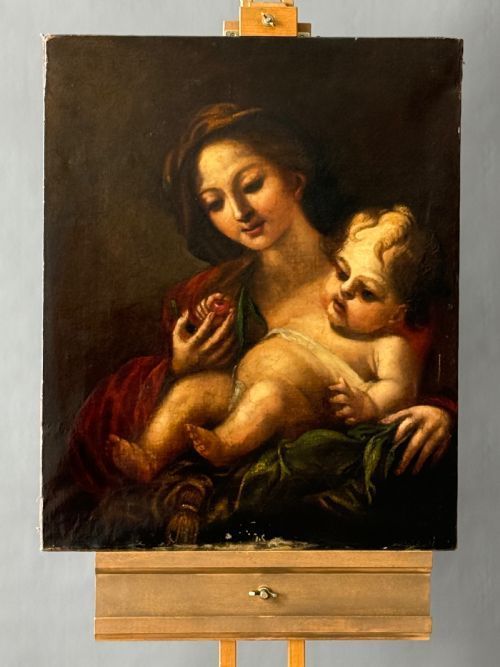
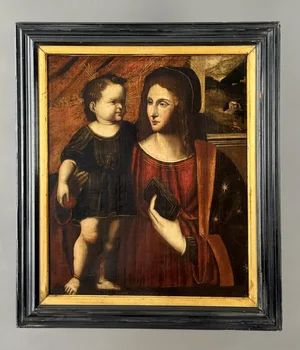
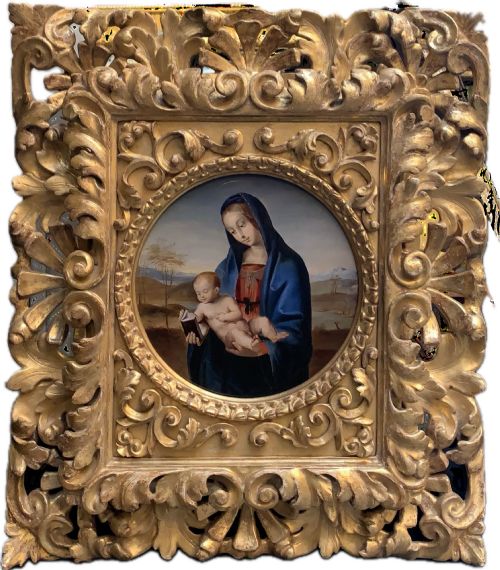
When searching for antique children oil artwork, buyers encounter canvas paintings spanning multiple centuries from the sixteenth to the mid-twentieth century. The selection includes formal portraits, religious depictions of the Madonna and child, and genre scenes showing children playing or working. English, Italian, and Dutch schools appear frequently among these oil paintings.
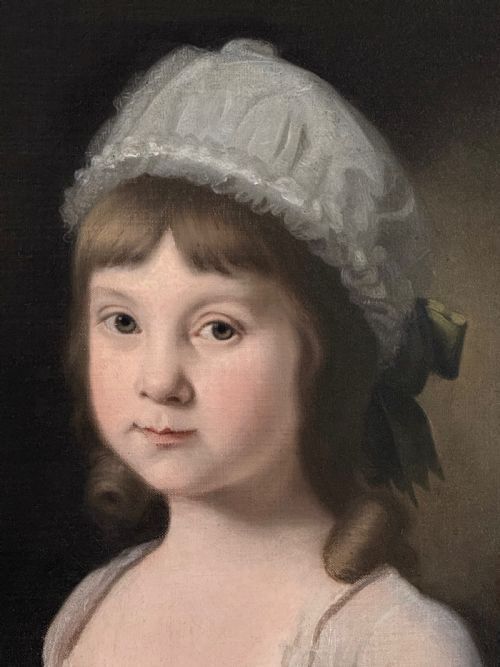
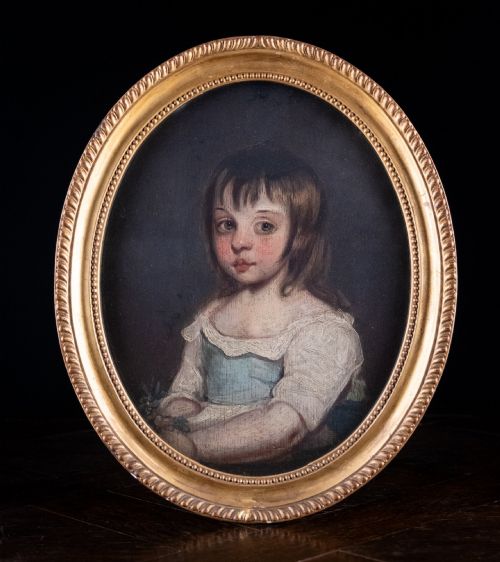
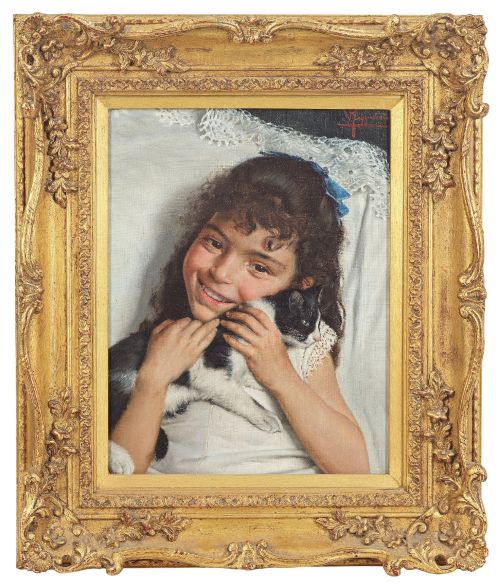
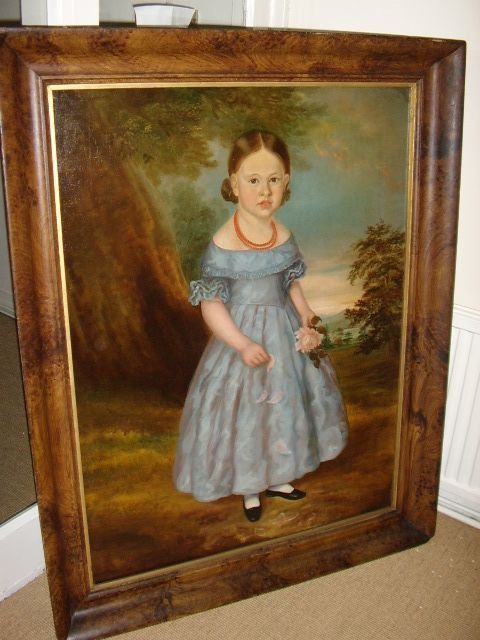
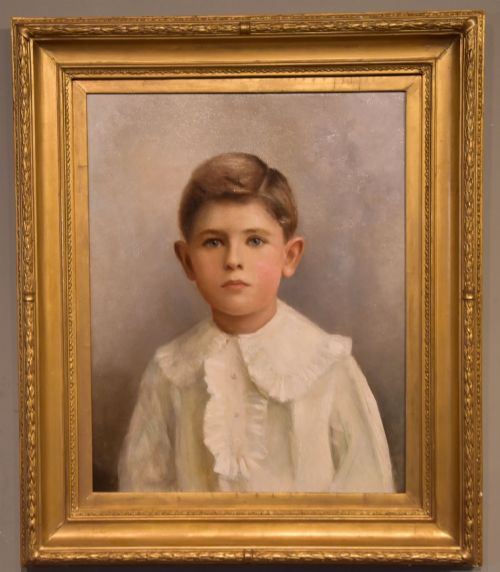
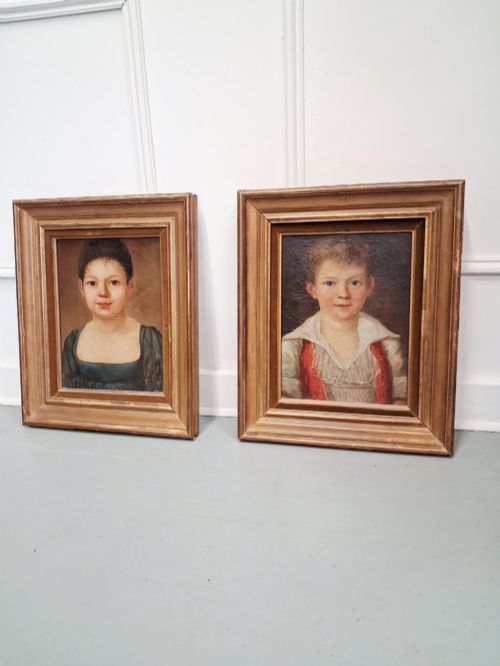
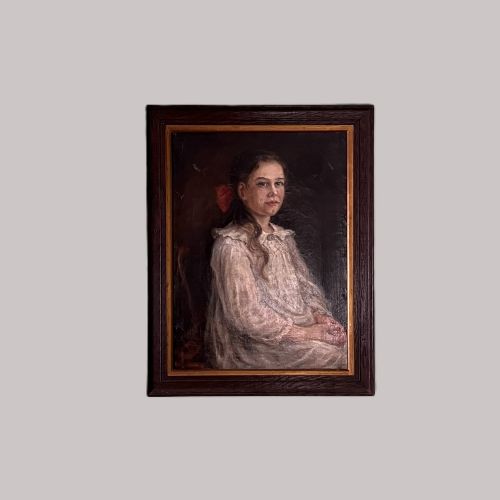
Portraits of young boys and girls form a significant part of the inventory, painted by regional artists, studio circles, and naive folk-art practitioners. Works range from intimate depictions of single children with animals or toys to large group portraits in period dress.
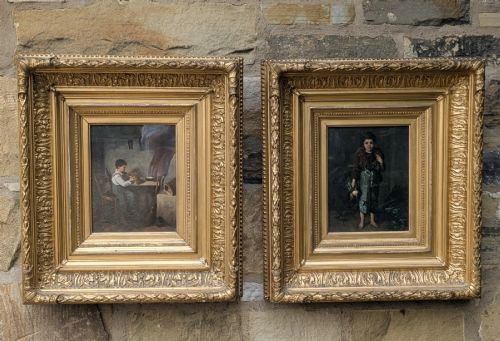
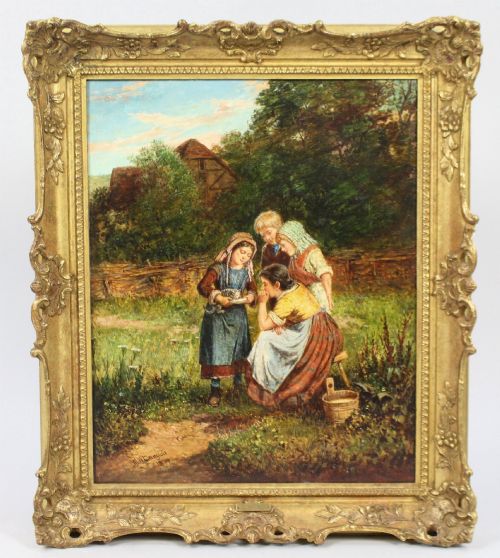
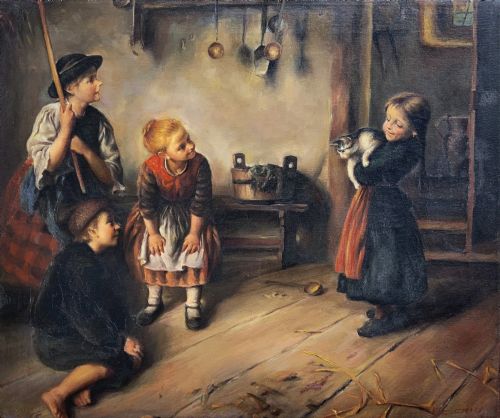
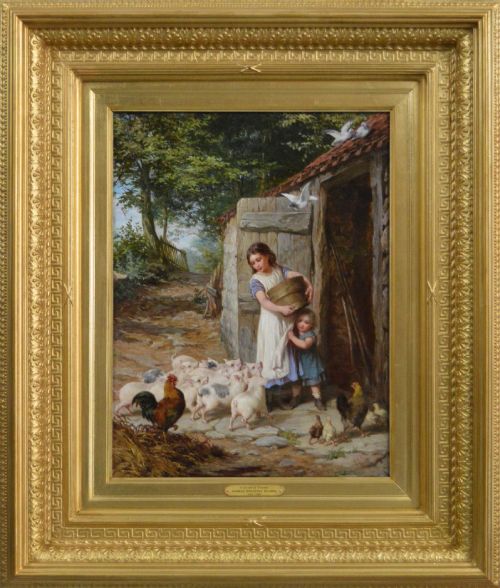
Genre scenes capture everyday childhood moments, such as feeding animals or gathering firewood in woodland settings. Buyers are most likely to meet nineteenth-century Victorian canvases alongside eighteenth-century British and European school portraits.
How they were made
These works utilise oil paint applied to woven canvas supports, often stretched over wooden frames. Pigments were manipulated to build texture and depth, capturing the likeness of subjects and their surrounding interiors or landscapes.
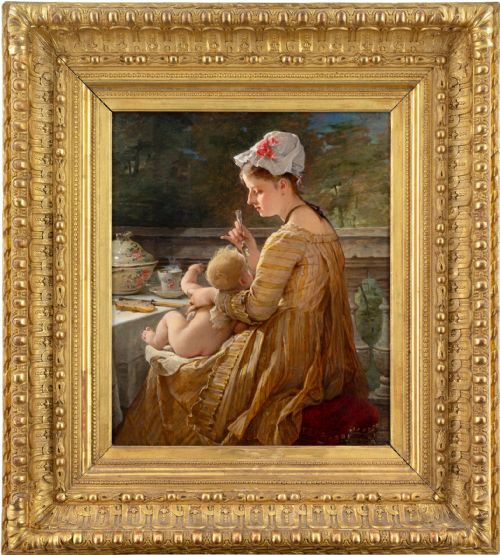
Frames play a structural and aesthetic role, frequently constructed from wood with gesso mouldings and finished with gold leaf or gilt paint. Many surviving canvases retain period giltwood frames that complement the painting style.
Listings span centuries from the sixteenth to the mid-twentieth, featuring oil on canvas media within wood and giltwood frames.
What varies in quality
The sophistication of brushwork and anatomical proportion distinguishes accomplished academic portraits from naive folk-art pieces. Master painters and recognised school circles demonstrate superior handling of light, shadow, and fabric texture.
The preservation of the original canvas surface and pigment stability influences the integrity of the artwork. Surviving period frames, particularly original giltwood and gesso settings, contribute to the historical completeness of the piece.
Georges de La Tour·Joshua Reynolds·Vittorio Reggianini·Mark William Langlois·Bernardino Luini·Adelaïde Salles-Wagner·George Augustus Holmes·Henry Windsor Fry·Thomas Lawrence·Miguel Barroso·James Maubert·Michael Dahl·Joseph Highmore·Byam Shaw·Arthur William Devis·Benvenuto Tisi·Thomas Bromley Blacklock·Francesco Solimena·James Mallard Bromley
The Antique Children Oil Artwork Glossary
- Canvas
- A heavy woven fabric used as a surface for oil painting. It is typically stretched tightly over a wooden strainer frame before work begins.
- Gesso
- A plaster-like mixture applied to wooden frames as a base for gilding. It is smoothed and carved to create ornate decorative mouldings.
- Genre painting
- The pictorial representation of scenes from everyday life. These works depict ordinary people engaged in common activities rather than formal portraiture.
- Old Master
- A term for a European artist of high skill working before the nineteenth century. It also refers to a painting created by such an artist.
- Provenance
- The documented history of a painting's ownership and origin. It provides verifiable evidence of authenticity and past attribution.
Antique Children Oil Artwork: Frequently Asked Questions
How do I identify the age of an oil painting?
Age is assessed by examining the canvas weave, the composition style, and the physical characteristics of the wooden stretcher frame. Pigment analysis and historical dress depicted in the subject also help narrow down the period.
Signatures, inscriptions, and labels on the reverse of the canvas offer further clues, though many older works remain unattributed to specific artists.
What is a genre oil painting?
Genre paintings portray scenes of everyday life involving ordinary people rather than historical events or formal portrait subjects. In this category, they typically show children playing, feeding animals, or engaged in rural activities.
These works provide a window into past social customs and domestic environments through the eyes of period artists.
How should I care for an antique canvas?
Antique oil paintings require stable indoor environments away from direct sunlight, high humidity, and extreme temperature fluctuations. Sunlight can degrade pigments over time, while moisture causes canvas expansion and contraction.
Dust should be removed gently with a soft, dry brush without applying pressure to the painted surface.
What distinguishes folk-art portraits?
Folk-art and naive portraits are typically created by self-taught or provincial painters who prioritize direct expression over strict academic proportions. They often feature flat perspectives, simplified backgrounds, and charmingly direct characterizations.
These pieces offer an unpolished contrast to the formal conventions of academic portraiture from the same eras.