
Antique Child Figure
When you search for an antique child figure, you encounter diverse sculptural and painted representations spanning multiple centuries and materials.
Antique Child Figure
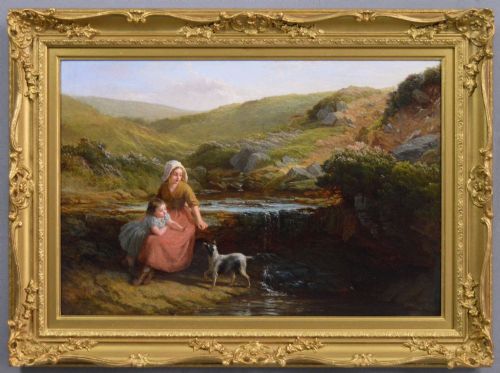
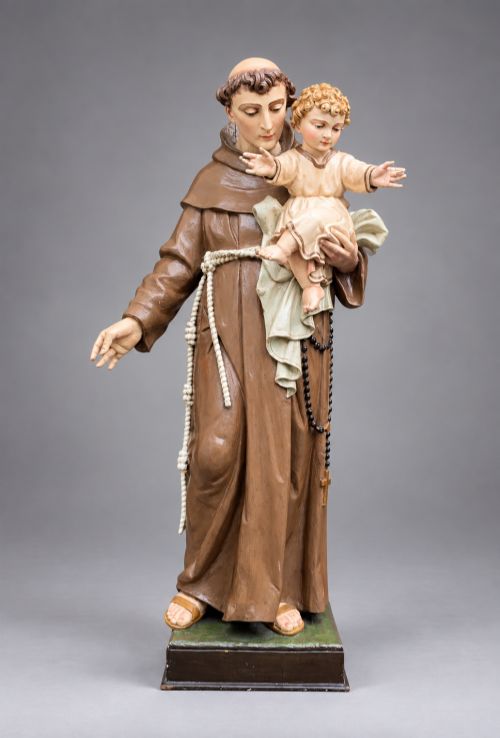
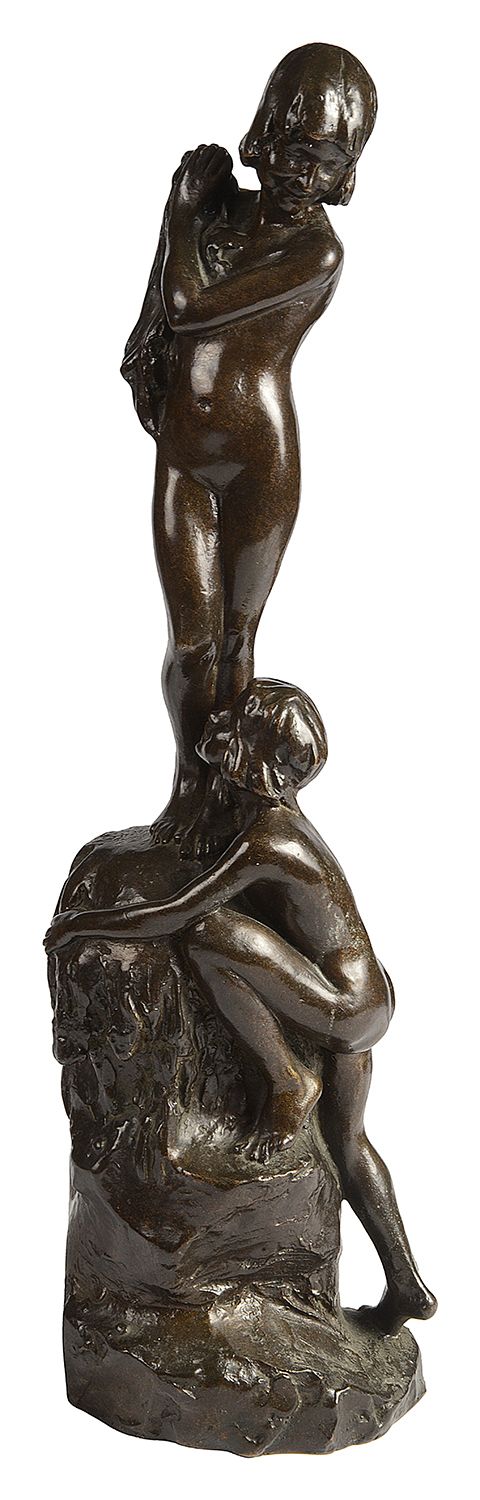
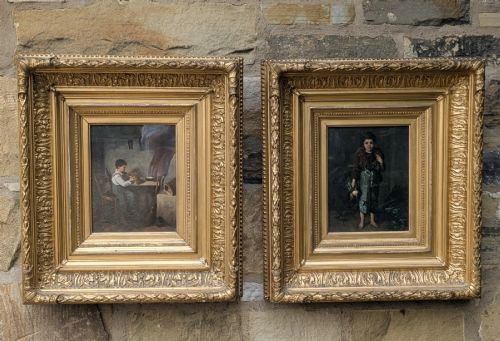
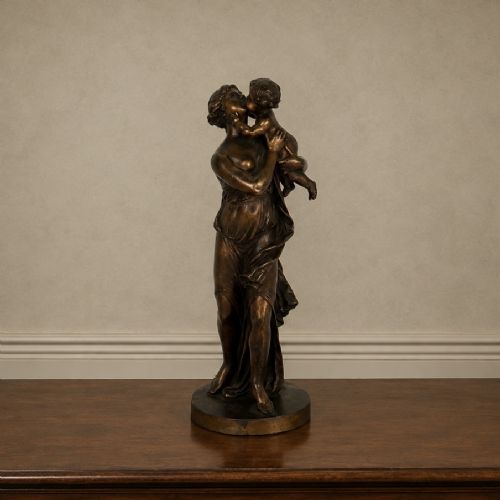
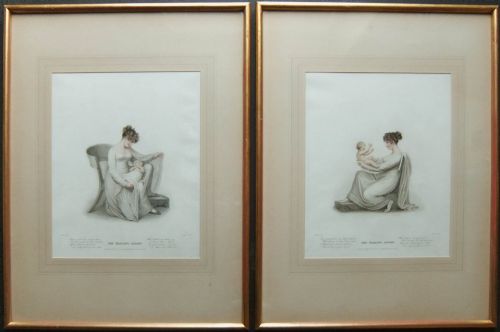
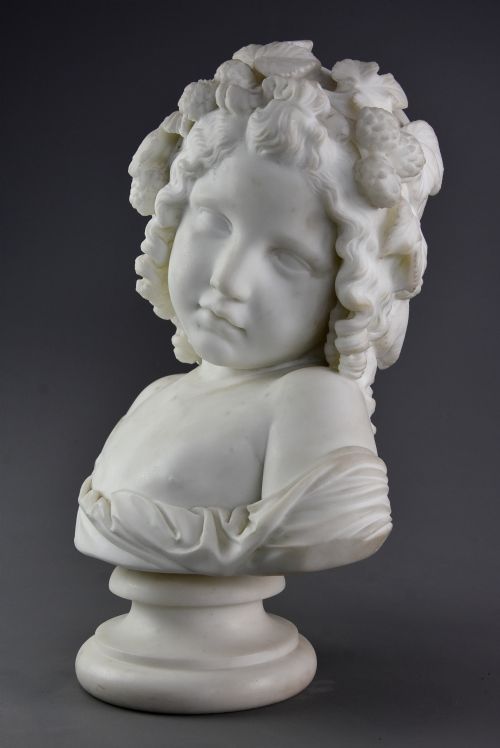
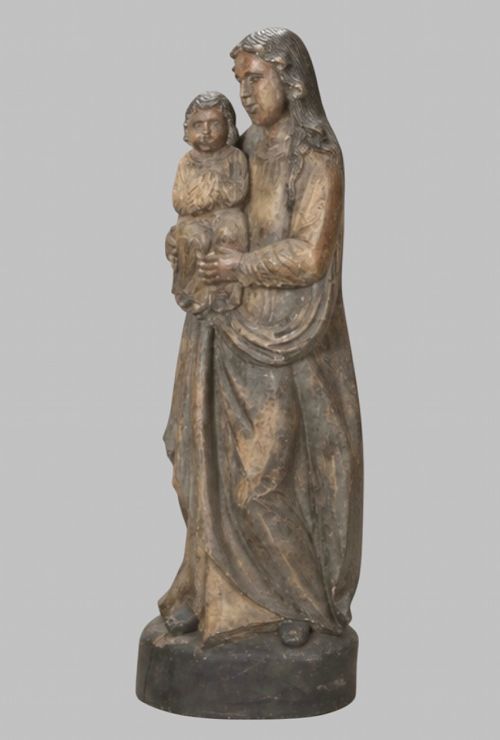
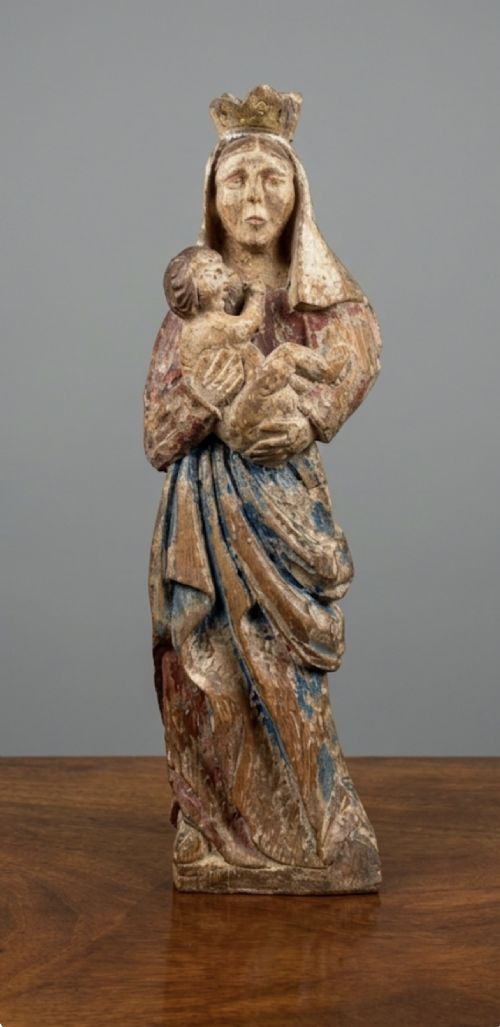
An antique child figure encompasses sculptural works, portrait paintings, and ceramic pieces depicting young subjects from various historical periods. These representations range from devotional wood carvings of the Madonna and Christ child to bronze sculptures of bathing children and porcelain figures of young boys and girls.
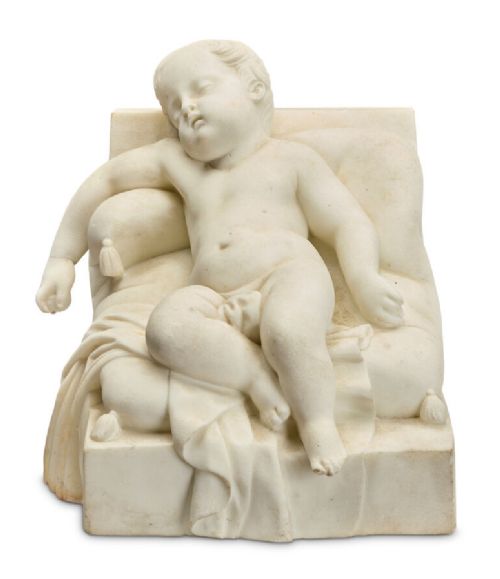
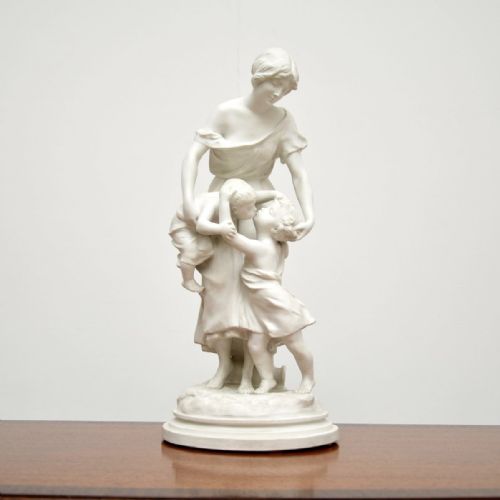
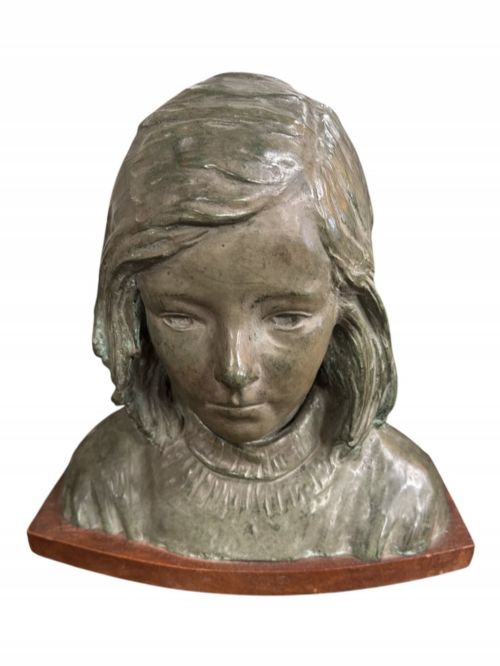
Buyers most frequently meet nineteenth-century bronze and marble sculptures, alongside European porcelain figurines and oil paintings, reflecting classical, Victorian, and early twentieth-century aesthetics. The selection includes both standalone portrait busts and complex figural groups involving mothers and children or animals.
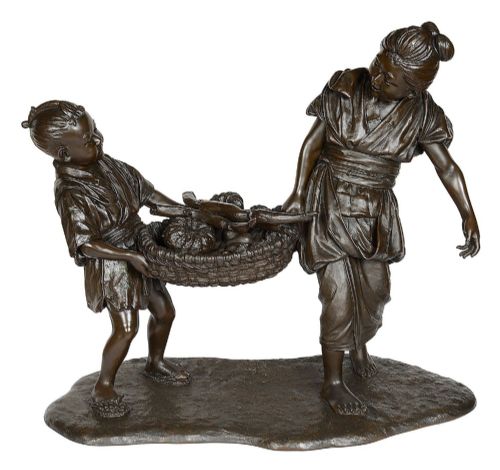
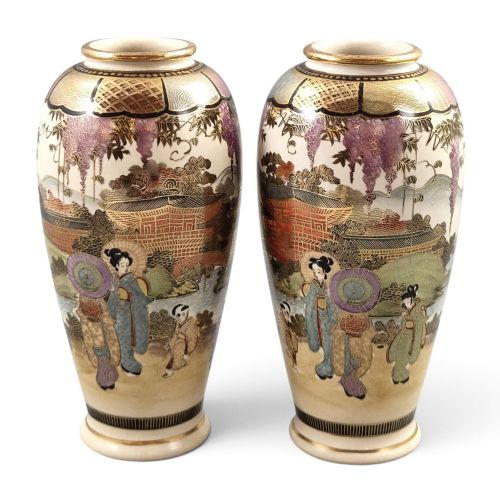
Origins span across British, French, Italian, German, Japanese, and Czech workshops, demonstrating a wide geographical reach in the creation of these subjects. Forms vary from small cabinet bronzes and Satsuma vases to life-size wood carvings and framed canvas works.
How they were made
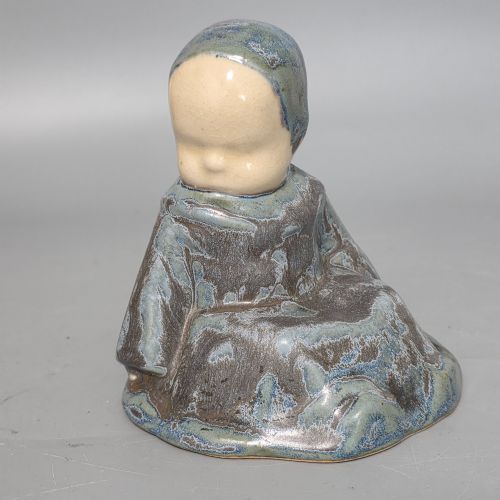
Sculptural works utilise traditional casting methods for bronze, alongside hand-carving techniques applied to lime wood, polychrome wood, and Carrara marble. Ceramic pieces combine porcelain, stoneware, and enamel work, often featuring hand-painted polychrome details or gilt finishes.
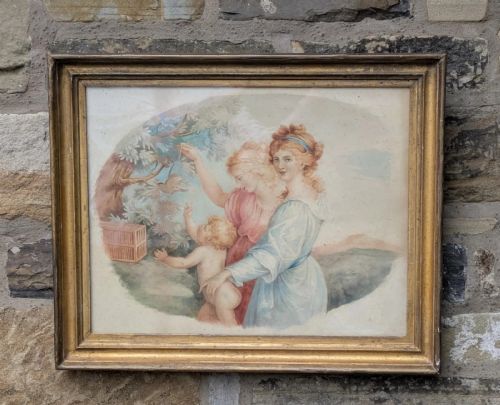
Two-dimensional representations employ oil on canvas, watercolour, pencil sketching, engraving, and mezzotint printmaking techniques. Material choices dictate the level of fine detail achievable, particularly in the rendering of facial expressions and drapery folds in marble and bronze.
European porcelain factories including Meissen and Derby are represented alongside Japanese bronze okimono.
What varies in quality
The integrity of the surface finish, whether patinated bronze, hand-painted porcelain enamel, or polished marble, dictates the visual success of the piece. Preservation of original polychrome paint on antique wood carvings also influences the standing of the work.
Luca Madrassi·Houdon·Masaaki·Berthe Savigny·Auguste Moreau
The Antique Child Figure Glossary
- Bisque
- Unglazed porcelain with a matte, white texture resembling marble. It was frequently utilised for nineteenth-century portrait busts and figural groups.
- Putto
- A plump, often winged male child figure derived from classical art. These figures appear frequently in Renaissance, Baroque, and nineteenth-century decorative works.
- Okimono
- A Japanese freestanding decorative sculpture designed for display. These Japanese bronze and ceramic pieces often depict figures in daily scenes.
- Parian
- A type of fine-grained white porcelain developed in the nineteenth century to imitate marble. Victorian manufacturers used this material extensively for classical figures.
- Bocage
- An intricate background of ceramic foliage and flowers surrounding a central figure. This technique appears commonly on eighteenth-century porcelain candlesticks and groups.
Antique Child Figure: Frequently Asked Questions
What materials were used for an antique child figure?
Makers utilised bronze, Carrara marble, carved wood, porcelain, stoneware, and gold leaf across different periods.
Two-dimensional pieces also incorporate oil paint, watercolour, and engraved media on canvas or paper.
How do I identify the period of a sculpture?
Stylistic markers such as Neoclassical, Art Deco, or Victorian aesthetics indicate the era of production. Material preparation and finishing techniques further clarify the historical origin.
Signatures, foundry marks, and ceramic stamps provide definitive chronological evidence.
Were these figures meant for display?
Most sculptural pieces and framed artworks served as interior decorative objects for domestic parlours and libraries. Devotional carvings functioned within religious contexts in homes or institutions.
Porcelain figures and bronze groups occupied mantelpieces and cabinet displays in nineteenth-century settings.
How should I care for antique marble and bronze?
Dust bronze surfaces gently with a soft cloth and avoid abrasive cleaning agents that strip the historic patina. Protect marble from staining and harsh chemical contact.
Maintain stable indoor humidity levels to preserve carved wood and painted canvas works.