


Antique Child Art
When you search for antique child art, you are looking at portraits, genre scenes and domestic objects spanning several centuries.
Antique Child Art
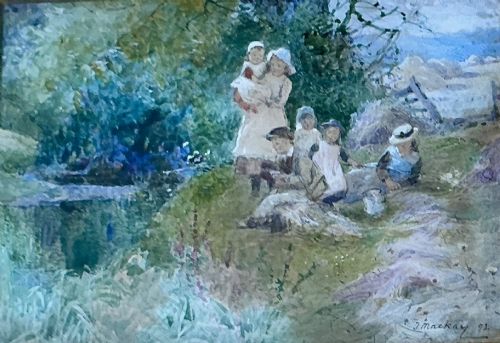
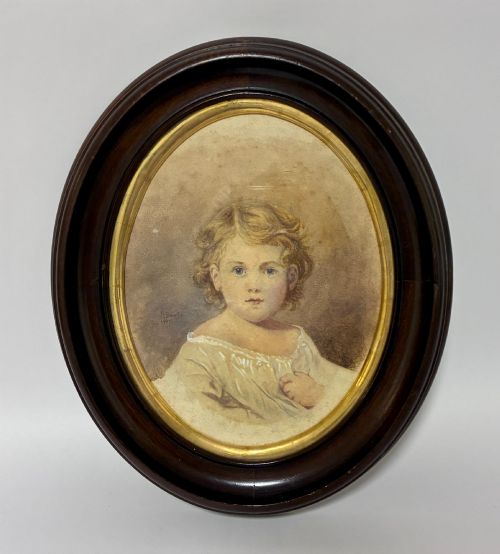
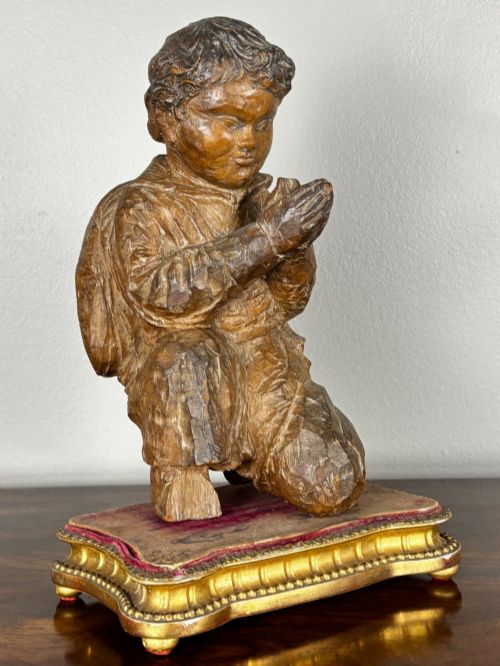
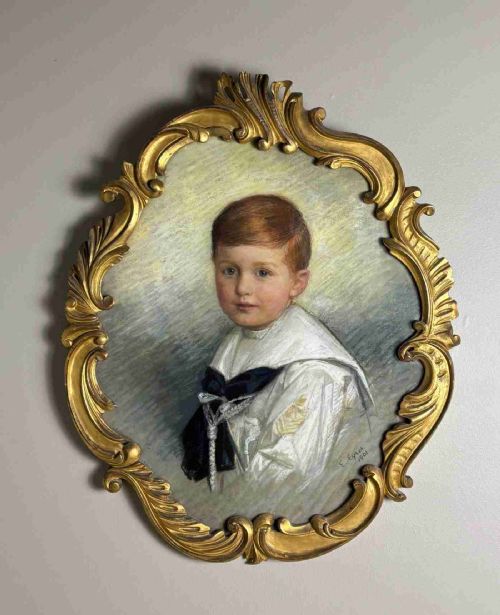
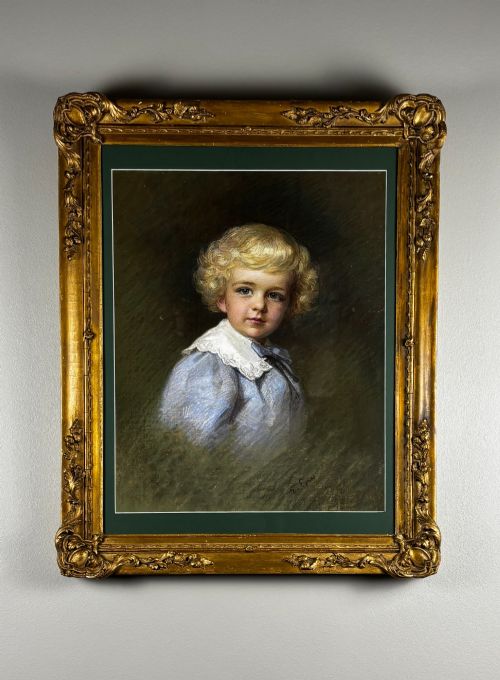
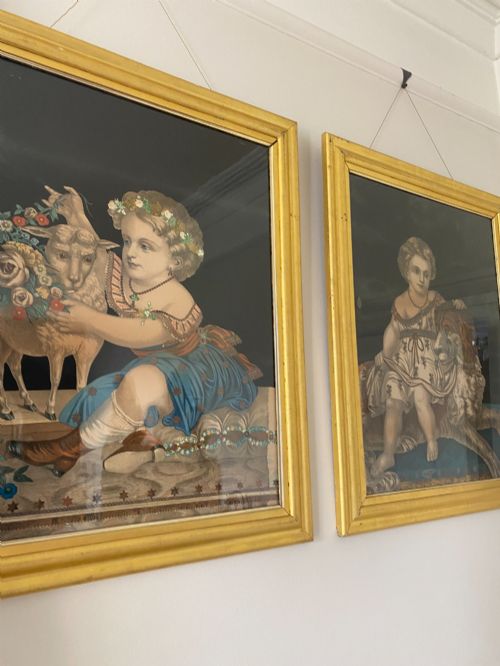
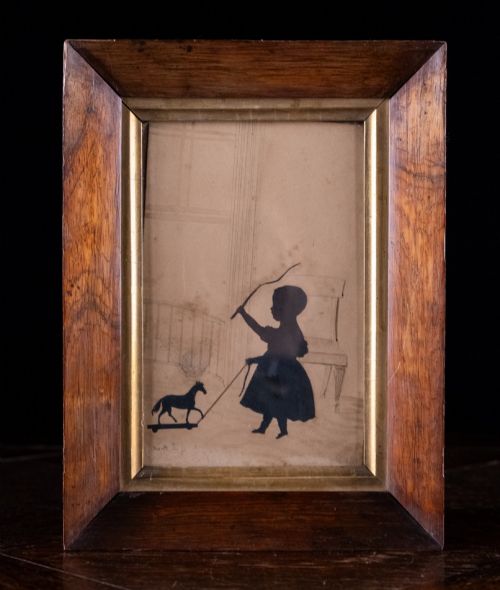
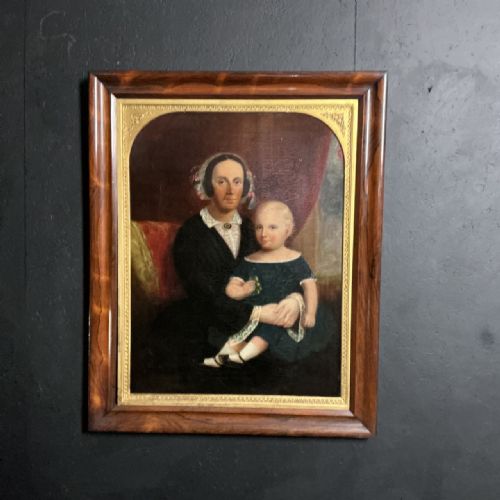
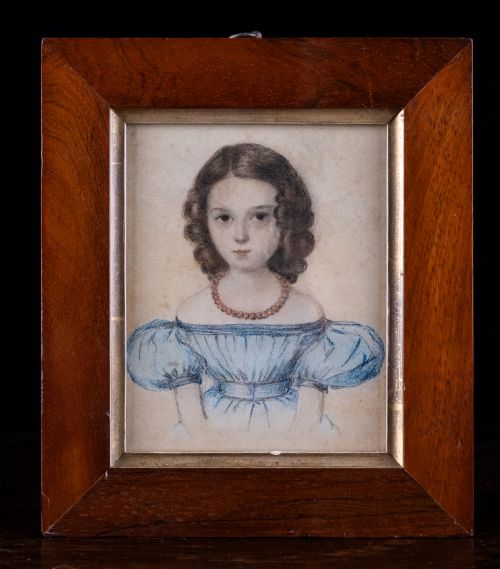
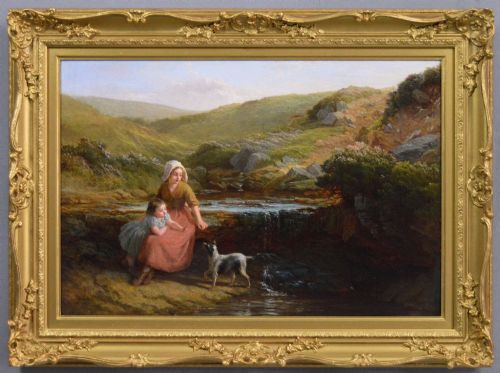
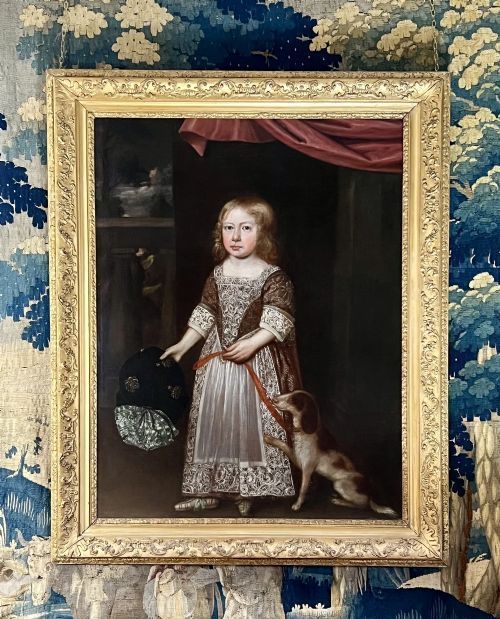
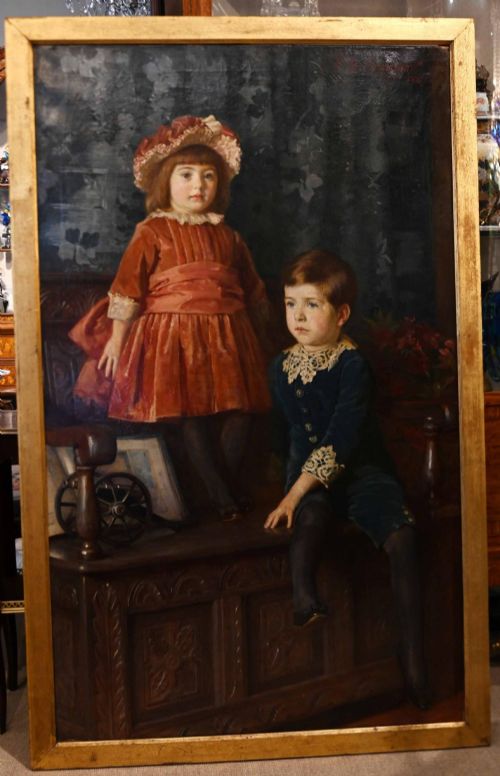
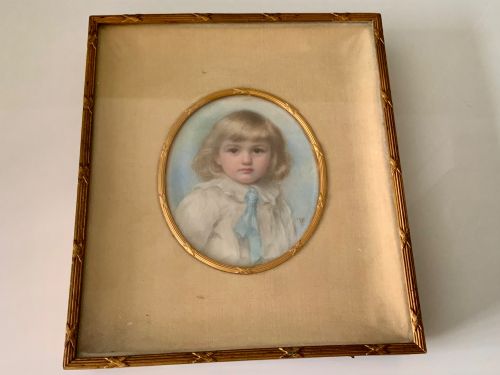
When you examine antique child art on this page, you encounter oil paintings, watercolours, pastels, prints, silhouettes and sculptures depicting children and infants. These pieces range from formal studio portraits of young subjects to genre scenes of childhood pastimes and folk art objects.
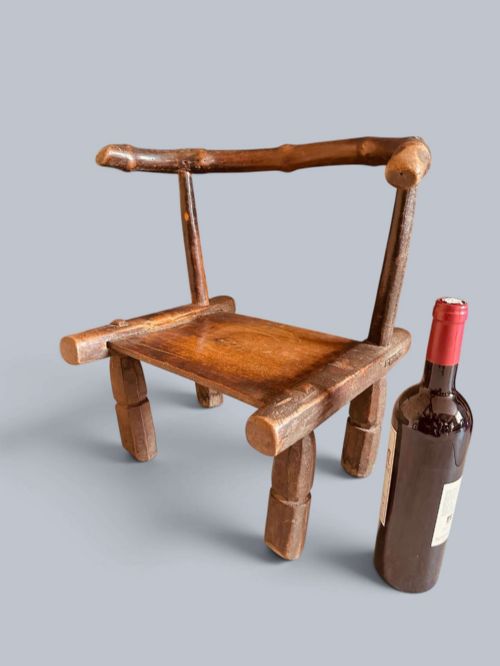
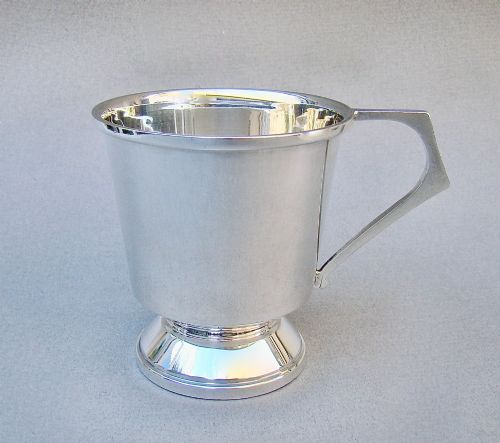
The selections span multiple periods, with significant representation from the eighteenth and nineteenth centuries alongside early twentieth-century works. You also find practical items such as child-sized armchairs, treen rattles and club chairs grouped within this category.
The origins vary widely across British, European and Italian schools, encompassing both formal academic works and naïve interpretations. Portraiture dominates the selection, often capturing siblings, babies and young girls or boys in domestic or pastoral settings.
Materials and construction
The painted works rely primarily on oil on canvas, paper, or panels, sometimes augmented with gold leaf or housed in giltwood frames. Pastels and watercolours provide a softer medium on paper support for intimate portraits.
Sculptural pieces utilise carved wood with polychrome finishes or cast metals such as bronze and gilt bronze. Furniture and small objects are fashioned from traditional timbers, occasionally retaining original upholstery like oxblood red leather.
Antique Child Art Retail Price Guide 2026
Typical asking prices for child art among the pieces listed under this phrase on Sellingantiques today, from the lower quarter to the upper quarter. They describe what is for sale here now, not the wider market.
Quality distinctions
Materials and framing contribute significantly to the standing of a piece, from heavy carved giltwood frames to fine bronze casting. The provenance and attribution to documented artists or studios elevate certain works above anonymous studio output.
George F Bird·Sir Thomas Lawrence·Edward Holmes RBA·Bernardino Luini·FS Beaumont·Sir Allan Ramsay·Mary Beale·Georges de La Tour·Emily Eyres·Joshua Reynolds·Frederick Morgans·Vittorio Reggianini·Mark William Langlois·Leon Sprinck·Charles D Agar·Augustin Edouart·George Augustus Holmes·Hans Muller·Henry Travis
The Antique Child Art Glossary
- Genre painting
- Depiction of aspects of everyday life by subjects taken from ordinary life. These scenes often show children at play, feeding animals or engaged in domestic pastimes.
- Mezzotint
- A printmaking process of the scraper-board family, in which the image is worked from dark to light. It allows for rich tonal gradations and was frequently used for reproducing popular portraits.
- Treen
- Small handmade wooden objects of utility. In this category, items such as rattles represent domestic and nursery life.
- Naïve art
- Visual art produced by a person lacking formal training and professional education. These works display a charming disregard for strict perspective and classical proportion.
Antique Child Art: Frequently Asked Questions
How do I date an oil painting of a child?
Dating relies on the style of dress, hair, and framing, as well as the canvas preparation and stretcher construction used behind the work.
Signatures, inscriptions on the reverse, and stylistic markers linked to specific centuries or artist studios offer further chronological clues.
Are these pieces original works?
The listings include both original hand-painted oils, watercolours and pastels, as well as period prints, mezzotints and sculptures.
Some paintings are explicitly noted as being after earlier masters or created within particular studios or circles of established artists.
How were children portrayed in past centuries?
Earlier centuries often depicted children as miniature adults in formal attire, reflecting the social standing and aspirations of their families.
By the nineteenth century, depictions shifted towards capturing natural childhood innocence, playfulness and domestic warmth in more relaxed settings.