


Antique Chest with Brasses
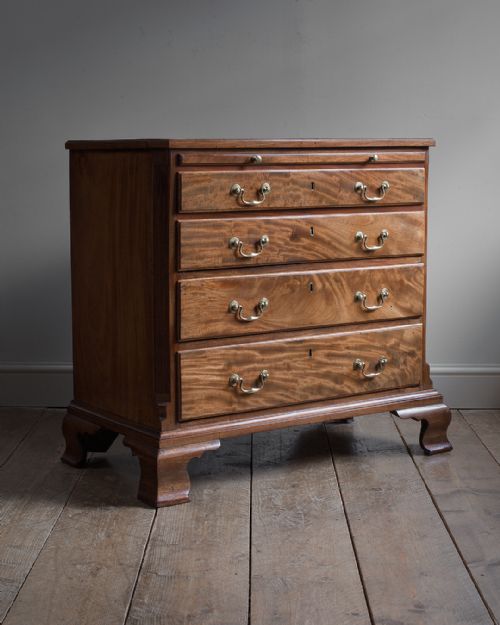
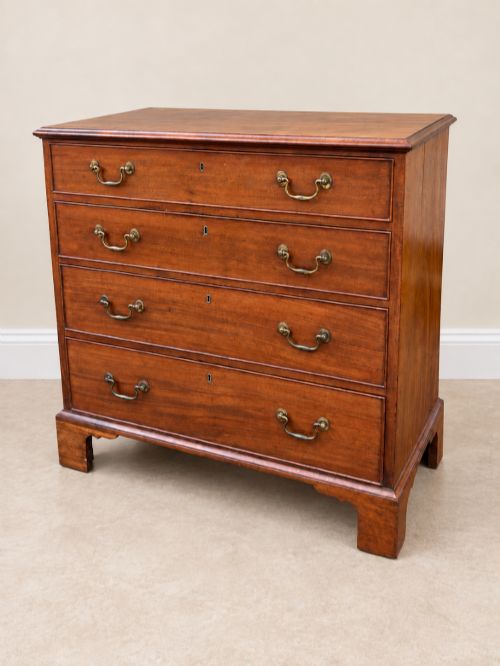
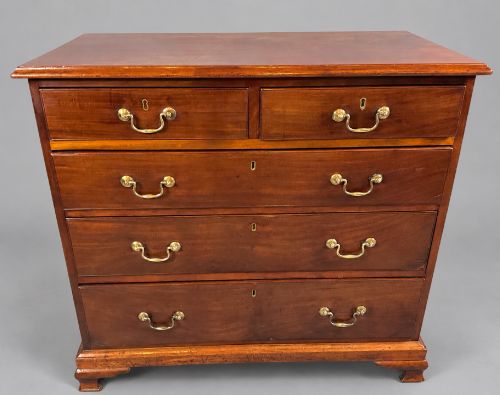
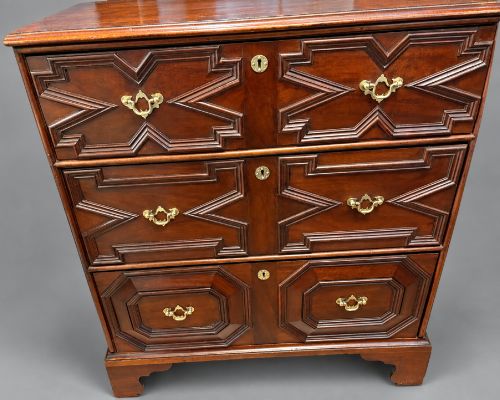
An antique chest with brasses brings timber grain and metalwork together, offering both storage and strong period character for the home.
Antique Chest with Brasses
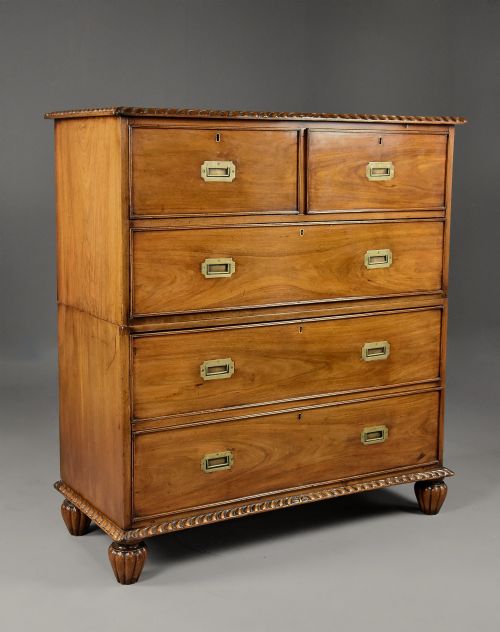
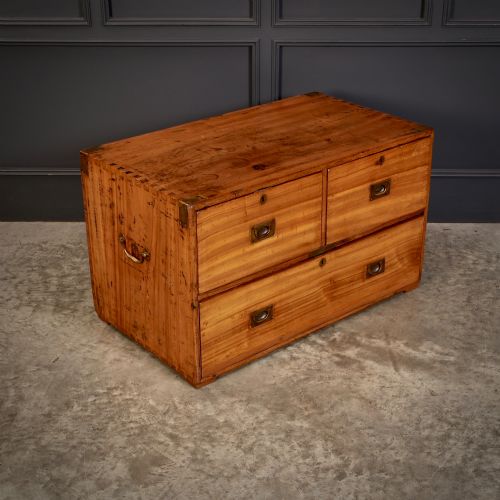
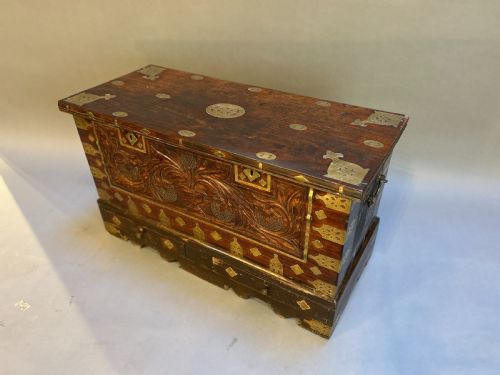
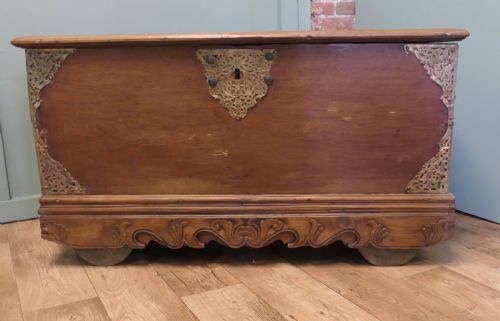
An antique chest with brasses spans major eras from the seventeenth century through to the Edwardian period, encompassing oak, walnut and mahogany furniture alongside campaign pieces. The forms range from compact bachelor chests and tall chests on chest to mule chests and military trunks equipped with metal fittings.
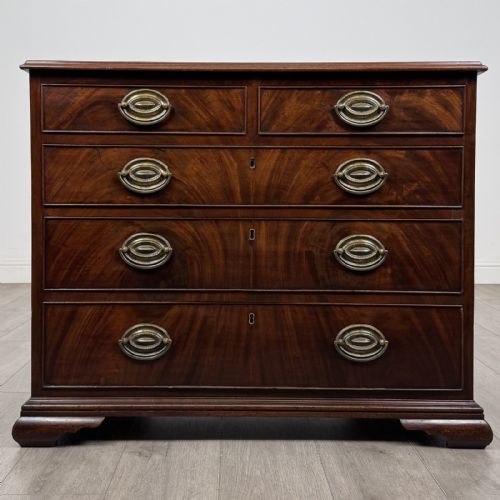
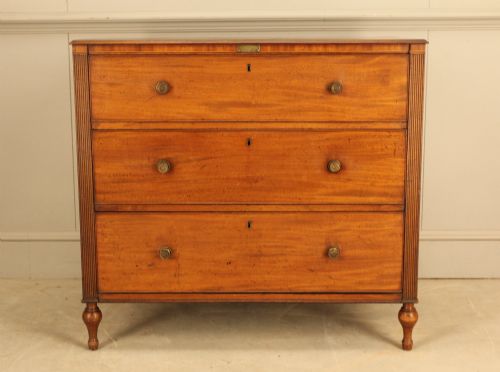
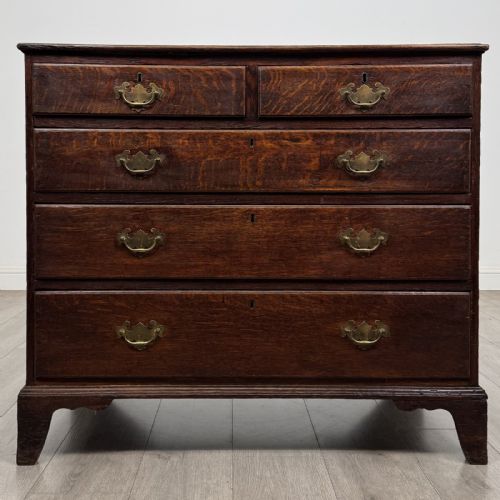
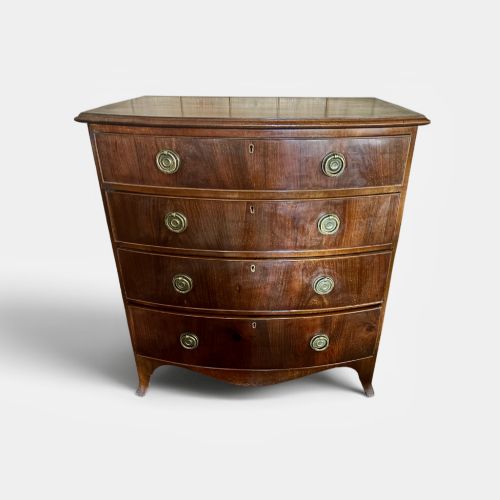
Mahogany and oak dominate the selection, often taking the shape of drawer chests with brushing slides or fall-front writing compartments. Buyers will frequently encounter Georgian and Victorian examples featuring original brass handles, drop pulls or decorative escutcheons.
Materials and Construction
Cabinet makers utilised solid timbers such as mahogany, oak, walnut and camphor wood, frequently applying crossbanding or satinwood details to elevate the surface. Timber selection determined how well a carcase handled seasonal movement in domestic rooms.
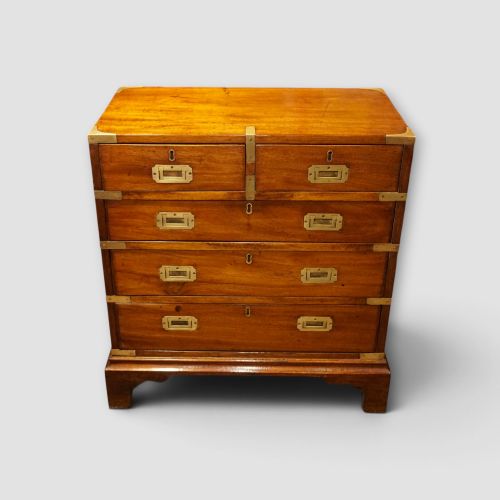
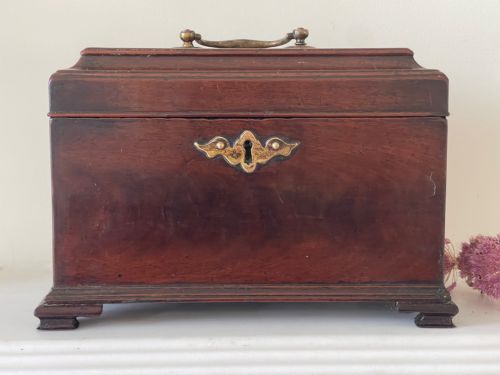
Brass formed the hinges, corner brackets, carrying handles and drawer pulls that defined functional campaign furniture and formal Georgian pieces alike. Metalwork was cast or pierced and secured with original pins or screws.
Antique Chest with Brasses Retail Price Guide 2026
Typical asking prices for chest with brasses among the pieces listed under this phrase on Sellingantiques today, from the lower quarter to the upper quarter. They describe what is for sale here now, not the wider market.
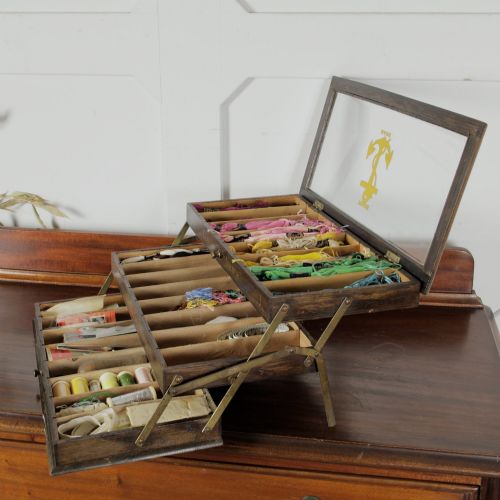
Secret drawers tucked behind sliding panels or false drawer fronts offered Victorian owners a private spot for confidential papers.
Gradations in Execution
The degree of refinement in drawer linings, dovetailed joints and timber selection marks the difference between standard utilitarian pieces and high-status cabinet work. Secondary timbers such as pine or oak inside drawer construction reveal the diligence of the original workshop.
The retention of original brass hardware, working locks with keys and uncompromised feet or bracket bases elevates a piece. Altered handles or replaced backboards alter the integrity of the object.
The Antique Chest with Brasses Glossary
- Brushing slide
- A pull-out wooden shelf positioned above the top drawers, historically used for writing or brushing clothes. It slides flush into the frame when not in use.
- Campaign chest
- A portable chest built in two sections with recessed brass handles and corner braces, designed for military officers on the move. These pieces separate easily for transport.
- Mule chest
- A storage chest featuring one or more drawers at the base beneath a hinged lid compartment. They combine the functions of a traditional blanket chest and a drawer unit.
- Chest on chest
- A tall case furniture form comprising an upper chest of drawers stacked directly on top of a slightly wider lower chest. Also known as a tallboy, it maximises vertical storage.
Antique Chest with Brasses: Frequently Asked Questions
How do I date a chest?
Dating relies on examining construction methods, timber choices, and hardware styles such as brass handles and bracket feet. Secondary woods and dovetail crispness also help narrow the manufacturing decade.
Comparing structural details against documented period examples provides a reliable timeframe for origin.
Were brasses always original?
Many pieces retain their original cast or pierced brass handles and escutcheons, though replacements occurred over centuries of domestic use. Inspecting the timber behind backplates reveals earlier fixing marks.
Original brasses show consistent wear patterns matching the age of the surrounding wood.
Where did campaign chests go?
Military campaign chests travelled with British officers across the empire, constructed in sections for easy transport on mules or ships. The brass corners protected vulnerable edges during rough journeys.
Camphor wood and teak frequently served in these pieces to withstand tropical climates and deter insects.
How should I maintain the timber?
Keep wooden chests away from direct heat sources and dramatic humidity shifts to prevent timber splitting or warping. Natural wax applied sparingly helps nourish dry surfaces.
Avoid synthetic polishes that build up residue and dull the original finish over time.