





Antique Cherub Artwork
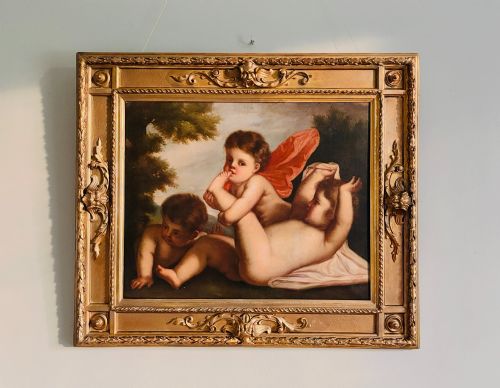
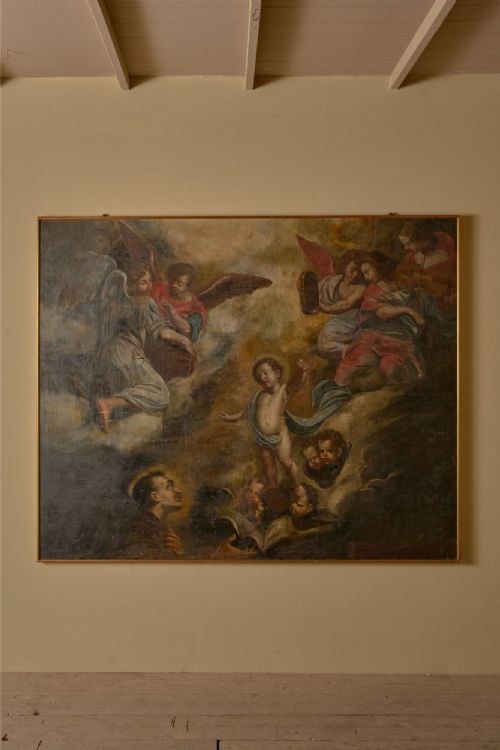
Antique cherub artwork brings winged putti, cupids and angels into domestic spaces through oil on canvas, carved wood and giltwood frames.
Antique Cherub Artwork
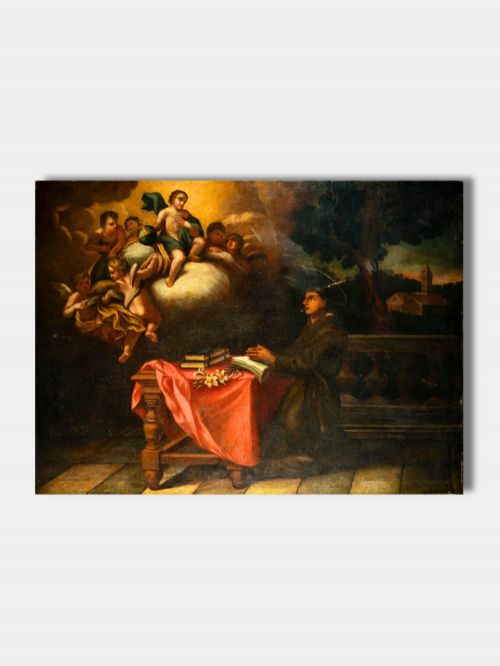
When you search for antique cherub artwork, you find depictions of winged celestial figures rooted in classical and religious subjects. These pieces span centuries of European fine art, from Italian Renaissance revival works to French Rococo compositions and Victorian interpretations.
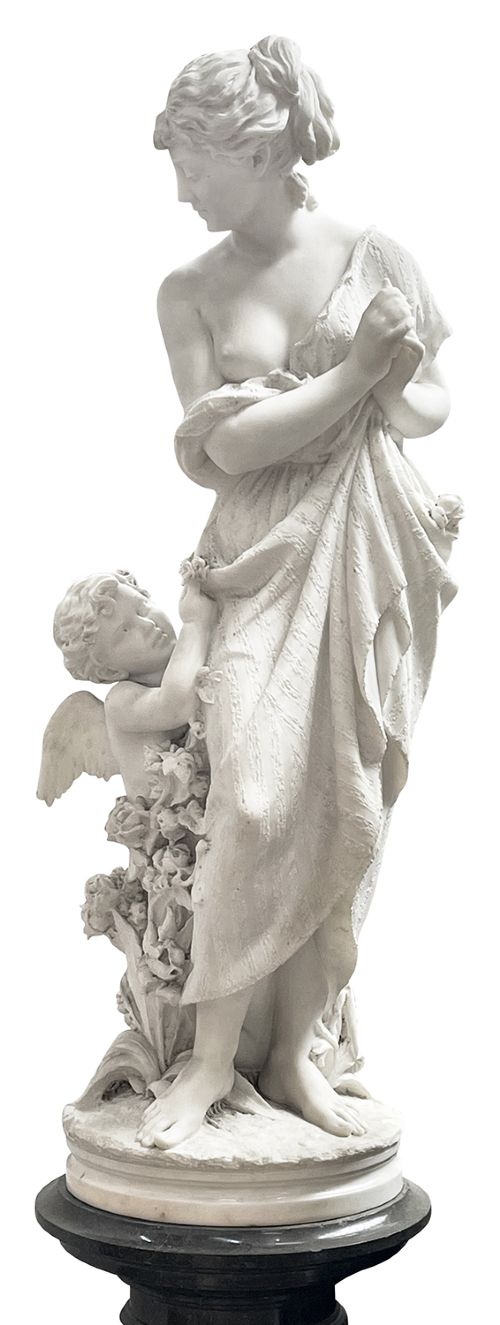
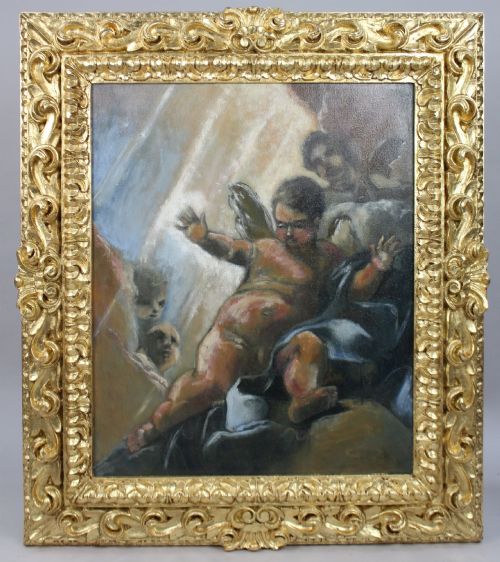
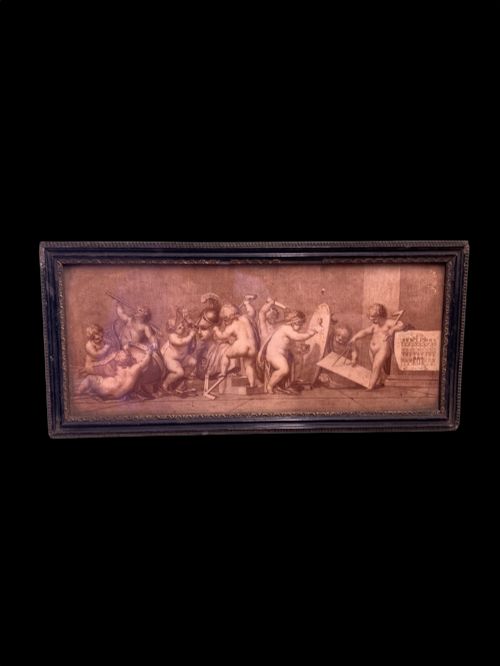
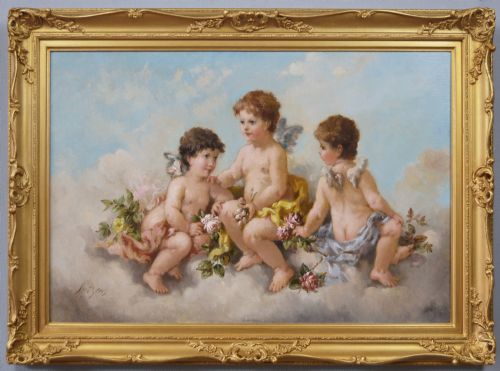
The most common examples on this page are oil paintings on canvas, often set within ornate carved giltwood frames. You also encounter engravings, watercolours, plaques, and bronze or slate sculptures depicting these winged infant motifs.
Originating largely from British, French, Italian, and Spanish traditions, these works range from large monumental canvases to intimate framed watercolours and decorative wall art.
How they were made
Painters used oil paint on canvas or paper panels, building rich layers of colour and shadow to define the cherubic forms. Skilled hands applied pigments to capture delicate flesh tones, flowing drapery, and detailed backgrounds.
Frames and plaques show varied craftsmanship, utilising carved giltwood, shaped wood, cast bronze, and hand-carved Welsh slate. Many pieces combine painted imagery with elaborate structural mountings that reflect the stylistic preferences of their period.
Antique Cherub Artwork Retail Price Guide 2026
Typical asking prices for cherub artwork among the pieces listed under this phrase on Sellingantiques today, from the lower quarter to the upper quarter. They describe what is for sale here now, not the wider market.
Listings feature oil on canvas, wood, giltwood, glass, paper, and Welsh slate across the eighteenth and nineteenth centuries.
What varies in quality
The sophistication of the painting technique separates standard decorative pieces from accomplished works of fine art. Nuanced handling of light, anatomical proportion in the figures, and the expressive depth of the faces dictate the artistic merit.
The quality of the surrounding materials also defines the piece, particularly the depth and preservation of original carved giltwood framing or the precision of hand-carved plaques and metalwork.
Jean Baptiste Isabey·Auguste Moreau·Orsola Maddalena Caccia·Charles Augustus Henry Lutyens·Rosso Fiorentino
The Antique Cherub Artwork Glossary
- Putti
- Winged infant figures originating in classical art, commonly depicted in Renaissance and Baroque painting. They frequently appear as attendants to religious figures or as mischievous cupids.
- Giltwood
- Wood that has been coated with gold leaf or gold paint. This finish was heavily utilised on decorative frames throughout the Baroque and Neoclassical periods.
- Camaieu bleu
- A monochromatic painting technique executed entirely in shades of blue. This method produces a sculptural, cameo-like effect on the canvas.
- Trompe l'oeil
- An artistic technique that uses realistic imagery to create an optical illusion that depicted objects exist in three dimensions. It often plays with perspective and architectural framing.
- Pate sur pate
- A ceramic decorating method where relief designs are built up using layers of liquid clay slip. This creates a cameo-like white design against a contrasting background colour.
Antique Cherub Artwork: Frequently Asked Questions
What is the difference between a cherub and a cupid?
A cherub is a celestial winged spirit found in religious and biblical art, often associated with angels and divine presence. A cupid specifically represents the classical mythological god of erotic love, usually shown with a bow and arrow.
In art history, the visual representations often overlap significantly, leading to the terms being used interchangeably by makers and collectors across various periods.
How do I date an oil painting of cherubs?
Dating relies on examining the stretcher frames, canvas preparation, pigments, and the stylistic conventions of the period. Historical clothing, framing techniques, and signatures or inscriptions provide further clues.
Comparing the brushwork and subject matter to known regional schools helps narrow down whether a piece belongs to the eighteenth or nineteenth century.
Where should I hang a framed cherub painting?
These works suit traditional drawing rooms, studies, or hallways where their classical framing can complement period interior architecture. Ensure they hang away from direct sunlight to protect the oil paint and giltwood.
Pairing them with neutral walls allows the detailed brushwork and ornate frames to become central focal points in the room.
What periods do these artworks come from?
The pieces span from the eighteenth century through the nineteenth century, including specific dates from the seventeen-fifties onwards. You will also find later revival styles referencing earlier artistic eras.
Italian, French, Spanish, and British workshops produced the majority of these religious and mythological compositions.