




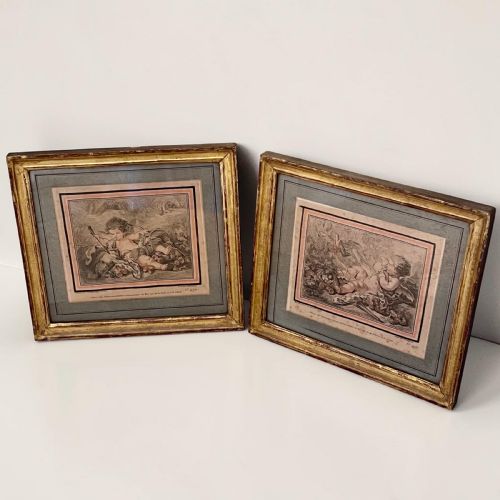
Antique Cherub Art
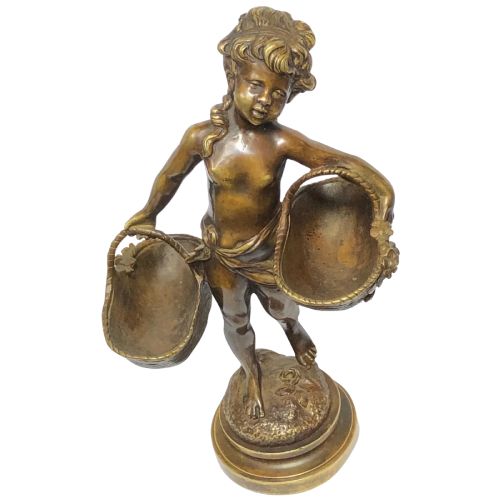
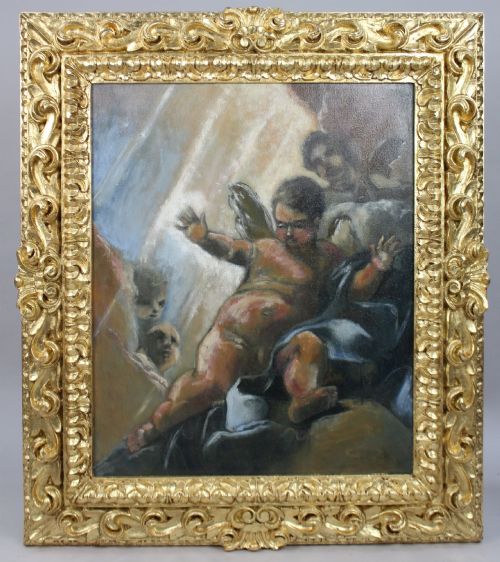
Antique cherub art gathers painted putti, carved wooden angels and bronze cupids spanning centuries of European craftsmanship.
Antique Cherub Art
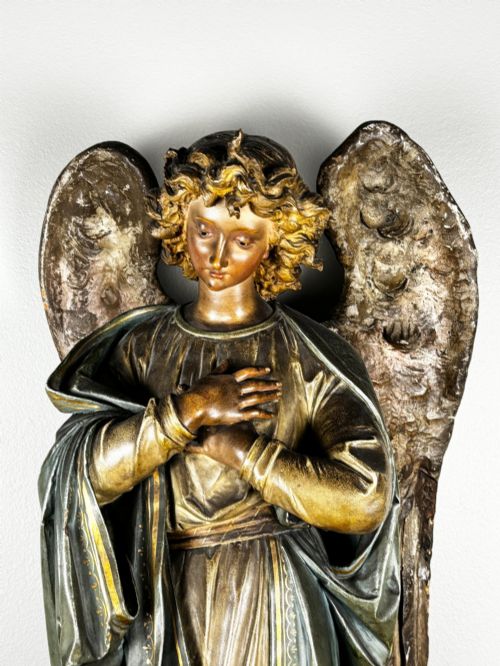
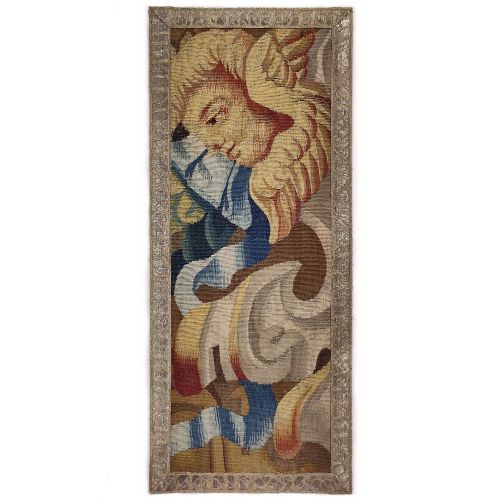
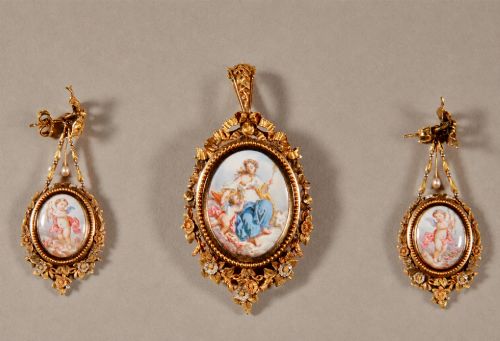
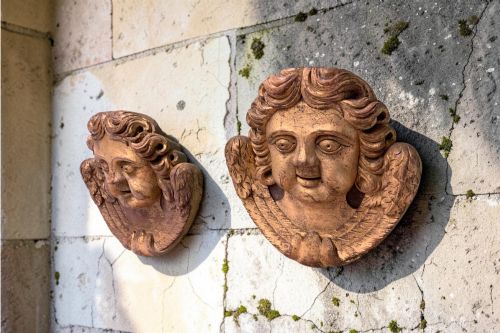
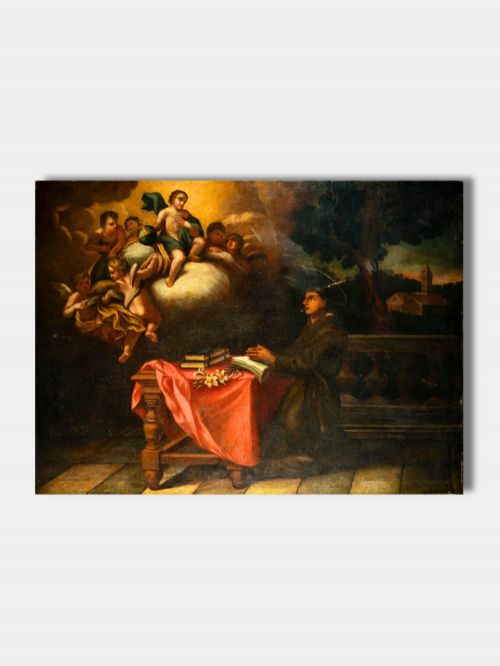
Antique cherub art encompasses paintings, sculptures, wall plaques and architectural elements depicting winged celestial children, cupids and putti. These motifs appear across various European traditions, reflecting classical mythology and religious iconography from the seventeenth century onwards.
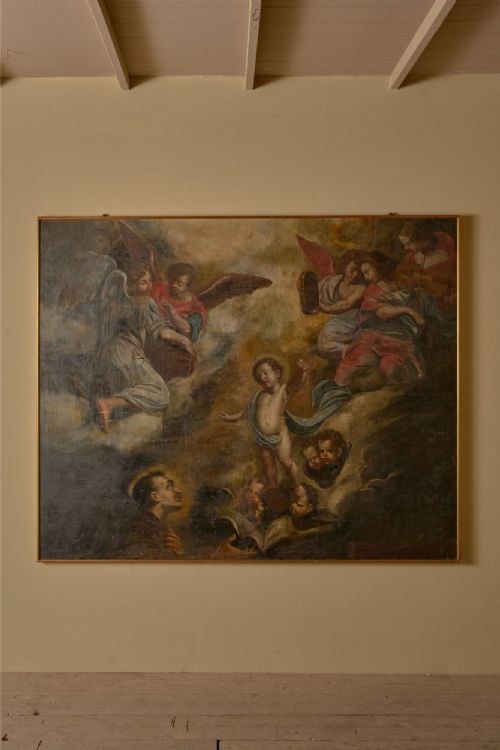
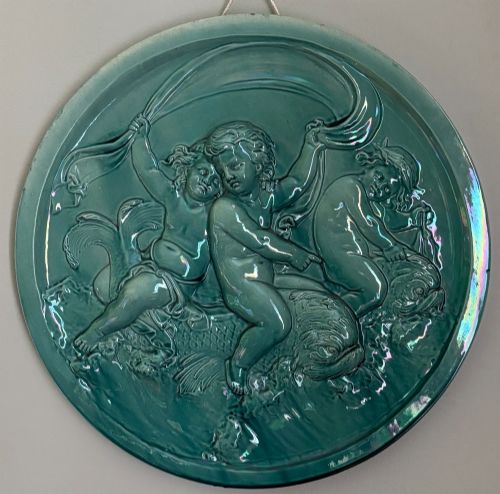
Buyers meet works executed in oil on canvas, carved oak, cast bronze, terracotta and porcelain. The selection ranges from monumental Italian oil paintings and French church carvings to Edwardian silver trays and porcelain figures.
How these pieces were made
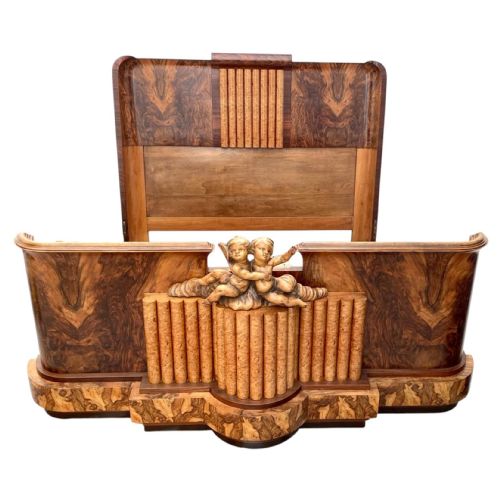
Sculptural pieces rely on traditional techniques such as hand-carving in wood, casting in bronze or silver, and moulding in terracotta and porcelain. Artisans often utilised giltwood frames, gold leaf, and polychrome finishes to enhance decorative depth.
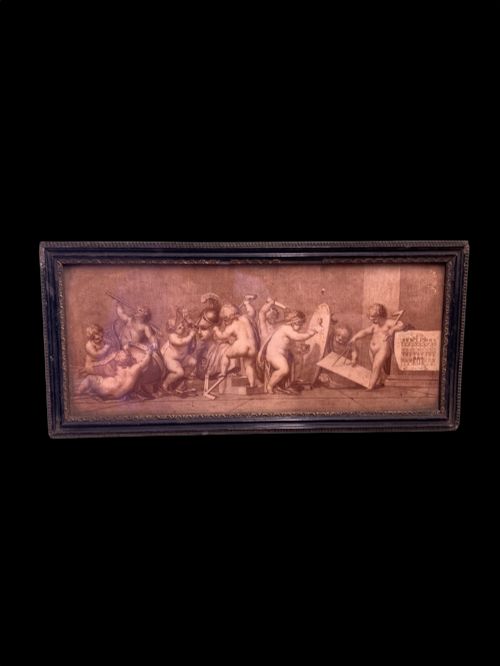
Painted works utilise oil on canvas or panel, watercolour, and engraving methods. Artists employed meticulous brushwork to render drapery, flesh tones, and subtle facial expressions on small-scale plaques and large canvases alike.
Antique Cherub Art Retail Price Guide 2026
Typical asking prices for cherub art among the pieces listed under this phrase on Sellingantiques today, from the lower quarter to the upper quarter. They describe what is for sale here now, not the wider market.
Listings feature works spanning the 17th Century to the 1920s, utilising materials including bronze, oil on canvas, carved wood, and porcelain.
What varies in quality
Quality rests upon the skill of the execution, from the anatomical proportion in carved wood and cast bronze to the subtlety of blending in oil paintings. Master modellers and named artists achieve a vitality and expressiveness absent in routine decorative workshop output.
The integrity of materials and original mounts also determines distinction, such as authentic period frames matching canvas dates or crisp chasing on bronze figures.
Auguste Moreau·Clement Messier·Paul Scheurich·Richard Avrilli·Jean Baptiste Isabey·Rene Lalique·Reginald Robert Tomlinson·Edward Pearce·Georges Van De Voorde·Karl Tutter
The Antique Cherub Art Glossary
- Putto
- A figure of a human baby, frequently winged, depicted in classical and religious art. These figures often appear playing instruments or accompanying religious scenes.
- Giltwood
- Wood that has been treated with gold leaf or gold paint to give a metallic golden surface. It frequently frames oil paintings and wall mirrors.
- Camaieu bleu
- A monochrome painting technique executed entirely in shades of blue. This style produces a soft, uniform tonal effect across the canvas.
- Pate sur pate
- A porcelain manufacturing technique where a relief design is built up in white clay slip on a contrasting coloured body. The method creates a cameo-like translucent effect.
Antique Cherub Art: Frequently Asked Questions
What is a putto?
A putto is a chubby, often winged male child depicted in art, originating from classical mythology and later adopted in Renaissance and Baroque religious works.
Unlike biblical angels, putti represent secular or decorative motifs expressing love, music or mischief.
How do I date a cherub painting?
Dating relies on stylistic markers such as pigment composition, canvas preparation, and the framing traditions of specific eras like the eighteenth or nineteenth century.
Signatures, artist records, and the costume or hair styling of accompanying figures also provide chronological clues.
Where were these carvings used?
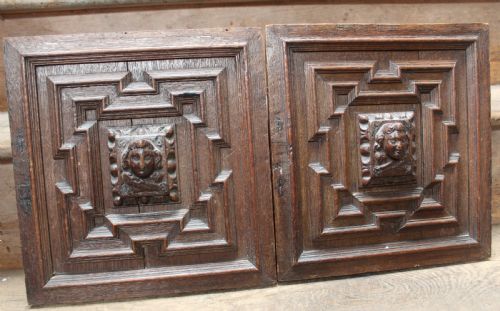
Carved cherubs frequently originated as architectural salvage, over-door panels, staircase mounts, or church furnishings in France and Italy.
Woodcarvers integrated them into domestic interiors and religious altars to add three-dimensional ornamentation.
How do I care for bronze sculptures?
Bronze figures require gentle dusting with a soft cloth and should be kept away from excessive moisture to preserve the metal patina.
Avoid using abrasive chemical cleaners that strip the original surface finish.