


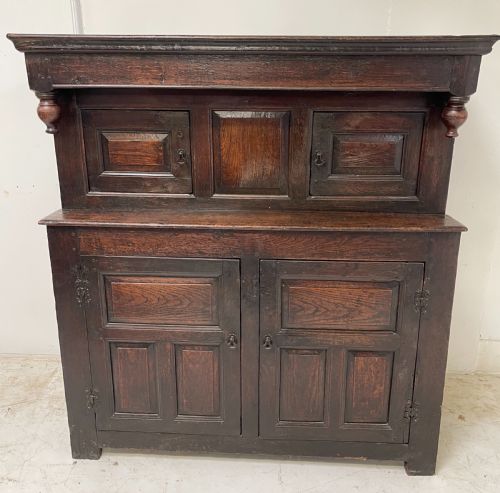

Antique Cheese Press
These antique cheese press pieces combine utilitarian heritage with robust timber and metal construction, offering collectors genuine domestic history.
Antique Cheese Press
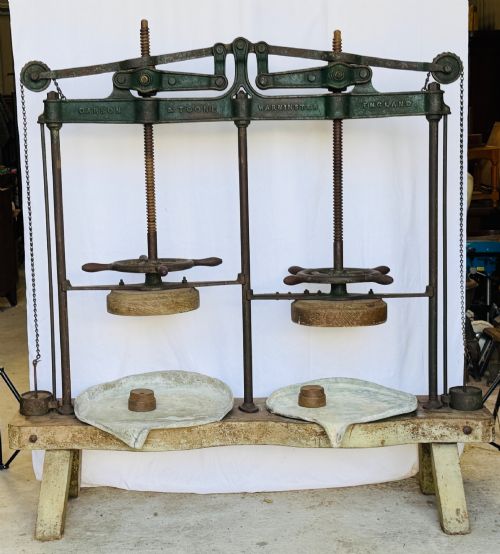
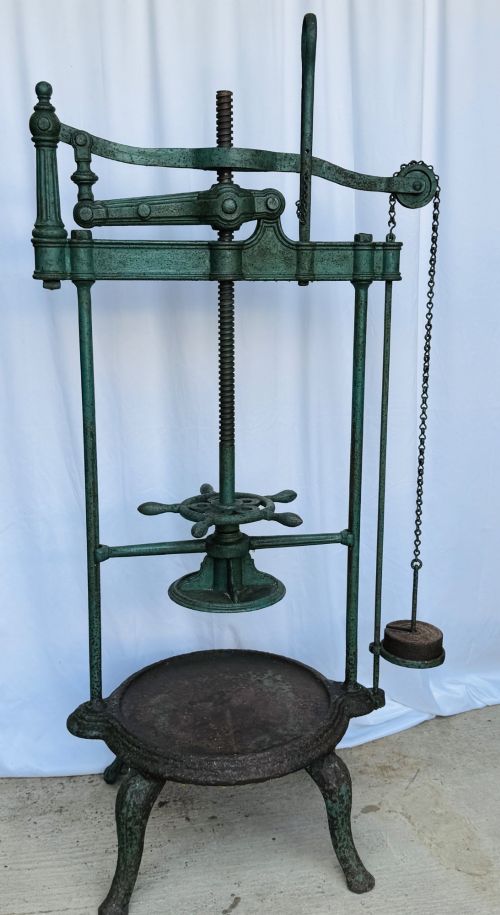
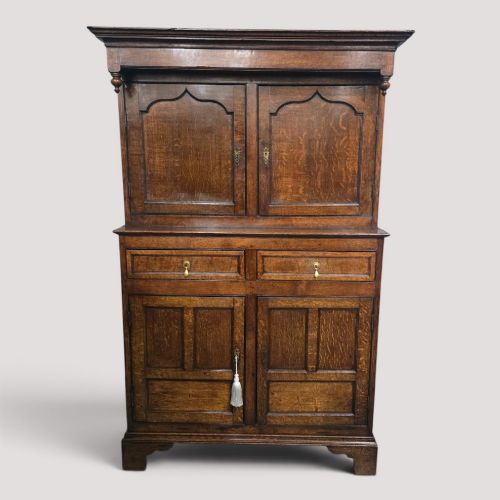
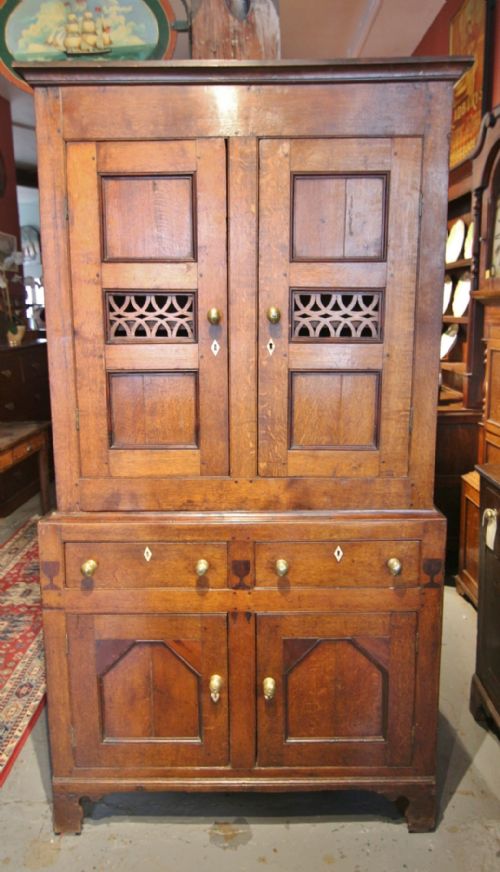
When you search for an antique cheese press, you encounter practical dairy equipment and related vernacular furniture designed for domestic food preparation. The selection ranges from dedicated mechanical presses utilising iron and cast iron to related cupboards designed for storing bread and cheese.
The pieces span several centuries, with vernacular examples reflecting regional dairy traditions. Buyers will find heavy metal presses alongside substantial oak cupboards from British and continental workshops.
Materials and construction
Makers utilised durable hardwoods like oak and elm for structural framing and cabinetry. These timbers provided the necessary strength to support heavy mechanical loads in working dairies.
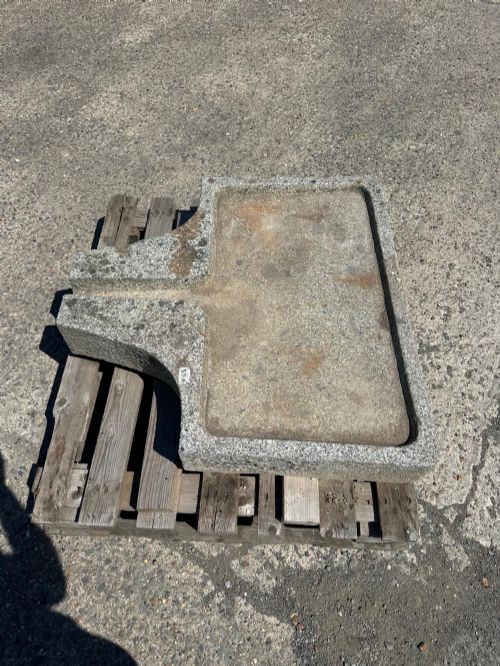
Metal components such as forged steel, cast iron, and brass formed the heavy screw mechanisms and levers required to extract whey from the curds. Lead and granite also appear in specific utilitarian press designs.
Some press tables are so heavy they likely required a dairymaid with forearms like blacksmiths to operate them daily.
Assessing quality and authenticity
Quality in a cheese press lies in the integrity of the mechanical parts and the original state of the timber. Surviving iron and steel components that retain their functional movement indicate superior domestic hardware.
The depth of carving and the joinery methods on associated furniture elements reveal the competence of the regional maker. Unaltered surfaces and honest wear distinguish pieces used actively in period dairies.
The Antique Cheese Press Glossary
- Cheese press
- A mechanical device used in dairy farming to press moisture from curd during cheese making. These utilise screw mechanisms and weighted levers.
- Court cupboard
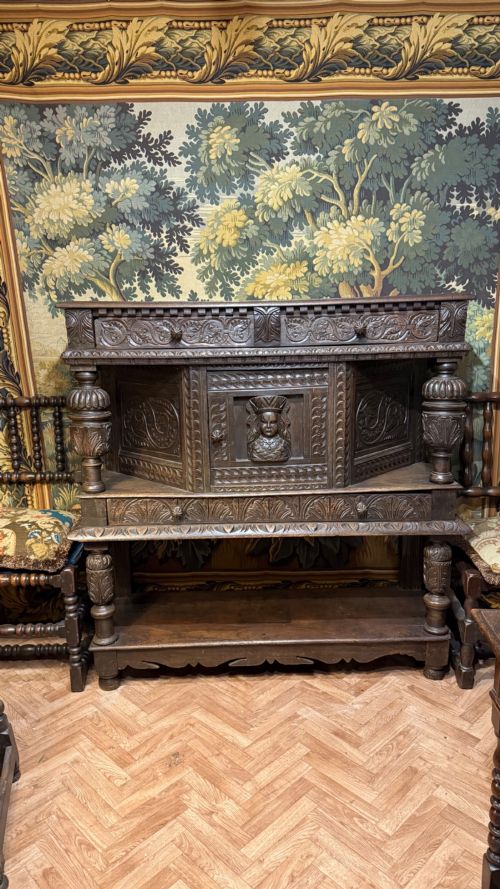
- An antique open or enclosed cupboard used for storing food and displaying plate. Examples frequently appear in oak across various centuries.
- Deuddarn
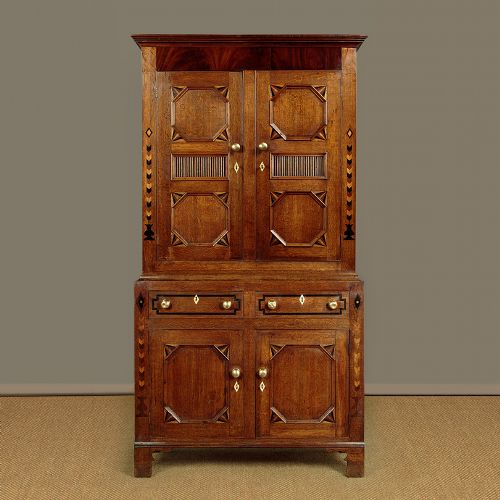
- A traditional Welsh two-section cupboard used for domestic storage. These pieces often feature panelled doors and local vernacular joinery.
- Livery cupboard
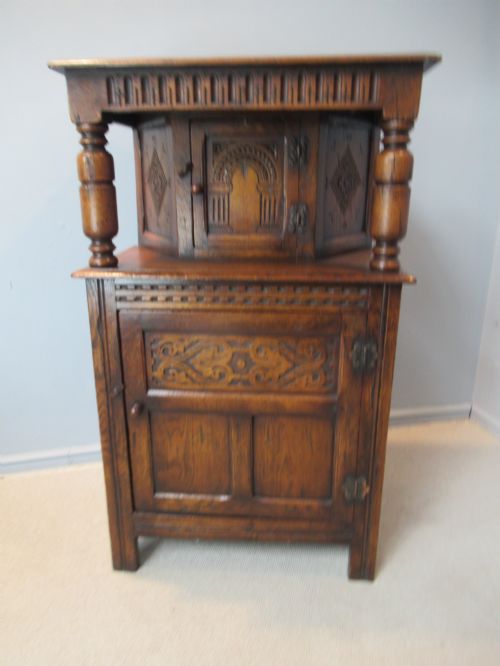
- A small ventilated cupboard used for storing rations or food portions. They date predominantly to the seventeenth century and earlier.
Antique Cheese Press: Frequently Asked Questions
How do I date an antique cheese press?
Dating relies on examining the combination of materials, fastener types, and tool marks left by the maker. Early examples display hand-forged ironwork and pegged oak joints.
Later Victorian and Edwardian pieces incorporate mass-produced cast iron components and standardised screw threads. Comparing the timber patination to known period pieces helps confirm the era.
Were these presses used in homes?
Most cheese presses originated in working agricultural dairies or farmhouses where families produced food in bulk. Smaller domestic units existed for household cheese production.
Associated cupboards stored dairy produce alongside bread and provisions in farmhouse kitchens.
How do I maintain oak furniture?
Keep wooden surfaces away from direct heat sources and drastic humidity changes to prevent the timber from splitting. Apply traditional beeswax occasionally to nourish the dry grain.
Avoid modern liquid polishes that can build up a sticky residue over the historic patina.
Are metal parts usually original?
Original metalwork shows consistent oxidation and wear that matches the age of the wooden base. Replacement screws and brackets often stand out through cleaner threading and brighter surfaces.
Inspect the seating points where iron meets timber to check for historical repairs or alterations.