


Antique Champagne Pail
An antique champagne pail brings serious weight and historic sparkle to a modern dining room, whether you need a silver-plated cooler for ice or a mahogany vessel for bottles.
Antique Champagne Pail
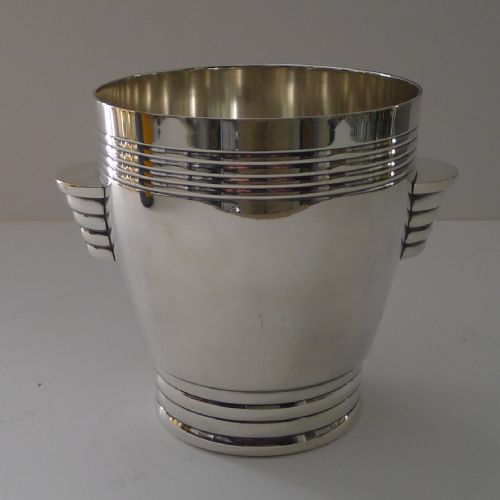
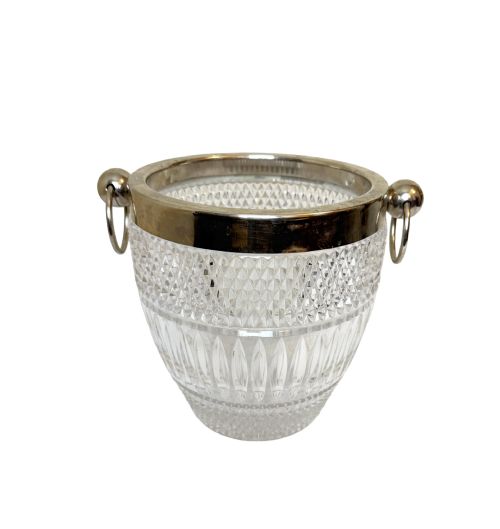
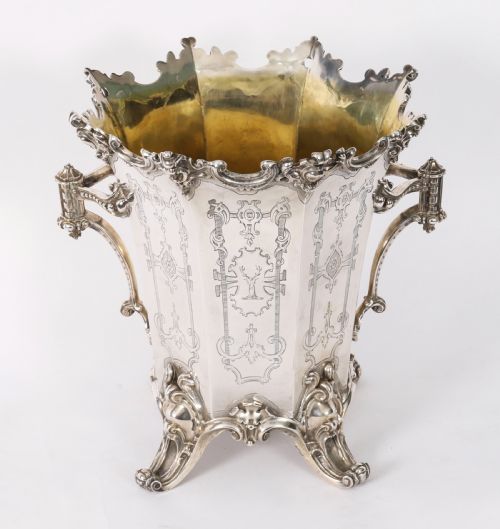
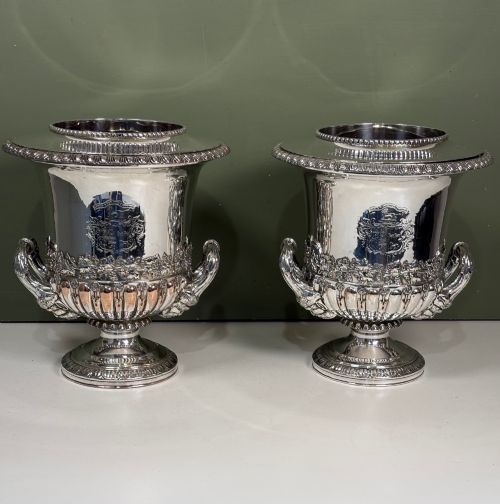
When you search for an antique champagne pail, you are looking at substantial vessels designed to chill wine and hold ice during formal dining. These pieces range from towering Regency mahogany cellarettes to glittering silver-plated champagne coolers from the Art Deco period.
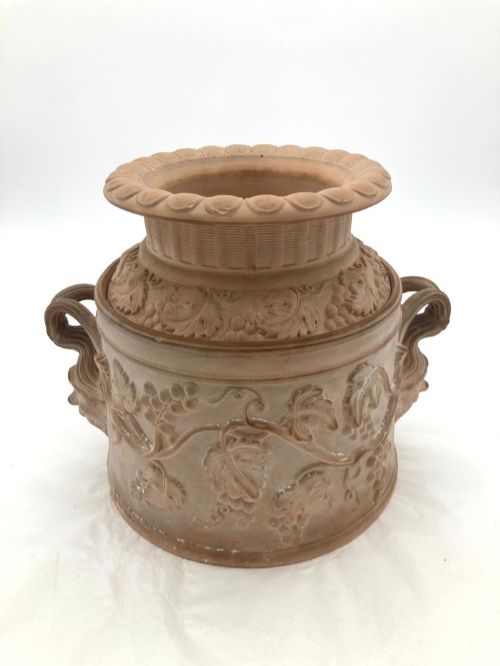
The versions you are most likely to meet on this page span the nineteenth and twentieth centuries, fashioned primarily in silver plate, crystal, and brass-bound timber. They take forms as varied as lidded terracotta coolers, cut glass ice buckets, and heavy plated wine coolers from historic makers.
How they were made
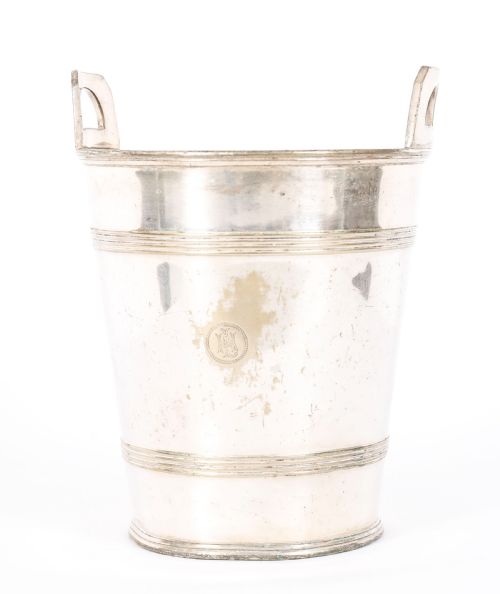
Silversmiths and manufacturers utilised heavy silver plating over copper or base metals, alongside traditional Old Sheffield plating methods where a sheet of silver was fused to a copper core. These metal bodies were often heavily embossed, chased, or fitted with cast handles and armorial crests.
Cabinetmakers constructed timber coolers from mahogany and oak, frequently binding the staves with heavy brass bands and incorporating ceramic or metal liners to hold melting ice. Glassmakers blew and cut thick crystal and lead glass to create sparkling ice pails designed to catch the candlelight.
Some nineteenth-century champagne pails feature leaping dolphins and cherubs, proving our ancestors knew how to make a serious party animal.
What varies in quality
The distinction between ordinary production and top-tier manufacture lies in the weight of the metal and the crispness of the chasing. Pieces produced by distinguished makers display thick, durable silver plating that resists wearing down to the base copper over centuries of polishing.
Construction integrity defines the wooden and ceramic examples, where tight joinery in mahogany staves and unblemished ceramic creamware liners separate utilitarian vessels from grand dining room showpieces.
Hutton Sheffield·Elkington, Mason And Co·Dawson·Christofle·Matthew Boulton And Co·Flight, Barr And Barr·Luc Lanel
The Antique Champagne Pail Glossary
- Old Sheffield Plate
- An early fusing technique where a thin sheet of sterling silver is thermally united to a thick copper base. This method often reveals a thin line of exposed copper along exposed edges.
- Cellarette
- A large, freestanding cabinet or standalone pail used for storing and chilling wine bottles in the dining room. They frequently feature internal compartments and heavy brass carrying handles.
- Biscuit Barrel
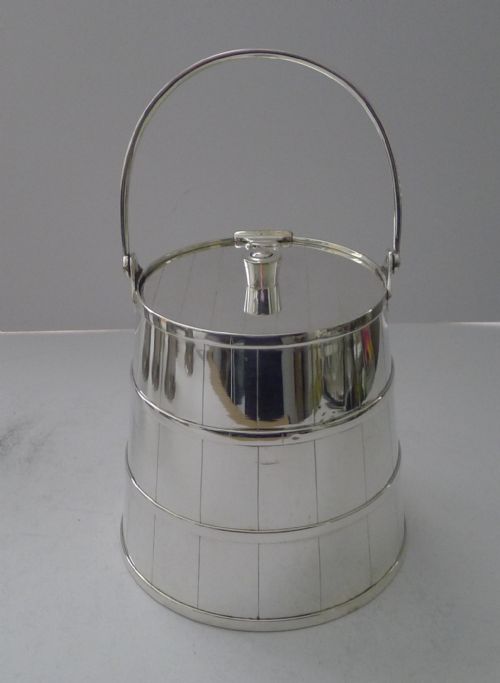
- A covered ceramic, glass, or silver-plated container originally designed for storing dry biscuits at the tea table. Many examples double effectively as ice buckets today.
- Lead Crystal
- A heavy glass variety containing metallic oxide that increases brilliance, refractive index, and overall weight. It forms the shimmering body of many Edwardian and Art Deco ice pails.
- Creamware
- A refined earthenware developed in the eighteenth century with a warm, cream-coloured glaze. It frequently appears as the internal liner within wooden or metal nineteenth-century bucket frames.
Antique Champagne Pail: Frequently Asked Questions
How do I clean an antique silver plated champagne pail?
Use a gentle, non-abrasive silver cream and a soft cloth to remove tarnish without stripping the underlying plating. Avoid harsh chemical dips that can permanently damage historic surfaces and exposed base metals.
Wash the interior thoroughly with warm soapy water and dry immediately to prevent moisture spotting on the metal or any internal liners.
Can I use an antique ice bucket for daily dining?
These sturdy vessels were built for active hospitality and handle ice and bottled drinks with ease. Metal and glass versions require minimal care beyond standard washing after use.
Take extra care with wooden or terracotta pails to ensure standing water and melting ice do not damage the historic porous interiors or timber staves.
How do I tell an 18th century cooler from a Victorian copy?
Examine the construction marks, tool signatures, and the method of metal plating or timber joining. Earlier pieces often display hand-beaten surfaces, heavy hand-cut crystal, and distinctive maker stamps specific to early Georgian workshops.
Victorian and later reproductions generally exhibit machine precision, standardised screw threads, and different silver plate composition standards that mark their later production date.
What is the difference between a wine cooler and a champagne pail?
Wine coolers from the Georgian and Regency periods were traditionally deeper vessels designed to hold multiple bottles upright amidst melting ice. They often stood on the floor or on dedicated mahogany stands.
Champagne pails emerged more prominently in the later nineteenth and twentieth centuries as single-bottle vessels meant to sit directly on the dining table or on specialised side tables.