



Antique Chalice Bowl
These antique chalice bowl pieces range from lead crystal rummers to carved wooden vessels, offering elevated height and ceremony.
Antique Chalice Bowl
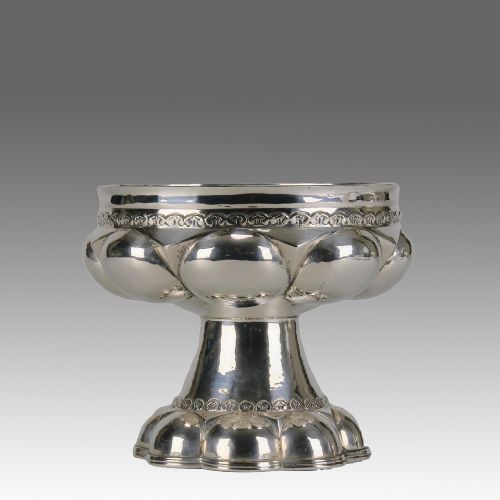
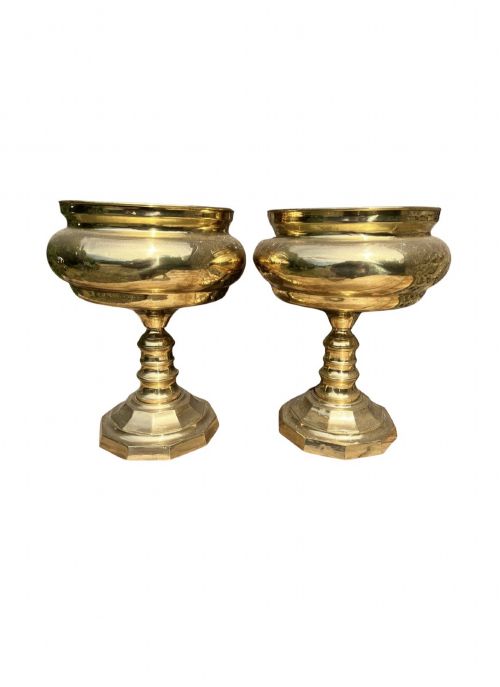
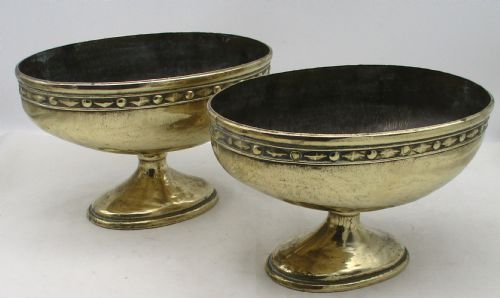
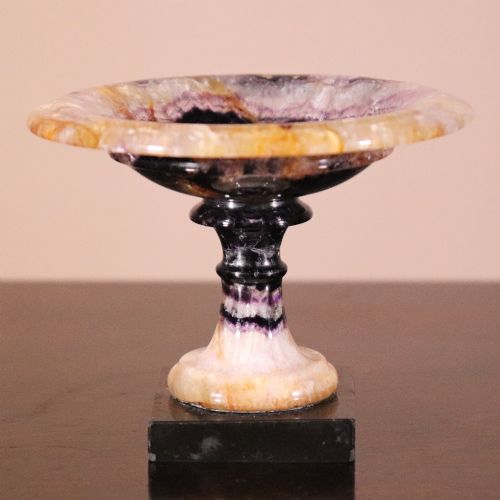
When you search for an antique chalice bowl, you encounter raised vessel forms designed on pedestals, stems, and feet. These pieces draw from drinking vessels, altar garnitures, and decorative centrepieces across the eighteenth, nineteenth, and early twentieth centuries.
The most common examples on this page are glass rummers and goblets alongside brass and ceramic pedestal bowls. Georgian and Victorian makers produced these forms in clear glass, lead crystal, and various metals for display and formal dining.
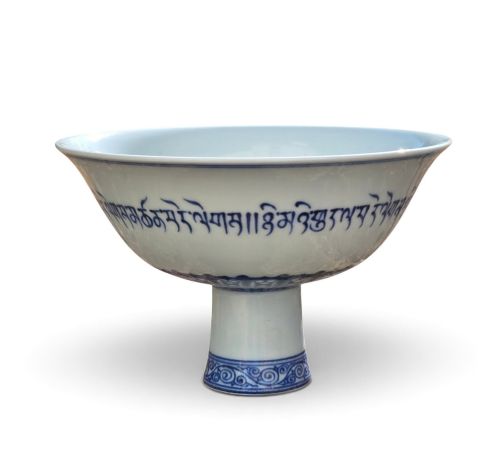
Origins span English glasshouses, continental workshops, and Chinese imperial styles, showing how diverse the raised bowl format became. Each era adapted the deep bowl and elevated base into stem cups, tazzas, and trophy vessels.
How they were made
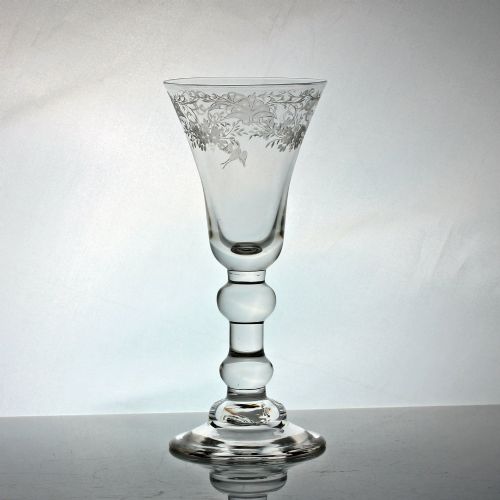
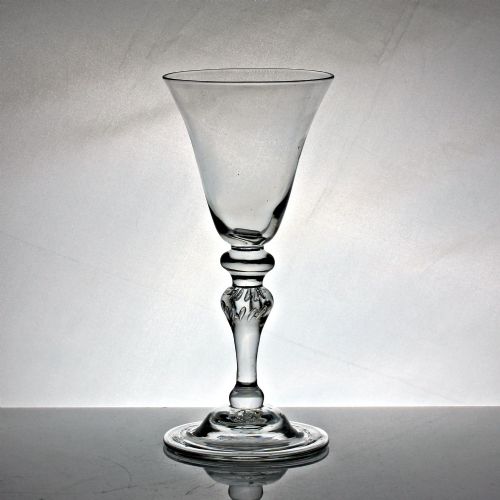
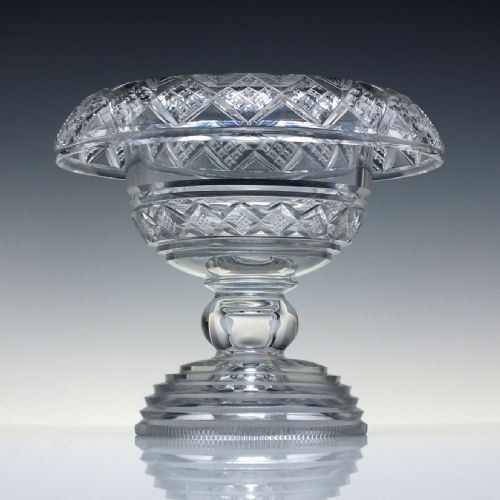
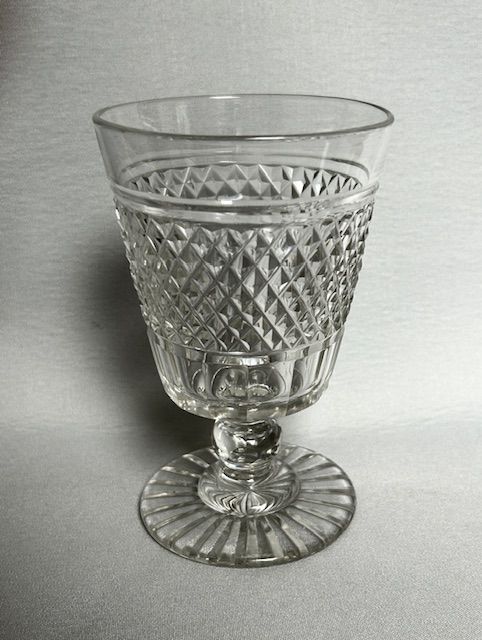
Makers shaped glass through blowing and cutting, producing hobnail patterns, engraved monograms, and baluster stems from lead crystal and clear glass. Metal versions utilise cast brass, hammered copper, and sterling silver, sometimes set with enamelled cabochons.
Carved wooden examples rely on dense timbers like oak and walnut, worked with hand chisels to create deep relief. Ceramic pieces employ porcelain and cobalt underglaze, alongside lustre glazes applied by specialised potteries.
Antique Chalice Bowl Retail Price Guide 2026
Typical asking prices for chalice bowl among the pieces listed under this phrase on Sellingantiques today, from the lower quarter to the upper quarter. They describe what is for sale here now, not the wider market.
What varies in quality
The distinction between standard production and finer work lies in the crispness of cut glass facets and the depth of hand engraving. Superior glass vessels exhibit clear metal without excessive clouding, while metal and wooden pieces show confident, clean tool marks.
Proportion and weight also define the better examples, where stems, feet, and bowls balance harmoniously. Finer pieces maintain structural integrity in their pedestals, reflecting deliberate design rather than rushed assembly.
Nathan and Hayes·Makeig-Jones Wedgwood
The Antique Chalice Bowl Glossary
- Baluster
- A form of glass or furniture stem characterised by an architectural swelling profile. It often appears on eighteenth-century drinking vessels and goblets.
- Rummer
- A large, wide-bowled drinking glass common in the Georgian and Regency periods. These heavy vessels usually feature cut decoration and a stout foot.
- Tazza
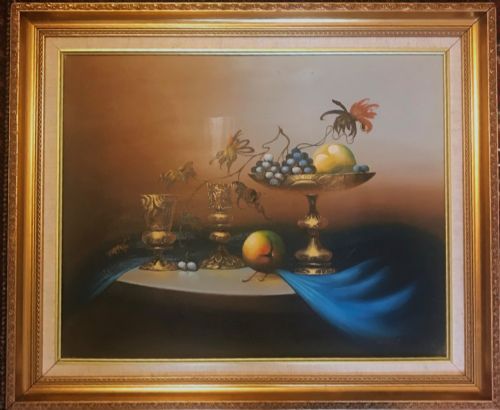
- A small, decorative pedestal bowl or shallow cup elevated on a foot. Italian and English makers carved or shaped these for display.
- Hobnail cut
- A raised, faceted surface pattern resembling the head of a hobnail boot. Glassmakers used this technique to catch light across bowls and rummers.
- Doucai
- A Chinese porcelain technique involving underglaze blue outlines filled with overglaze enamels. Pieces in this style display contrasting colour and intricate motifs.
Antique Chalice Bowl: Frequently Asked Questions
What is an antique chalice bowl used for?
These elevated vessels served multiple functions historically, ranging from formal dining rummers to church altar garnitures and decorative centrepieces. People used them for drinking, display, and holding ceremonial offerings.
Today, they suit placement on sideboards and tables as standalone decorative objects. Their raised form brings height and visual weight to interior displays.
Are glass and metal chalice bowls fragile?
Lead crystal and clear glass bowls require careful handling due to their weight and thin rims. Metal and wooden versions are more resilient but still demand gentle maintenance.
Keep glass vessels away from sudden temperature changes and wash them by hand. Secure placement on stable surfaces prevents accidental tipping of pedestal forms.
How do I style a pedestal bowl at home?
Place pedestal bowls and tazzas where their elevated silhouette can be appreciated, such as on central tables or mantelpieces. Their height allows them to anchor a display without cluttering the surface below.
Leave them empty to showcase the cut glass or carved detail, or use them to hold seasonal items. The form naturally draws the eye upward.