


Antique Chaise Longue Bench
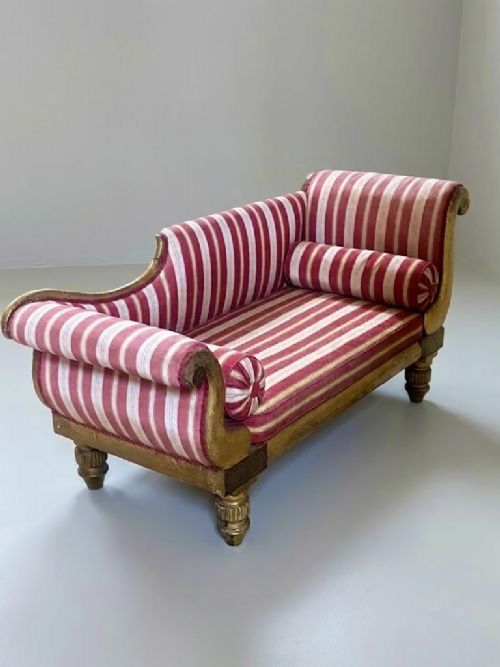
These antique chaise longue bench pieces combine the comfort of a sofa with the reclined posture of a daybed, shaped by Regency and Victorian cabinet-makers.
Antique Chaise Longue Bench
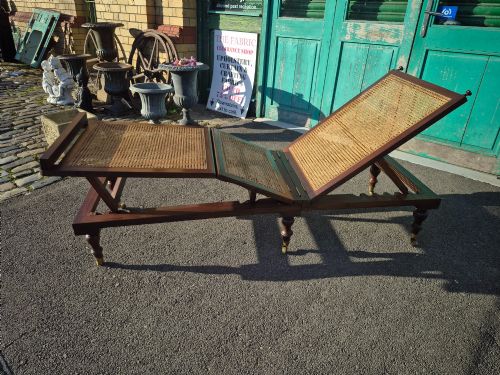
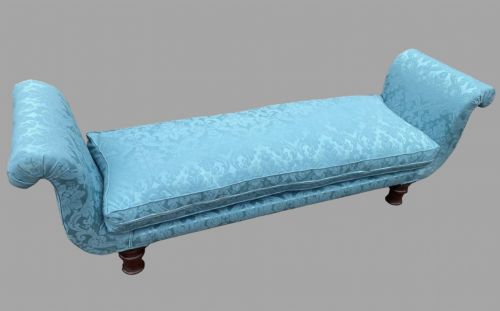
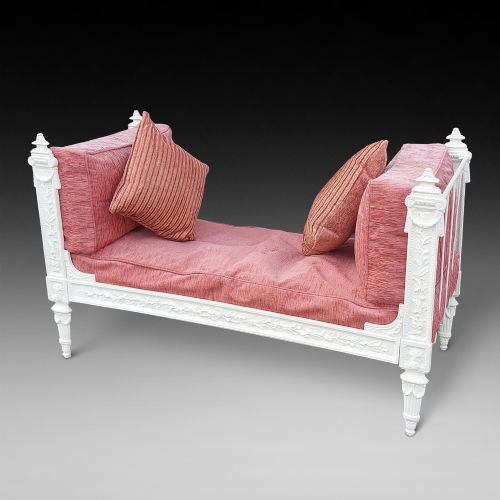
An antique chaise longue bench brings together daybeds, chaise longues, and benches across various nineteenth-century periods and styles. Buyers search for these forms when seeking a reclining seat for a bedroom, hall, or drawing room.
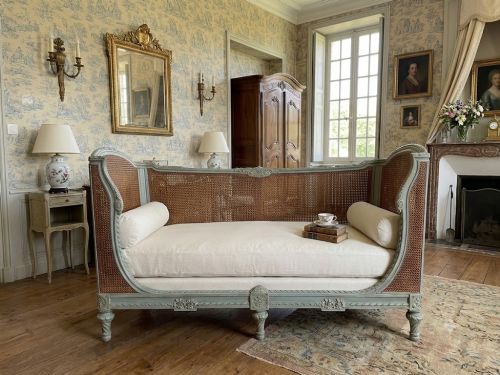
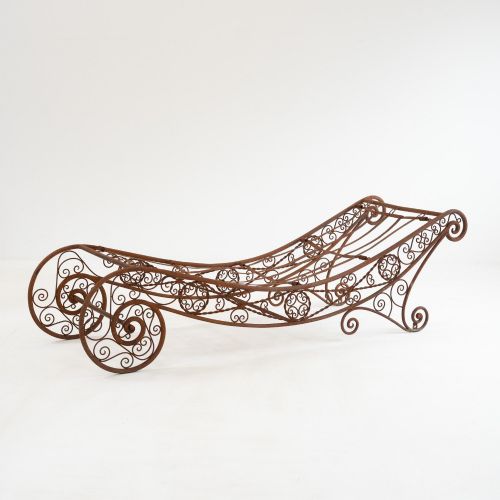
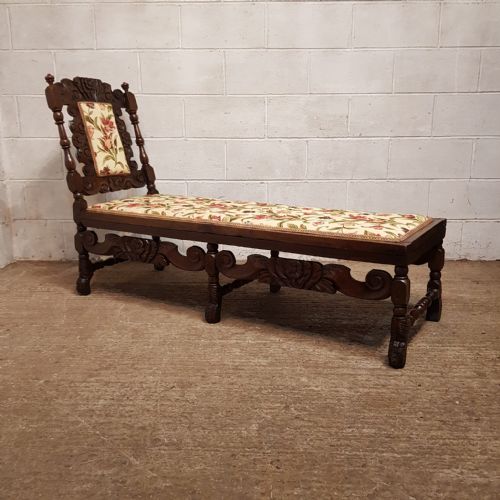
The selections span Regency, William IV, Victorian, and Edwardian eras, alongside French Empire and Louis XVI styles. Pieces range from carved mahogany frames and walnut conversation seats to cast iron garden daybeds.
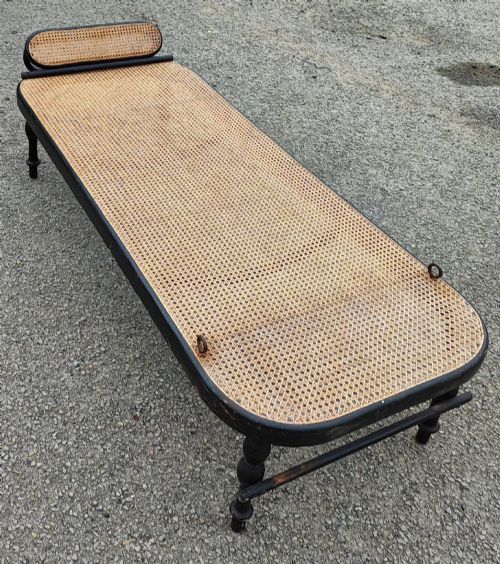
Many listings incorporate timber structures paired with fabric, silk, linen, or cane upholstery. Functional variations include scroll ends, double-ended settees, and concealed storage compartments.
Indicators of finer execution
The refinement of carved detail on timber frames distinguishes standard production from superior work. Crisp moulding on mahogany, walnut, and giltwood indicates skilled craftsmanship.
The integrity of the structural joinery governs durability, particularly in scroll ends and daybed frames. Superior pieces retain rigid joints and stable foundations despite heavy use.
The quality of materials, from figured mahogany veneers to silk and cane upholstery, dictates the standing of the piece. Intact cane work and well-executed upholstery reflect careful historical maintenance.
Howard And Sons·Hampton And Sons
The Antique Chaise Longue Bench Glossary
- Chaise longue
- An upholstered chair elongated for reclining, combining seat and footrest. These forms emerge frequently in Regency and Victorian designs.
- Daybed
- A long seat designed for daytime lounging or sleeping. Examples range from iron garden frames to upholstered nineteenth-century models.
- Récamier
- A type of daybed or chaise longue with two raised ends and an open side. This style appears in William IV and French-influenced pieces.
- Canapé
- A decorative sofa or settee, often built in French Louis XVI or related continental styles. They feature carved wooden frames and cane or upholstered panels.
- Ebonised
- Timber treated with a finish to resemble ebony. This dark treatment appears on nineteenth-century daybeds and miniature pieces.
Antique Chaise Longue Bench: Frequently Asked Questions
Where should I place a chaise longue?
These pieces suit bedrooms, wide hallways, or living rooms where space permits a lateral seating arrangement. Their elongated profile works well against a wall or beneath a window.
Positioning depends on the orientation of the scroll end or backrest. A double-ended settee also functions as a central room divider.
How do I identify a Regency daybed?
Regency pieces often display classical motifs, simulated rosewood finishes, or carved mahogany frames. Scroll ends and saber legs are typical characteristics of this period.
Compare the proportions and wood grain against standard Victorian examples, which tend toward heavier carving and darker walnut or oak.
Can I use an iron daybed outdoors?
Wrought iron and cast iron daybeds were built for exterior settings such as gardens and verandahs. These metal frames withstand open environments better than polished timber.
Protect the metal from persistent moisture and inspect any surviving surface treatments to preserve the nineteenth-century finish.
What is a conversation seat?
A conversation seat is a multi-directional upholstered bench designed so two people can sit facing opposite directions while conversing. Victorian walnut examples feature padded backs joined in a continuous curve.
These pieces typically occupy the centre of a large reception room rather than resting against a perimeter wall.