




Antique Ceramic Wash Bowl
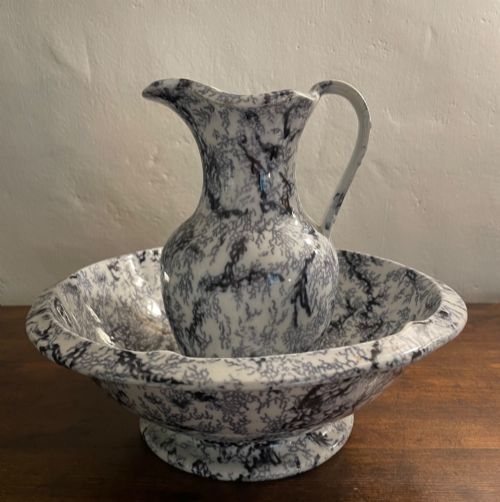
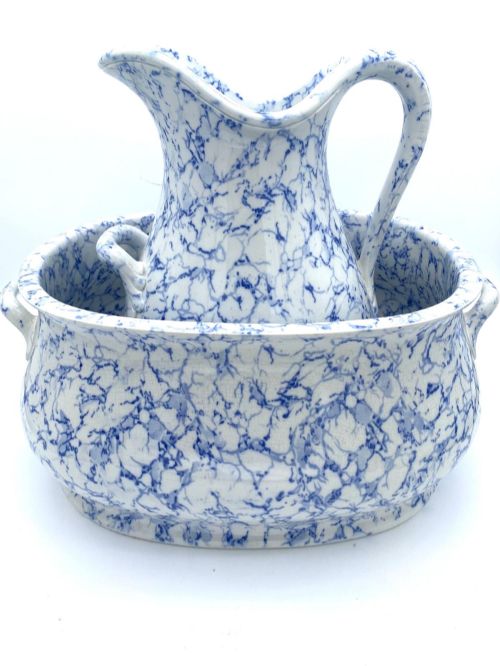
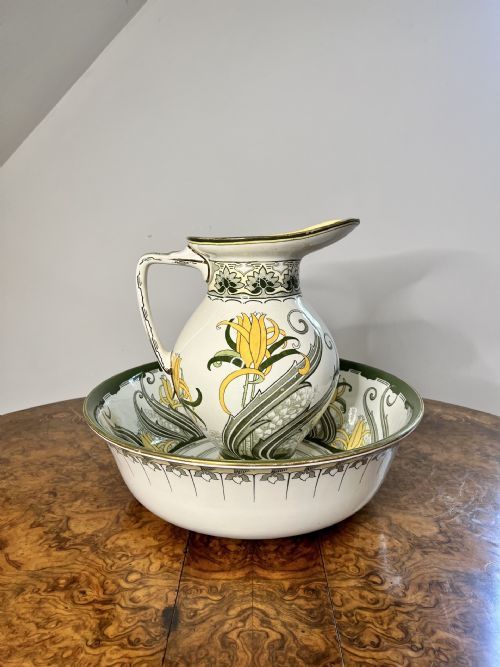
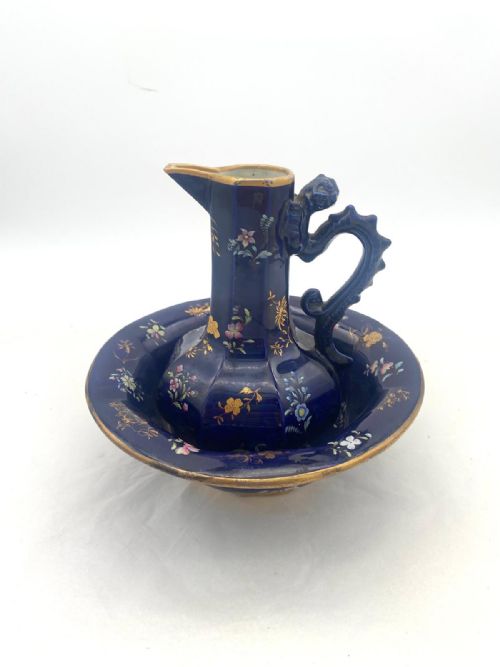
An antique ceramic wash bowl brings practical history into a modern room, offering generous proportions and decorative transfers from the nineteenth and early twentieth centuries.
Antique Ceramic Wash Bowl
An antique ceramic wash bowl forms part of a domestic washing apparatus used before plumbed bathrooms became common in homes. These vessels range from large basins paired with matching water jugs to standalone decorative pieces intended for display or utility.
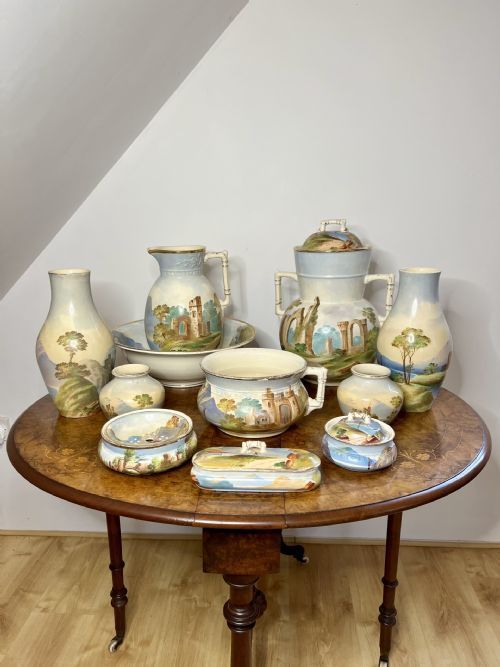
The pieces appearing on this page span the Victorian and Edwardian eras, alongside earlier nineteenth-century examples and later twentieth-century pottery. Common forms include earthenware basins, footbaths, and tian bowls originating from English potteries and continental workshops.
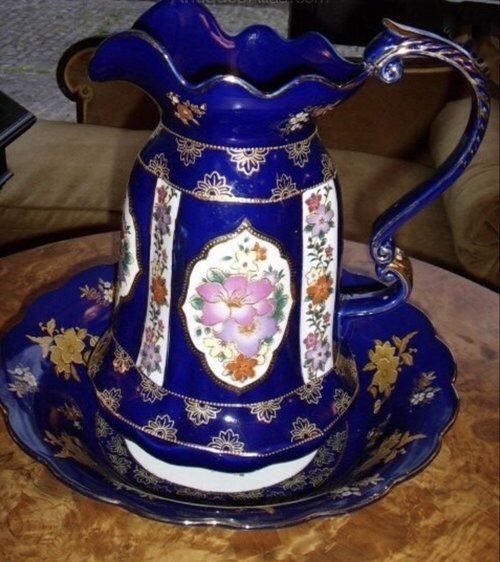
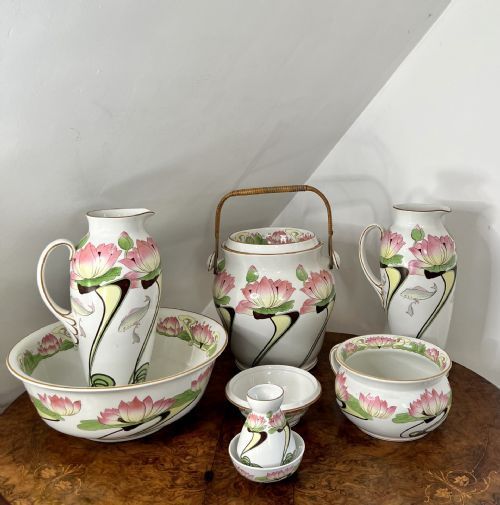
Buyers will encounter full washstand sets alongside individual basins decorated with flow blue transfers, cobalt glazes, or hand-painted floral motifs. These items adapt readily to modern interiors as planters, basin sinks, or hallway display pieces.
Separating standard production from finer work
Quality in an antique ceramic wash bowl rests upon the crispness of the transfer print and the uniformity of the glaze. Finer pieces display sharply defined patterns without blurring or running in the blue pigments, whereas utilitarian vessels often show minor firing blemishes and thicker glaze pooling.
The complexity of the ceramic body and the prestige of the pottery dictate the upper tier of the range. Heavy ironstone forms and delicate porcelain sets demonstrate superior moulding and more ambitious decorative schemes than basic domestic earthenware.
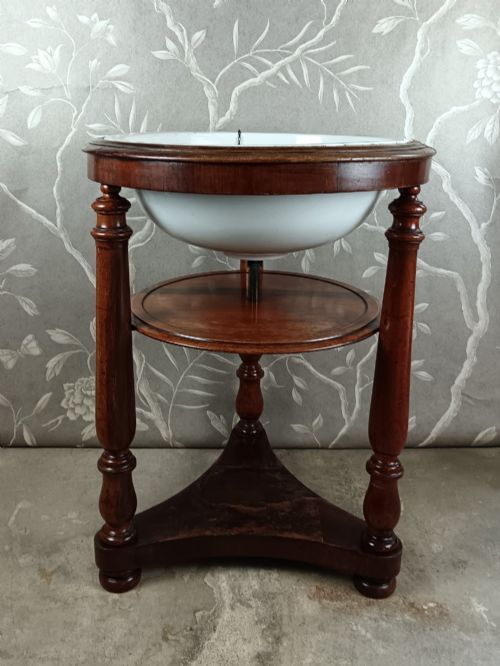
The documented forms range from complete jug and basin sets to standalone tian bowls, footbaths, and campaign washstands.
Mann Co·Masons Ironstone·Minton·Doulton Burslem·Shelley
The Antique Ceramic Wash Bowl Glossary
- Flow blue
- A transfer-printing technique where the cobalt blue pigment intentionally blurred into the white glaze during firing, creating a misty, painterly effect popular in the nineteenth century.
- Ironstone
- A durable, heavy type of earthenware patented in the early nineteenth century that resists chipping and mimics porcelain while remaining robust enough for daily use.
- Creamware
- A refined, pale yellow-hued earthenware developed in the eighteenth century and widely utilised for domestic utility wares before white earthenware dominated.
- Spongeware
- Pottery decorated by dabbing pigment onto the biscuit or glazed surface with a sponge, producing speckled, mottled patterns typical of country wares.
- Footbath
- A deep, oblong or oval vessel with handles, originally designed for soaking feet but frequently repurposed as a large decorative bowl or planter.
Antique Ceramic Wash Bowl: Frequently Asked Questions
How do I date an antique ceramic wash bowl?
Dating relies on identifying backstamps, decorative styles, and clay types recorded across the nineteenth and early twentieth centuries. Transfer-printed patterns and pottery marks provide specific clues to the decade of manufacture.
Heavier ironstone and deep flow blue designs point toward the mid-Victorian era, while lighter floral palettes often indicate Edwardian production.
Can I use these old bowls for modern plumbing?
Many buyers adapt larger antique basins as vessel sinks in modern bathrooms by working with a specialist plumber. The robust ceramic body handles daily water exposure provided temperature shocks are avoided.
Careful consideration of waste pipe dimensions ensures the historic basin integrates safely with contemporary fittings without compromising the surrounding glaze.
What is the difference between ironstone and earthenware?
Ironstone is a denser, heavier ceramic compound engineered to resist chipping and heavy wear during the Victorian period. Standard earthenware uses a softer, more porous clay body that requires a thick glaze for waterproofing.
Both materials appear frequently in wash sets, with ironstone commanding attention for its substantial weight and durability.
How should I clean an antique wash bowl?
Gentle washing with warm water and mild soap preserves the historic glaze and any delicate overglaze gilding. A soft cloth prevents scratching the antique ceramic surface during routine maintenance.
Harsh chemical cleaners and abrasive scouring pads should be strictly avoided to protect the original transfer printing and surface shine.