



Antique Ceramic Wall Sconce
These antique ceramic wall sconces combine functional lighting with sculptural pottery, offering distinct period character for your walls.
Antique Ceramic Wall Sconce
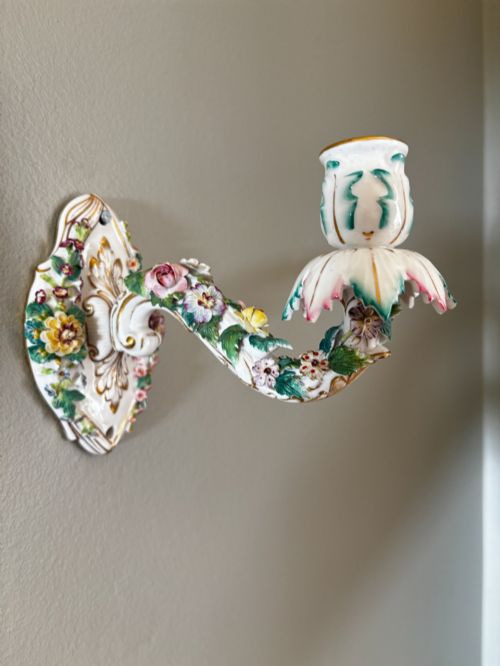
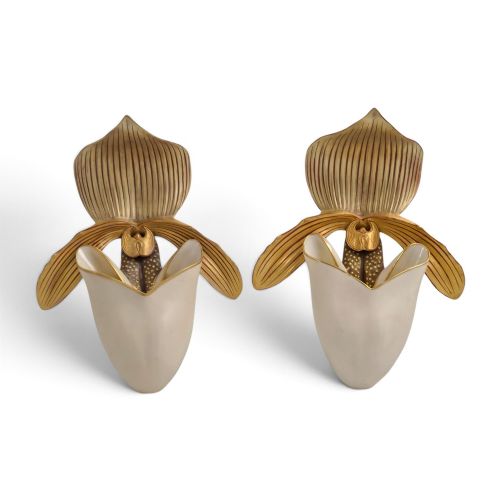
An antique ceramic wall sconce brings sculptural form and illumination together, drawing on traditions of pottery and porcelain manufacture across Europe. When you search for an antique ceramic wall sconce, you encounter wall lights, brackets, and candelabra designed to mount securely onto interior surfaces. The pieces gathered here span from the late nineteenth century into the early decades of the twentieth century.
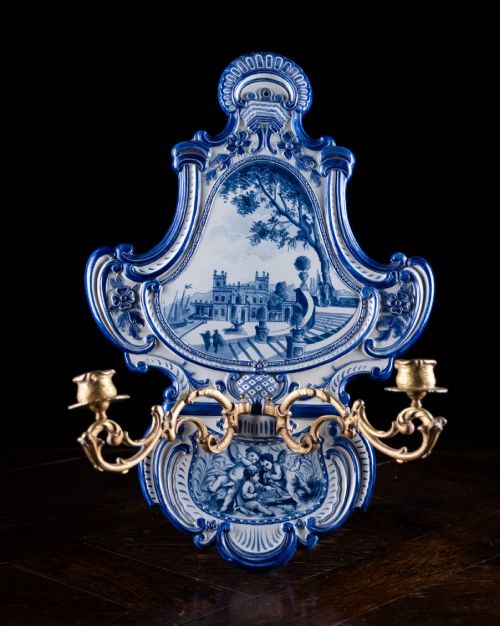
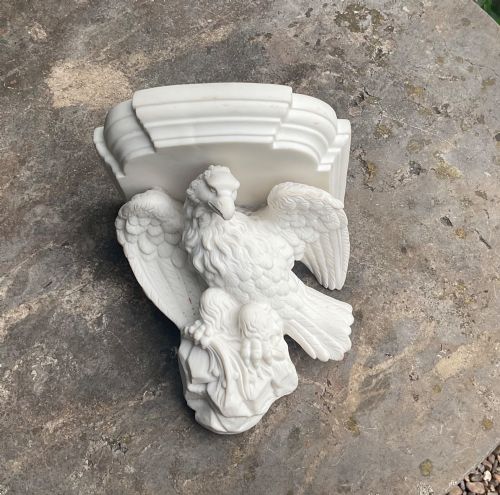
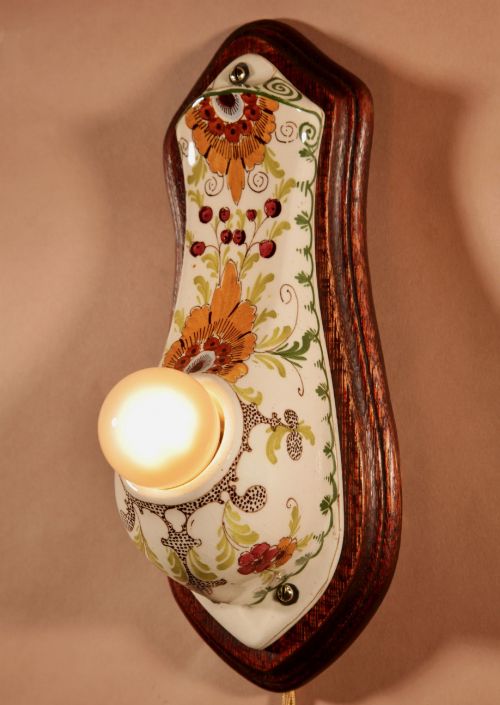
The selection ranges from Victorian figural brackets and Delft night lights to Rococo Revival porcelain cherub corbels. You will frequently meet Continental porcelain creations featuring moulded figures, alongside pottery wall-hanging candelabra and earthenware plates mounted with metal arms. These objects functioned historically to reflect candlelight and illuminate hallways or parlours.
Makers represented in the evidence include Villeroy & Boch, Milliet & Cie Creil Montereau, and Von Schierholz. Their designs demonstrate how utilitarian lighting transformed into decorative focal points through the application of coloured glazes and modeled clay.
How they were made
Makers utilised ceramic, porcelain, and earthenware as the primary bodies for these wall lights, often shaping them through moulding or throwing. Parian porcelain appears for crisp, unglazed figural details, while traditional pottery receives hand-painted or glazed finishes in blue, white, and polychrome colours.
Many designs incorporate metal mounts alongside the ceramic body, joining ormolu, brass, and bronze components to porcelain brackets and plaques. These metal fixtures hold the candle nozzles or electrical conversions securely against the wall plate.
Glaze application varies from glossy white surfaces to cobalt blue Delft decoration and coloured enamels. Firing techniques determined the depth of the finish, fixing pigments permanently into the ceramic body.
Antique Ceramic Wall Sconce Retail Price Guide 2026
Typical asking prices for ceramic wall sconce among the pieces listed under this phrase on Sellingantiques today, from the lower quarter to the upper quarter. They describe what is for sale here now, not the wider market.
Materials recorded across the inventory include glazed pottery, parian porcelain, Delft earthenware, brass, and ormolu mounts.
What varies in quality
The integration of metalwork with the ceramic body dictates the overall integrity of the piece. Ormolu and bronze mounts cast with sharp chasing complement high-grade porcelain, whereas simpler brass fittings accompany everyday earthenware.
Villeroy & Boch·Milliet & Cie Creil Montereau·Von Schierholz
The Antique Ceramic Wall Sconce Glossary
- Ormolu
- Gilded bronze mounted onto decorative objects. This technique creates a rich golden finish that frames the ceramic body.
- Parian Porcelain
- A fine-grained, unglazed porcelain resembling marble. It was developed in the nineteenth century to produce smooth, detailed figural sculptures.
- Corbel
- A structural bracket projecting from a wall to support a weight. In lighting, these often take the form of winged figures or scrollwork holding candle arms.
Antique Ceramic Wall Sconce: Frequently Asked Questions
How do I mount a ceramic wall sconce safely?
These wall lights typically feature integrated hanging loops or mounting plates at the back of the ceramic body. You should secure them directly into wall studs or use appropriate heavy-duty wall anchors.
Because porcelain and pottery carry substantial weight, professional installation ensures the fixture supports both the ceramic bracket and any attached metal candle arms.
Were these sconces wired for electricity originally?
Most pieces from the nineteenth and early twentieth centuries were designed exclusively for candles or oil. They held single candles, pairs, or small night lights.
Subsequent owners frequently converted them to electricity by running wiring through the backplates, though many retain their original configuration for candles.
How do I identify a Victorian ceramic sconce?
Victorian examples often display Rococo Revival styles, featuring elaborate scrollwork, cherubs, or classical figures in coloured porcelain. The glaze work tends to be rich and deep, often paired with ormolu or brass mounts.
Examining the reverse of the ceramic plaque usually reveals factory marks or impressed numbers characteristic of nineteenth-century European potteries.
What is the difference between porcelain and pottery wall brackets?
Porcelain uses refined white clay fired at high temperatures to create a vitrified, non-porous body with a smooth surface. It often appears in detailed figural designs like eagles or cherubs.
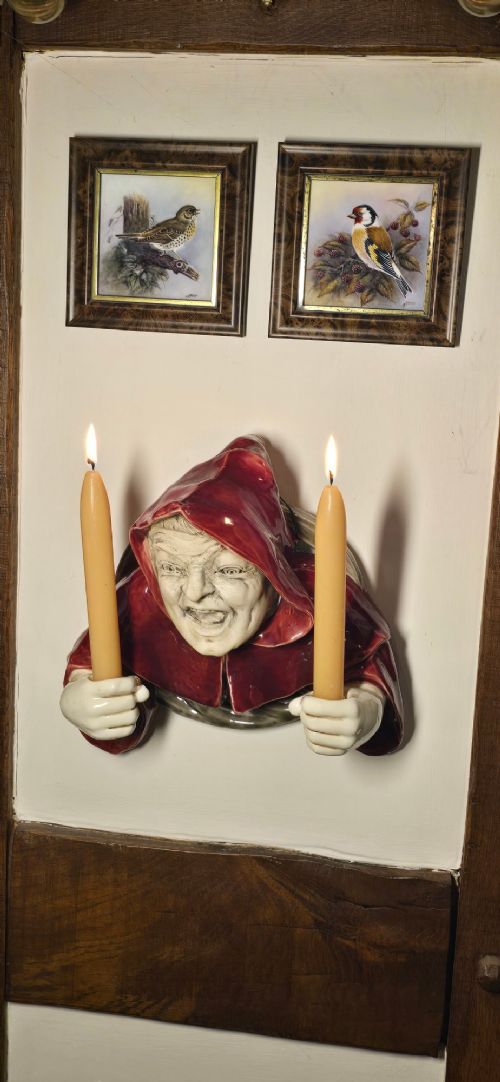
Pottery employs coarser earthenware or stoneware clays, resulting in heavier bodies with opaque glazes, seen in items such as monk wall-hanging candelabra.