



Antique Ceramic Urn Lamp
An antique ceramic urn lamp brings together classical vessel forms and period lighting, offering a grounded focal point for a room.
Antique Ceramic Urn Lamp
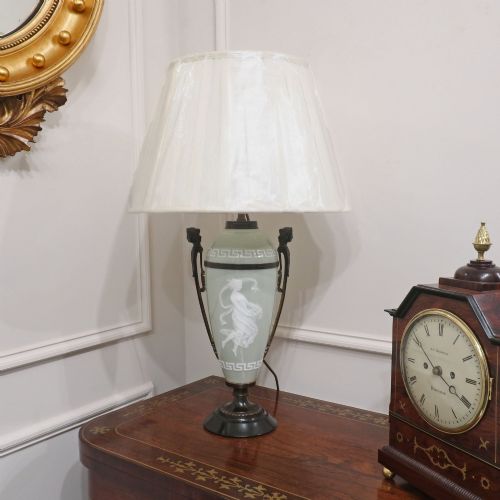
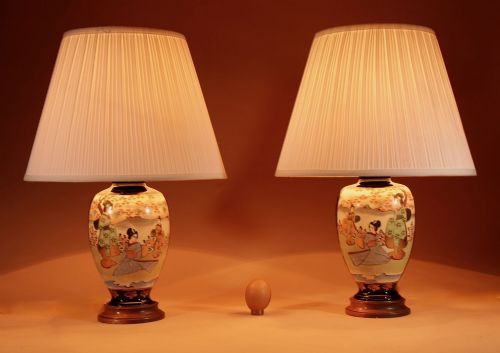
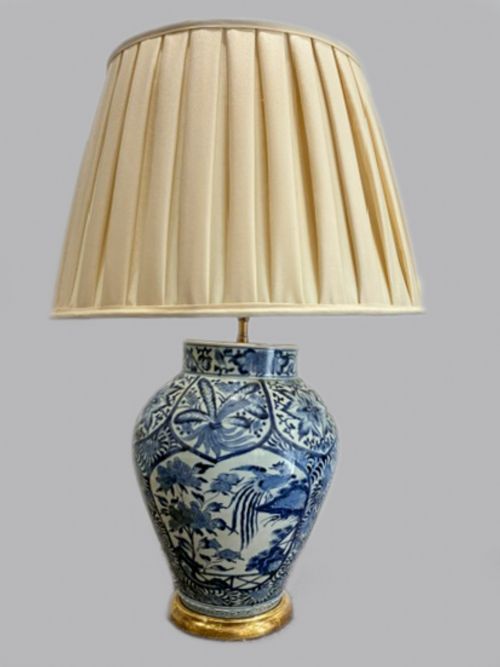
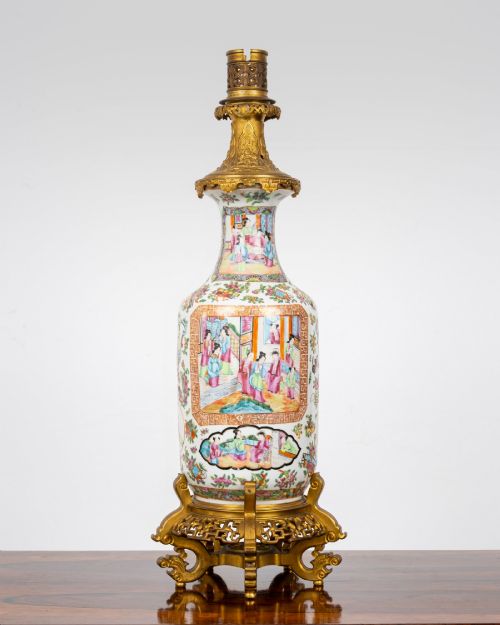
When searching for an antique ceramic urn lamp, collectors encounter vessels originally shaped as vases or jars that have been adapted for interior lighting. These bodies range from blue and white Chinese porcelains and Japanese satsuma wares to European majolica and Delft pieces.
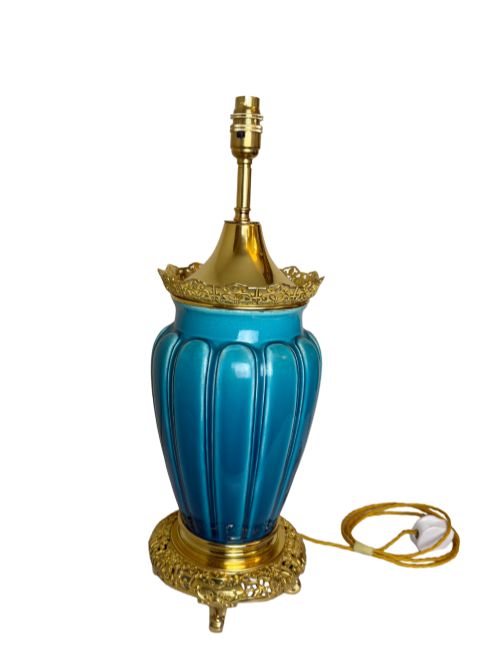
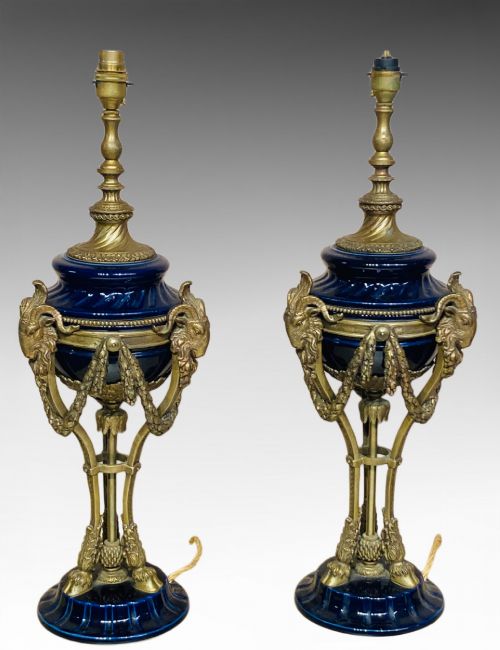
The conversion process typically involves mounting the ceramic vessel onto a brass or gilt bronze base and fitting it with electrical wiring for domestic use. Many examples survive as matched pairs, while others remain singular decorative statements.
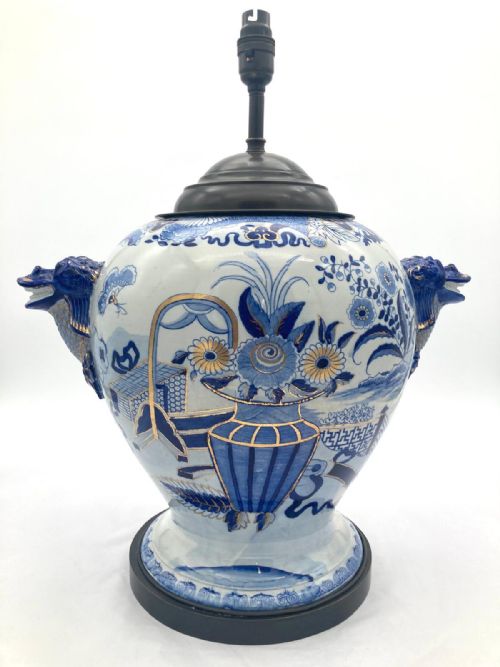
Dating ranges from the seventeenth century through to the early twentieth century, reflecting varied periods including the Victorian era, the Regency period, and various Chinese dynasties. The forms include ginger jars, baluster vases, and twin-handled urns.
Materials and construction methods
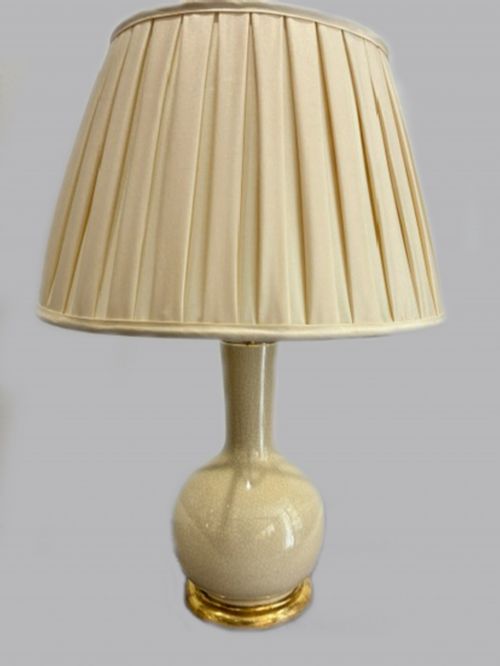
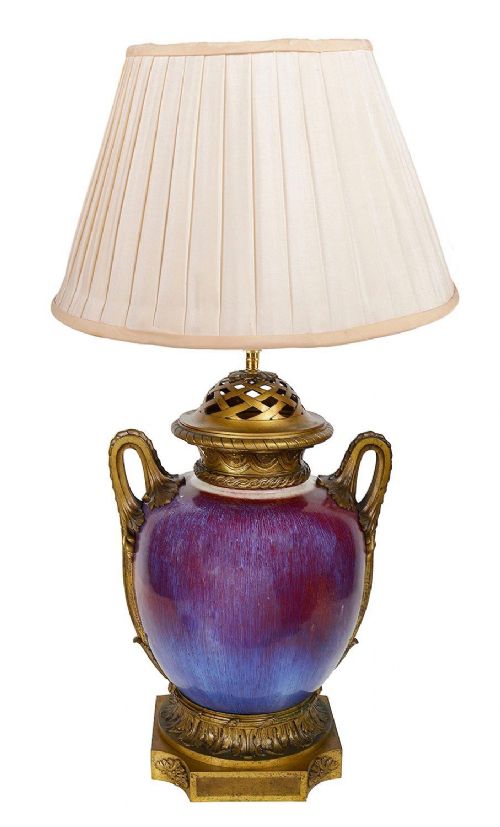
The foundation of each piece lies in traditional ceramic manufacturing, utilising earthenware, ironstone, or hard-paste porcelain shaped on the wheel or in moulds. Glazing techniques vary from crackle wares and monochrome sang de bœuf to intricate hand-painted enamels in famille rose and blue and white palettes.
Metal mounts in ormolu, gilt bronze, and brass provide structural support and aesthetic framing for the ceramic bodies. These mounts are often cast and chased in French neoclassical or period-specific styles, securing the vase at the base and accommodating the lamp fitting at the top.
Listings feature porcelain, earthenware, and ironstone bodies paired with brass, gilt bronze, and silk elements across multiple centuries.
Distinguishing quality in period lamps
Quality reveals itself in the crispness of the hand-painted ceramic decoration and the depth of the glaze, whether in finely rendered Japanese Satsuma figures or deep Chinese celadon and blue and white pigments. Superior pieces display careful balance between the ceramic vessel and its metal mounts.
The integration of the conversion work also dictates standard, with professional boring and stable mounting preserving the integrity of the original vase. Well-executed gilt bronze or ormolu mounts show precise chasing rather than coarse casting.
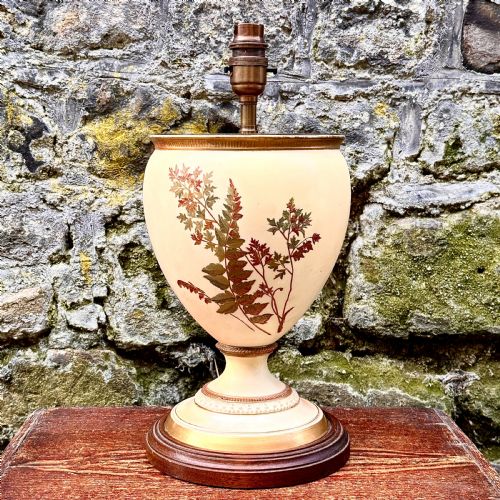
Royal Worcester·Hicks and Meigh
The Antique Ceramic Urn Lamp Glossary
- Satsuma
- A type of Japanese earthenware featuring a crackled ivory glaze decorated with enamels and gilding. These wares were frequently produced for export and later adapted into lamps.
- Ormolu
- Finely ground high-carat gold applied to a bronze base using a mercury amalgamation process, or cast brass finished to simulate gold. It is commonly found on the mounts of nineteenth-century lamps.
- Sang de bouf
- A rich, deep red copper-red glaze developed in Chinese kilns. The term translates literally to ox-blood.
- Delft
- Tin-glazed earthenware originating from the Netherlands, characterised by a white surface painted predominantly in blue. Pieces often date to the eighteenth century.
- Imari
- Japanese export porcelain decorated in underglaze blue, iron red, and gold, typically produced in Arita. These patterned vessels form distinctive lamp bases.
Antique Ceramic Urn Lamp: Frequently Asked Questions
How do I date an antique ceramic urn lamp?
Dating relies on examining the characteristics of the ceramic body, the style of the hand-painted decoration, and the manufacturing methods of any metal mounts. Period styles such as French Neoclassical or Japanese Meiji provide helpful chronological markers.
Rewiring and hardware additions often date from the twentieth century, so focus on the underlying vessel and base mounts to determine the true age of the piece.
Were these always lamps originally?
Almost all of these ceramic bodies began life as decorative vases, ginger jars, or storage urns rather than lighting fixtures. They were subsequently converted into lamps during the nineteenth or twentieth centuries to suit modern domestic interiors.
This adaptation process usually involved drilling a discreet channel for wiring and securing the vessel to a metal or wooden plinth.
How do I choose lamps for a room?
Consider the scale of the ceramic urn and the height of the overall fixture in relation to surrounding furniture and ceiling height. Bold patterns like blue and white or famille rose create strong focal points, while monochrome glazes offer a more subdued presence.
Matching pairs work well on sideboards or mantelpieces, whereas individual lamps suit smaller side tables or reading corners.
Are lamps sold with shades?
Some listings include handmade fabric or silk shades designed to complement the period and colour scheme of the ceramic base. Others are sold with the wired lamp base alone, allowing you to select a custom shade.
Check individual item details to confirm whether a shade forms part of the purchase.