



Antique Ceramic Tiles
These antique ceramic tiles span centuries of craft, offering hand-painted motifs and rich glazes designed to enrich interior surfaces and furniture.
Antique Ceramic Tiles
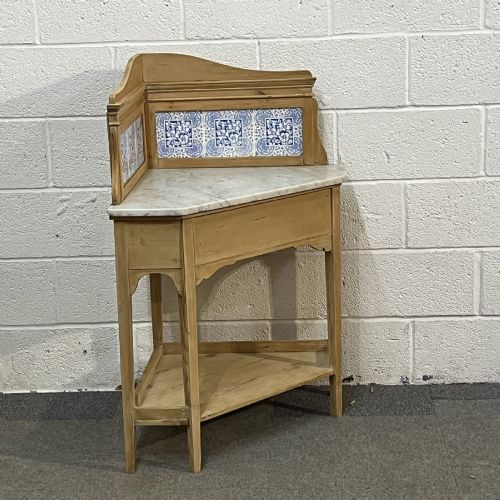
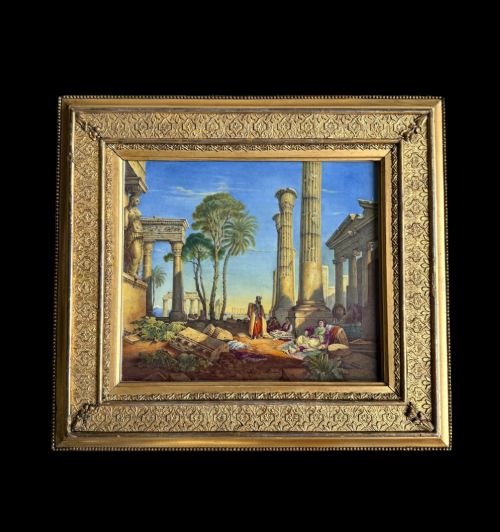
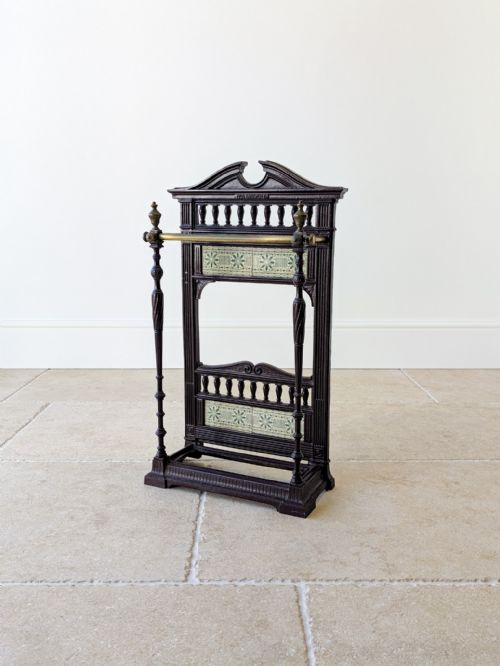
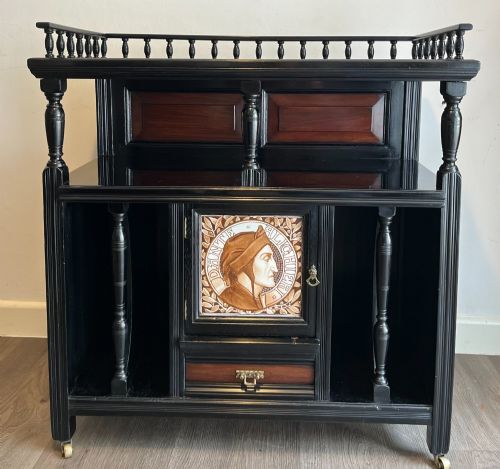
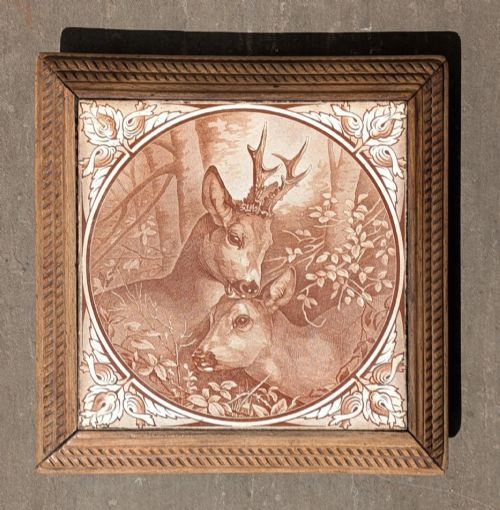
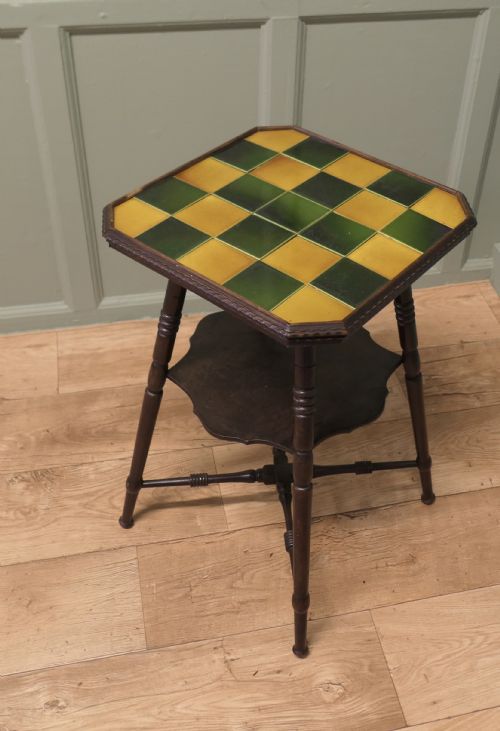
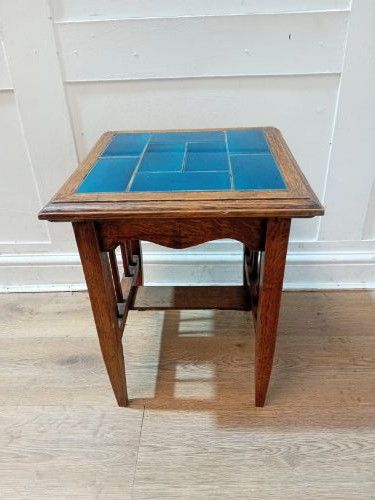
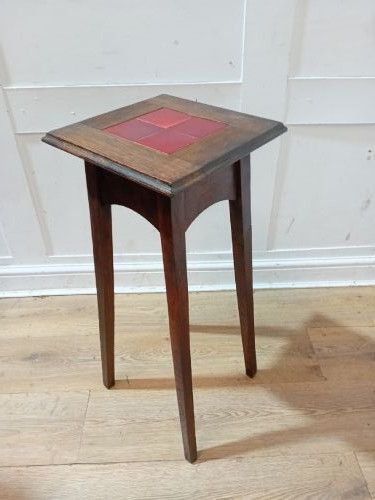
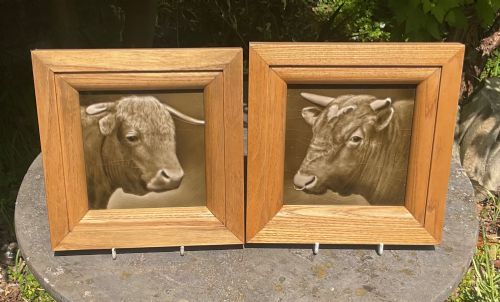
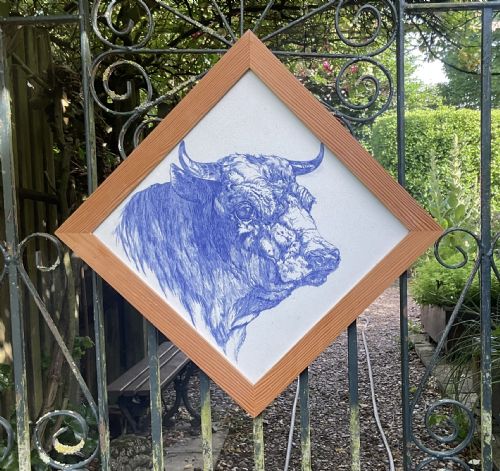
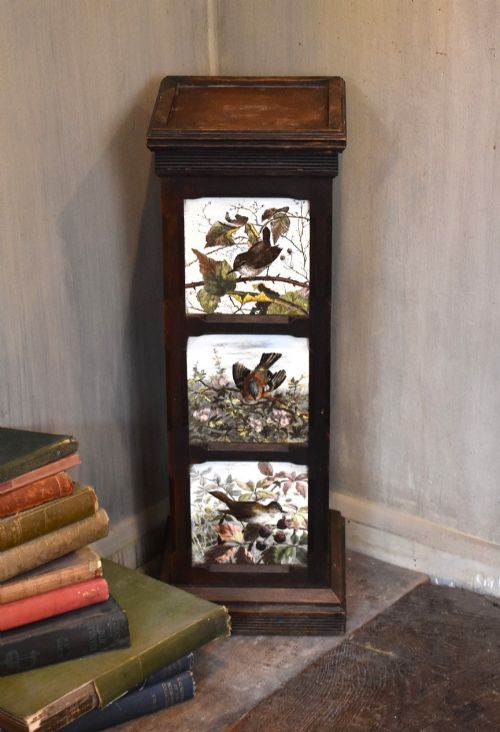
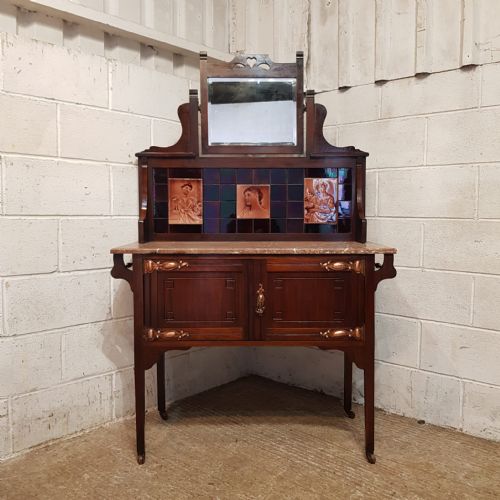
When you search for antique ceramic tiles, you encounter everything from individual wall plaques and framed pictures to panels integrated into washstands, hall chairs, tables, and umbrella stands. The pieces available here range widely across centuries, originating from English factories, French workshops, and Dutch kilns.
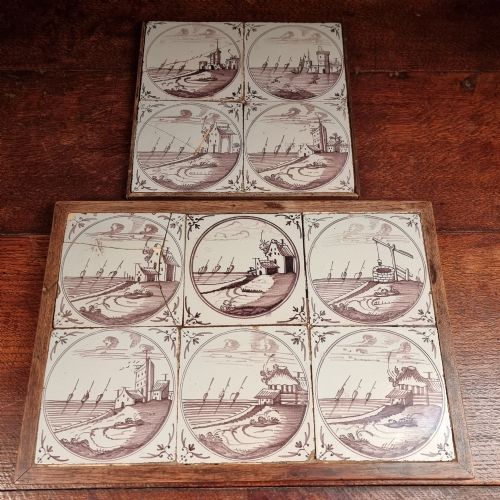
You are most likely to meet Victorian and Edwardian examples featuring floral patterns, figural subjects, or animal motifs, alongside earlier Dutch Delft pieces and Middle Eastern wall panels. These items served both practical architectural functions and decorative roles within period interiors.
How they were made
Makers utilised earthenware, porcelain, and terracotta bodies as bases for tin glazes, polychrome pigments, and glossy surface finishes. Hand-painting and relief moulding techniques defined the production methods across different periods and workshops.
Firing processes fixed the mineral colours and metallic oxides onto the ceramic surfaces, yielding durable glazes that survived centuries of domestic use. Iron and wood frameworks often supported individual tiles when incorporated into furniture or framed displays.
Antique Ceramic Tiles Retail Price Guide 2026
Typical asking prices for ceramic tiles among the pieces listed under this phrase on Sellingantiques today, from the lower quarter to the upper quarter. They describe what is for sale here now, not the wider market.
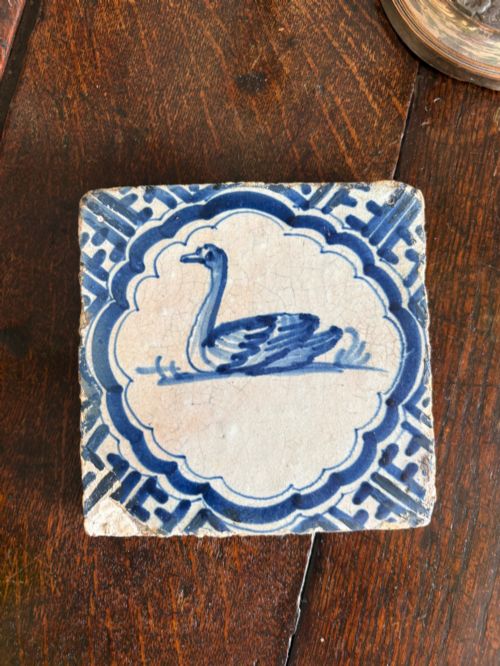
The listings span multiple centuries, incorporating 17th-century Dutch Delft work, 18th-century devotional plaques, and 19th-century Arts & Crafts furniture.
What varies in quality
The precision of the hand-painting and the depth of the glaze application separate standard production items from masterworks. Crisp lines in figural scenes and rich, even coverage across polychrome surfaces distinguish superior pieces.
The sophistication of the design, whether following Aesthetic Movement principles, Arts & Crafts ideals, or Dutch Baroque traditions, determines the artistic merit of each example.
Coalbrookdale·Shapland & Petter·Sherwin & Cotton·Mintons·Minton Hollins·Longwy·KPM
The Antique Ceramic Tiles Glossary
- Delft
- A tin-glazed earthenware typically decorated with blue or polychrome pigments on a white background. This technique originated in the Netherlands during the seventeenth century.
- Earthenware
- Porous pottery fired at lower temperatures, commonly used for traditional tiles and terracotta figures before being glazed.
- Tin Glaze
- An opaque white glaze containing tin oxide, providing a smooth surface for hand-painted designs.
- Polychrome
- Decoration utilising multiple distinct colours on a single ceramic surface, often applied by hand.
- Relief
- Moulded surface ornamentation that projects outward from the flat plane of the tile.
Antique Ceramic Tiles: Frequently Asked Questions
How were antique ceramic tiles originally used?
These pieces served as architectural elements set into fireplaces, walls, and butcher shops, or functioned as decorative inserts within furniture like washstands and side tables.
Many examples also existed purely as framed wall art, devotional plaques, or tabletop panels designed to display artistic skill.
How do I identify seventeenth century Dutch tiles?
Early Dutch pieces frequently feature tin glazes with distinctive manganese or blue hand-painted motifs, such as swans or biblical scenes.
Examining the edges and reverse side often reveals characteristics typical of early European ceramic production.
Can I display these tiles on walls today?
Many items come already framed or mounted, making them straightforward to hang as decorative pictures within modern interiors.
Unmounted pieces require careful framing or specialist display stands to support their weight safely.
What is the difference between earthenware and porcelain plaques?
Earthenware bodies are heavier and more porous, typically finished with opaque tin glazes or rich coloured lead glazes.
Porcelain plaques offer a finer, denser white body that allowed for highly detailed pictorial painting.