


Antique Ceramic Pot Stand
An antique ceramic pot stand protects surfaces while elevating greenery, offering a practical touch of historical craftsmanship for the home.
Antique Ceramic Pot Stand
An antique ceramic pot stand serves as a supportive base or matching saucer for vessels holding plants, flowers, and indoor vegetation. These pieces protect interior surfaces from moisture while elevating botanical displays for better visual balance in a room.
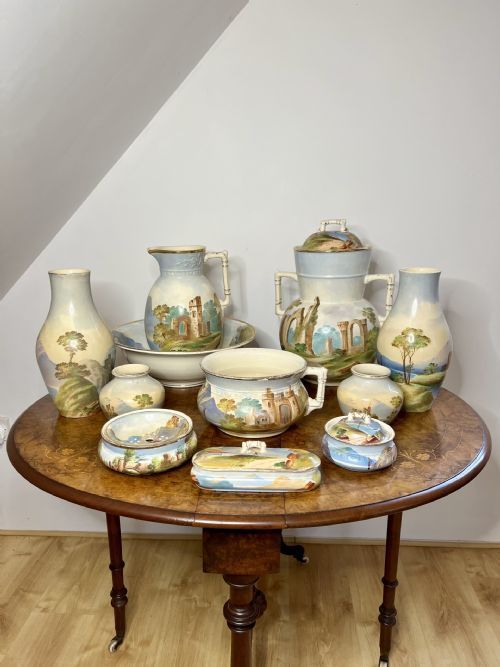
The selection here encompasses various utilitarian and decorative forms, ranging from earthenware and porcelain bases to complete planter and stand combinations. Pieces span different eras, including the nineteenth century and the Edwardian period.
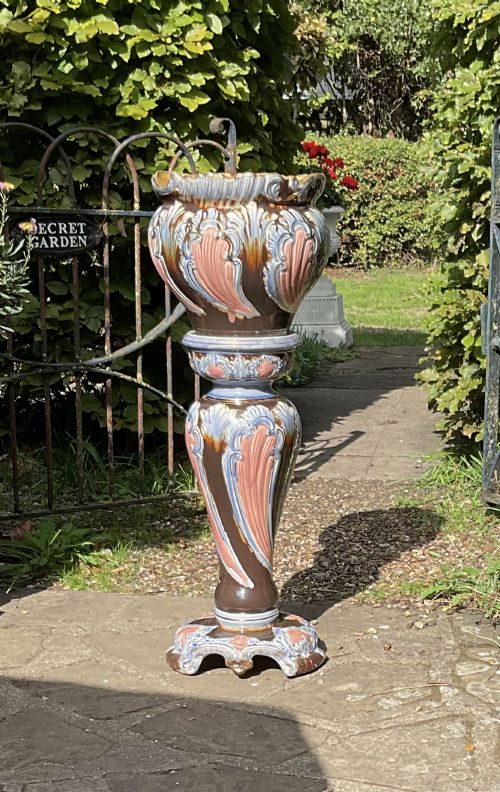
Originating from English, continental, and Japanese traditions, these stands reflect diverse regional aesthetics. Buyers encounter everything from simple earthenware saucers to elaborate majolica jardinières paired with pedestals.
Materials and construction methods
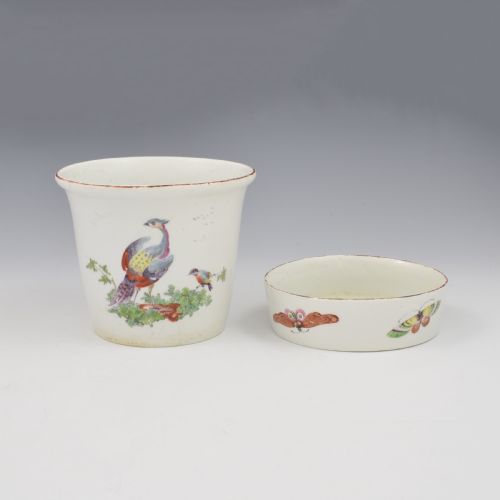
Makers utilised ceramic materials such as earthenware, terracotta, porcelain, and majolica glazes to shape these utilitarian items. Firing techniques varied according to the pottery tradition, producing both porous earthenware bodies and vitrified porcelain surfaces.
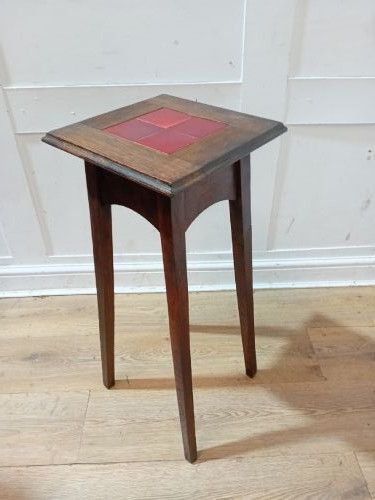
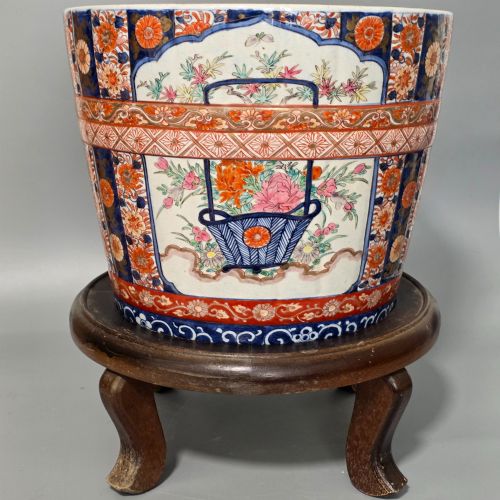
Many ceramic vessels incorporated secondary structural elements in wood, oak, hardwood, brass, or silver plating. Associated stands often combined turned timber frames or metal mountings to support heavy ceramic cachepots and planters securely.
Design styles represented include Victorian, Edwardian, Arts and Crafts, and Meiji period Japanese wares.
Assessing quality and execution
Quality rests in the precision of the ceramic modelling, the depth and consistency of the glaze, and the structural integrity of any accompanying wooden or metal stand. Hand-painted details and naturalistic surface textures display greater artisan skill than mass-produced equivalents.
The harmony between the pot and its stand dictates the success of the piece, particularly where stands are associated rather than original to the vessel. Superior examples maintain balanced proportions and complementary materials between the ceramic body and its support.
Burmantofts·Enoch Wood & Sons·Royal Worcester·Derby
The Antique Ceramic Pot Stand Glossary
- Cachepot
- A decorative container used to conceal an ordinary flowerpot. The term translates from French as hiding pot.
- Jardiniere
- A large ornamental pot or stand for holding plants or flowers. These items often feature prominent glazes or modelled surface decoration.
- Majolica
- A type of earthenware covered with an opaque tin glaze and painted with bright colours. This technique gained popularity during the nineteenth century for vibrant botanical wares.
- Imari
- A style of Japanese porcelain decorated in underglaze blue and overglaze red, gold, and green. Exported widely, these pieces influenced European ceramic production.
Antique Ceramic Pot Stand: Frequently Asked Questions
What is a pot stand used for?
A pot stand elevates flowerpots and planters to prevent water damage on tabletops and floors. They also serve a decorative purpose by framing indoor plants as interior ornaments.
Historically, these stands ranged from simple ceramic saucers to elaborate architectural pedestals designed for large drawing-room ferns.
How do I date a ceramic stand?
Dating relies on stylistic clues, glaze characteristics, and any makers' marks stamped or painted on the ceramic base. Victorian and Edwardian pieces often exhibit distinct colour palettes and naturalistic moulding.
Construction methods in the secondary materials, such as oak frames or brass mounts, also provide reliable chronological indicators.
Are pot stands waterproof?
Many glazed ceramic stands and cachepots hold water to catch drainage from potted plants. However, unglazed earthenware or terracotta versions remain porous and require careful placement.
Checking the interior glaze helps determine whether a piece functions safely on delicate wooden furniture without an inner liner.
What is an associated stand?
An associated stand is a base, pedestal, or frame that was paired with a pot at a later date rather than originally manufactured with it. Dealers and collectors assemble these combinations based on size, period, and aesthetic harmony.
Such pairings are common with antique Japanese planters and European jardinières.