




Antique Ceramic Novelty
These antique ceramic novelty pieces combine everyday utility with whimsical form, spanning Victorian majolica and Art Deco figures.
Antique Ceramic Novelty
An antique ceramic novelty encompasses functional objects shaped as animals, figures, or amusing forms designed to surprise or delight. Tableware, lighting, and desk accessories dominate the selection, ranging from drinking vessels to scent bottles.
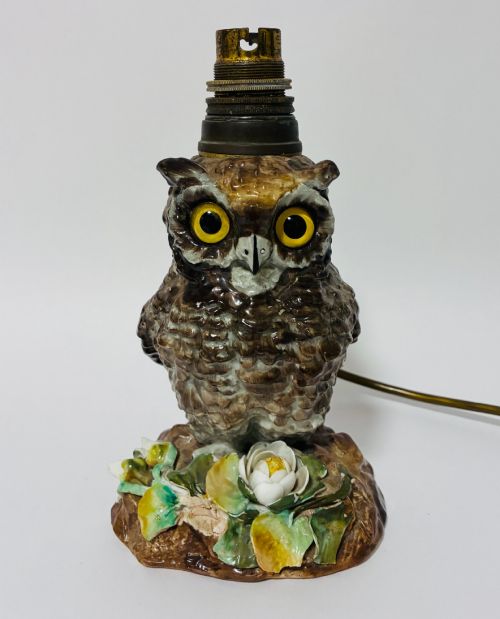
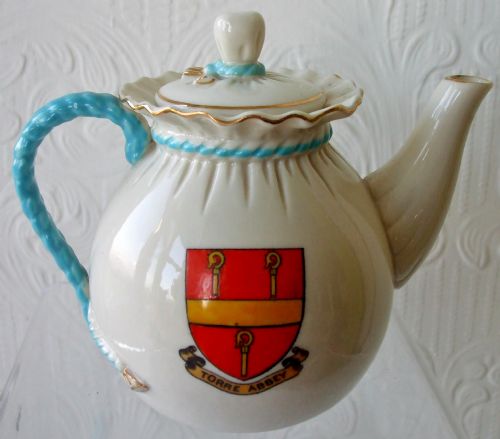
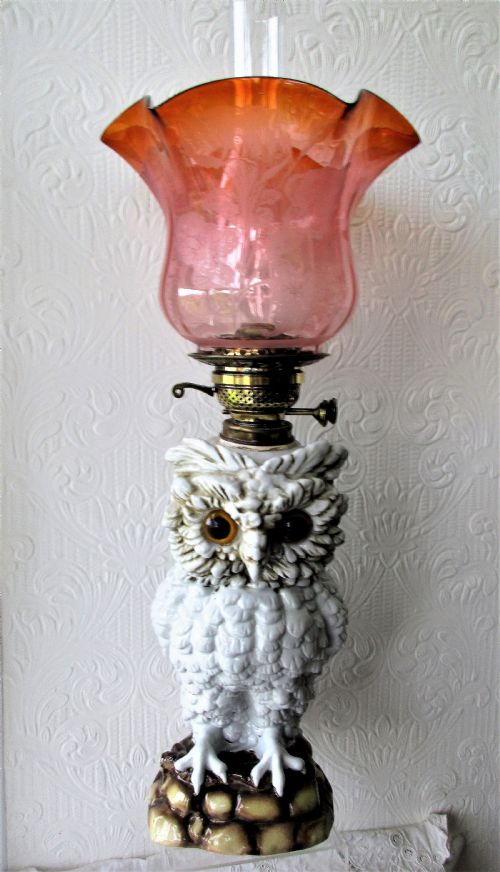
Victorian majolica teapots, Staffordshire animal figures, and German porcelain owl lamps appear frequently among the pieces. Makers utilised earthenware, porcelain, and stoneware to shape subjects from frogs and bears to human characters.
Dating ranges from the eighteenth century through the Victorian era into the early twentieth century, including Art Deco powder bowls and perfume lamps. Each object served a domestic purpose while displaying playful modelling.
How they were made
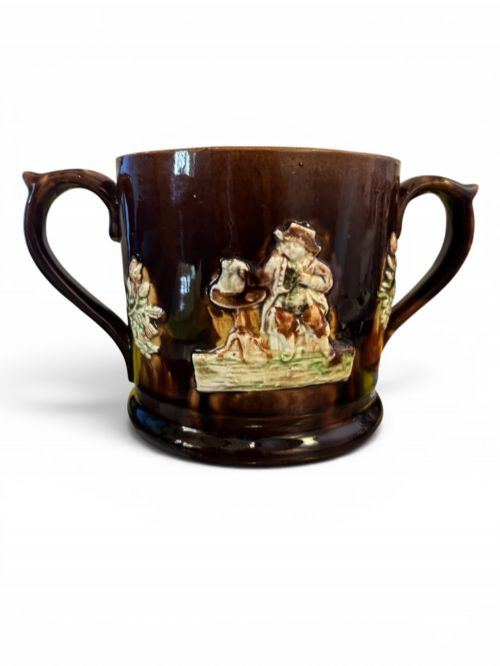
Potters shaped these objects using porcelain, earthenware, and stoneware, applying polychrome glazes or transfer printing to define details. Victorian majolica pieces rely on coloured lead glazes over moulded relief decoration.
German and English factories employed slip casting or hand modelling, occasionally mounting ceramic bodies with brass collars or incorporating glass components. Enamel colours and gold leaf embellishments complete the surface decoration on select items.
Antique Ceramic Novelty Retail Price Guide 2026
Typical asking prices for ceramic novelty among the pieces listed under this phrase on Sellingantiques today, from the lower quarter to the upper quarter. They describe what is for sale here now, not the wider market.
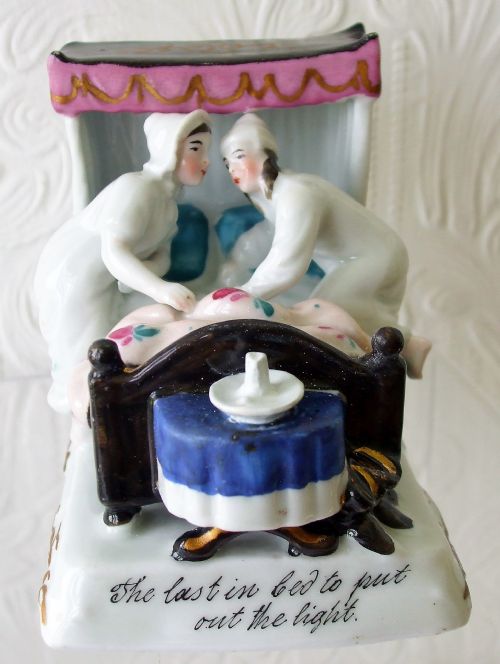
German fairings immortalise domestic disputes with titles like 'The Last in Bed to Put Out the Light'.
What varies in quality
Modelling sharpness and glaze control distinguish superior examples from standard production pieces. Finer items retain crisp facial expressions on figures and cleanly applied transfer prints without blurring.
The complexity of the glaze palette and the precision of hand-painted polychrome highlights indicate the skill invested in the manufacture. Intricate forms such as puzzle jugs and animal lamps demand advanced technical execution during firing.
Holdcroft·W.H. Goss·Sitzendorf·Ernst Bohne and Sohn·Royal Crown Derby·Royal Worcester·Mason's Ironstone·Royal Bayreuth
The Antique Ceramic Novelty Glossary
- Majolica
- A type of earthenware glazed with coloured lead glazes that pool in relief details. This technique produced vivid greens, browns, and purples on Victorian animal jugs and figural teapots.
- Frog mug
- A drinking vessel featuring a small ceramic frog peering over the rim or interior liquid. These humorous mugs often included poems or drinking verses.
- Puzzle jug
- A ceramic vessel with a perforated neck that prevents normal drinking, requiring the user to cover hidden holes in the handle to draw liquid. Stoneware and earthenware examples test the drinker's ingenuity.
- Fairing
- A small porcelain group ornament produced in Germany during the nineteenth century. These humorous domestic scenes often carry titles along the base.
- Transfer printing
- A method of applying pre-printed patterns to ceramic surfaces using engraved copper plates and tissue paper. Blue and white designs frequently utilise this process.
Antique Ceramic Novelty: Frequently Asked Questions
What is a frog mug?
A frog mug is a drinking vessel containing a modelled ceramic frog inside that startles the drinker as the liquid lowers.
These mugs date from the eighteenth and nineteenth centuries and often feature transfer-printed verses or personal names.
How were novelty oil lamps used?
Novelty oil lamps combined domestic illumination with figural sculpture, taking the form of owls, dogs, or human characters.
They stood on tables or desks, utilising ceramic bodies to hold oil reservoirs and burner mechanisms.
What defines Victorian majolica?
Victorian majolica consists of earthenware covered in heavy, coloured lead glazes that highlight moulded botanical or animal designs.
Makers such as Joseph Holdcroft applied this technique to teapots, jugs, and tobacco jars.
Are puzzle jugs functional?
Puzzle jugs function as drinking vessels despite having perforated necks that appear to make drinking impossible.
Users must cover secret apertures in the hollow handle and rim in the correct sequence to draw the liquid through the spout.