




Antique Ceramic Mantel Figures
These antique ceramic mantel figures bring nineteenth-century animal pairs, historical portraits, and porcelain characters straight from the hearth to the shelf.
Antique Ceramic Mantel Figures
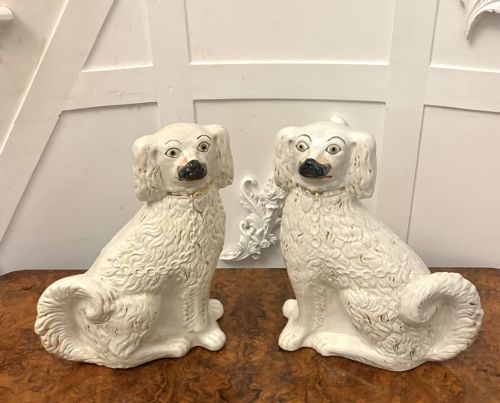
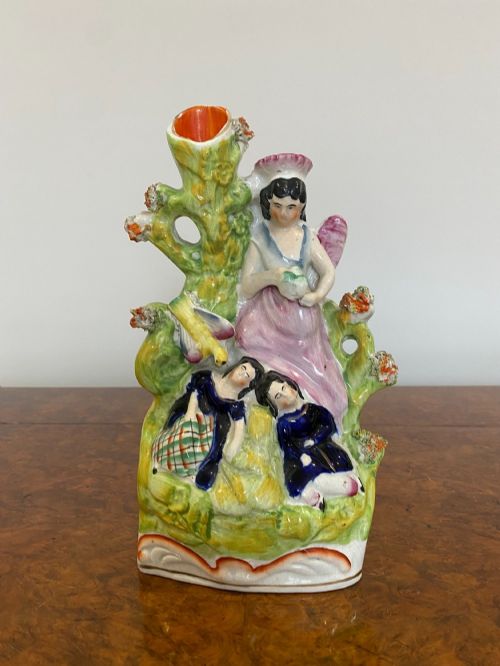
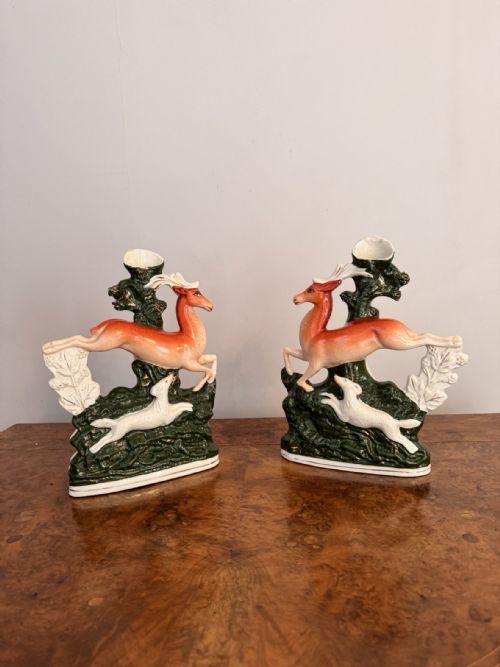
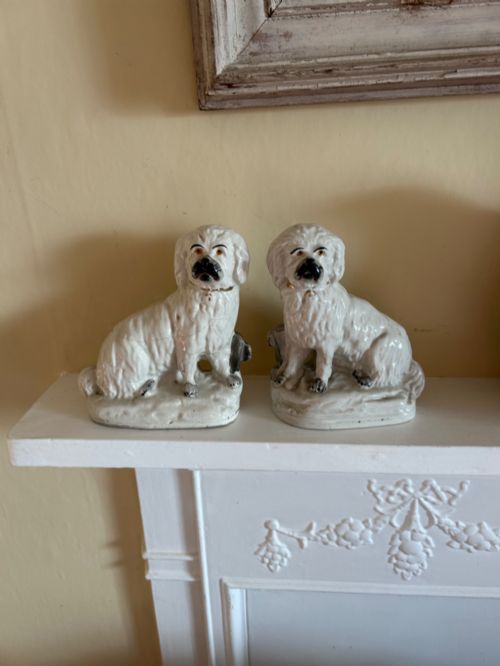
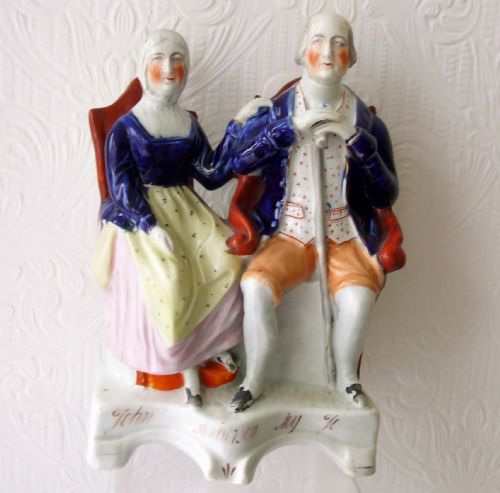
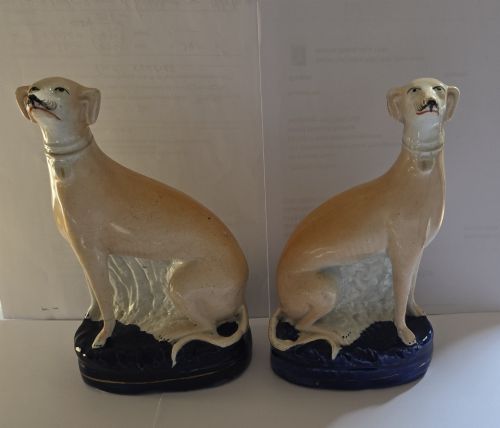
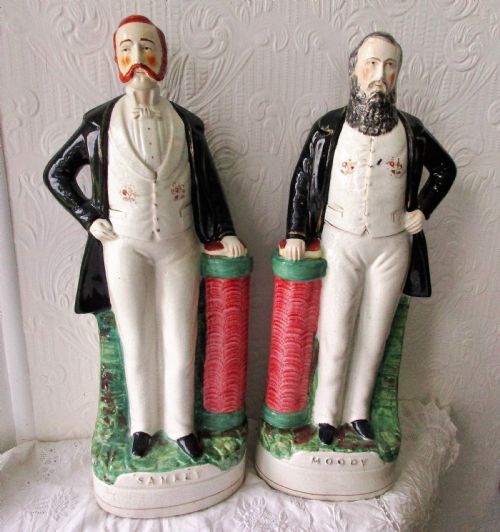
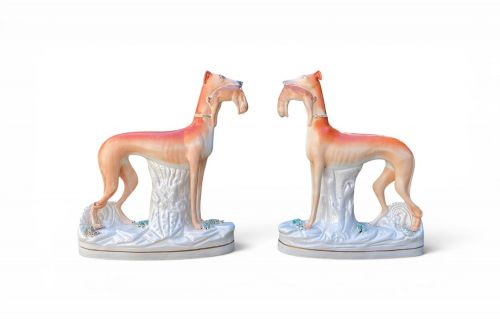
When buyers search for antique ceramic mantel figures, they encounter a diverse array of earthenware and porcelain objects designed to ornament domestic fireplaces. The selection on this page is dominated by nineteenth-century Staffordshire pottery, including seated greyhounds, spill vases, and portrait figures of notable personalities.
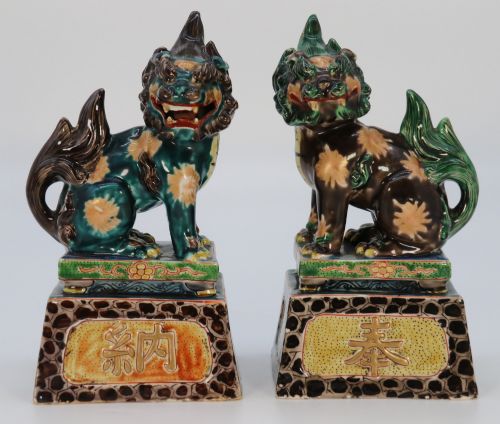
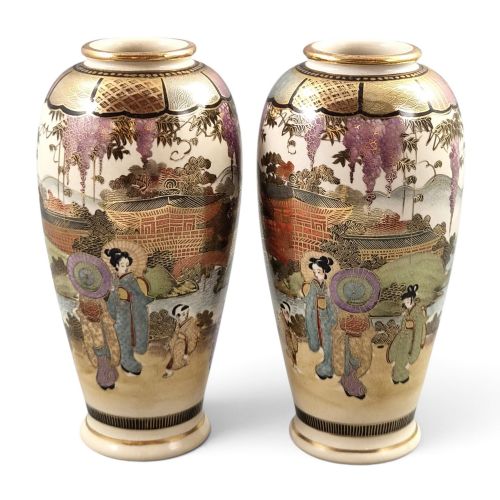
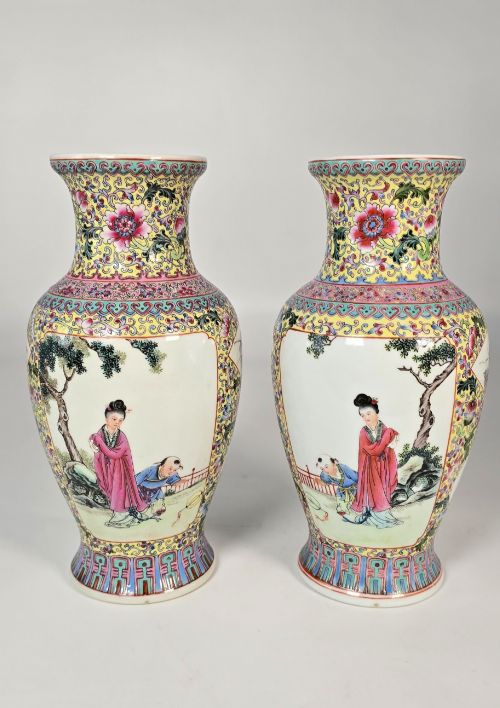
Beyond English earthenware, the forms stretch to continental porcelain figures, German pastoral groups, and Japanese Satsuma and Kutani vases. Pairs of animals such as lions, poodles, and deer appear frequently, shaped to sit balanced upon a mantelpiece.
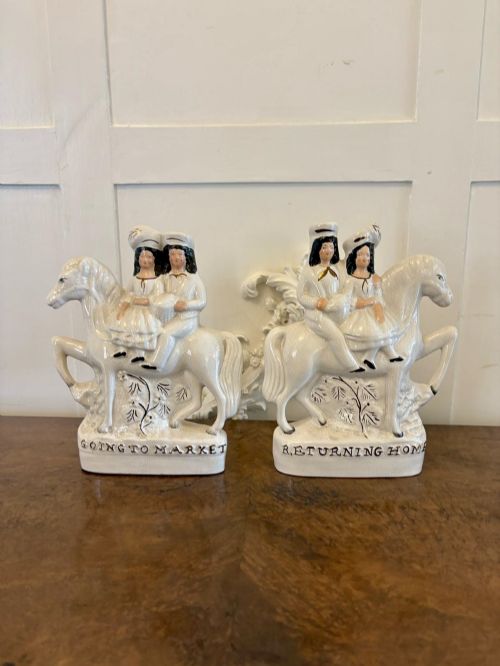
The assortment reaches from mid-Victorian equestrian groups and flatback castles down to delicate eighteenth-century Georgian porcelain models. Each piece reflects the decorative tastes of its period, whether produced in Staffordshire workshops or European factories.
Materials and production methods
Potters built these figures using earthenware and porcelain, shaping the clay through moulding before applying colourful enamel decoration and lead glaze. Many pieces incorporate gilt accents, gold leaf, and copper lustre to enrich the surface details.
Porcelain examples from factories like Derby, Meissen, and Old Paris rely on fine clay bodies fired at high temperatures, often featuring intricate bocage background foliage. Staffordshire earthenware figures utilise flat backs designed to face forward on narrow mantel shelves.
Antique Ceramic Mantel Figures Retail Price Guide 2026
Typical asking prices for ceramic mantel figures among the pieces listed under this phrase on Sellingantiques today, from the lower quarter to the upper quarter. They describe what is for sale here now, not the wider market.
Staffordshire potters even modelled smugglers and nineteenth-century evangelists for the mantelpiece.
Judging the standard of manufacture
Subtlety in glaze application and the preservation of original hand-painted highlights separate standard factory output from masterworks. The weight, stability, and integrity of the ceramic body further indicate the care taken during firing.
Thomas Parr·Shozan Satsuma·Letu and Mauger·La Coutille Factory
The Antique Ceramic Mantel Figures Glossary
- Flatback
- A figure moulded with a finished front and a plain, unglazed or semi-glazed flat reverse meant to stand against a wall.
- Spill vase
- A hollow vessel combined with a figure, designed to hold wooden spills used for lighting pipes and candles.
- Bocage
- Applied ceramic foliage and floral background work common in eighteenth and nineteenth-century figures.
- Earthenware
- Porous pottery fired at lower temperatures, forming the primary body for most Staffordshire mantel ornaments.
- Copper lustre
- A metallic glaze finish that produces a reflective, copper-like sheen across the ceramic surface.
Antique Ceramic Mantel Figures: Frequently Asked Questions
What were mantel figures used for?
These figures decorated nineteenth-century domestic fireplaces, often arranged in pairs to balance the mantelpiece. Spill vases doubled as holders for wooden taper lights before the invention of safety matches.
Larger portrait figures and historical subjects also served as conversation pieces in Victorian parlours. They displayed the owner's taste, reading habits, or political loyalties to visiting guests.
How do I care for antique ceramic figures?
Keep ceramic mantel figures out of direct sunlight to prevent the enamel colours and gilt highlights from fading over time. Dust them gently with a soft, dry brush rather than using wet cloths.
Avoid placing them near heat sources like working fireplaces, as extreme temperature changes can stress old earthenware bodies. Ensure they rest on stable, level surfaces away from busy edges.
How do I tell Staffordshire from porcelain?
Staffordshire figures use heavier earthenware bodies with opaque glazes and hand-painted or transfer-printed enamel details. They frequently feature flat backs intended to rest against a wall.
Porcelain figures, by contrast, utilise a vitrified, finer clay body that can appear translucent under strong light. Continental and English porcelain pieces are glazed and decorated all the way around, even on the reverse.
Are mantel figures usually found in pairs?
Many nineteenth-century ceramic animals, dogs, and decorative vases were produced as matching pairs to frame a clock or mirror on the mantelpiece. Dogs such as greyhounds, spaniels, and poodles commonly face inward toward one another.
Single figures like historical portraits or specific literary characters were often made independently. Finding an intact pair depends heavily on the original production type and subsequent survival.