





Antique Ceramic Frog
These antique ceramic frog pieces span centuries of pottery tradition, offering characterful drinking vessels and decorative figures that bring wit to any room.
Antique Ceramic Frog
When you search for antique ceramic frog pieces, you encounter a fascinating mix of practical drinking vessels and decorative works. The selection ranges from robust 18th-century earthenware drinking vessels to mid-19th-century pearlware and Victorian majolica.
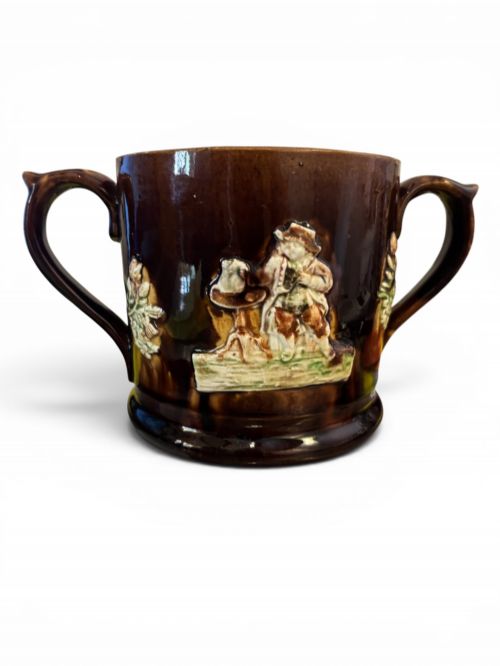
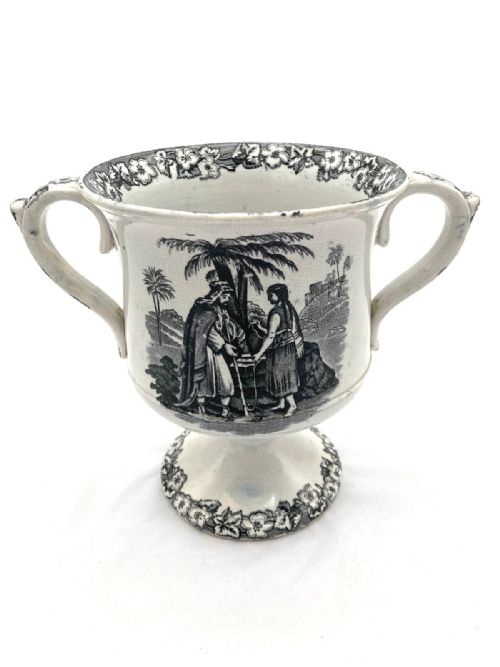
The most common forms on this page are two-handled loving mugs, transfer-printed tankards, and novelty drinking vessels featuring a ceramic frog peering up from the base. These vessels often include hand-painted details, poems, or hunting scenes alongside the hidden amphibian.
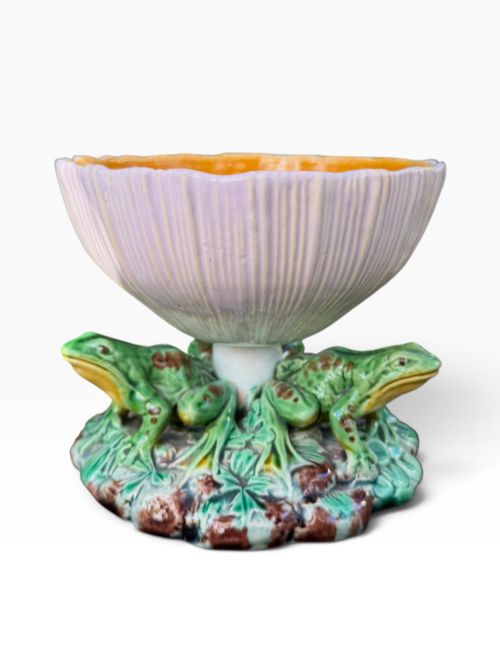
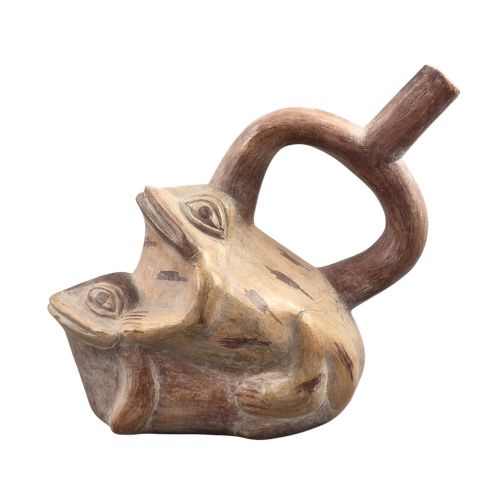
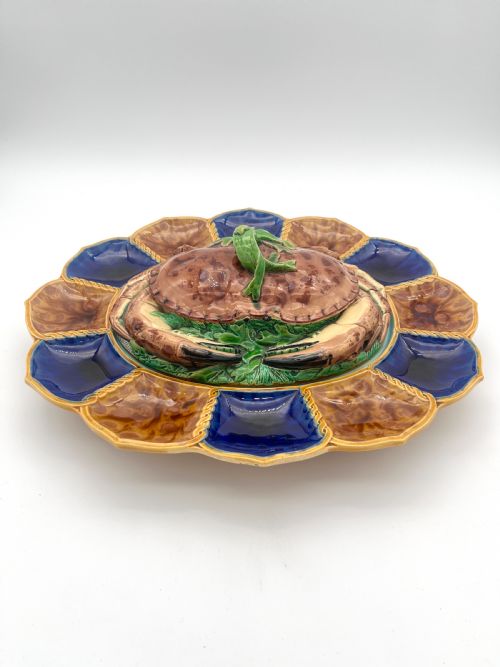
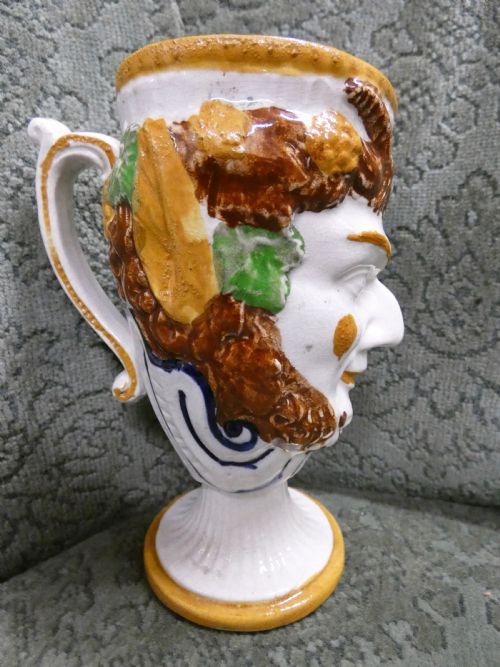
Beyond drinking vessels, the category encompasses diverse objects such as Victorian majolica bowls, centrepieces, and earlier archaeological ceramics like Peruvian whistles. Each piece reflects the specific pottery techniques and social drinking customs of its respective period.
Materials and production methods
Potters utilised earthenware, pearlware, and porcelain as the primary bases for these objects, shaping them on the wheel or moulding them in sections. Lead glazes and colourful enamels provided the protective and decorative surfaces, often applied with rich polychrome palettes.
Transfer printing allowed makers to apply intricate hunting scenes, poems, and botanical motifs onto mugs before a final glaze firing. Hand-painted accents and gold leaf details frequently enhanced the transfer-printed outlines on pearlware and earthenware bodies.
Antique Ceramic Frog Retail Price Guide 2026
Typical asking prices for ceramic frog among the pieces listed under this phrase on Sellingantiques today, from the lower quarter to the upper quarter. They describe what is for sale here now, not the wider market.
Listings feature 19th-century pearlware and earthenware drinking vessels alongside Victorian majolica bowls and 18th-century porcelain figures.
Factors of quality and craftsmanship
Quality in these pieces is evident in the crispness of the transfer printing and the precision of the hand-painting on the ceramic body. Finer examples display carefully modelled interior frogs that surprise the drinker, alongside well-balanced handles and clear, legible inscriptions.
The sophistication of the glaze application distinguishes finer works, particularly in Victorian majolica where rich colours and glossy finishes define the surface. Early pearlware bodies and well-preserved enamels further elevate the standing of a piece within its period.
Minton·Meissen·Krister KPM Waldenburg·Royal Worcester·Staffordshire
The Antique Ceramic Frog Glossary
- Pearlware
- A refined earthenware developed in the late 18th century featuring a bluish-white glaze that pooled in recesses. It served as a popular canvas for transfer-printed and hand-painted designs.
- Majolica
- A colourful, lead-glazed earthenware popularised during the Victorian era. It is characterised by vibrant moulded reliefs and rich botanical or animal motifs.
- Loving mug
- A large drinking vessel with two or three handles designed for sharing beverages among company. These mugs frequently incorporate surprise elements like ceramic frogs inside.
- Transfer printing
- A decoration technique where an engraved copper plate transfers a design onto tissue paper, which is then pressed onto the ceramic biscuit before glazing.
- Earthenware
- Porous pottery fired at lower temperatures, requiring a glaze to become impermeable. It forms the robust body of most traditional drinking vessels.
Antique Ceramic Frog: Frequently Asked Questions
What is a frog mug?
A frog mug is a traditional drinking vessel featuring a small ceramic frog modelled inside near the base. As the drinker finishes their beverage, the frog appears as a surprise.
These mugs were popular in British pubs during the 18th and 19th centuries to encourage drinking games or playful banter among companions.
How do I date an antique ceramic frog?
Dating relies on identifying the ceramic body, such as distinguishing pearlware from later earthenware, alongside stylistic clues in transfer-printed scenes. Inscriptions, dates, and maker marks also help narrow the period.
Changes in glaze formulas and manufacturing techniques over the 18th and 19th centuries provide clear chronological markers for collectors.
Were these mugs used for everyday drinking?
Yes, many of these vessels served practical functions in social settings like taverns and domestic gatherings. Two-handled loving mugs were passed around groups during celebrations.
Over time, many of these pieces transitioned from functional drinking gear to decorative display items due to their novelty and charm.
How should I display my frog mug?
Display these vessels in stable cabinets or on sturdy shelving where their handles and exterior transfer prints remain visible. Position them to highlight any colourful glazes or detailed painting.
Keep ceramics away from direct sunlight and areas prone to heavy vibrations to protect their historic glazes and structural integrity.