




Antique Ceramic Display Charger
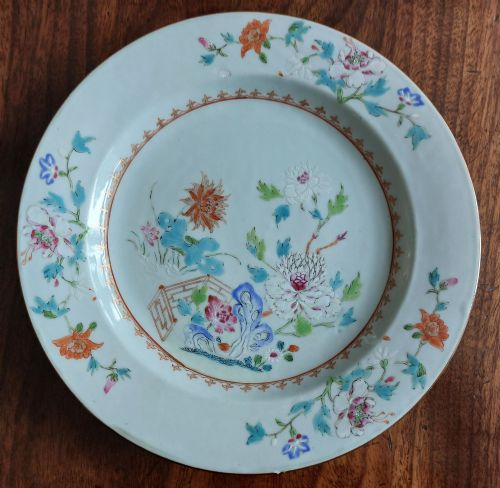
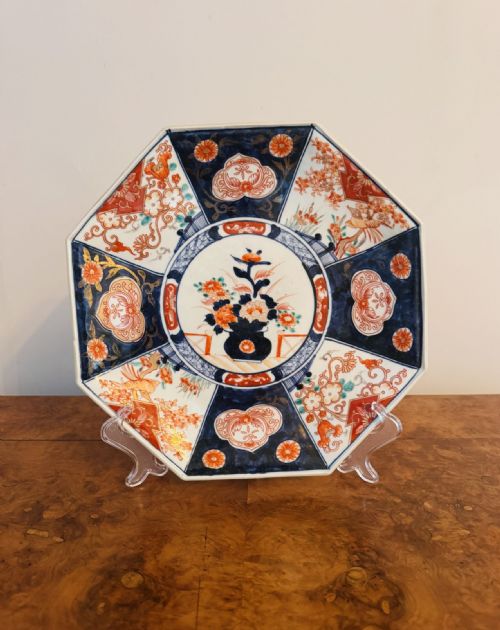
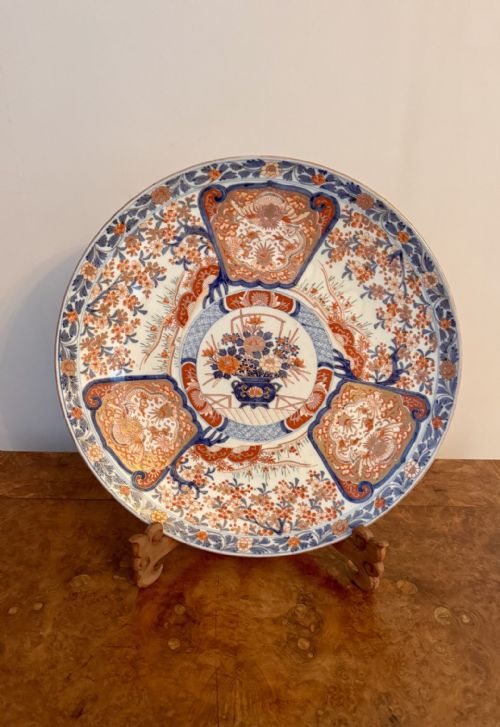
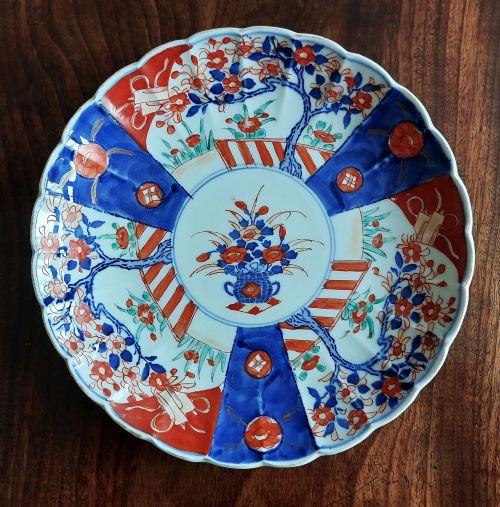
These antique ceramic display charger pieces are large decorative plates and dishes made for visual impact, spanning Delftware, Imari, and painted porcelain.
Antique Ceramic Display Charger
When you search for an antique ceramic display charger, you encounter large decorative plates, chargers, and cabinet plates designed primarily for visual display rather than dining use. These pieces serve as focal points on walls, dresser backs, and cabinets, originating from European and Asian kilns.
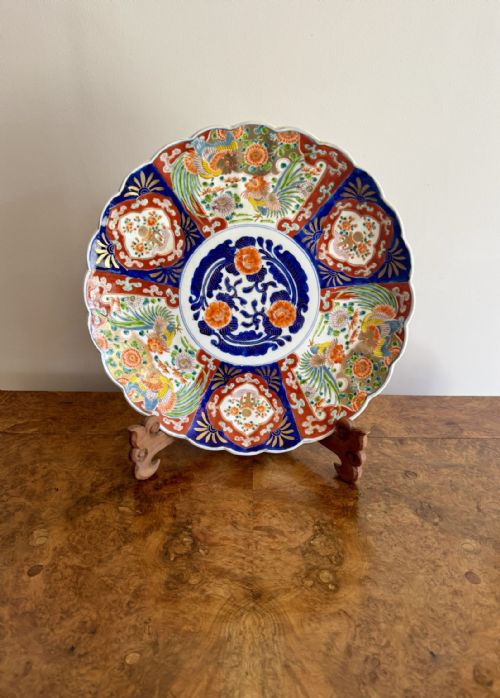
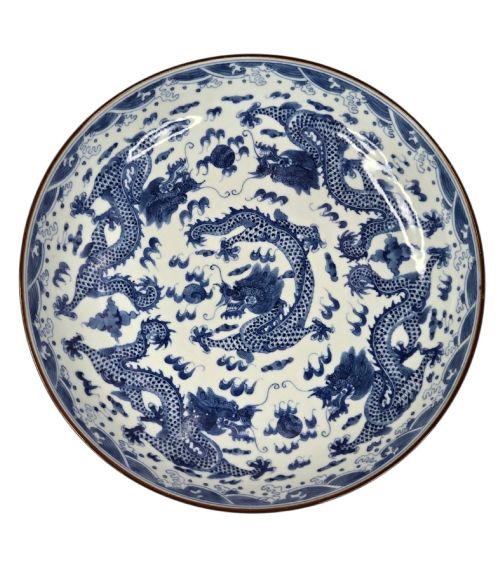
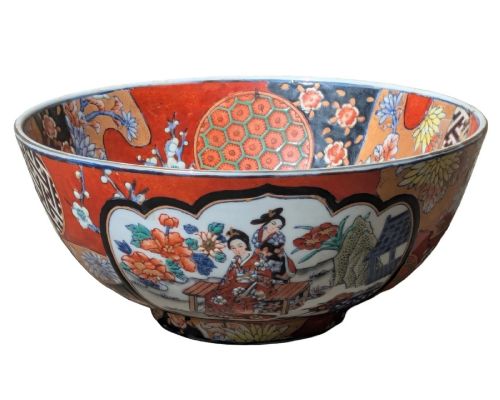
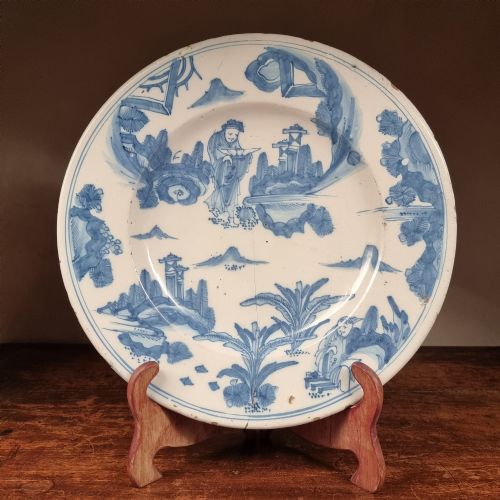
The version you are most likely to meet on this page is the Japanese Imari charger from the Meiji period or around nineteen hundred, alongside eighteenth century tin-glazed earthenware and Delft examples. Forms range from traditional circular chargers to scalloped, hexagonal, and square plates.
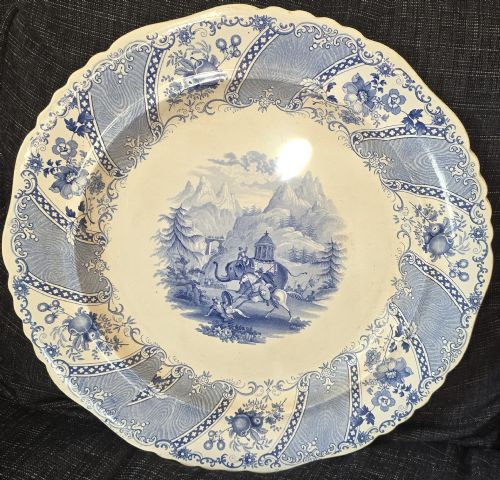
Origins stretch from Dutch and English workshops producing tin-glazed earthenware to Chinese export porcelain and Japanese Arita kilns. Each tradition brings distinct scale and pigment palettes, creating substantial plates intended from creation for prominent placement in a room.
Materials and construction
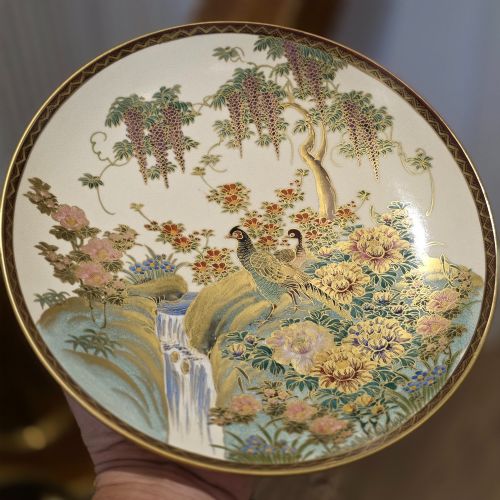
Makers shaped these plates in ceramic, earthenware, and porcelain, applying tin glaze, standard glaze, and enamel to the clay body. Pigments and gold leaf were hand-painted onto the surface before firing to achieve deep blue and polychrome designs.
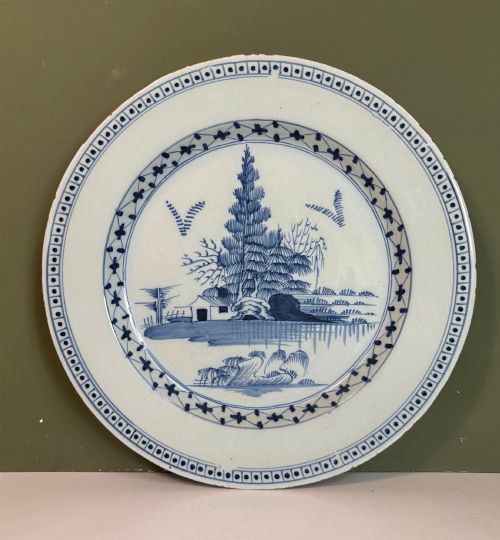
Tin-glazed earthenware and Delft pieces relied on an opaque white glaze containing tin oxide, providing a smooth white ground for cobalt blue and manganese painting. Japanese Imari and Chinese export porcelain utilised hard-paste clay bodies decorated with iron-red, cobalt blue, and gilt details.
Materials recorded across the selection include porcelain, tin-glazed earthenware, enamel, gold leaf, and salt-glazed ceramic.
Quality variations
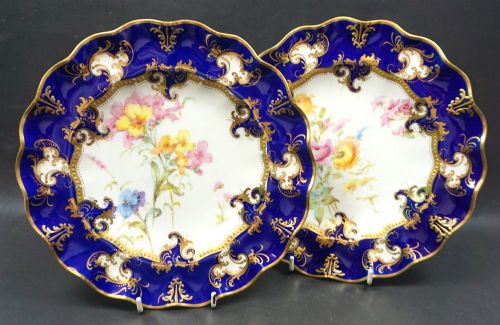
Quality rests in the precision and complexity of the hand-painted decoration, from dense floral motifs and exotic birds to five-clawed dragons. The clarity of the cobalt blue underglaze and the crispness of scalloped or lobed edges distinguish finer examples from standard production.
Provenance and artist attribution elevate certain cabinet plates, particularly signed or named works from known manufactories and individual painters. The control demonstrated in large-scale tin-glazed or porcelain firing separates superior chargers from ordinary wares.
Royal Crown Derby·Royal Worcester·Copeland Pottery
The Antique Ceramic Display Charger Glossary
- Charger
- A large decorative plate or dish exceeding standard dinner plate dimensions, traditionally used for display on furniture or walls.
- Delftware
- Tin-glazed earthenware produced in England or the Netherlands, typically featuring white glaze painted with blue or polychrome motifs.
- Imari
- Japanese porcelain decorated in underglaze blue, iron-red, and gold, highly popular for export during the Meiji and preceding periods.
- Cabinet Plate
- A decorative plate intended for display within a cabinet or on a wall rather than active table service.
- Tin Glaze
- An opaque white glaze containing tin oxide applied to earthenware, providing a smooth canvas for hand-painted decoration.
Antique Ceramic Display Charger: Frequently Asked Questions
How were antique ceramic display chargers used in period homes?
These large plates were positioned on sideboards, dressers, and dining room walls to display wealth and artistic taste. Their generous proportions made them ideal centerpieces for interior decoration.
Unlike everyday tableware, they remained fixed in display positions, protecting the hand-painted surfaces from cutlery wear and daily handling.
What is the difference between Delftware and Imari chargers?
Delftware chargers utilise a tin-glazed earthenware body with opaque white surfaces, frequently painted in blue and white or manganese with Chinoiserie scenes. They originate primarily from Dutch and English kilns.
Imari chargers are made from hard-paste porcelain created in Japan, characterised by rich combinations of underglaze blue, iron-red, and gold leaf.
How do I safely hang a heavy antique charger?
Displaying large chargers requires specialised wall fixings and coated wire plate hangers that distribute weight evenly across the rim. Ensure the chosen hardware matches the substantial weight of porcelain or earthenware bodies.
Consult a professional framer if the charger lacks a stable hanging rim or exhibits structural vulnerabilities requiring custom support.
Can I use these display chargers for serving food?
Historic ceramic chargers are unsuited for modern culinary use due to fragile glazes, historical surface wear, and potential lead content in older glazes. Thermal shock from hot food can also damage antique ceramic bodies.
Retain these pieces strictly for visual display and decorative placement within your home.