

Antique Ceramic Dessert Dish
When you search for an antique ceramic dessert dish, you are looking at porcelain, earthenware, and bone china pieces made for the end of a formal meal.
Antique Ceramic Dessert Dish
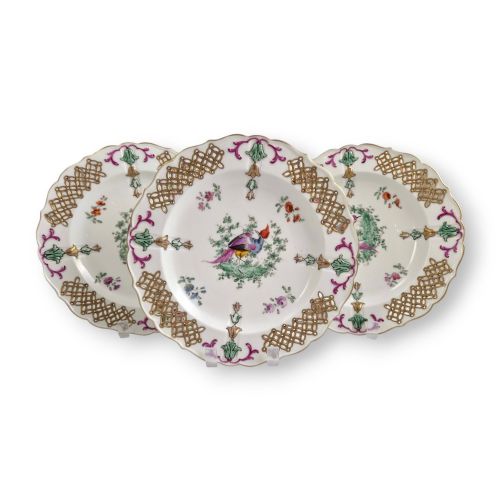
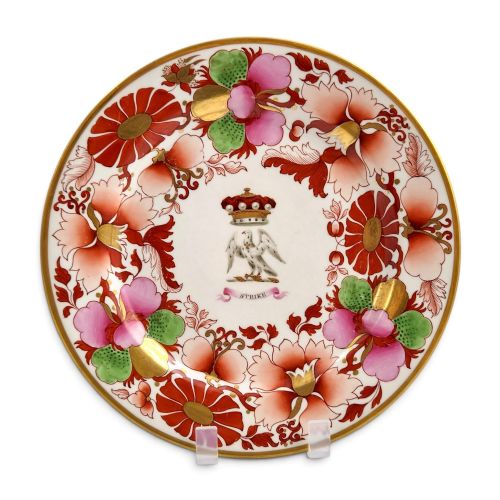
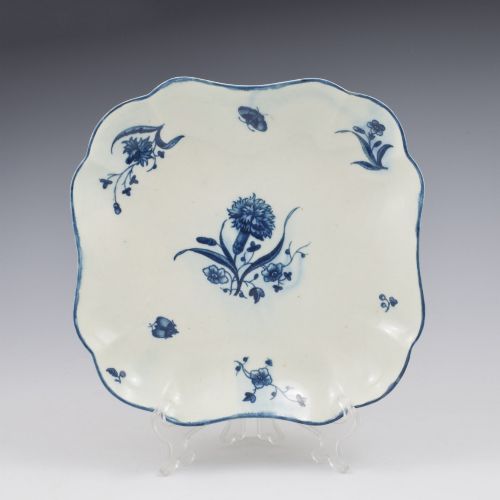
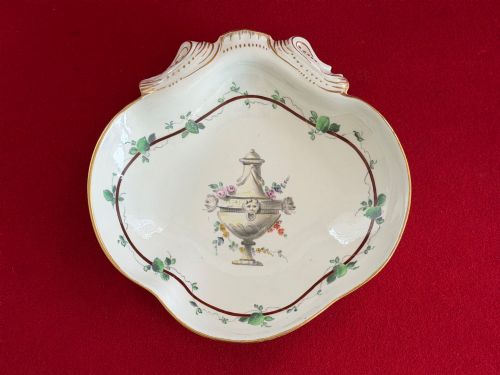
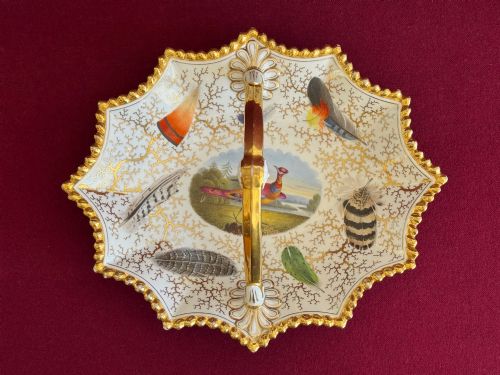
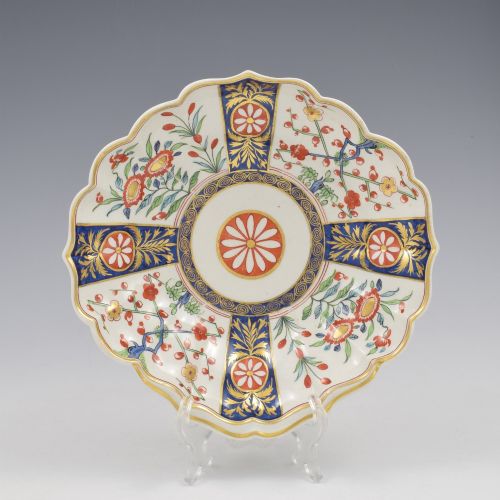
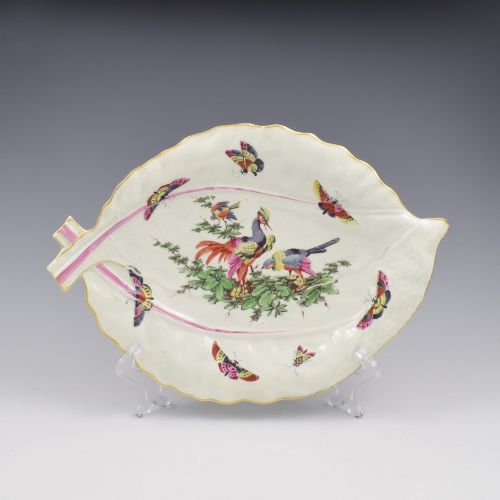
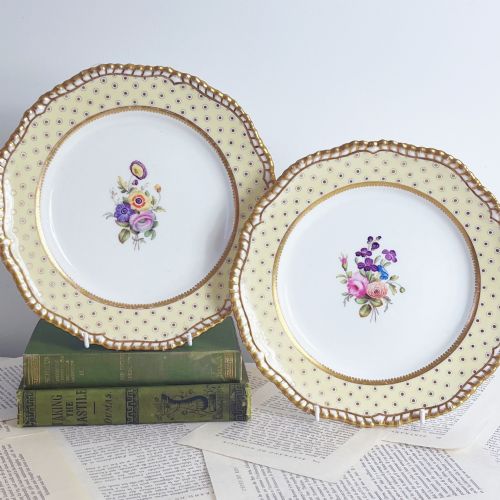
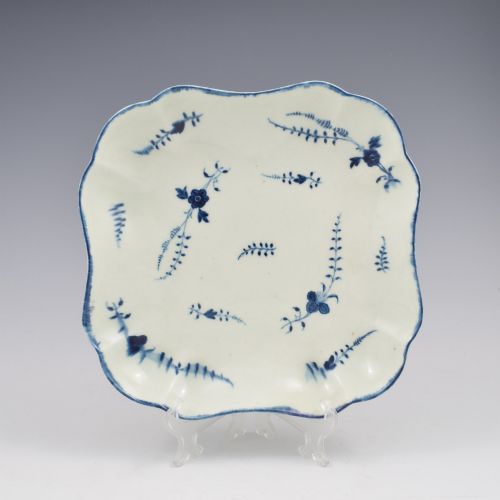
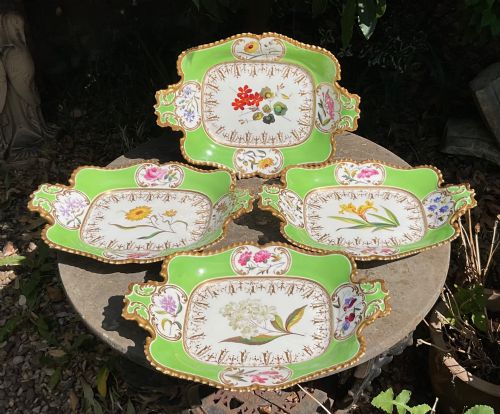
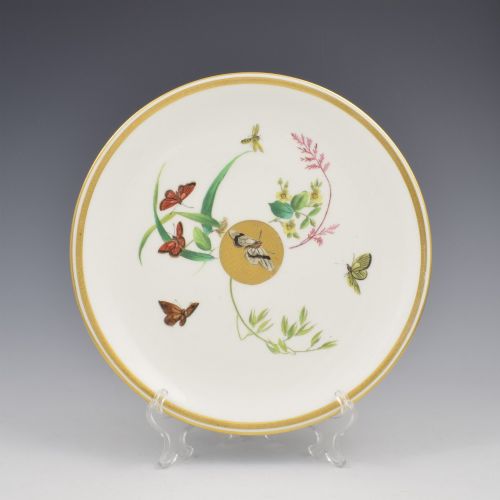
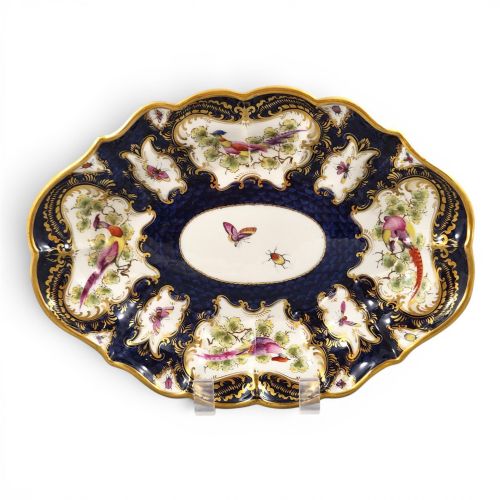
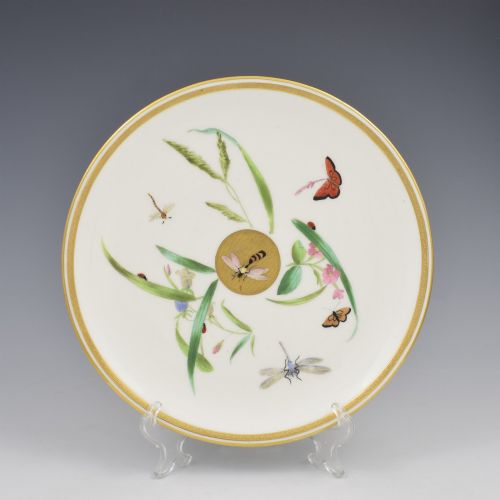
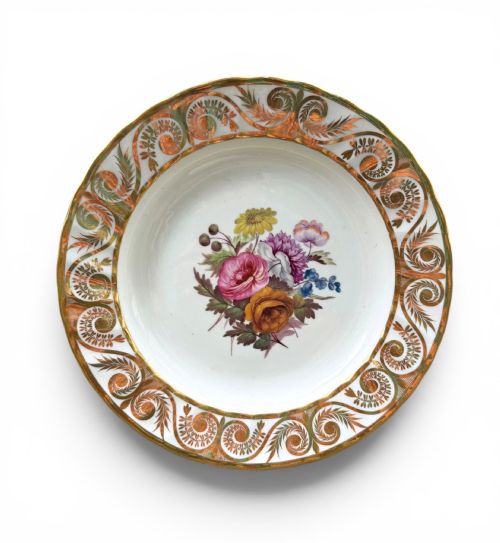
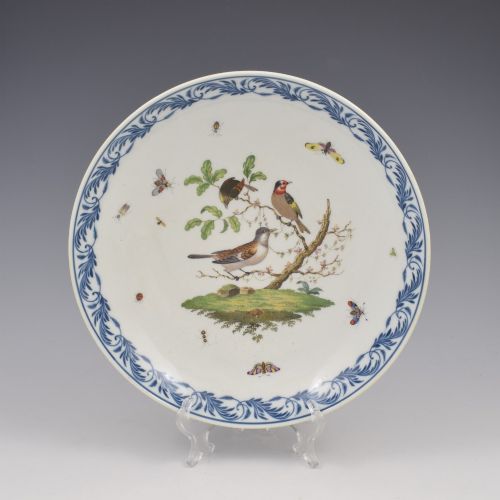
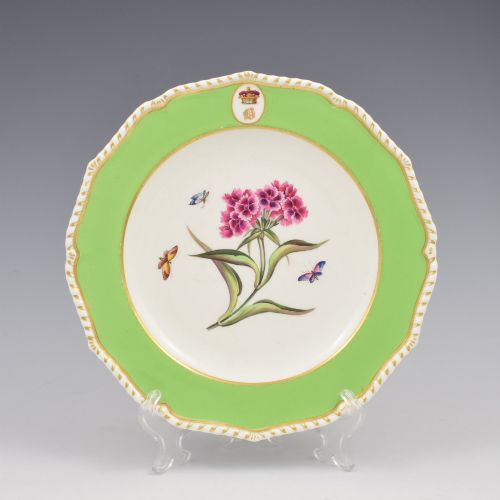
An antique ceramic dessert dish is a serving vessel, plate, or tureen produced during the eighteenth, nineteenth, and early twentieth centuries for fruit and sweet courses. The pieces on this page span the Georgian, Regency, Victorian, and Edwardian periods, taking forms such as square lobed dishes, shell stands, basketweave plates, and cabinet plates.
You will most commonly encounter porcelain examples painted with botanical studies, birds, insects, and topographical views from English factories active between 1770 and 1900. These items range from individual cabinet plates to large service sets comprising serving dishes and matching plates.
How these dishes were made
Makers shaped soft-paste porcelain, bone china, earthenware, and ironstone using throwing, moulding, and pressing techniques before applying underglaze or overglaze decoration by hand and transfer printing. Many pieces incorporate moulded textures like basketweave alongside intricate hand-painted enamels.
The application of gold leaf and rich gilding required careful secondary firing in a kiln to bond the precious metals to the glazed ceramic body. Artisans frequently combined polychrome enamel painting with gilt borders and Japanese-inspired motifs.
Antique Ceramic Dessert Dish Retail Price Guide 2026
Typical asking prices for ceramic dessert dish among the pieces listed under this phrase on Sellingantiques today, from the lower quarter to the upper quarter. They describe what is for sale here now, not the wider market.
Listings feature porcelain, earthenware, and bone china pieces spanning the eighteenth, nineteenth, and early twentieth centuries.
What varies in quality
The standard of a dessert dish depends upon the precision of the hand-painted brushwork, particularly in botanical, ornithological, and armorial subjects where fine detail distinguishes the best manufactories. Superior pieces display crisp moulding, unblemished glaze surfaces, and expertly applied gilding.
Renowned factories and named decorators elevate a piece through artistic execution and historical provenance. Greater care in the rendering of subjects such as botanical specimens and topographical scenes separates standard productionware from high-status cabinet pieces.
Spode·Worcester Porcelain·Meissen Porcelain·Chamberlains Worcester·Derby porcelain·Minton Porcelain·Royal Worcester·Coalport·Copeland and Garrett·Cauldon Ltd·Doulton Burslem·Bloor Derby·Mintons·John Ridgway·Flight Barr and Barr·James Giles·Ridgway Porcelain
The Antique Ceramic Dessert Dish Glossary
- Armorial
- Bearing a coat of arms or heraldic crest. These dishes were custom-ordered by landed families to display their lineage during dining.
- Bone china
- A type of porcelain incorporating bone ash for strength and translucency. It became a primary body for English dessert services in the nineteenth century.
- Enamel
- Opaque vitreous paint applied over the glaze and fired at a lower temperature. It provides the vivid colours seen on floral and bird decorations.
- Soft-paste porcelain
- An artificial porcelain body composed of clay, glass frit, and white sand, fired at lower temperatures than hard-paste. Eighteenth-century factories relied on this formulation before bone china became dominant.
- Cabinet plate
- A decorative plate intended for display in a cabinet rather than functional table use. These often feature elaborate hand-painted landscapes or botanical studies.
Antique Ceramic Dessert Dish: Frequently Asked Questions
What were dessert dishes used for?
These dishes served fruit, sweetmeats, nuts, and confections at the conclusion of a formal dinner party. They formed part of larger dessert services that included matching plates, compotes, and cream tureens.
Wealthy households displayed them on the table or sideboard to demonstrate status and refined taste through elaborate painted floral and armorial designs.
How do I date an antique dessert plate?
Dating relies on factory backstamps, paste composition, stylistic periods such as Regency or Aesthetic Movement, and hand-written inscriptions on the reverse. Soft-paste porcelain and specific pattern numbers often point to late eighteenth-century production.
Later Victorian and Edwardian examples feature improved mechanical printing alongside traditional hand-painting, aligning with known operating dates of potteries like Minton and Royal Worcester.
Can I use antique plates for dining?
While structurally sound, antique ceramic dessert dishes are generally intended for collection, display, or light service rather than everyday modern dining. Overglaze enamels and delicate gold leaf can wear down with frequent washing and cutlery use.
Hand-washing with mild soap protects the glaze and preserves the delicate painted surfaces of eighteenth and nineteenth-century ceramics.