


Antique Ceramic Decor
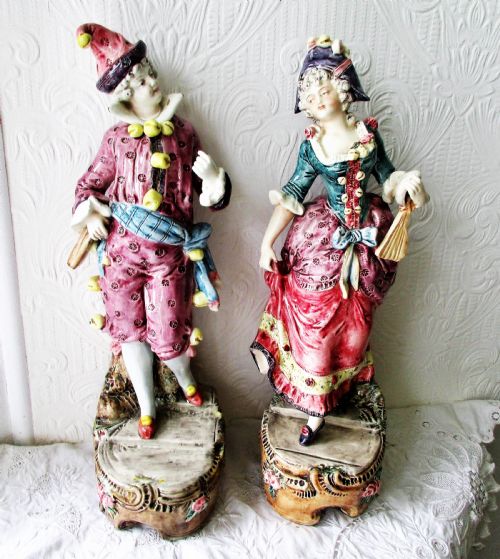
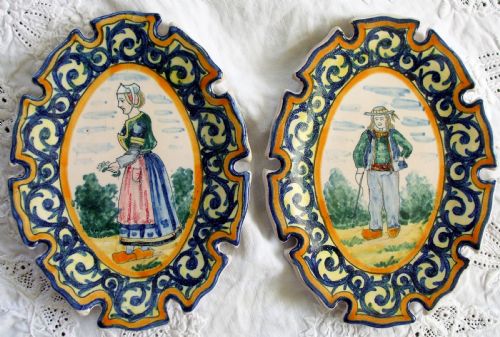
These pieces of antique ceramic decor bring hand-painted patterns, rich glazes and sculptural forms straight into your home.
Antique Ceramic Decor
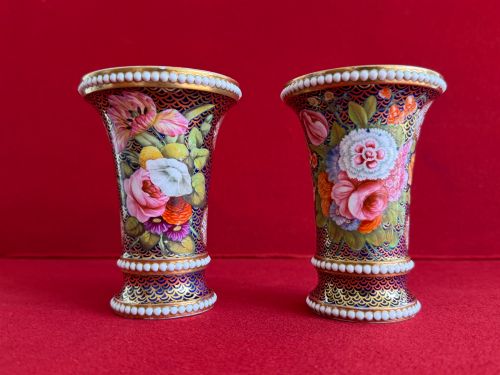
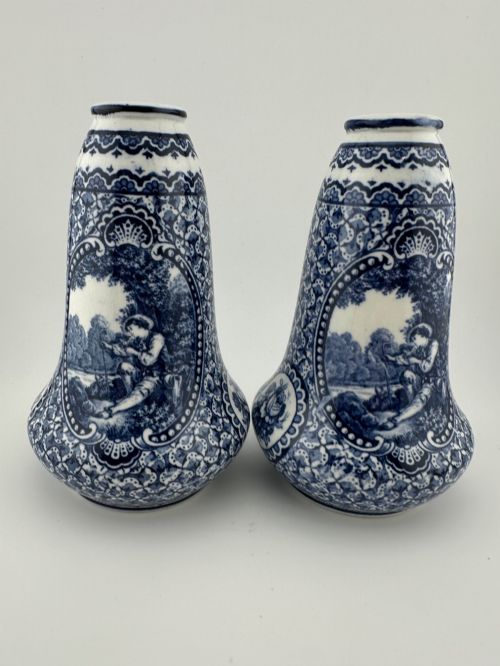
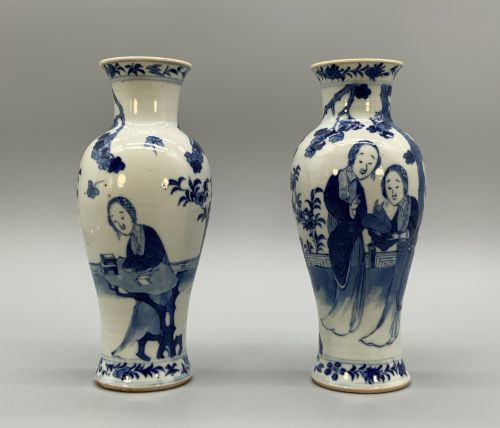
When searching for antique ceramic decor, you encounter a diverse selection of vessels, figures and plates designed to display craftsmanship and embellish domestic spaces. These items range from nineteenth-century English spill vases and Staffordshire animal figures to continental faience dishes and porcelain candelabras.
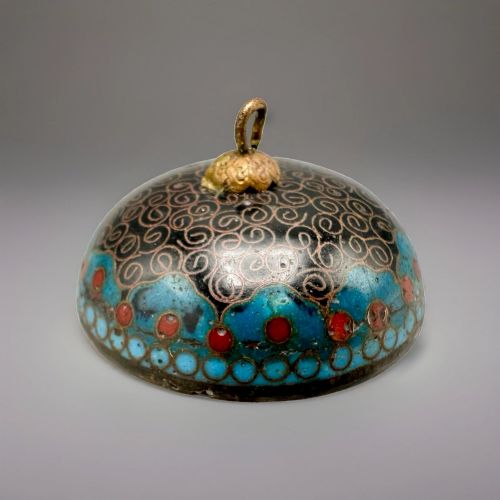
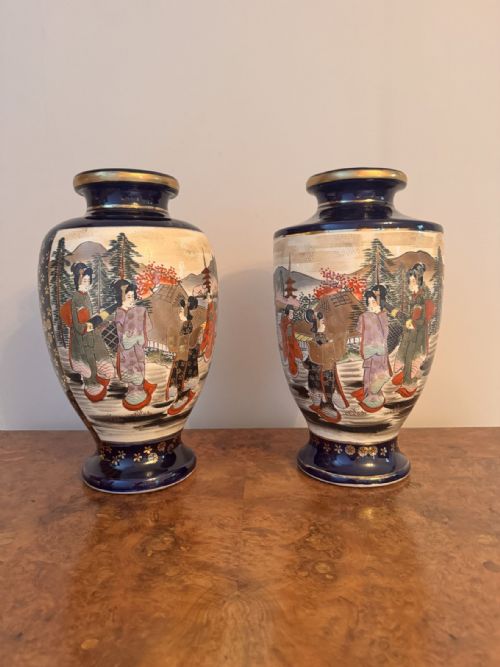
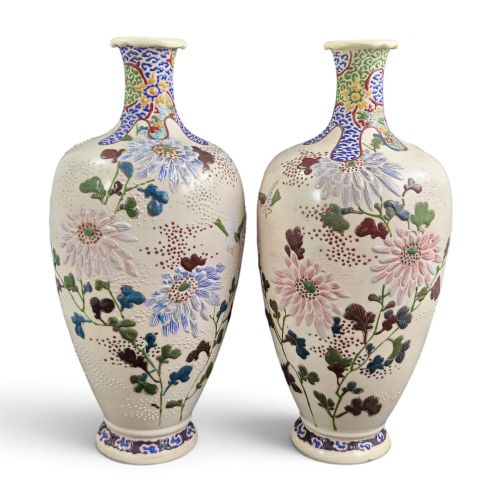
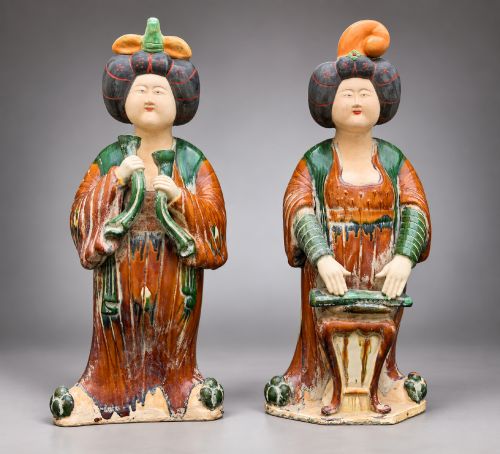
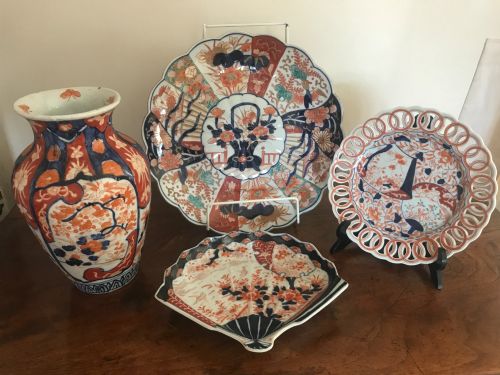
Japanese export wares form a significant portion of what you meet in this category, particularly Imari porcelain plates, Satsuma vases and cloisonne enamel pieces from the Meiji period. Chinese pottery and porcelain, spanning styles from the Tang dynasty to the Qing dynasty, also populate the selection alongside European earthenware and porcelain.
The objects serve primarily decorative functions, taking the form of mantel vases, wall brackets, pin trays, decorative bowls and figurative groups. They reflect international trade and artistic exchange across the eighteenth, nineteenth and early twentieth centuries.
How They Were Made
Potters and ceramists shaped these pieces using earthenware, stoneware and porcelain bodies, applying liquid slips and mineral glazes to achieve durable surfaces. Techniques such as underglaze blue painting, enamel overglaze detailing and Moriage raised slipwork allowed artisans to build intricate, colourful designs.
Many items incorporate additional embellishments like gold leaf, gilding and metal accents to heighten their visual impact. Firing methods varied from low-temperature earthenware kilns to high-firing porcelain furnaces, determining the vitrification and strength of each vessel or figure.
Listings feature items spanning the Victorian, Edwardian and Meiji periods, utilising porcelain, earthenware and enamel.
What Varies In Quality
The standard of antique ceramic decor depends heavily on the precision of the hand-painting and the clarity of the glaze application. Pieces with finely delineated brushwork, controlled enamel work and crisp moulding stand apart from mass-produced or heavily worn examples.
Artistic ambition and stylistic coherence dictate the upper tier of the range, where individual studio output or named makers produce distinct forms. The depth of colour, successful kiln results and preservation of surface details like gold leaf or raised enamel further distinguish superior specimens.
Franz Anton Mehlem·Royal Worcester·Sherwin and Cotton
The Antique Ceramic Decor Glossary
- Imari
- A style of Japanese porcelain featuring a distinctive palette of underglaze blue, iron red, and gilt highlights. These wares were heavily exported to Europe from the seventeenth century onward.
- Satsuma
- A type of Japanese earthenware with a characteristic ivory-coloured, crackled glaze that serves as a canvas for elaborate polychrome and gilt decoration. It became widely popular during the Meiji period.
- Faience
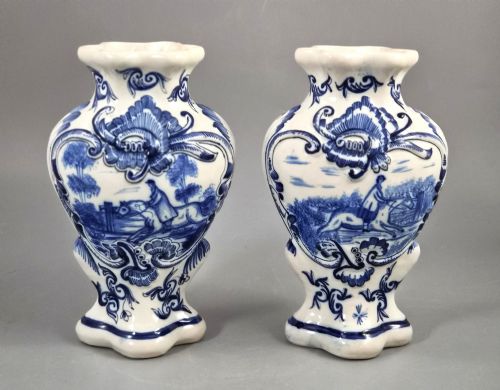
- Tin-glazed earthenware produced in France and other European regions, often decorated with hand-painted blue and white motifs or vibrant pictorial scenes.
- Spill vase
- A small, upright tubular vessel traditionally placed on mantelpieces to hold wooden spills used for lighting candles or fires. They were frequently modelled in pairs using porcelain or pottery.
- Moriage
- A decorative technique used on Japanese ceramics where clay is piped onto the surface in raised dots or lines before firing, creating a tactile, textured design.
- Famille rose
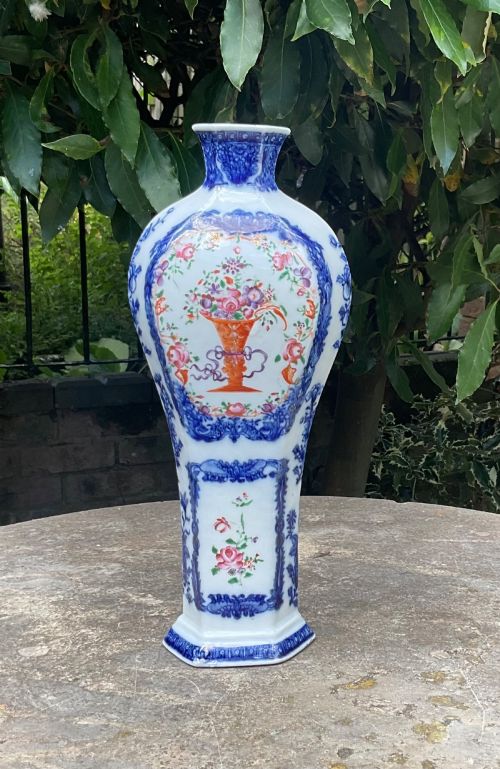
- A palette of Chinese porcelain enamels dominated by opaque pink or rose colours, introduced during the Qing dynasty and utilised for intricate floral and figural designs.
Antique Ceramic Decor: Frequently Asked Questions
What is antique ceramic decor?
Antique ceramic decor encompasses ornamental pottery, porcelain and earthenware items produced primarily during the eighteenth, nineteenth and early twentieth centuries. These objects include vases, figures, plates and bowls created to adorn domestic interiors.
They draw on diverse stylistic traditions, ranging from English Staffordshire figures and French faience to Japanese Imari plates and Chinese porcelain vessels.
How were Satsuma vases used?
Satsuma vases were created as ornamental display pieces for Victorian and Edwardian drawing rooms and parlours. Their intricate painted scenes of figures, landscapes and flowers invited close inspection rather than holding cut flowers.
Pairs of these vases typically sat upon mantelpieces, console tables or cabinets to showcase the owner's taste for Japanese craftsmanship.
How do I style ceramic decor at home?
You can display antique ceramic decor on open shelving, mantelpieces or side tables where their colours and forms can be appreciated safely. Grouping pairs of vases or matching plates creates visual balance in a room.
Mixing different forms, such as placing a decorative bowl near a pair of spill vases, adds texture and historical contrast to modern or traditional interiors.
How can I tell Imari porcelain apart?
Imari porcelain is identifiable by its traditional palette, which relies primarily on cobalt blue under the glaze combined with iron red, green and gold painted over the glaze. The patterns frequently feature dense floral arrangements, brocade motifs and birds.
Examining the foot ring and the weight of the piece helps distinguish genuine nineteenth-century export wares from later reproductions.