

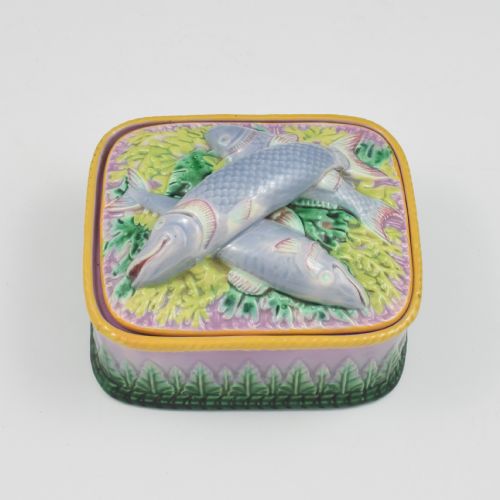


Antique Ceramic Container
An antique ceramic container holds the history of domestic storage, bringing practical earthenware and fine porcelain together on the table.
Antique Ceramic Container
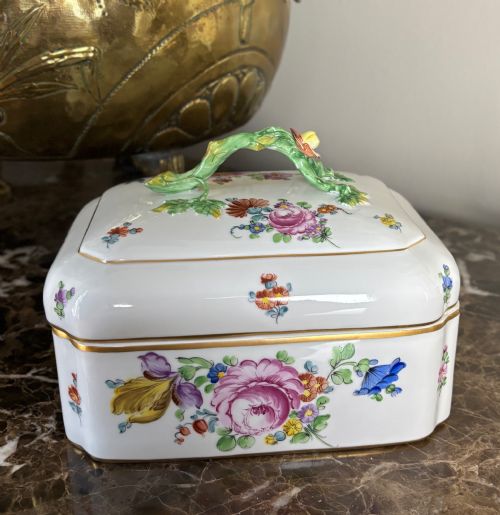
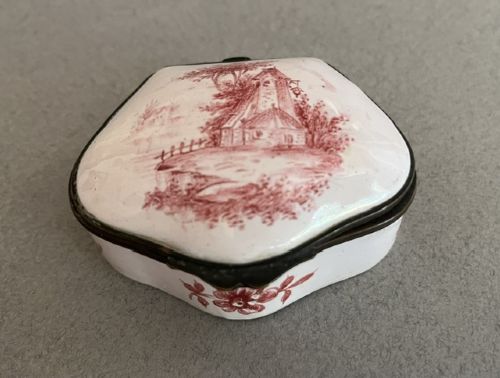
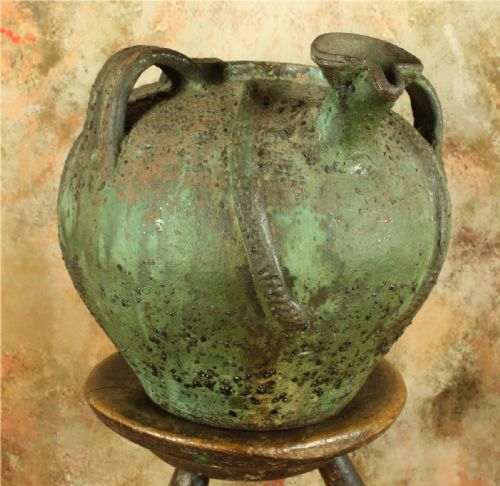
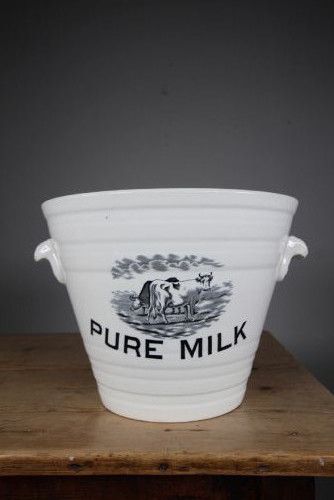
An antique ceramic container encompasses everything from utilitarian kitchen crocks and dairy pails to decorative ginger jars, biscuit barrels, and small trinket boxes. These vessels span diverse domestic uses, holding tobacco, sugar, butter, or dried potpourri.
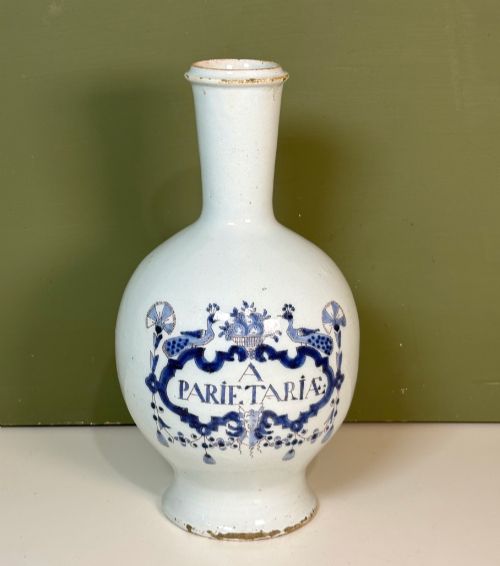
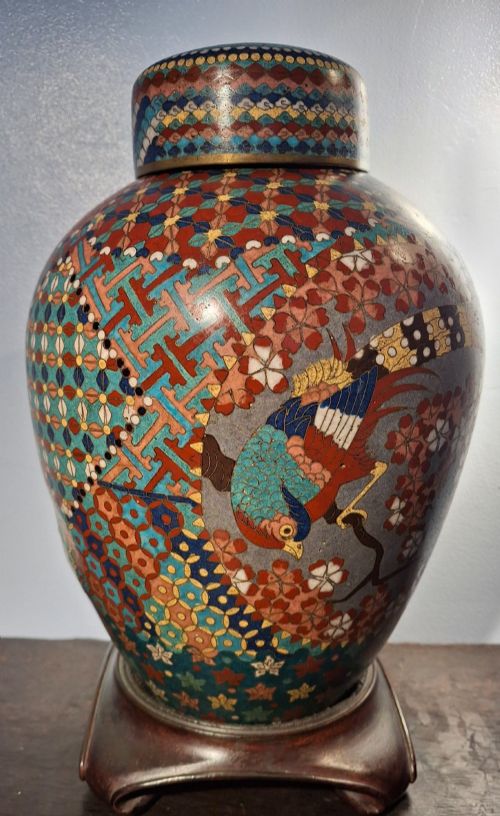
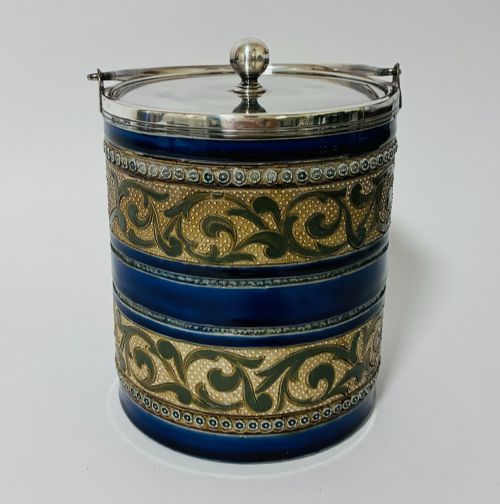
The pieces originating here reflect varied British, European, and Asian traditions, including English ironstone, Dutch delft, French majolica, and Japanese satsuma ware. Victorian biscuit barrels fitted with silver plate sit alongside earlier eighteenth-century tin-glazed sweetmeat dishes and salt-glazed stoneware planters.
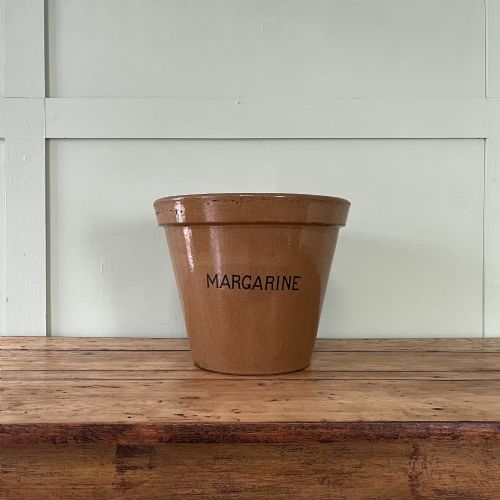
Buyers seeking a specific utility will find specialised forms such as umbrella stands, footbaths, and pomanders represented among the diverse ceramic bodies. Each item demonstrates how earlier households managed dry goods, liquids, and personal valuables through durable fired clay.
Materials and Techniques
Makers shaped these pots from earthenware, porcelain, ironstone, and heavy stoneware, applying tin glazes, salt glazes, or fluid flow blue transfers over the clay body. Many items received hand-painted polychrome decoration, gold leaf accents, or detailed majolica moulding.
Several containers incorporate mixed media, pairing ceramic bodies with brass fittings, silver-plated mounts, or wooden elements to reinforce rims and lids. Potters utilised turning, moulding, and casting methods depending on whether the desired result was a sturdy dairy container or a delicate dresser box.
Several Victorian containers were specifically moulded to resemble ruffled sardines, plump partridges, and cheerful tobacco-smoking Pierrots.
Assessing the Pieces
Distinction in these pots rests upon the crispness of the modelled relief, the control of the glaze, and the precision of the hand-painted or transfer-printed ornament. Superior examples maintain intact surface detail and clear factory marks without blurring in the kiln firing.
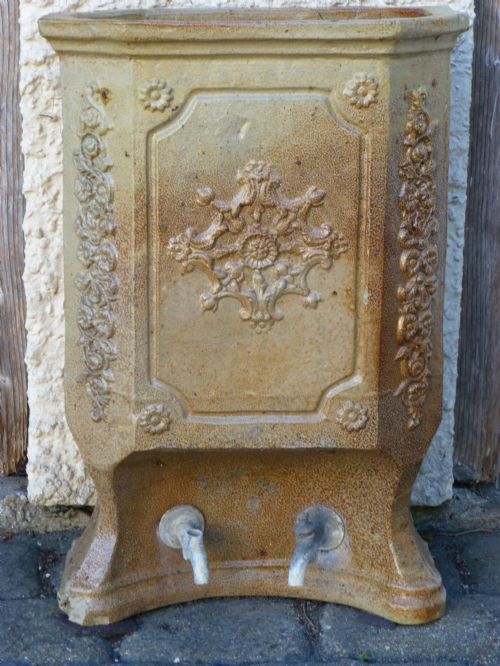
The integration of metal hardware, such as original silver-plated lids on biscuit barrels or brass taps on water filters, heavily influences the integrity of the surviving object. Well-preserved painted surfaces and stable glazes separate everyday utilitarian crocks from high-art decorative vessels.
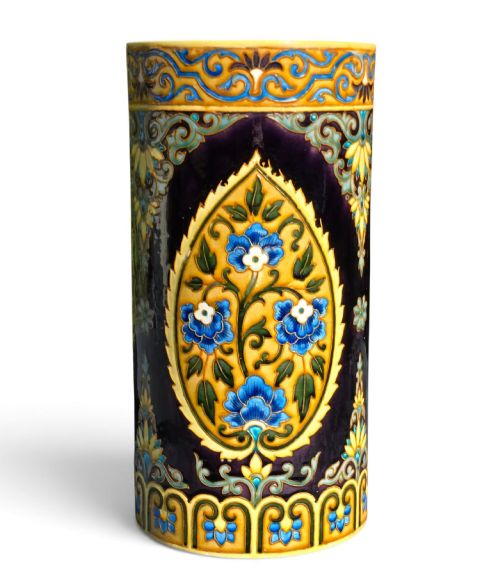
Doulton Lambeth·Royal Doulton·Royal Worcester·Edme Samson Of Paris·Théodore Deck
The Antique Ceramic Container Glossary
- Biscuit Barrel
- A covered ceramic container designed for storing dry biscuits at the dining table, often fitted with a silver-plated rim and swing handle during the Victorian period.
- Majolica
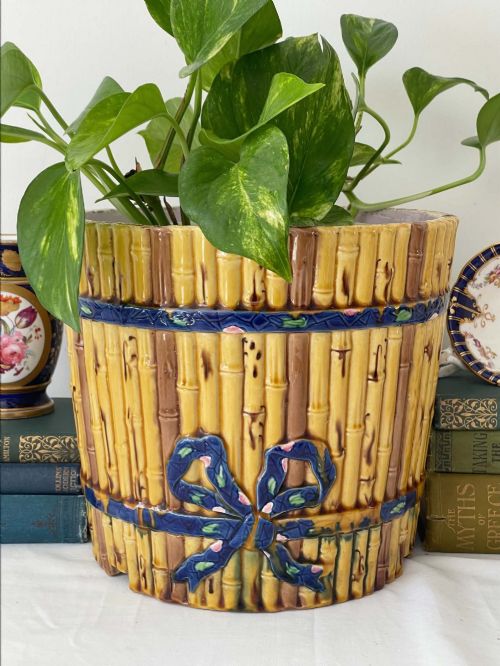
- A type of earthenware coated in an opaque tin glaze and painted with brightly coloured metal oxide pigments, widely produced during the nineteenth century.
- Kamcheng
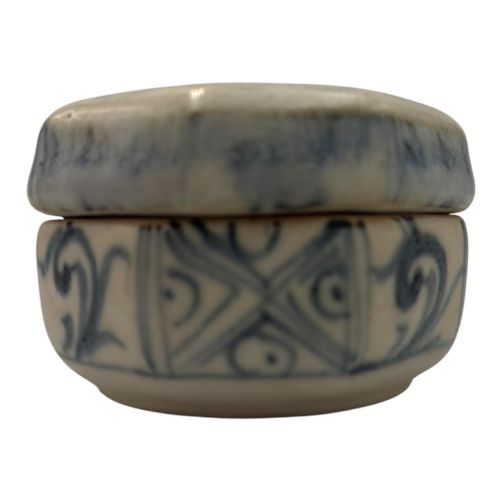
- A traditional covered ceramic jar originating from Chinese kilns, frequently exported for use as a storage vessel or container in Southeast Asian households.
- Flow Blue
- A nineteenth-century transfer-printing technique where the cobalt blue pigment intentionally bled slightly into the surrounding white glaze during firing to create a soft, hazy effect.
- Tin Glaze
- A ceramic glaze made opaque by the addition of tin oxide, providing a white background for painted decoration on delftware and faience.
Antique Ceramic Container: Frequently Asked Questions
How were antique biscuit barrels used?
Victorian households placed these lidded containers on the dining table or sideboard to keep dry biscuits crisp during tea service.
Servants filled the ceramic body, and the attached metal lid helped seal out ambient moisture until guests were served.
Can I use an antique planter for live plants?
Many jardiniere vessels and stoneware planters were built precisely to hold potted plants indoors, protecting surfaces with their glazed interiors.
Care should be taken with unglazed earthen bodies or fragile nineteenth-century wares to prevent moisture damage to the antique material.
How do I clean an old ceramic jar?
Dusting with a dry cloth or washing gently in warm water with mild soap is sufficient for most glazed surfaces.
Harsh chemical cleaners and abrasive scrubbers must be avoided to protect delicate overglaze enamels, gold leaf, and metal mounts.
What is the difference between earthenware and stoneware?
Earthenware is fired at lower temperatures and remains porous unless covered by an impermeable glaze, making it common for decorative boxes and early majolica.
Stonerware is fired much higher until the clay vitrifies into a dense, non-porous material well suited for holding liquids and heavy kitchen provisions.