

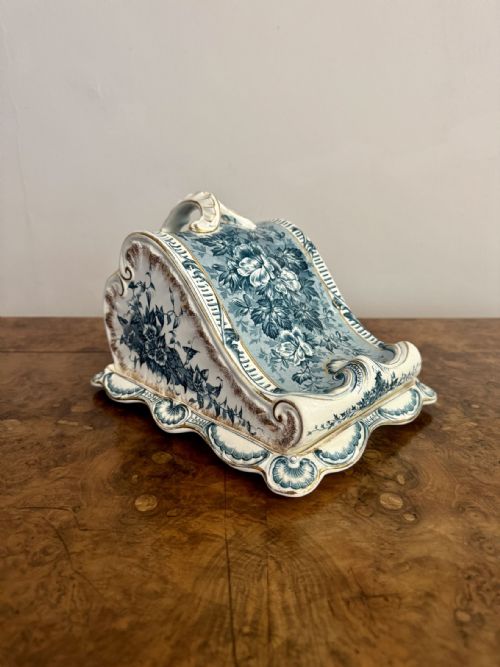
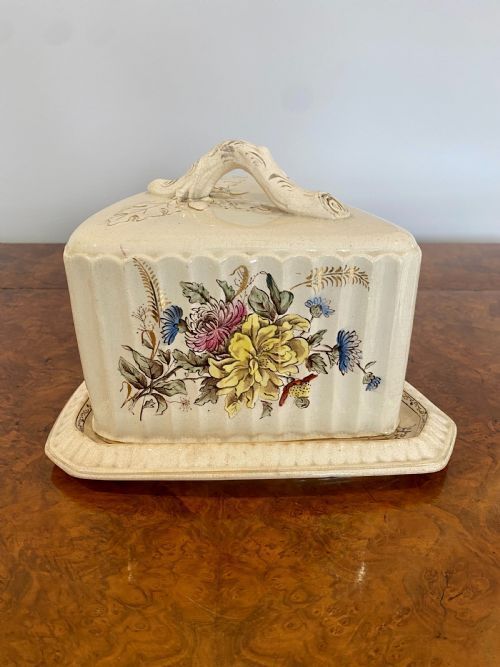


Antique Ceramic Cheese
These antique ceramic cheese dishes and domes bring nineteenth-century dining traditions directly to the table with heavy earthenware and striking glazes.
Antique Ceramic Cheese
When you search for antique ceramic cheese, you find covered domes, bells, and stands designed to preserve large wheels of cheese during the nineteenth century. These serving pieces range from modest breakfast wares to large table centerpieces intended for formal dining.
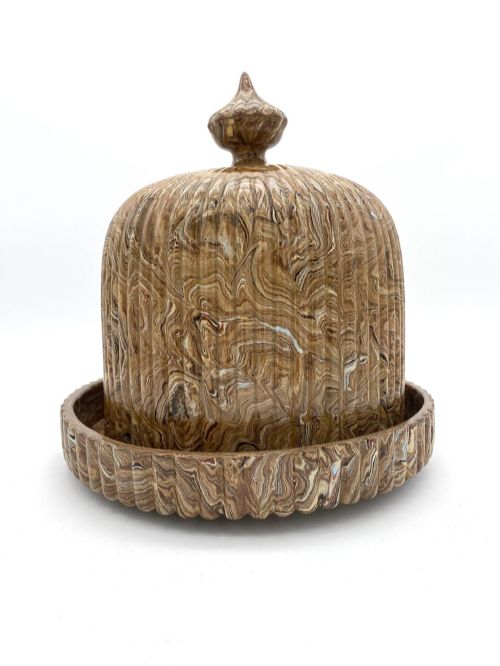
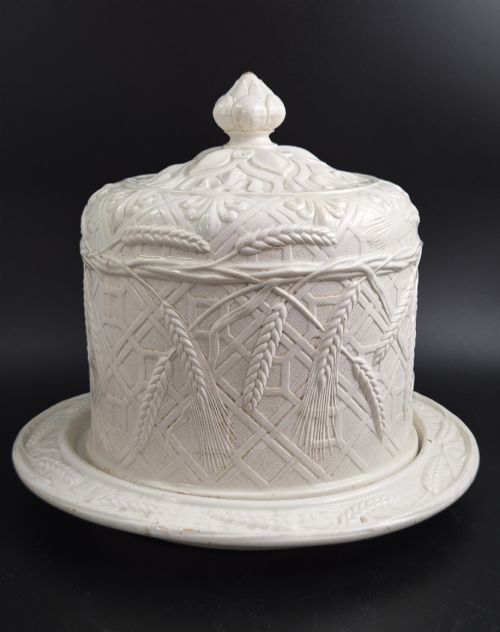
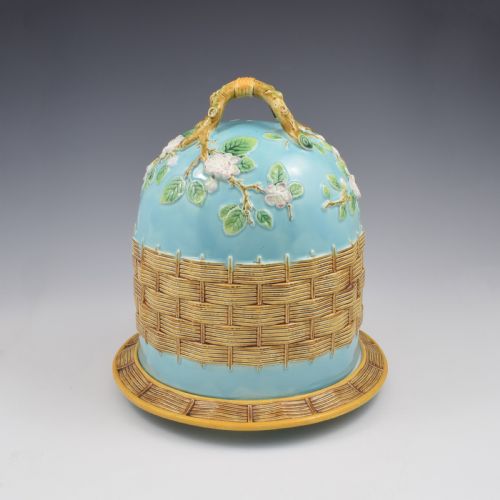
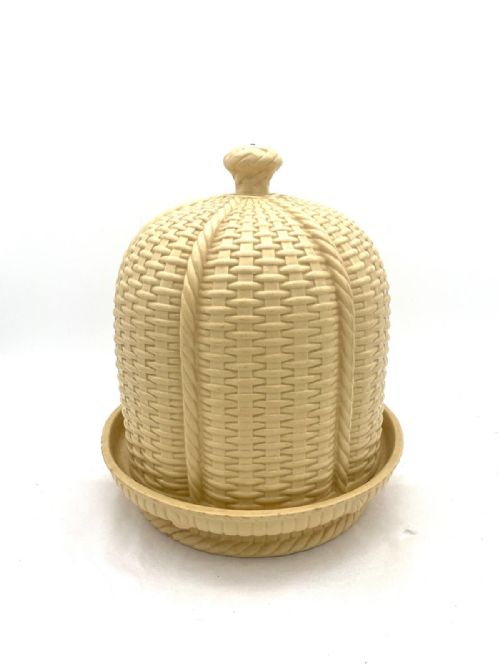
The pieces on this page appear in various forms, including traditional white ironstone, drabware, and colourful Victorian majolica. You will frequently encounter large domes paired with matching underplates, occasionally scaled for Stilton or similar large cheeses.
Materials and methods
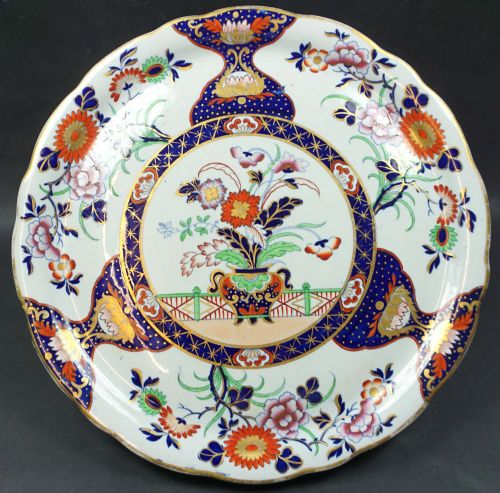
Potters built these heavy vessels using durable earthenware, ironstone, and stoneware bodies capable of supporting thick domed covers. Manufacturers shaped them into forms like basket weave textures, wheat and lattice motifs, and oriental pagoda patterns.
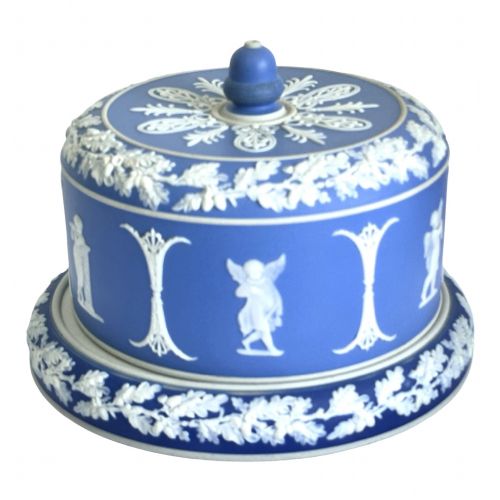
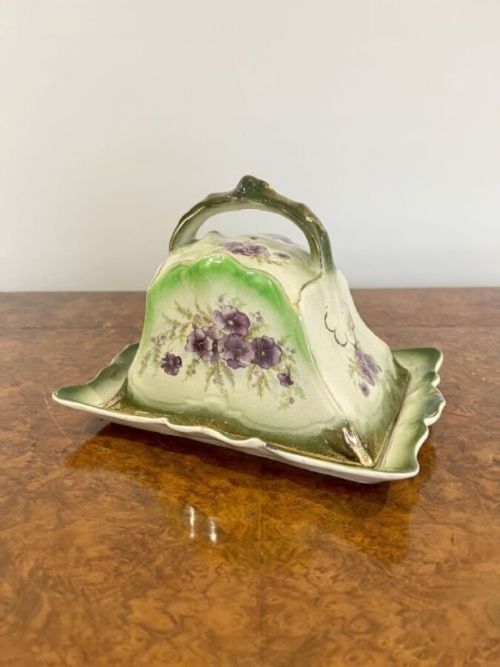
Makers applied varied glazes, including rich majolica colours, hand-coloured pigments, and delicate gilding. Some pieces utilised jasperware techniques to create contrasting moulded reliefs on the ceramic body.
Antique Ceramic Cheese Retail Price Guide 2026
Typical asking prices for ceramic cheese among the pieces listed under this phrase on Sellingantiques today, from the lower quarter to the upper quarter. They describe what is for sale here now, not the wider market.
The listings on this page span the nineteenth century, featuring Victorian, Regency, and Edwardian styles in ironstone, majolica, and jasperware.
Distinctions in quality
Quality rests in the crispness of the moulded details, such as the depth of leaf patterns in majolica or the sharpness of the lattice work on ironstone domes. Finer pieces maintain precise fits between the cover and its stand.
The ambition of the design separates standard utility wares from exhibition-worthy pieces by notable makers. Richer colour application and substantial proportions elevate certain domestic service pieces into high decorative art.
Hicks And Meigh·George Jones·Wedgwood·James Dudson·Copeland·Mason Ironstone China
The Antique Ceramic Cheese Glossary
- Ironstone
- A dense, durable type of earthenware patented in the nineteenth century. It resists chipping and provided a sturdy white surface for tablewares.
- Jasperware
- A fine-grained, unglazed stoneware developed with contrasting applied white reliefs. It became famous through makers like Wedgwood and James Dudson.
- Drabware
- A type of utilitarian ceramic finished in muted greyish-brown or olive tones. It was widely produced during the early nineteenth century.
- Cheese dome
- A large, bell-shaped ceramic cover designed to keep cheese fresh on the dining table. It usually rests upon a fitted matching plate or stand.
Antique Ceramic Cheese: Frequently Asked Questions
What is an antique cheese dome?
An antique cheese dome is a heavy ceramic cover designed to protect large blocks of cheese from air and insects on the dining table.
These pieces typically sit upon a matching ceramic plate or stand, forming a complete set for nineteenth-century entertaining.
How were ceramic cheese dishes used?
Victorian households placed these dishes on the dining table at the conclusion of a meal for the cheese course.
The heavy ceramic cover helped maintain moisture and controlled strong odours from mature cheeses like Stilton.
How do I identify a majolica cheese dish?
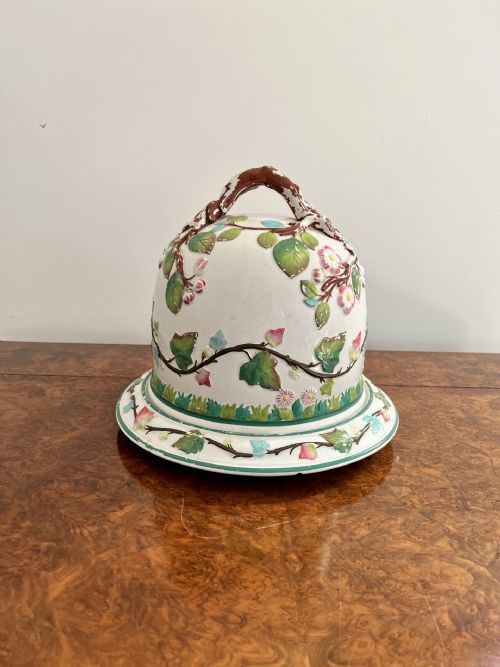
Majolica pieces feature bright, glossy lead glazes with naturalistic decorations such as apple blossoms or basket weave textures.
They date primarily from the Victorian era and often display rich green, brown, and pink tones.
Can I still use an antique cheese dish?
These sturdy earthenware and ironstone pieces remain entirely functional for serving cheese at room temperature today.
Hand washing is recommended to preserve the nineteenth-century glazes and any delicate hand-coloured details.