




Antique Ceramic Censer
An antique ceramic censer brings centuries of ritual form and exquisite glaze into a modern interior.
Antique Ceramic Censer
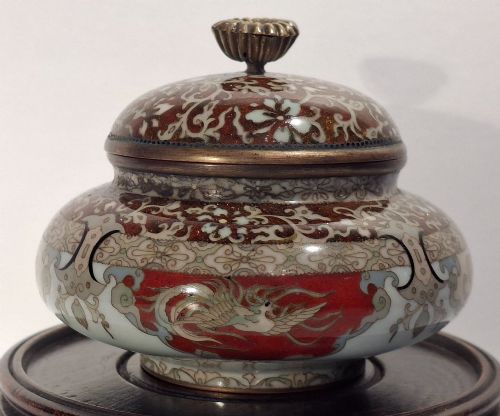
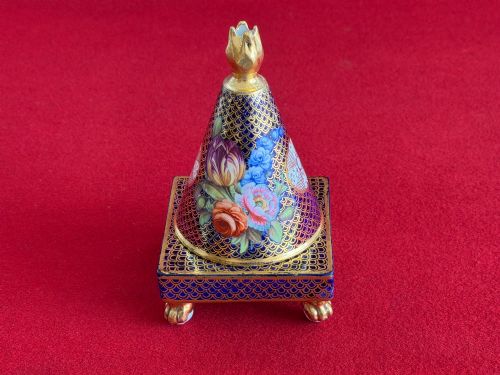
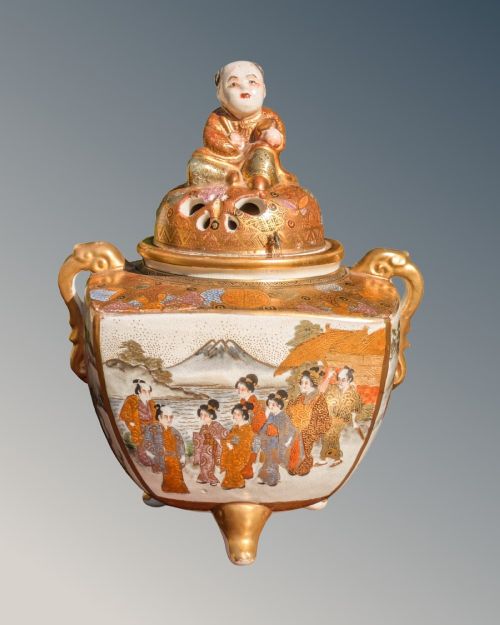
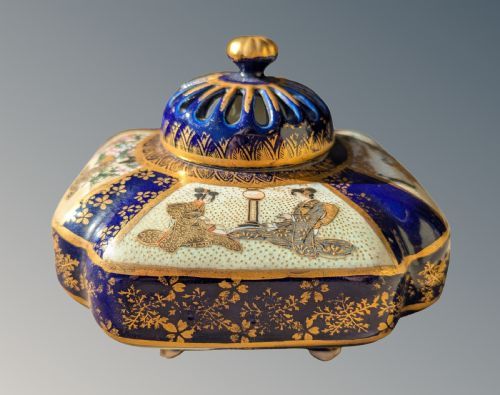
When you search for an antique ceramic censer, you encounter incense burners, holders, and pastille burners created for Eastern and Western domestic ritual. The pieces listed on this page span the Ming, Qing, Edo, and Meiji periods alongside Regency and Edwardian European ceramics.
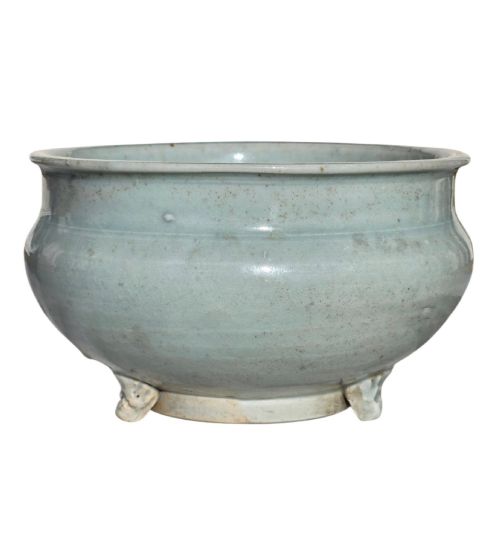
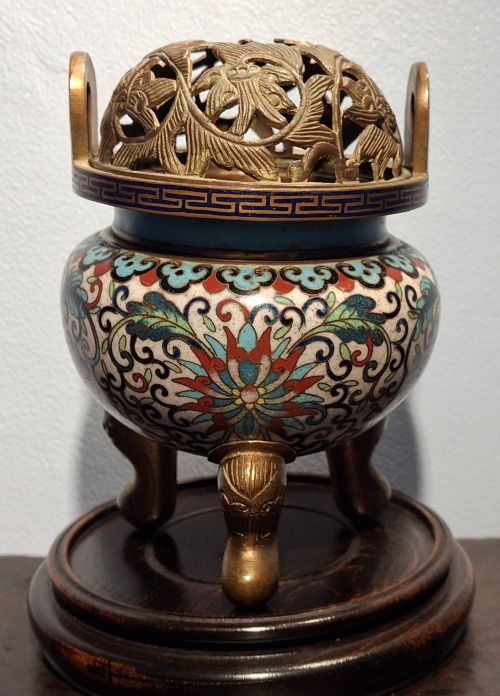
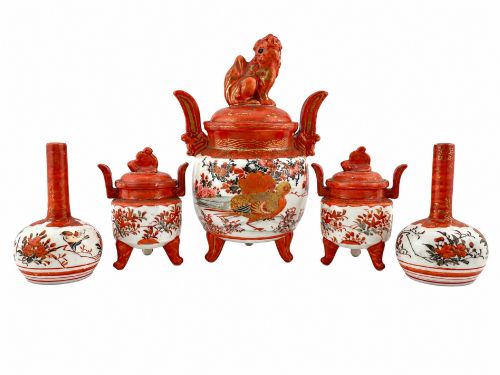
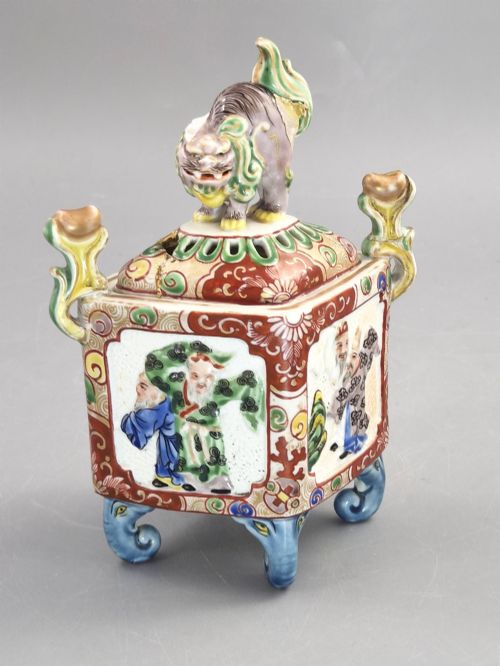
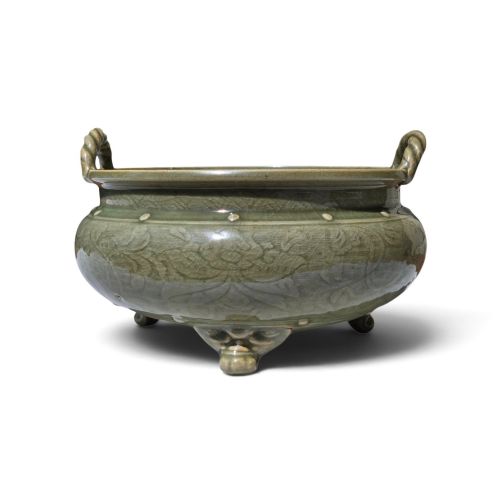
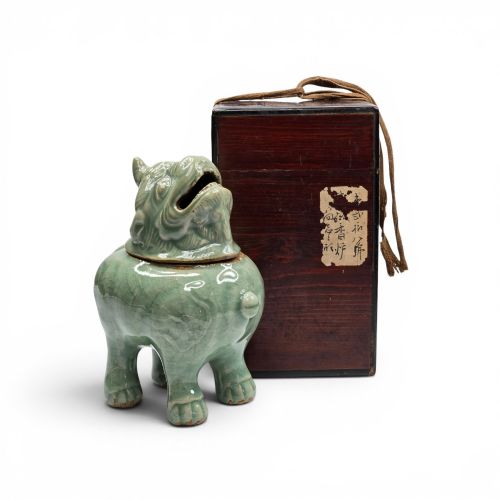
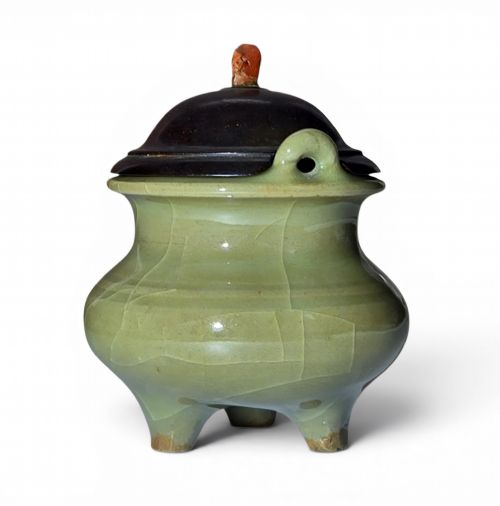
The most common forms on this page are Japanese koro and Chinese tripod vessels, often potted with animal feet, sculpted finials, and matching covers. Collectors meet forms ranging from miniature vessels to monumental celadon and Imari examples.
Originating from major ceramic centres including Arita, Satsuma, Kyoto, and Dehua, these vessels demonstrate centuries of specialised kiln traditions. Each piece reflects the specific functional requirements of burning incense resin, wood, or pastilles.
Materials and Techniques
Potters shaped these vessels using porcelain, earthenware, and celadon-glazed stoneware, applying lead, alkaline, or feldspathic glazes before high-temperature firing. Artisans frequently enhanced the ceramic body with surface gilding, gold leaf, and polychrome enamel decoration.
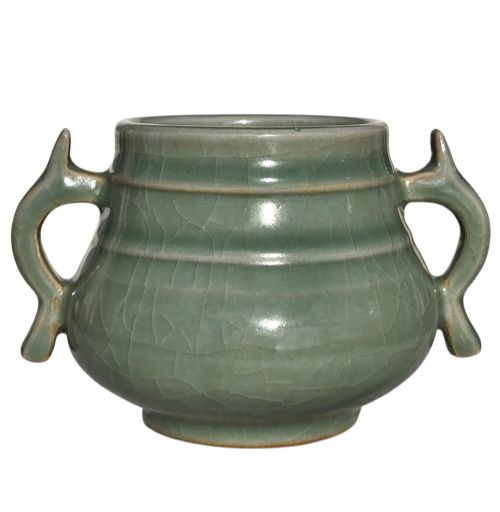
Specialised hand-forming techniques produced intricate reticulated walls, sculpted dragon motifs, and modelled figures such as shi-shi lions, elephant heads, and laughing boys. Kiln operators controlled reduction and oxidation atmospheres to achieve specific colourations like the characteristic green hues of Longquan celadon and the creamy tones of Dehua blanc de chine.
Several censers double as floating treasure ships or feature laughing boys, proving that historical ritual objects did not take themselves too seriously.
Distinctions in Quality
Quality rests upon the precision of the potting, the control of the glaze consistency, and the crispness of modelled or painted details. Finer pieces display balanced proportions, deliberate weight, and harmonious integration between the vessel body, feet, and covers.
The distinction between standard production and masterwork output appears in the finesse of hand-carved elements, such as reticulated dragons and sculpted finials. Signed workshop pieces and marked imperial wares demonstrate superior technical execution and artistic ambition.
Kinkozan·Kotobuki do·Kizan·Shizan·Chamberlain Worcester
The Antique Ceramic Censer Glossary
- Koro
- A traditional Japanese incense burner, typically fitted with a cover and supported on legs. These vessels form a significant portion of East Asian ceramic offerings.
- Celadon
- A type of transparent green glaze applied to stoneware or porcelain, originating in China. The glaze creates subtle jade-like tones over carved or plain surfaces.
- Blanc de Chine
- A white porcelain produced at Dehua in Fujian province, China, known for its ivory or milk-white glaze. It translates literally from French as white from China.
- Tripod
- A vessel supported by three feet, commonly seen on archaic-inspired censers. This structural form ensures stability on flat surfaces during ritual use.
- Pastille Burner
- A small ceramic container designed to burn scented paste or cones, popular in European interiors during the Regency period. They often feature pierced covers to release fragrance.
Antique Ceramic Censer: Frequently Asked Questions
What is an antique ceramic censer used for?
These vessels were historically utilised for burning aromatic incense resins, woods, and pastilles during domestic prayer, meditation, or social gatherings.
Today, they serve primarily as decorative objects of contemplation, retaining their original scent-diffusing function for collectors who enjoy historical fragrance practices.
How do I distinguish Chinese from Japanese censers?
Chinese pieces on this page often follow historical dynasties, utilising monochrome celadon or blanc de chine glazes with archaic tripod forms. Ming and Qing examples emphasise subtle form and glaze purity.
Japanese pieces frequently belong to the Meiji period, displaying Satsuma earthenware, Kutani porcelain, or Imari palettes. They often incorporate narrative enamel painting and distinct animal motifs like the shi-shi lion.
Were all of these pieces meant to hold incense?
Most items listed function as incense burners, incense holders, or pastille burners designed specifically to manage smoke and heat. A small number of related vessels include decorative bowls and tripod bowls shaped in the traditional censer silhouette.
Even without burning incense, the presence of pierced covers and heat-resistant ceramic feet reveals their primary design purpose.
How should I clean an antique ceramic censer?
Dusting gently with a soft, dry brush is generally sufficient to maintain glazed ceramic surfaces and delicate enamel or gilt details. Avoid submerging antique pieces with gold leaf or vulnerable enamelwork in water.
If the interior retains historical soot or residue from burning incense, wipe it carefully with a barely damp cloth without harsh chemical cleaning agents.