
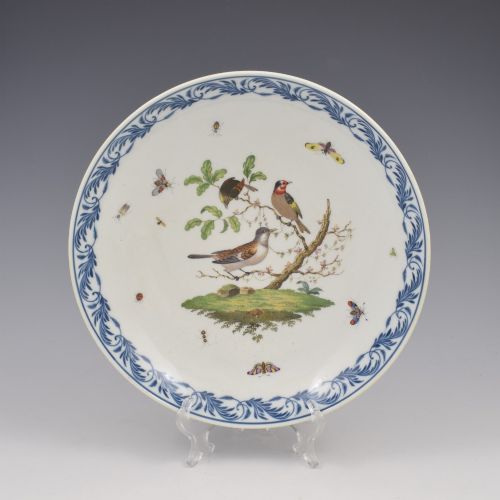
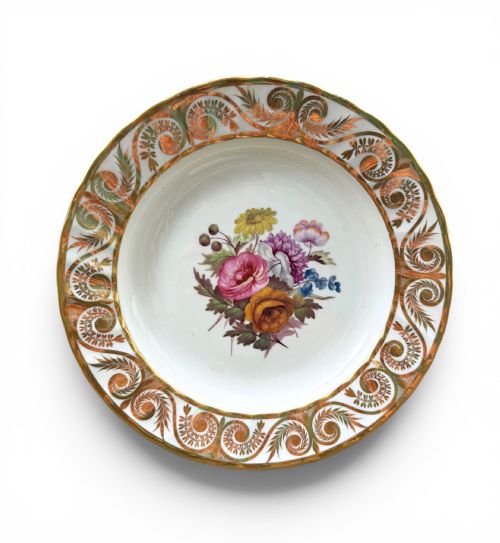
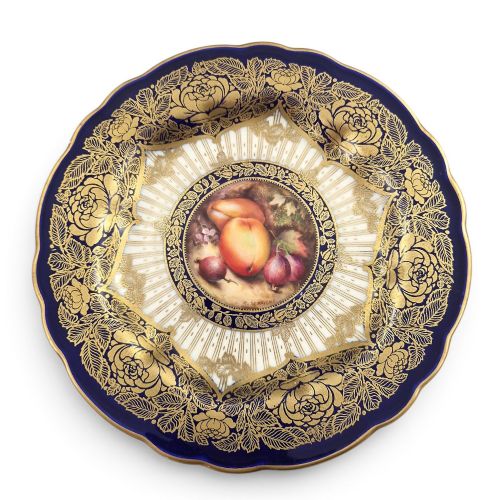
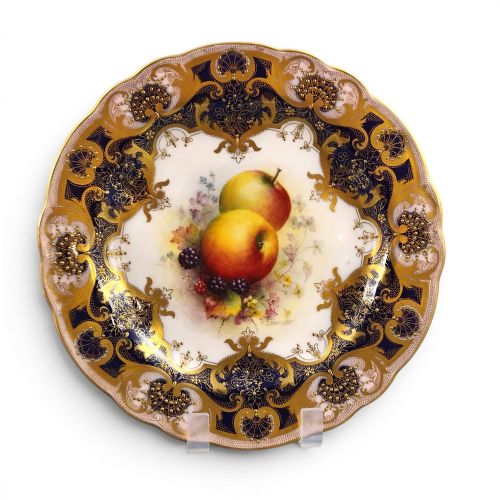
Antique Ceramic Cabinet Dish
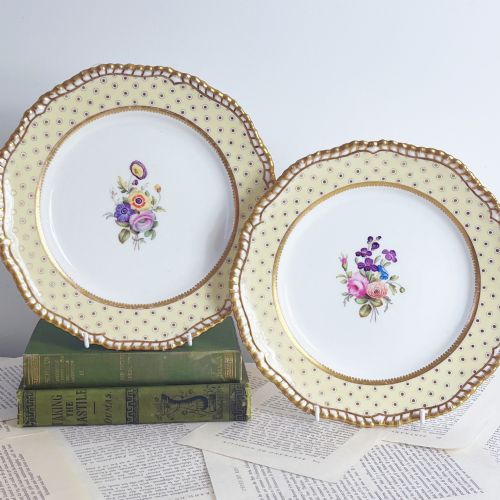
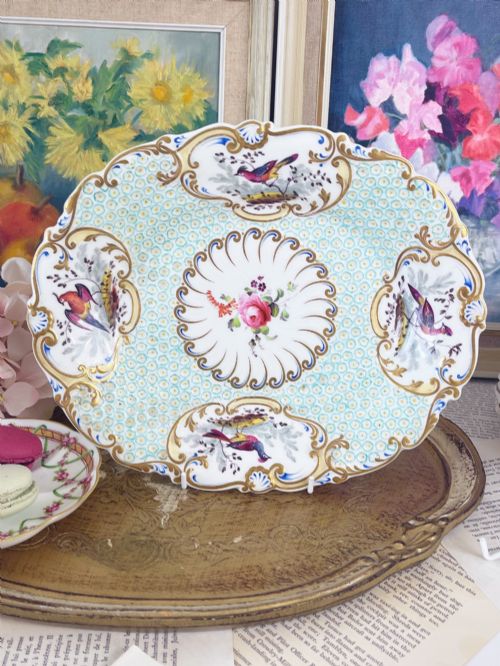
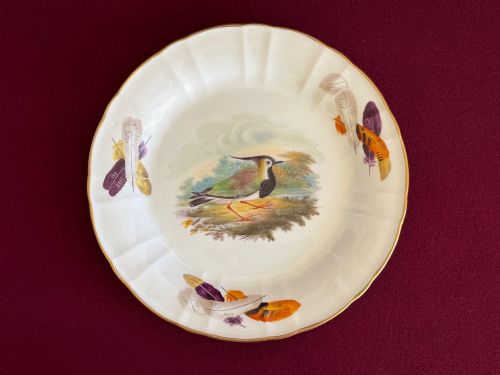
An antique ceramic cabinet dish sits as a small display piece, made to hold the eye on a shelf or sideboard rather than serve food.
Antique Ceramic Cabinet Dish
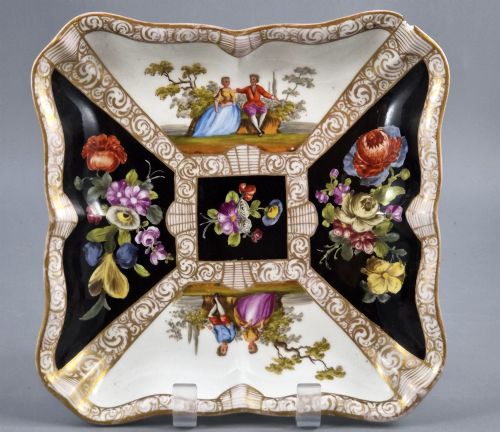
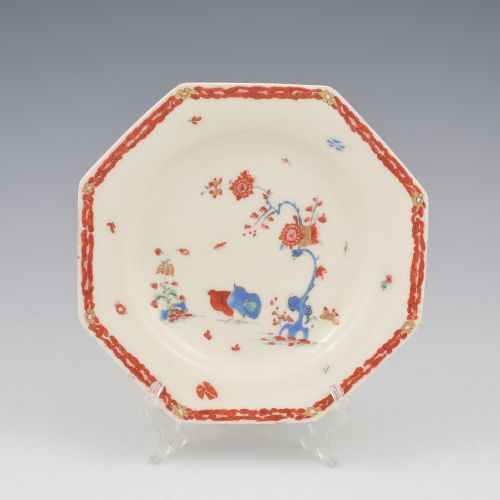
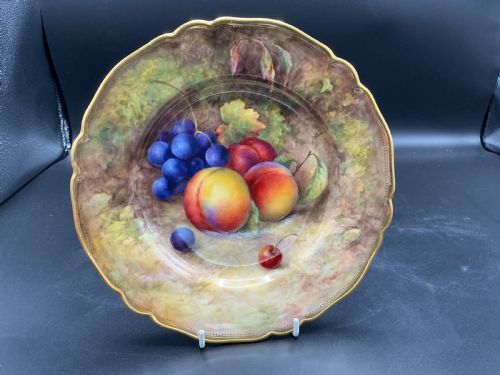
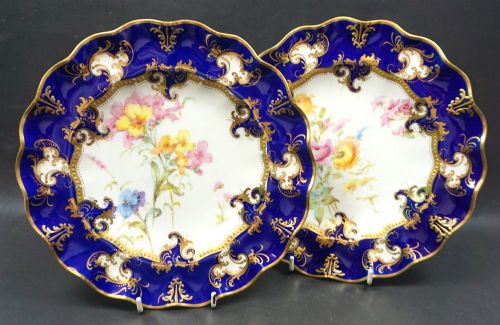
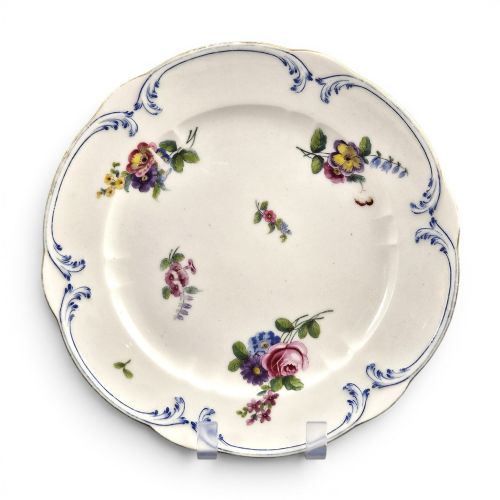
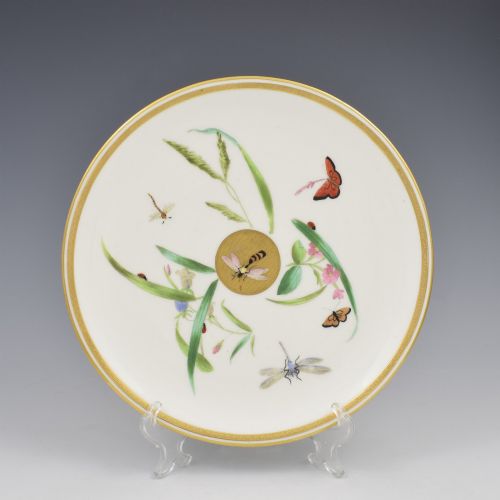
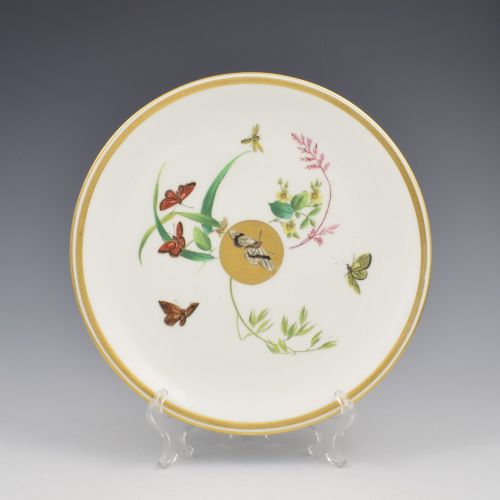
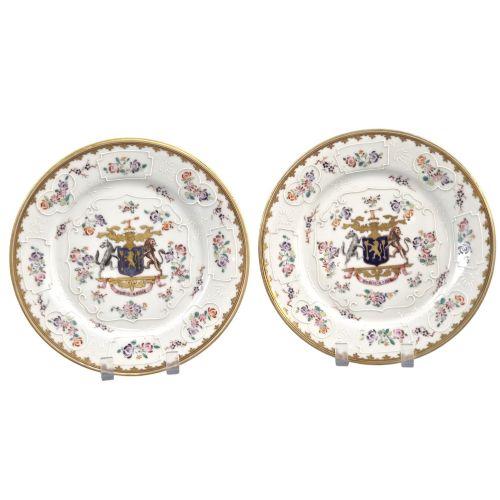
An antique ceramic cabinet dish encompasses decorative plates, plaques, and dessert services made primarily for display rather than dining use. These pieces surface across eighteenth-century, nineteenth-century, and early twentieth-century periods, spanning Georgian, Victorian, Regency, and Aesthetic Movement styles.
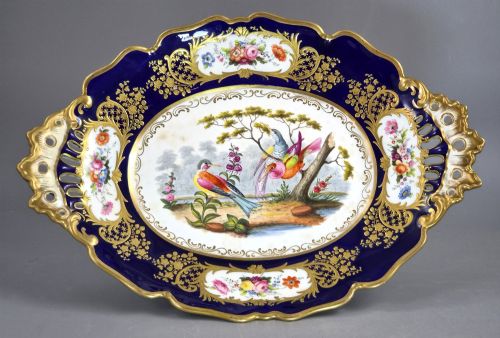
The forms vary from octagonal plates and square dishes to oval serving shapes and reticulated rims. Originating from English potteries like Worcester, Derby, and Minton, as well as European factories such as Meissen and Sèvres, they showcase ornamental subjects rather than utilitarian design.
Materials and Techniques
Makers utilised porcelain, bone china, soft-paste porcelain, and ironstone as the primary ceramic bodies for these cabinet pieces. Artisans shaped these materials into plates and dishes before applying hand-painted motifs, enamel colours, and cobalt blue underglaze.
Gilding, gold leaf, and raised enamel work frequently complete the surface decoration. Kiln firing fixed these intricate botanical, ornithological, and armorial scenes onto the glaze.
Evaluating Quality
Quality rests upon the skill of the hand-painted execution, distinguishing factory-printed patterns from individual artistic brushwork by named painters. The precision of botanical studies, exotic birds, or figural scenes separates ordinary production from works by master decorators.
The complexity of the ceramic form itself, such as reticulated pierced borders or unusual octagonal and square shapes, dictates the level of craftsmanship involved. The richness and preservation of the gilding and enamel colours further separate standard items from finer examples.
Spode·H & R Daniel·Wedgwood·Coalport·Meissen·Bow·Royal Worcester·Royal Crown Derby·Derby·Sèvres·Minton·Edmé Samson & Cie·Royal Doulton·John Davenport of Longport·Copeland Pottery·Cauldon Ltd·Doe & Rogers·John Ridgway·Barr Flight and Barr·James Rouse Jnr·Furstenberg·Pucher Deroche·Chamberlain's Porcelain·Flight Barr & Barr
The Antique Ceramic Cabinet Dish Glossary
- Cabinet plate
- A decorative ceramic plate intended for display in a cabinet or on a wall rather than for table service.
- Reticulated plate
- A plate featuring an openwork or pierced lattice border created in the clay before firing.
- Soft-paste porcelain
- An artificial porcelain mixture fired at lower temperatures than hard paste, common in eighteenth-century French and English factories.
- Imari pattern
- A decorative style inspired by Japanese export wares, utilising a palette of cobalt blue, iron red, and gilt.
- Ironstone
- A durable heavy earthenware ceramic body developed in the nineteenth century as a robust alternative to porcelain.
Antique Ceramic Cabinet Dish: Frequently Asked Questions
What is a cabinet dish?
A cabinet dish is an ornamental ceramic plate or plaque produced specifically for visual display rather than everyday dining use. These pieces often feature elaborate painted scenes, gilding, or shaped borders suited for placement on a sideboard or wall.
Such items highlight the artistic capabilities of historic porcelain manufactories and individual painters. They function entirely as decorative art objects within a room.
How were cabinet dishes displayed?
Historic interiors utilised dedicated display cabinets, wall brackets, and plate rails to showcase fine porcelain dishes safely away from daily wear. Wealthy households arranged them in groups to demonstrate taste and appreciation for painted ceramics.
Modern placement follows similar principles, using specialised stands on flat surfaces or secure wall mountings. This keeps the painted surfaces visible while protecting the edges from impact.
How do I identify the period?
Dating relies upon factory marks stamped, painted, or impressed on the reverse of the ceramic body, alongside stylistic clues. Pattern numbers, painter signatures, and changes in porcelain composition provide firm chronological markers.
Stylistic shifts also indicate eras, moving from neoclassical botanical designs of the Georgian period to vibrant Aesthetic Movement motifs or ornate Victorian gilding. Comparing known factory ciphers helps confirm the exact decade of manufacture.
Are these dishes safe to use?
Historic cabinet dishes are intended for collection and display rather than culinary use. Enamels, gold leaf, and soft-paste porcelain bodies degrade under modern washing conditions and food acids.
Handwashing without soaking preserves the fragile overglaze painting and nineteenth-century gilding. Treating them as works of art ensures their long-term preservation.