

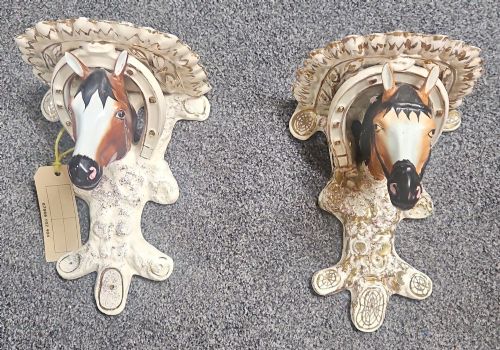


Antique Ceramic Brackets
These antique ceramic brackets bring sculptural shelf space and candle power to a wall, blending functional support with period ornament.
Antique Ceramic Brackets
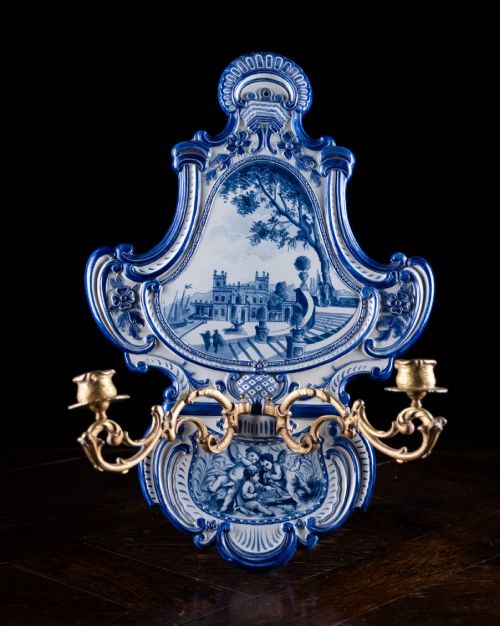
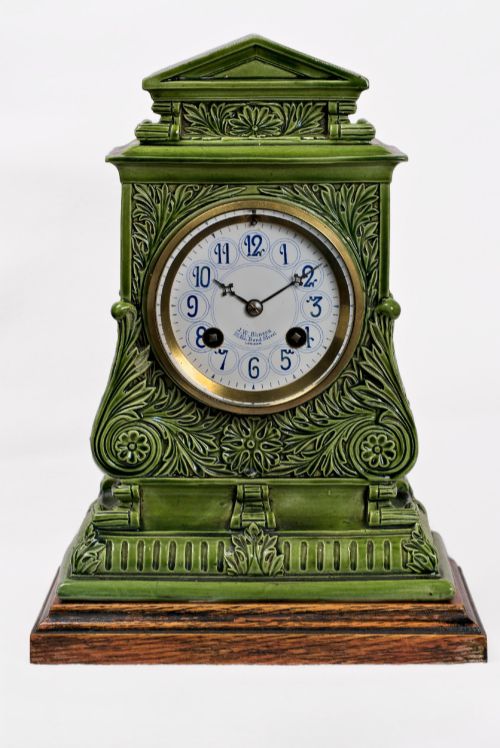
When you search for antique ceramic brackets, you are looking at decorative wall shelves, corbels and candle sconces shaped from fired clay. They served primarily to hold small ornaments, clocks or tapers, projecting outward from the plaster to catch the eye.
The versions you are most likely to meet on this page span the Victorian era through to the early twentieth century. They draw on Rococo Revival, Aesthetic Movement, and Chinoiserie styles, often rendered in glazed porcelain or earthenware.
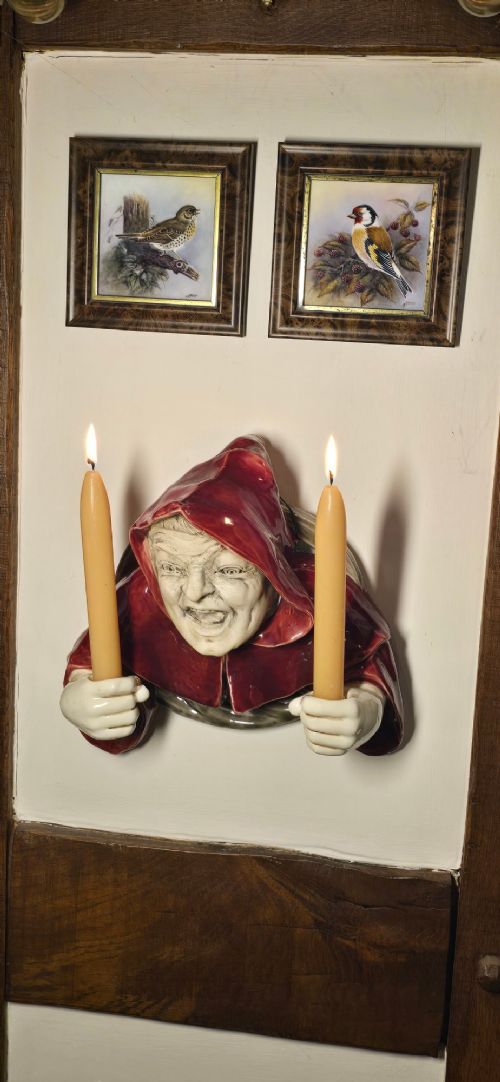
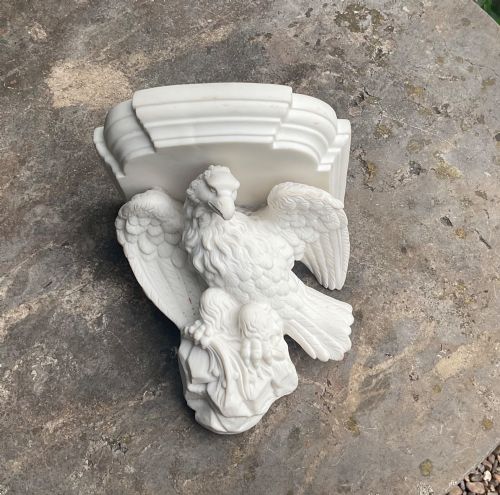
Makers shaped these architectural fittings into winged birds, cherubs, and human figures like pottery monks. Some examples arrive as matched pairs designed to frame a mirror or a central painting.
How they were made
Potters shaped these pieces using porcelain and earthenware, firing the clay before applying rich glazes and hand-painted pigments. Many incorporate brass, ormolu, or gilt bronze mounts that frame the ceramic body and provide structural hanging points.
Surface decoration frequently relies on applied gilding and glossy glaze work to catch the light. Skilled artisans combined moulded ceramic forms with metal fixtures to create sturdy wall supports that doubled as ornamental art.
Antique Ceramic Brackets Retail Price Guide 2026
Typical asking prices for ceramic brackets among the pieces listed under this phrase on Sellingantiques today, from the lower quarter to the upper quarter. They describe what is for sale here now, not the wider market.
A pottery monk peers out from one wall hanging candelabra, keeping a steadfast vigil over the room.
What varies in quality
The distinction between standard production pieces and superior work lies in the crispness of the moulding and the hand-painting. Fine examples display delicate facial expressions on figures and precise detailing in the feathers or drapery.
Integration with metal mounts also dictates overall merit. Superior brackets feature heavy, fire-gilt or brass mounts that fit the ceramic contours seamlessly rather than loose or poorly cast metal additions.
Meissen·Minton·Von Schierholz
The Antique Ceramic Brackets Glossary
- Corbel
- A structural piece of stone, wood, or ceramic projecting from a wall to carry a weight. In this context, it functions as a decorative wall bracket or shelf.
- Majolica
- A type of earthenware glazed with tin enamel and painted with colourful metal oxide colours. It produces a rich, glossy surface popular in nineteenth-century decorative wares.
- Ormolu
- Gilded bronze applied to furniture, clocks, and ceramic mounts. The technique creates a bright golden finish that complements porcelain bodies.
- Parian
- A fine-grained white porcelain resembling marble, developed in the nineteenth century. It is frequently utilised for sculptural figures and unglazed wall brackets.
- Rococo Revival
- A nineteenth-century design style reviving the asymmetrical scrolls, C-curves, and natural motifs of the eighteenth-century French movement.
Antique Ceramic Brackets: Frequently Asked Questions
How were antique ceramic brackets mounted to the wall?
Most pieces incorporate integrated metal hanging loops, screw holes through the ceramic backplate, or metal ormolu frames fitted with wall brackets. These mounts allowed the heavy ceramic objects to bear the weight of displayed clocks or ornaments safely.
Installers typically utilised sturdy wall anchors suited to the plaster or masonry of nineteenth-century rooms to ensure the protruding shelf remained stable.
What items did people place on these wall brackets?
Homeowners used these shelves to display small ornamental items, pocket watches, portrait miniatures, or matched pairs of candlesticks. They brought decorative focus to empty wall spaces and created elevated display areas in parlours and boudoirs.
Larger versions were strong enough to support bracket clocks or serve as sconces for burning candles and tapers safely away from wall hangings.
How do I identify a Victorian ceramic bracket?
Victorian examples often display characteristic period styles such as heavy Rococo Revival scrollwork, Aesthetic Movement symmetry, or vibrant majolica glazes. The underlying ceramic material is typically dense earthenware or porcelain marked by nineteenth-century manufacturing techniques.
Examining the reverse side and any metal mounts helps confirm the period through the casting style and ageing of the brass or gilt bronze elements.
Are these brackets sold as single pieces or pairs?
You will find both individual brackets and matching pairs listed on the market. Pairs were originally manufactured to flank a central mirror, painting, or mantelpiece for balanced interior decoration.
Single brackets often survive when their counterpart was damaged or separated over time, functioning well as standalone feature pieces on narrower wall sections.