
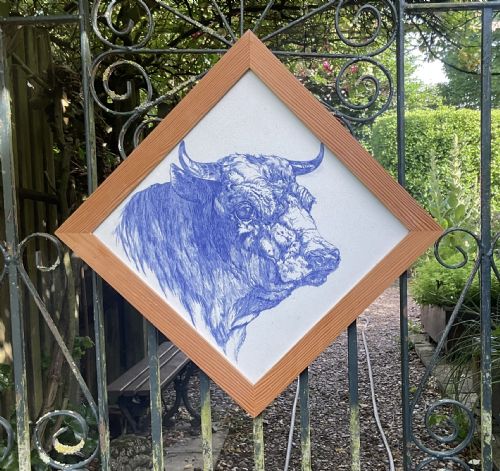


Antique Ceramic Art Tile
These antique ceramic art tile pieces bring rich historic glaze and modelled design directly to your walls and furniture.
Antique Ceramic Art Tile
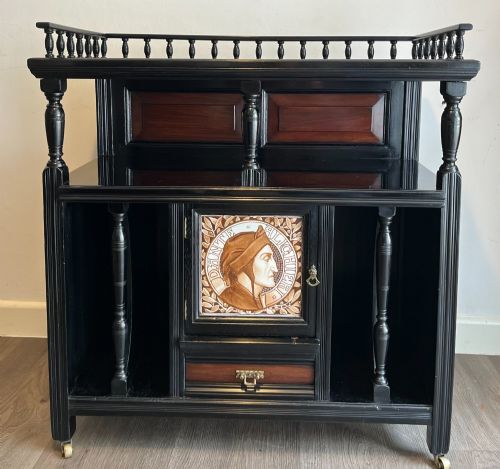
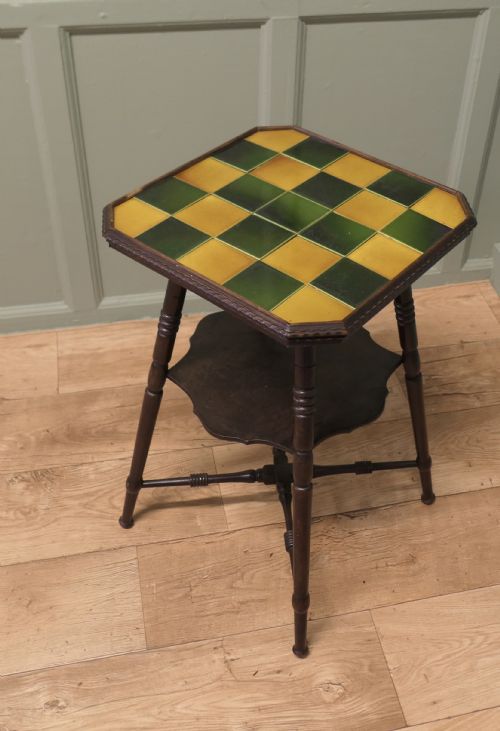
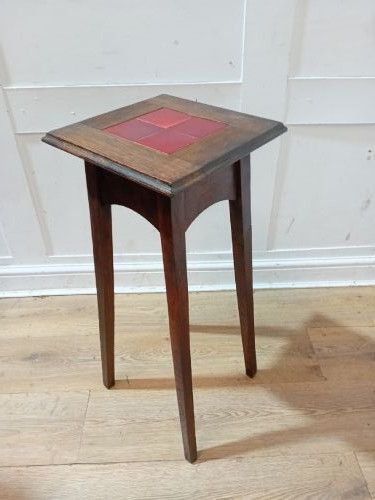
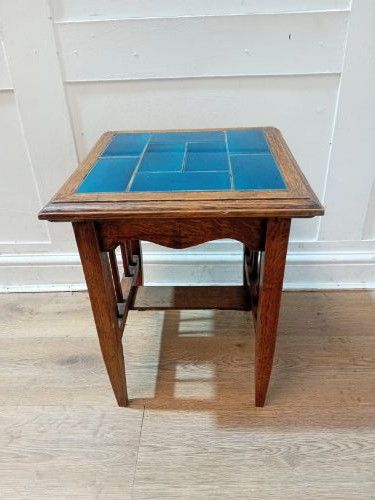
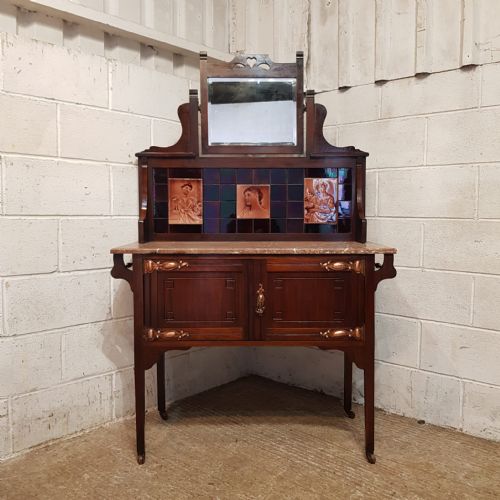
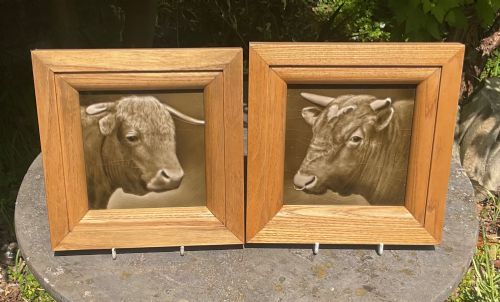
When you search for an antique ceramic art tile, you encounter individual glazed earthenware panels alongside larger framed wall plaques, mounted trivets, and entire surfaces set into oak or mahogany tables and cabinets. These works emerge predominantly from the nineteenth and early twentieth centuries, spanning Victorian, Edwardian, and Arts and Crafts movements.
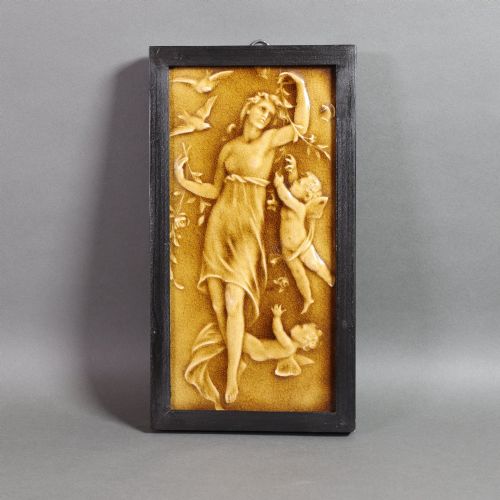
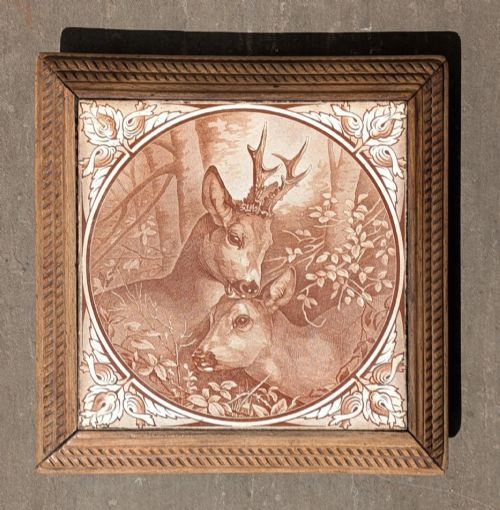
You are most likely to meet single framed specimens or tiled furniture tops featuring floral motifs, animal figures, and classical or semi-nude maiden scenes. The selection ranges from British architectural pottery to French folk art and Dutch polychrome traditions.
How they were made
Makers shaped these pieces primarily from earthenware and porcelain bodies, applying liquid glazes to achieve rich turquoise, polychrome, or monochrome surfaces. Many designs utilise relief moulding to create depth in figures and foliage before final kiln firing.
Listings feature ceramics spanning the eighteenth to the twentieth centuries, including pieces from the Victorian, Edwardian, and Arts and Crafts periods.
What varies in quality
The standard of modelling and glaze depth separates standard production wares from exceptional studio pieces. Superior examples display crisp relief work and complex, vibrant colour application that retain their visual impact across the surface.
Design attribution and artistic ambition also dictate the standing of a piece. Works associated with notable potters or specific artistic movements command greater attention through their inventive compositions and careful execution.
Sherwin & Cotton·Mintons·William de Morgan·Longwy·KPM·Bavent·Architectural Pottery Co
The Antique Ceramic Art Tile Glossary
- Earthenware
- Porous pottery fired at lower temperatures, commonly used for nineteenth-century decorative tiles and wall plaques.
- Glaze
- A vitreous layer fused to the ceramic body through firing, providing colour, shine, and protection to the tile surface.
- Relief
- Sculptural projection from a flat background, frequently utilised on Arts and Crafts tiles to emphasise figures and animals.
- Polychrome
- Decoration employing several colours painted onto the ceramic or glaze before or during the firing process.
- Architectural pottery
- Earthenware produced specifically for buildings and interior schemes, encompassing decorative wall tiles and panels.
Antique Ceramic Art Tile: Frequently Asked Questions
How were antique tiles used originally?
These ceramic pieces served both decorative and functional roles in historic interiors. Many functioned as architectural wall plaques, while others were built directly into furniture such as washstands, side tables, and hall chairs.
Some specimens acted as heat-resistant trivets or butcher shop displays. Their dual utility made them popular across domestic and commercial spaces throughout the Victorian and Edwardian periods.
How do I display a framed tile safely?
Framed ceramic panels require sturdy wall fixings due to the combined weight of the earthenware tile and its wooden or metal housing. Ensure the hanging wire and wall hooks match the heft of the specific piece.
Keep mounted tiles away from areas of high humidity or direct sunlight to protect both the ceramic glaze and any wooden framing from environmental degradation.
What is the difference between a plaque and a tile?
Wall plaques were conceived primarily as standalone art pieces intended for display on a wall, often depicting complex narrative scenes or portraits. Tiles generally served as modular units for integration into walls, fireplaces, or furniture surfaces.
Despite this distinction, many decorative tiles crossed into the realm of art plaques through fine framing and artistic execution by notable potteries.