



Antique Centrepiece Tray
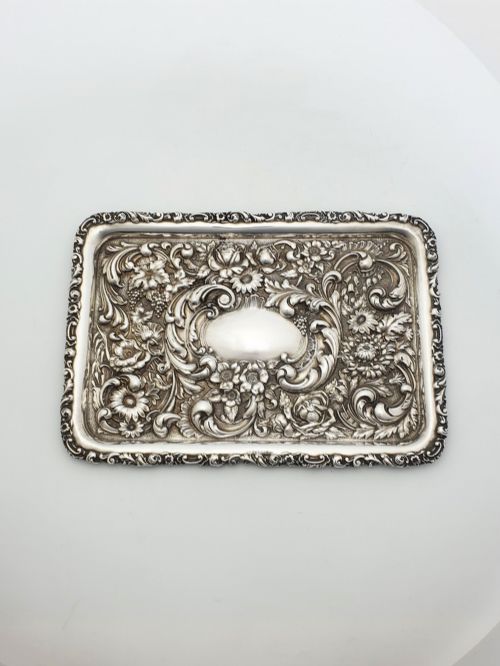
An antique centrepiece tray anchors a dining table or sideboard, offering a functional stage for display and serving that collectors prize for craftsmanship.
Antique Centrepiece Tray
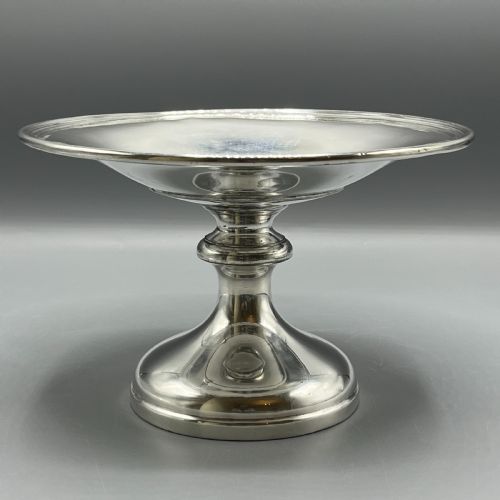
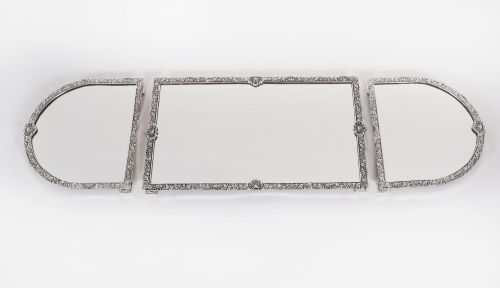
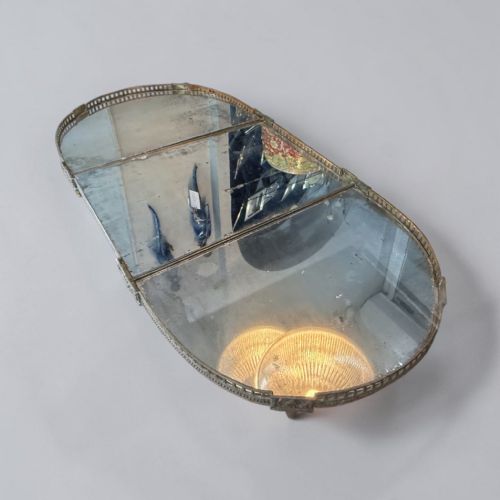
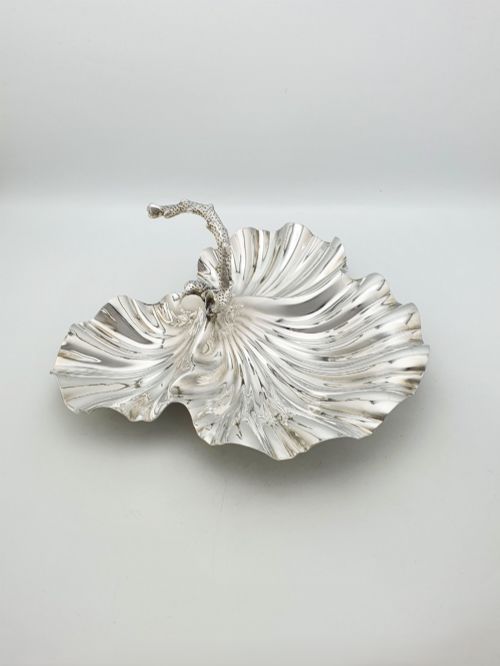
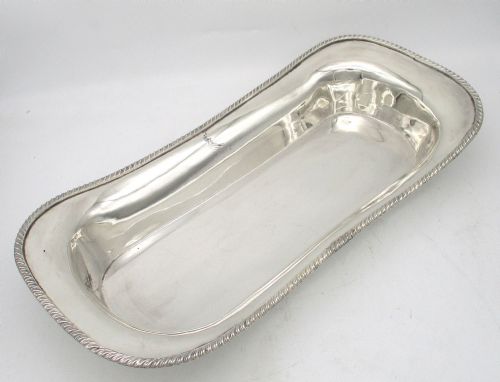
The search for an antique centrepiece tray reveals a diverse collection of serving dishes, decorative bowls, lazy susans, and mirrored table plateaus spanning the Georgian, Victorian, and Edwardian eras. These pieces originate from English, French, and German workshops, utilising forms designed to hold fruit, bread, or decorative porcelain on the dining table.
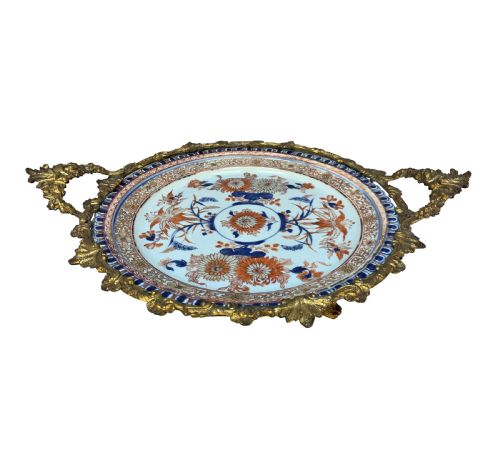
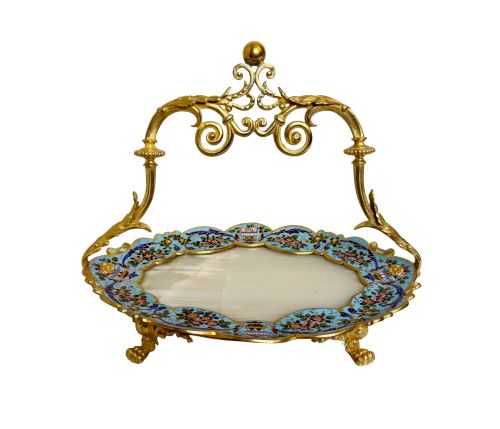
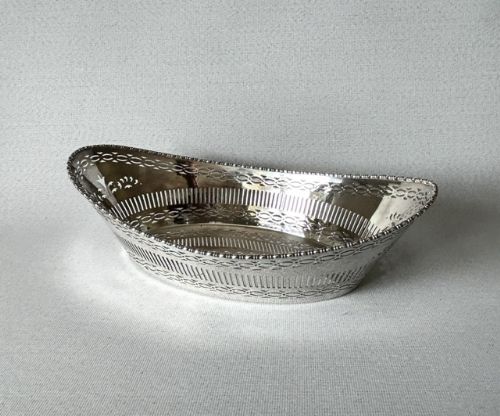
Mirrored plateaus and revolving mahogany lazy susans feature prominently among the selections, alongside intricate silver-plated baskets and porcelain dishes mounted in ormolu. Buyers encounter everything from simple rotating wooden dining aids to elaborate French silver-plated surtouts de table designed for formal entertaining.
The assortment includes domestic serving pieces in sterling silver and silver plate, as well as continental works incorporating champlevé enamel, onyx, and hand-painted porcelain. Each form reflects the dining customs of its period, prioritising visual symmetry and communal hospitality.
How They Were Made
Metal pieces rely on traditional silversmithing techniques, including sterling silver fabrication, silver plating over base metals, and cast ormolu mounts with champlevé enamel detailing. Repoussé decoration appears frequently on trays and baskets, created by hammering designs from the reverse side to produce raised floral and scroll motifs.
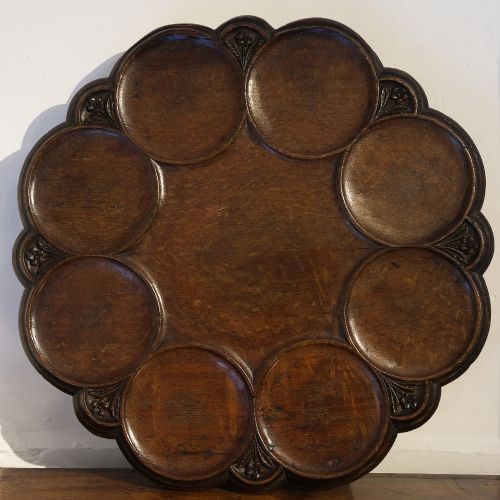
Wooden items, particularly mahogany lazy susans and cheese coasters, involve traditional cabinet-making methods with turned timber and integrated rotating mechanisms. Ceramics and glass incorporate hand-painted floral sprays, gilt edges, cut glass patterns, and porcelain bodies sourced from factories like Sevres and Worcester.
Some nineteenth-century French mirrors came with hidden velvet undersides to prevent aristocratic dining tables from acquiring the slightest scratch.
What Varies in Quality
The distinction between standard production and superior craftsmanship lies in the crispness of the chasing, the weight of the metal or timber, and the integrity of any mirrored or enamelled surfaces. Finer items exhibit precise hand-engraving and secure structural assembly, whereas simpler examples display more mechanical or repetitive decoration.
Material composition significantly alters the grade of a piece, separating solid sterling silver or fire-gilt bronze from standard silver plate or base white metal. Furthermore, the prominence of the maker and the preservation of original patination on wood or gilding dictate the standing of an individual item within its category.
Mappin & Webb·Walker & Hall·John Hunt·Liberty & Co·WMF·Ferdinand Preiss·Martin Hall·John Walton·Brille
The Antique Centrepiece Tray Glossary
- Surtout de table
- A large decorative plateau or tray placed in the centre of a dining table, often mirrored and fitted with mounts to hold porcelain or silver dishes.
- Champlevé
- An enamelling technique where troughs or cells are hollowed out of a metal surface and filled with vitreous enamel before firing.
- Repoussé
- A metalworking technique where the artisan hammers the metal from the reverse side to form a raised design in relief on the front.
- Lazy Susan
- A revolving circular tray placed on a table or countertop to assist in moving food easily between diners.
- Ormolu
- Gilded bronze, commonly utilised for mounts, decorative feet, and handles on nineteenth-century trays and decorative dishes.
Antique Centrepiece Tray: Frequently Asked Questions
What is a table plateau used for?
A table plateau acts as a decorative base in the middle of a dining surface, frequently featuring a mirrored glass centre.
Historically, hosts used these trays to reflect candlelight and elevate centrepieces such as silver baskets, porcelain bowls, or floral arrangements.
How do I clean antique silver plate?
Silver plate requires gentle cleaning with a specialised non-abrasive polish and a soft microfiber cloth to protect the thin silver layer.
Avoid aggressive scrubbing, harsh chemical dips, and ultrasonic cleaners that can strip the plating from the underlying base metal.
Are lazy susans Georgian or Victorian?
Revolving lazy susans originated in the Georgian period during the eighteenth century as wooden dining table accessories for shared condiments and dishes.
Production continued heavily through the Victorian and Edwardian eras, incorporating heavier carved mahogany timbers and occasionally mirrored upper surfaces.
Can I use these trays for serving food?
Many items, such as bread baskets, fruit bowls, and serving dishes, were originally designed to present food directly at the table.
Silver-plated and sterling pieces remain suitable for dry foodstuffs, while items with mirrored bases or delicate enamel work function better for display.