




Antique Castle Artwork
Antique castle artwork captures the enduring romanticism of historic fortresses through period paintings and watercolours.
Antique Castle Artwork
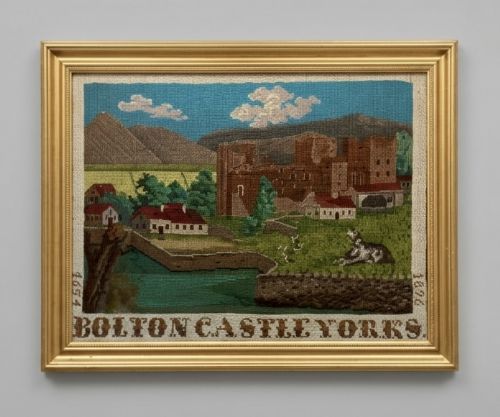
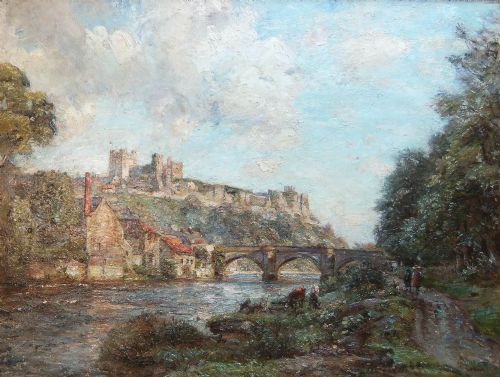
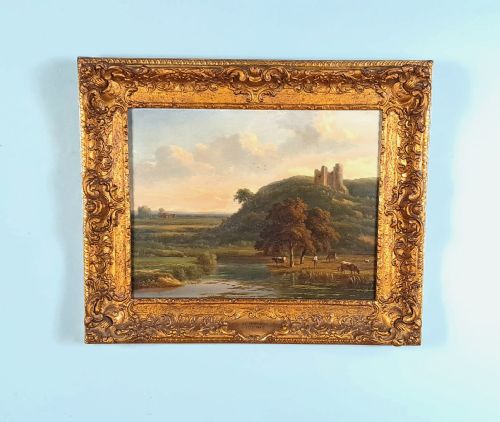
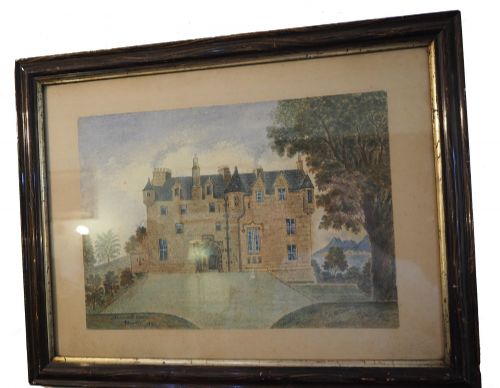
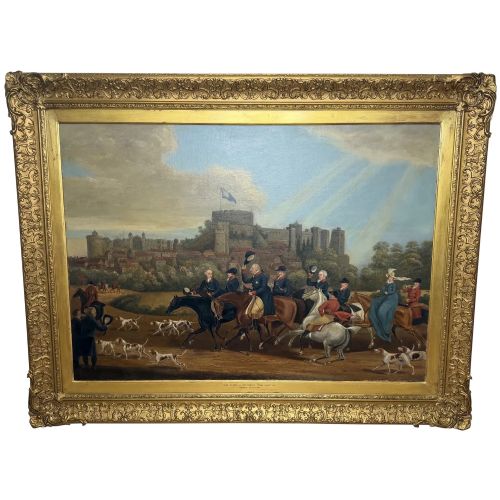
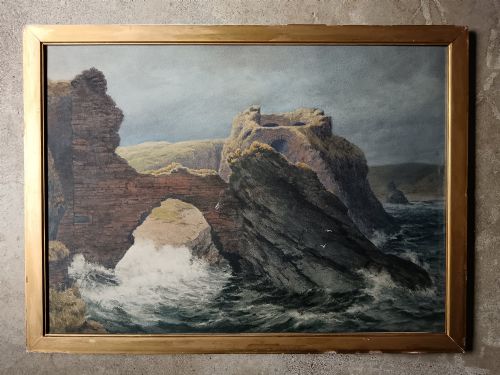
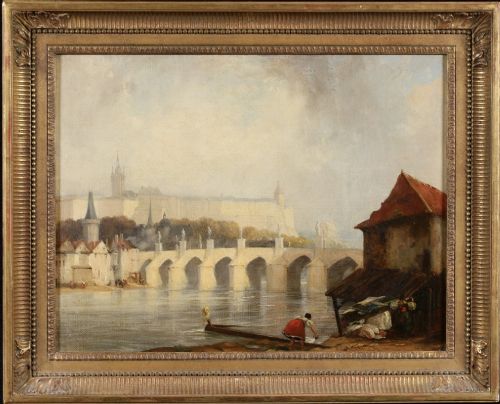
Antique castle artwork comprises historical paintings and watercolours depicting British and European fortresses, ruins, and royal residences. These pieces span the eighteenth, nineteenth, and early twentieth centuries, capturing architectural landmarks from Windsor and Bamburgh to continental strongholds.
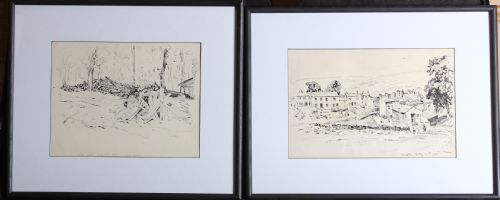
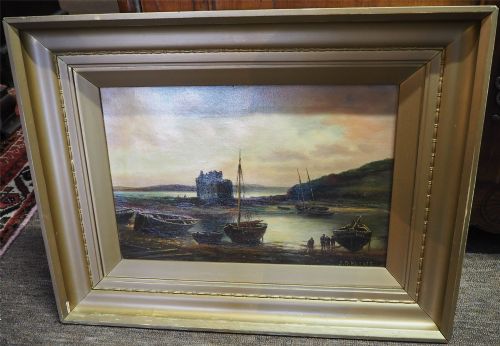
Buyers meet diverse artistic interpretations ranging from detailed topographical watercolours to expansive romantic oil canvases. Many works document specific sites along rivers and coastlines, often framed within Victorian or Georgian aesthetics.
How they were made
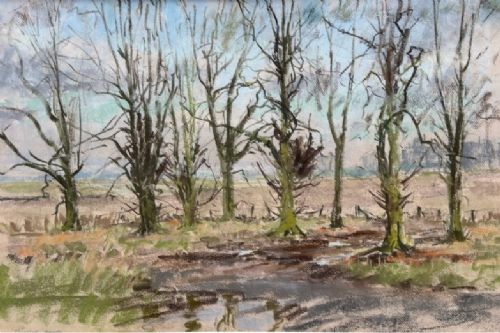
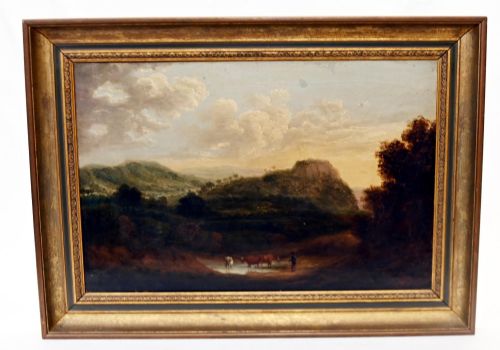
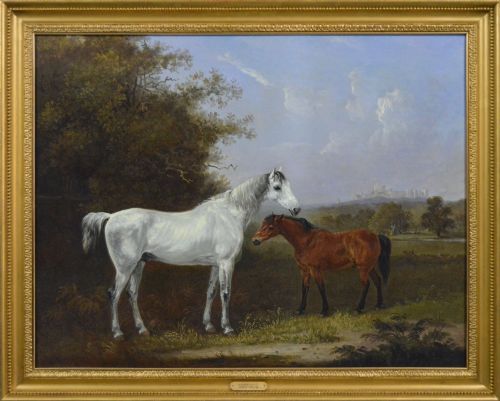
Artists employed traditional mediums including oil on canvas, oil on wood panel, and delicate watercolour pigments applied to paper. Canvases received layers of oil paint to build depth in landscape skies and architectural masonry, whilst watercolours utilised washes to capture light on rivers and stone walls.
Antique Castle Artwork Retail Price Guide 2026
Typical asking prices for castle artwork among the pieces listed under this phrase on Sellingantiques today, from the lower quarter to the upper quarter. They describe what is for sale here now, not the wider market.
Mediums recorded across the collection include traditional oil on canvas, wood panels, delicate watercolours, and textured slate.
What varies in quality
Quality rests upon the artist's ability to render architectural perspective accurately while maintaining atmospheric depth in the surrounding landscape. Skilled brushwork distinguishes expressive representations of castle ruins from rigid topographical illustration.
The preservation of the original pigment and the integrity of the canvas or paper support define the piece's longevity. Original period framing further elevates the integrity of surviving works.
Edmund Bristow·Alfred Young Nutt·Angelo Maria Crivelli·Herbert Royle·Thomas Cooper Moore·James Orrock·David Cox Jnr·William Mellor·George Gregory·George Morland·Claude Thomas Stanfield Moore·Frank Wood·James Bell Anderson·Karl Herrle·William Wyld·John Moxon·Samuel Sidley·Thomas Whittle the Younger·George Lambert·Willie Stephenson·Frederick Tully Lott·William Edward Webb
The Antique Castle Artwork Glossary
- Watercolour pigment
- Finely ground colour particles mixed with a water-soluble binder, used on paper to create translucent washes of tone and light.
- Oil on canvas
- A traditional painting technique where oil-based paints are applied to a stretched woven fabric support, allowing rich blending and texture.
- Topographical art
- Artwork that meticulously records specific geographical locations and architectural structures with factual precision.
- Giltwood
- Wood carved and coated with a thin layer of gold leaf, commonly utilised for ornate nineteenth-century picture frames.
- Provenance
- The documented history of ownership that traces a work of art from its creation to the present day.
Antique Castle Artwork: Frequently Asked Questions
What subjects appear in castle artwork?
Paintings frequently depict famous British and European royal residences, coastal fortresses, and crumbling historic ruins set within pastoral or maritime landscapes. Artists often placed these stone structures alongside rivers, bridges, and local daily activities to provide a sense of scale and narrative context.
Views range from grand depictions of Windsor Castle to moody moonlight scenes over Scottish strongholds like Urquhart Castle. These diverse backdrops reflect changing artistic tastes across the Georgian, Victorian, and Edwardian periods.
How do I identify the period?
Dating relies heavily on stylistic conventions, framing materials, and the costume or vessel types included within the landscape composition. Victorian works often favour dramatic romanticism and detailed brushwork, whilst eighteenth-century pieces lean towards classical pastoral balance.
Inscriptions on the reverse of the canvas or frame frequently record the specific artist, location, and date of creation. Comparing the subject matter to known historical exhibitions helps narrow down the exact decade of execution.
Where were these pieces displayed?
Original owners typically hung large oil paintings in country house drawing rooms, libraries, and formal dining spaces to project status and cultural appreciation. Smaller watercolours were often chosen for more intimate domestic rooms or private studies.
Many of these works served as personal souvenirs of grand tours or domestic travels across Britain and Europe. Their framing was chosen to complement traditional period interior decoration.
How do I care for antique watercolours?
Paper and watercolour pigments require protection from direct sunlight to prevent fading and discolouration of the delicate painted surface. Maintaining stable indoor humidity levels prevents warping of the paper and deterioration of the original mount.
Displaying works away from moisture sources and damp exterior walls preserves both the paper and the surrounding historic frame. Professional framing using conservation-grade materials ensures the longevity of antique works on paper.