



Antique Cast Plaque
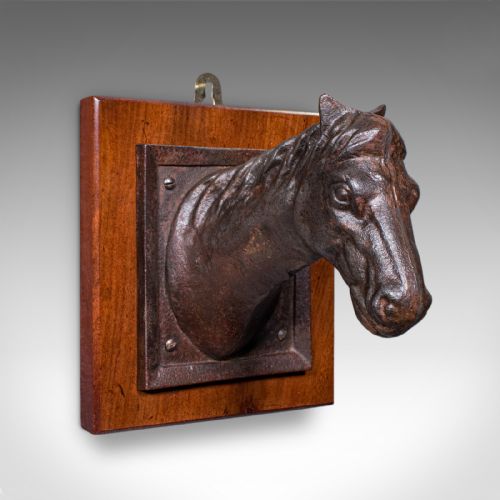
When you search for an antique cast plaque, you are looking at relief work cast in metal, plaster, or iron to record crests, portraits, and signs.
Antique Cast Plaque
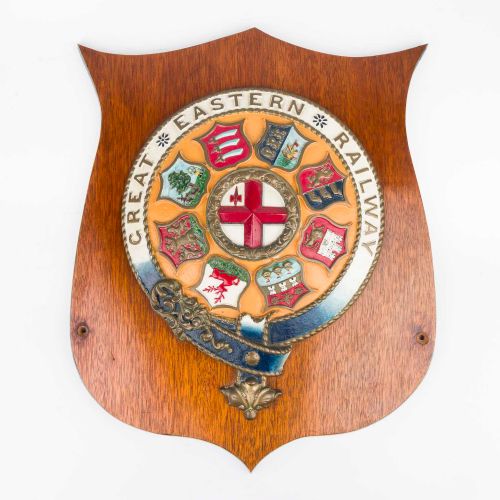
An antique cast plaque covers a broad field of metalwork and relief pieces designed for mounting on walls or architectural surfaces. The selection draws heavily from the nineteenth century, showing Victorian heraldry, railway signs, and portrait casts alongside earlier Georgian and Edwardian examples.
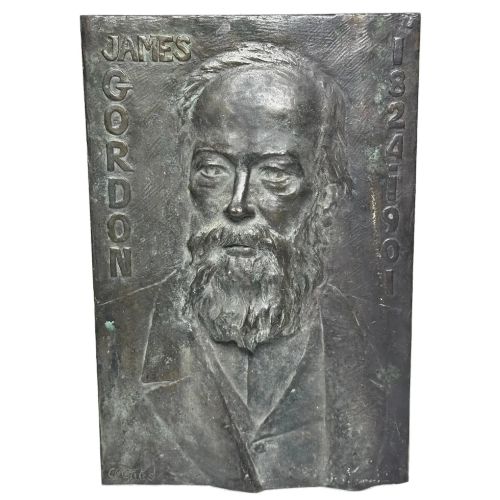
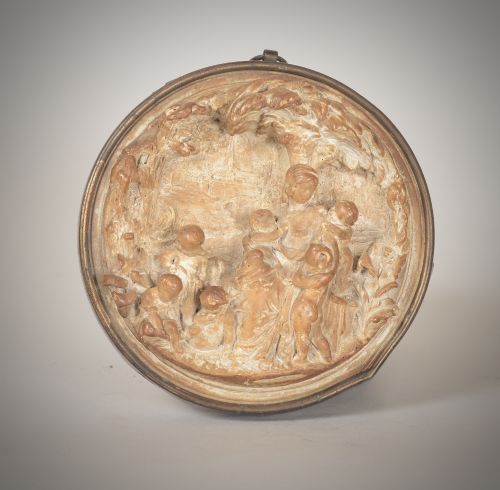
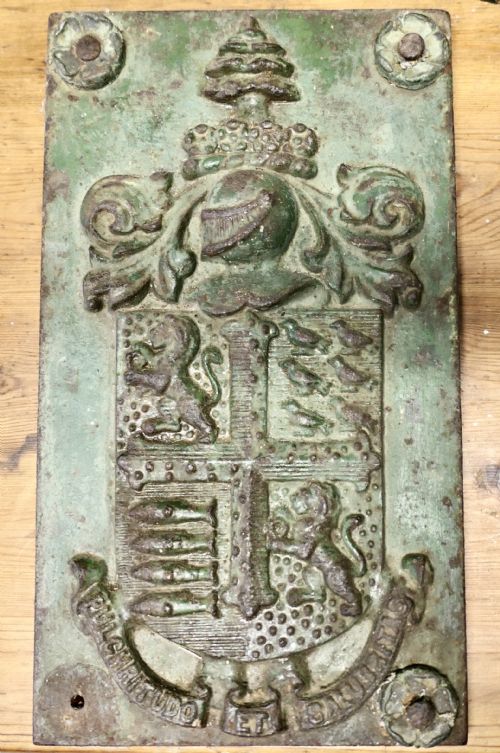
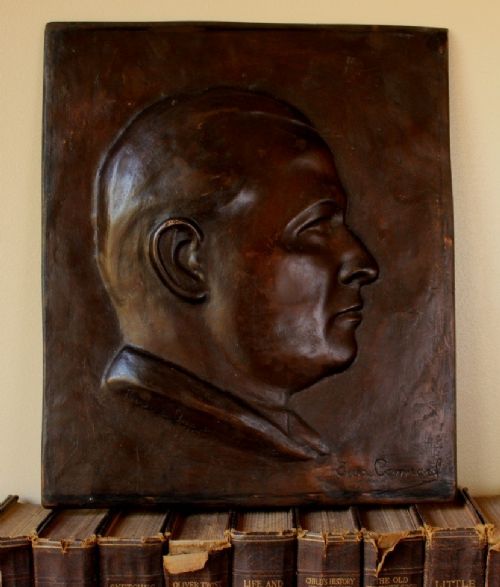
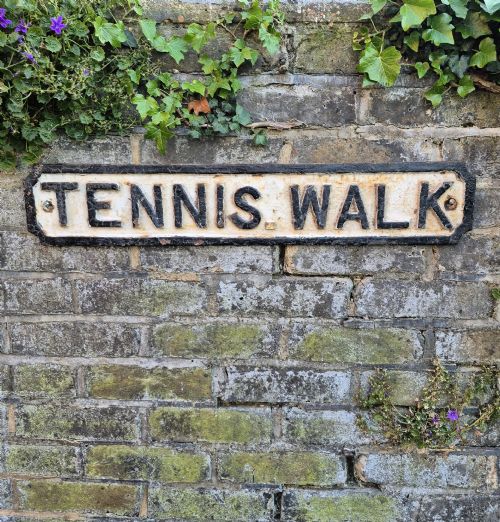
Buyers will encounter functional street signs, railway markers, and trade notices cast in iron alongside decorative bronze portrait medallions and Grand Tour plaster reliefs. These objects served civic, industrial, and domestic roles, translating important coats of arms or everyday notices into durable cast forms.
Origins span British, French, and Russian foundries, ranging from heavy architectural ironwork to refined cabinet plaques. The common thread is the casting process itself, which captures fine detail in iron, brass, bronze, or plaster.
How they were made
Makers utilised molten iron and bronze poured into sand or investment moulds to achieve crisp relief lettering and figures. Iron pieces often received protective coats of black paint, while bronze examples relied on natural patination or applied finishes.
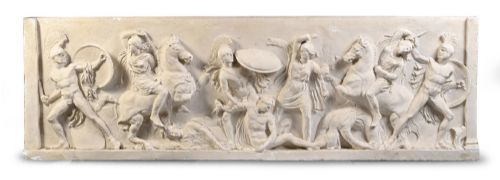
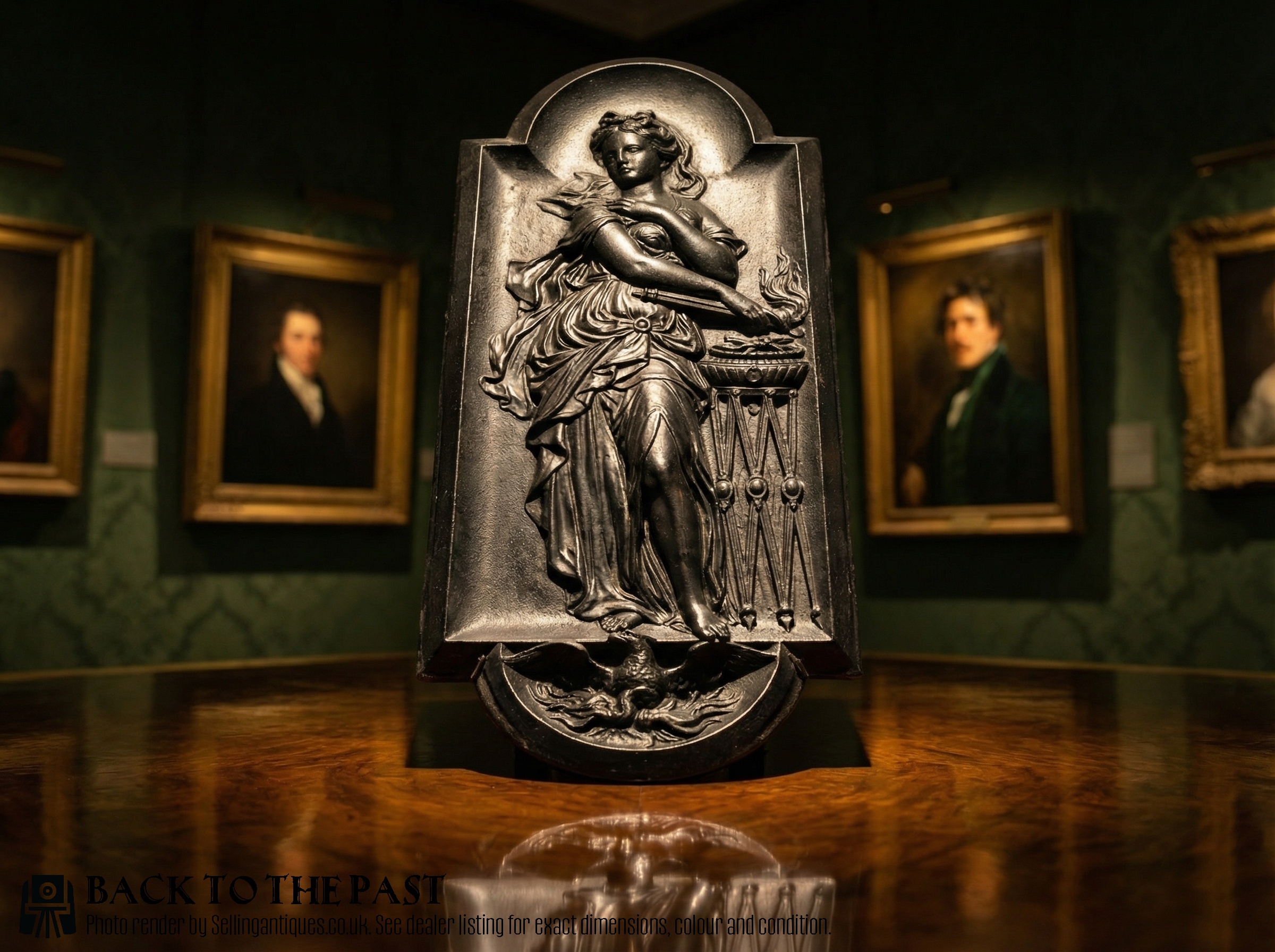
Plaster and gypsum mixtures, sometimes mixed with marble dust, were cast from moulds to create lightweight wall friezes and classical reliefs. Wood backings and ebonised frames frequently served to mount and display these delicate compositions.
Foundries utilised specialist alloys, yielding everything from heavy architectural sheet brass to solid cast iron armorials. Finishing work involved hand-chasing on finer bronze portraits and neat lettering applied to railway and street signs.
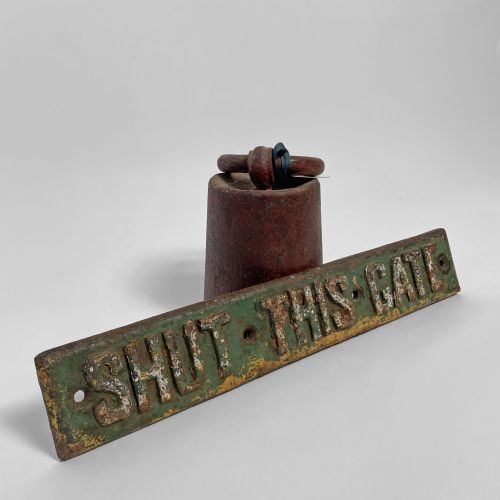
Railway guards and Victorian travellers once relied on cast iron signs barking orders to shut gates and mind the tracks.
What varies in quality
Material choice alters the character and durability of each piece, with heavy bronze and solid iron outlasting fragile plaster or painted finishes. Original painted surfaces and authentic patination elevate the integrity of railway signs and armorial plaques.
Milners of Liverpool·Kasli Foundry·Coalbrookdale
The Antique Cast Plaque Glossary
- Armorial
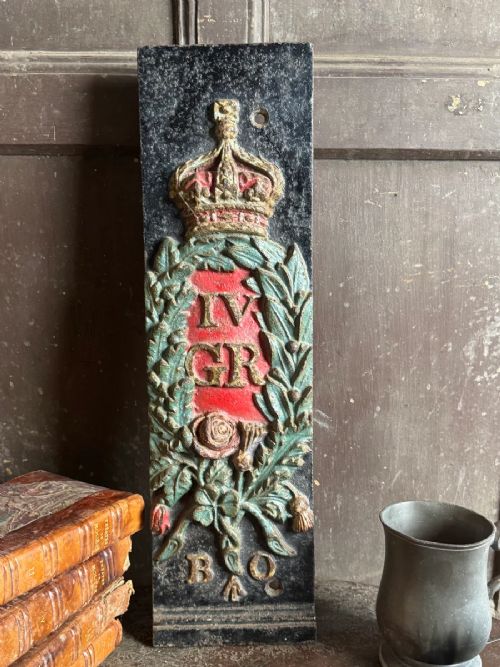
- Relating to heraldry and coats of arms. These plaques display familial or institutional crests cast in iron or bronze.
- Grand Tour
- A cultural journey undertaken by wealthy young Europeans in the eighteenth and nineteenth centuries. It generated demand for classical plaster reliefs and small bronzes.
- Relief
- Sculptural work where figures project from a flat background. Cast plaques rely on low or high relief to create depth.
- Tompion
- A wooden or metal plug used to seal the muzzle of a cannon. In naval contexts, it refers to decorative ship's badge crests.
- Patina
- The surface sheen and colour developed through age and handling. Good patination shows natural wear on bronze and iron.
Antique Cast Plaque: Frequently Asked Questions
How do I hang a heavy cast iron plaque?
Heavy iron wall plaques require secure fixing directly into masonry or structural studs using appropriate wall anchors. The substantial weight of cast iron demands robust support rather than standard picture hooks.
Ensure the mounting brackets match the original hanging loops or fixing holes provided on the reverse of the plaque. Professional installation is advisable for monumental armorials and large street signs.
What is the difference between bronze and cast iron plaques?
Bronze plaques typically display finer sculptural detail and were used for portrait medallions, memorial tablets, and ships' badges. They resist red rust and develop rich, dark patinas over time.
Cast iron plaques were generally utilised for larger architectural signs, railway notices, and heavy armorial crests. They possess a utilitarian industrial strength and are usually finished with protective dark paint.
Where were trade signs displayed?
Trade signs hung outside shops, inns, and commercial premises to advertise the specific wares or services offered within. Pocket watch shapes, spoon and fork motifs, and specific company names guided contemporary customers.
Over time, these functional markers transitioned from active storefronts into interior decorative collections. They reflect the commercial history and local industry of their period.